Running Shoes
RAD Malo V3 Review: A Stable Max Cushion Daily Trainer at a Sensible Price
RAD's Malo V3 is a dense, stable max cushion daily trainer built for easy miles. We explain where it shines, where it falls short, and who should buy it.
Introduction
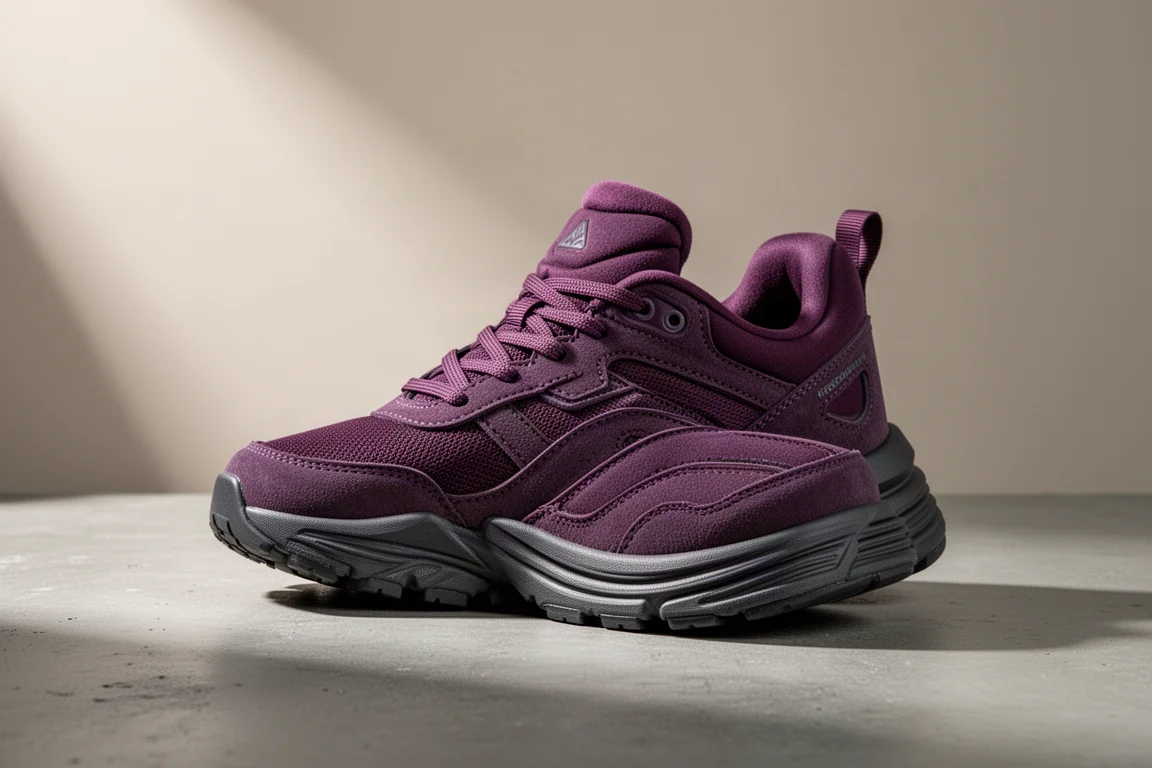
RAD is a brand with roots in gym footwear, and the Malo V3 is its clearest push yet into serious running shoes. The company’s line-up already includes the UFO, which earned plenty of praise, and the Synth, which landed a little more mixed. The Malo V3 slots in as a max cushion daily trainer priced at £130 in the UK and $150 in the US, putting it in the same bracket as shoes like the Asics Novablast 6, Puma Deviate Nitro and Kiprun Kipride Max.
After roughly 50km of mostly easy running in the shoe, the picture is fairly clear: this is a competent, stable and comfortable workhorse that does one job well, but faces stiff competition from rivals that offer more range for similar or slightly more money.
What the Malo V3 Is
RAD describes the Malo as a max cushion daily trainer. It plants a big stack of its Swell foam, described as a mainly EVA-based blend, under the foot for comfort and protection, paired with a forefoot-focused rocker to keep you ticking over efficiently. It weighs 294g, which makes it heavier than a range of max cushion rivals such as the Asics Superblast and Saucony Triumph. The outsole carries a solid layer of rubber focused at the forefoot and heel, protecting the areas that take the most impact on pavements and roads.
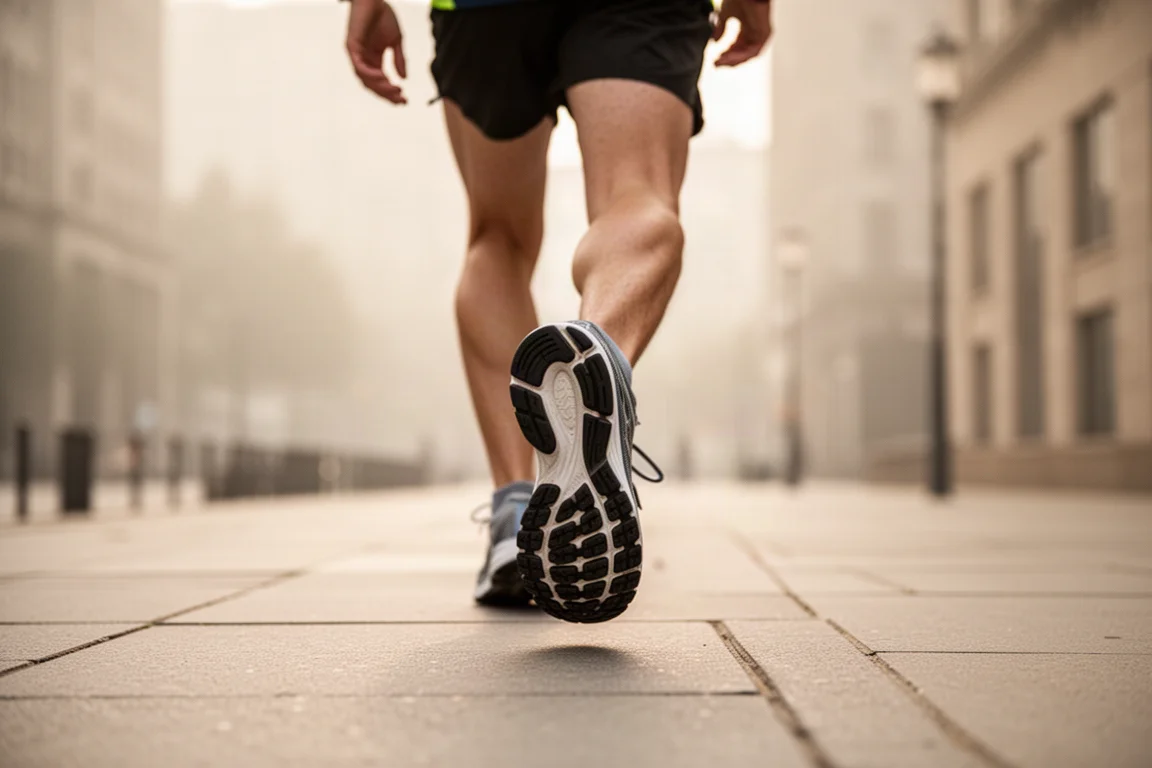
The most important thing to understand is that this is not a lively shoe. The Swell foam is dense rather than plush, with only a small amount of energy return. It cradles the foot nicely, avoids feeling mushy or sinky, and delivers a well-cushioned ride on a notably stable platform for such a tall stack. That wide platform means minimal unwanted wobble despite the height.
Fit and Sizing
Fit feedback across testers was consistent: stay with your usual running size if you have average or narrow feet, but consider going half a size up if you want more forefoot room. The toe box is described as snug and a touch narrow for a max cushion shoe, and the relatively thick upper wraps and holds the foot securely. Wider feet may notice pressure around the midfoot.
The positives are the plush details. The tongue is thick and well padded with no danger of lace pinch, though it can run a little hot in warm weather over the first few runs. The heel collar has medium padding with enough give that it never dug in during testing. Midfoot lockdown is genuinely good.
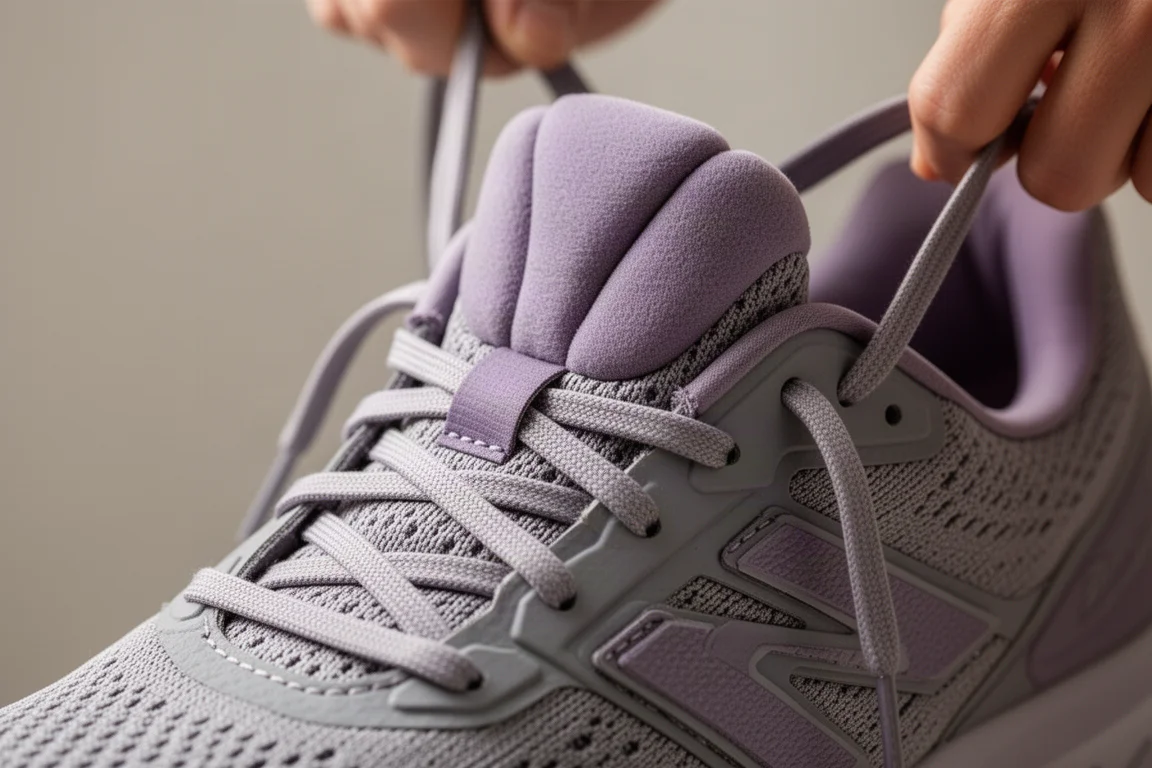
For easy runs at your regular size, the fit works well. If you plan to use the Malo for longer runs or ultra-style efforts where you want extra forefoot space, sizing up half a size seems like the sensible move.
Ride and Midsole Feel
The Swell foam is the defining feature of the ride. It is dense, sturdy and stable, with a soft edge but none of the sinky, slushy feel some big stack shoes have. It has a touch of energy return, but not much. If you try to push the pace, the shoe feels heavy and bogged down; it is simply not built for tempo work. A gentle rocker gives just enough kick to keep the transition smooth through easy-paced miles.
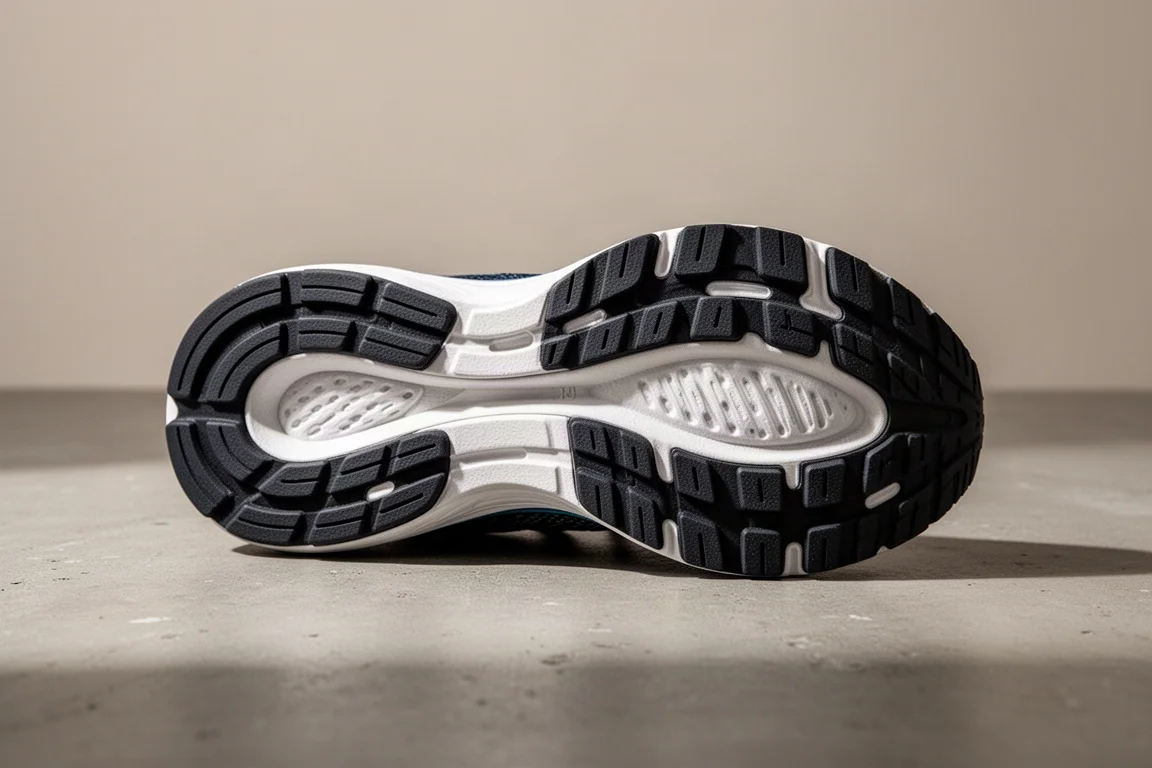
The outsole deserves real credit. Rubber coverage at the heel and forefoot handled gravelly footpaths and pavements without visible wear problems, and grip was described as very good on roads and pavements. For a max cushion shoe, durability looks strong. The trade-off is weight and range: rivals such as the Nike Vomero 18 add more cushion at the same weight, and the Novablast 6 offers comparable comfort with more versatility.
Where It Sits Against the Competition
The Malo V3 competes with max cushion staples like the New Balance More range and the Asics Gel Nimbus, both of which now cost more than this shoe. At £130, it undercuts them while delivering a similarly comfortable, stable easy-day experience. Testers preferred it to the Hoka Skyward X 2 and Puma (Paramount) Max in this class.
The honest counterpoint is that the same money, or a little more, buys a more memorable shoe. The Novablast 6 and Nike Vomero 18 bring more range, the Hoka Clifton Pro and Mizuno Neo Vista 3 at £150 offer a more polished overall experience, and the New Balance 1080v15 feels more agile. Within RAD’s own line-up, the UFO remains the pick: it costs a little more but can do much of what the Malo does while being far more fun.
Who Should Buy the Malo V3
The Malo V3 makes sense for runners who want a comfortable, stable cruiser for easy runs, recovery miles and daily 10-12k outings at a relaxed pace. It is not a full stability shoe, but its dense midsole and wide platform give it a stability leaning that few max cushion shoes at this price offer. It also performed well on tired legs, providing protection four days after a 100k race without feeling cumbersome.
Skip it if you want a shoe with pace in its personality, if you have wide feet, or if you value versatility over pure easy-day comfort. The bold plum purple colourway also turned heads, which may divide opinion.
Conclusion
The RAD Malo V3 is a good shoe rather than an exciting one: well built, comfortable, stable and sensibly priced at £130 or $150, but heavy and limited in range. If your running is dominated by slow, easy miles and you want max cushion with a stable feel, it is a solid, good-value choice. If you want more energy and versatility from the same budget, stronger alternatives are available, both from bigger brands and from RAD’s own UFO.
Product link
View more details for RAD Malo V3
This product is mentioned in the review. Check the specifications, options, and compatibility before buying.
View more details for RAD Malo V3Further reading
Related Reviews

Running Shoes
Best Road-to-Trail Running Shoes: Three Versatile Options for Mixed Terrain
A practical guide to three road-to-trail running shoes that handle both pavement and mild trails, with clear strengths and trade-offs for different runner types.

Running Shoes
Best Running Shoes for Achilles Tendonitis: Three Options Explained
Three running shoes with different heel drops and support features designed to help reduce Achilles tendon pain during walking and running.

Running Shoes
Best Running Shoes for Women: Five Top Choices Ranked
A ranked guide to five women's running shoes, from versatile daily trainers to high-performance racing options, with real strengths and trade-offs for each.