Running Shoes
Marathon Racing Shoe Market Breakdown: Cruisers vs Bruisers
A practical framework for choosing a carbon-plated racing shoe, from aggressive bruising racers to long-distance comfort cruisers.
Introduction
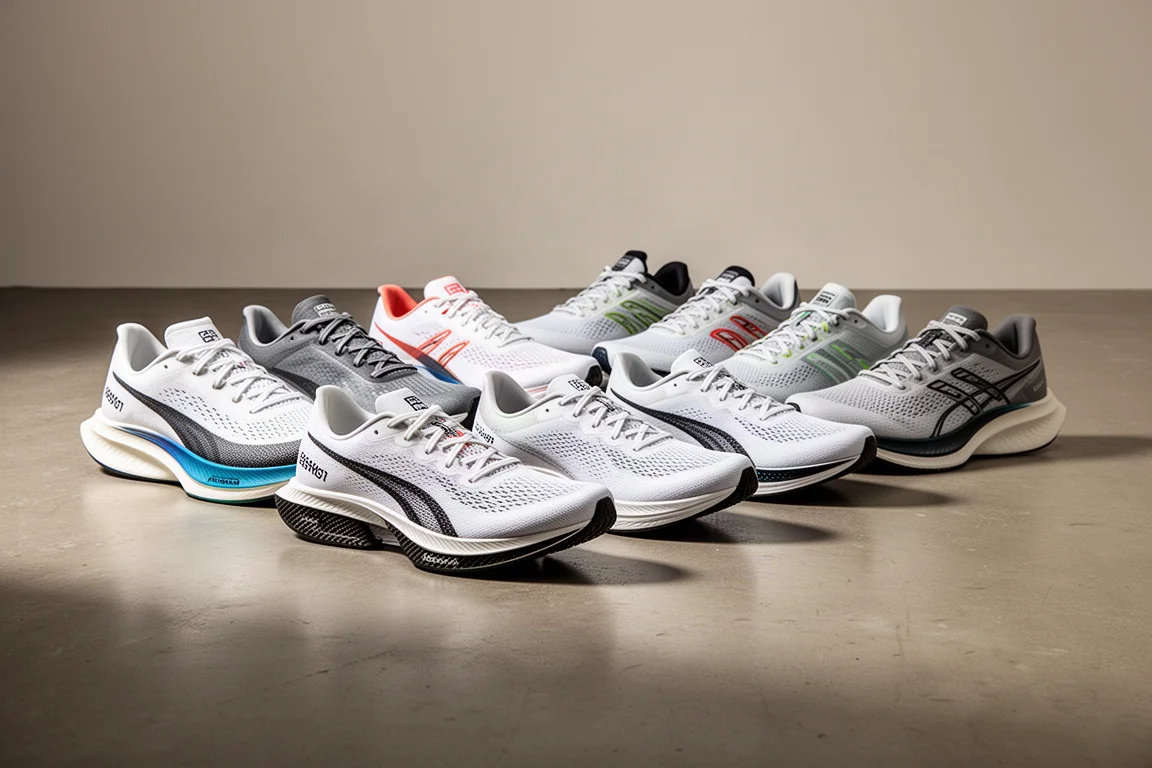
The carbon-plated racing market has exploded, and choosing between the current lineup is genuinely confusing. Fifteen or more serious marathon racers are on the table at any given time, and they are not all built for the same job. Some reward a powerful midfoot strike and a fast race-day effort, while others are tuned for comfort over hours on your feet.
The clearest way to make sense of all of it is to split the market into two camps: the bruisers, which are fast and aggressive, and the cruisers, which are relaxed and comfort oriented. Below is a breakdown of the standout shoes in each camp, along with the trade-offs you should weigh before spending race-shoe money.
The Framework: What Separates a Cruiser from a Bruiser
A handful of variables determine which camp a shoe belongs to: heel width, upper padding and comfort, foam softness, upper fit, plate position, and rocker geometry. These all work together.
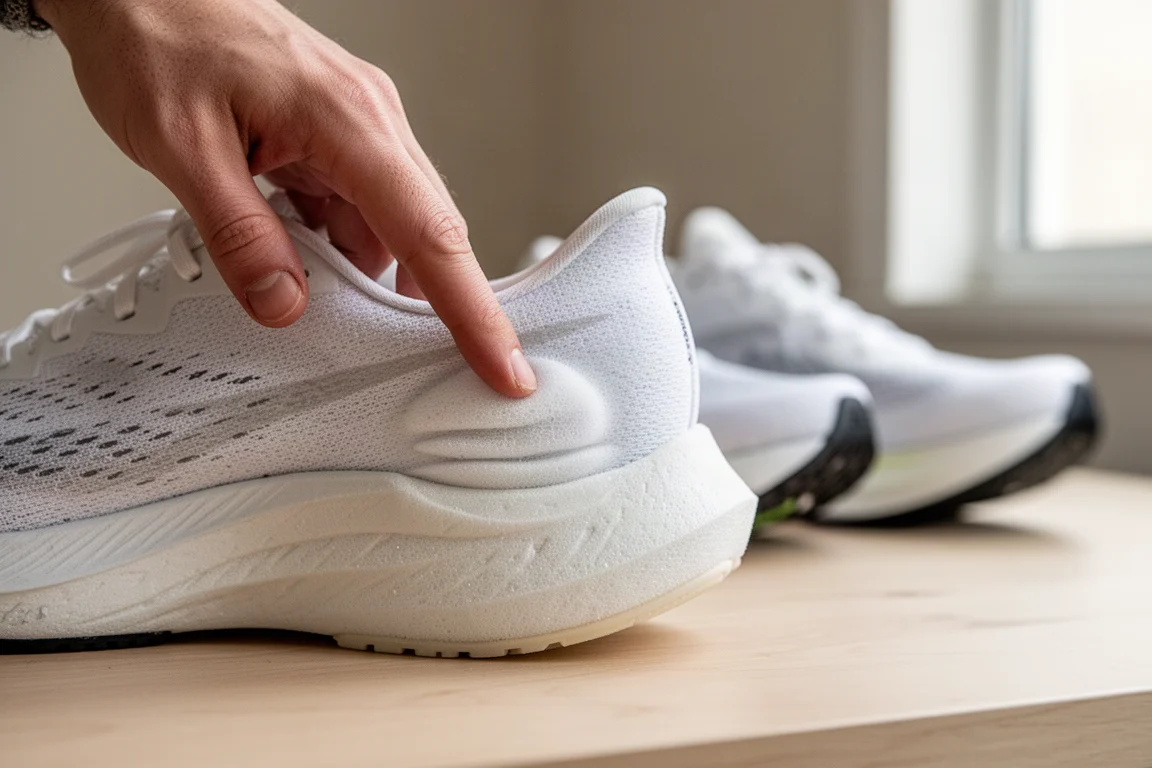
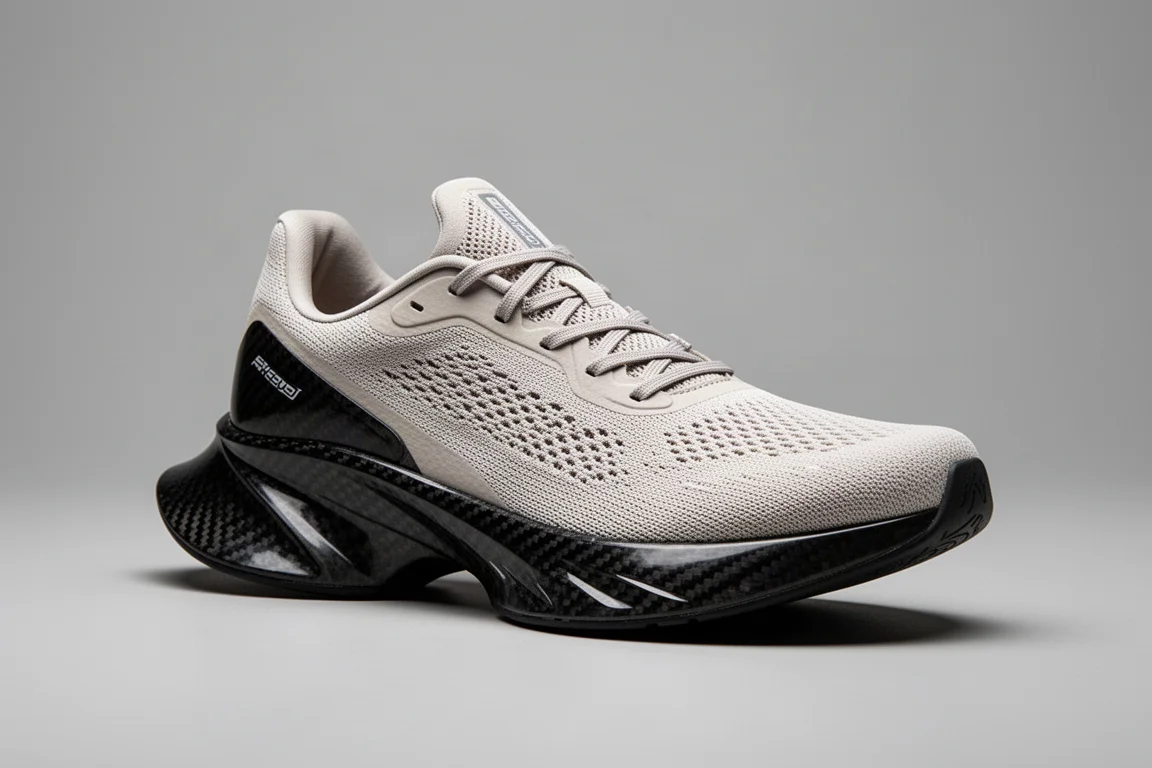
Bruisers typically have firmer foam, a more aggressive race fit, a narrow heel, and a carbon plate positioned high in the shoe close to the foot. That high plate position gives a sharp bite at toe-off. Cruisers usually have a chunkier heel, softer or denser-but-supportive foam, more upper padding, and a plate that sits lower and scoops down toward the ground, which softens the plate feel and makes heel landings more forgiving.
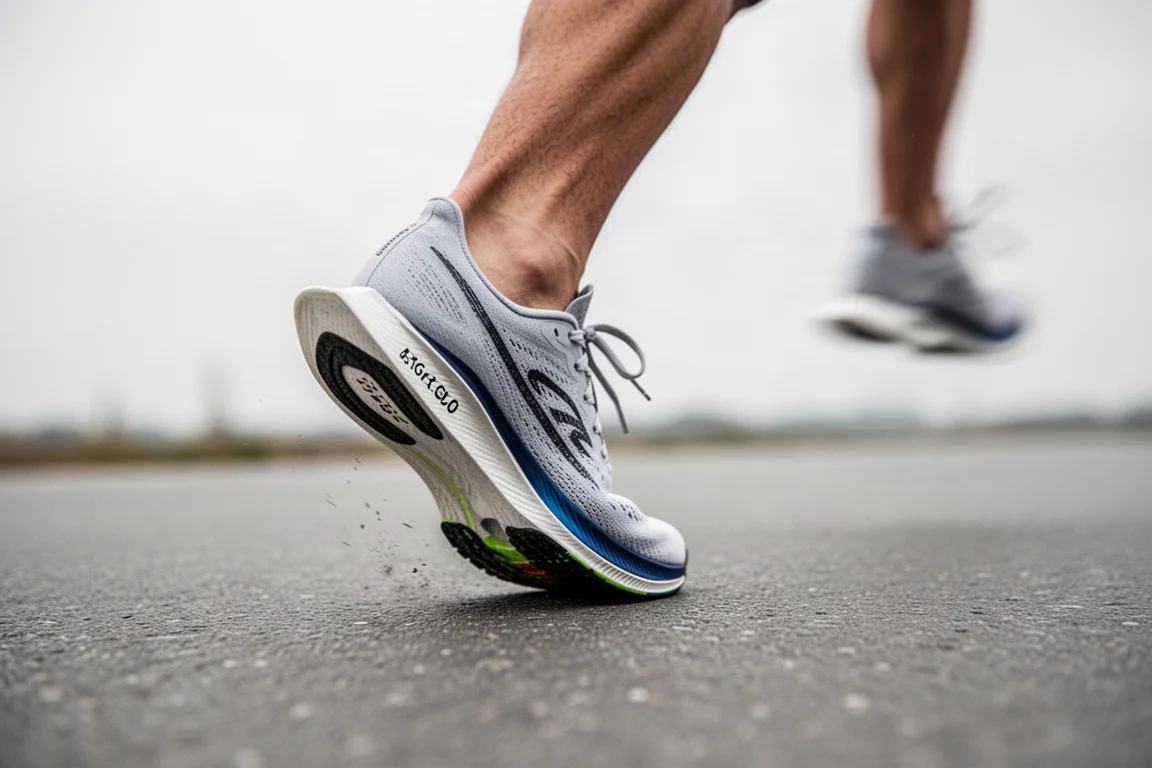
There is also a middle group of versatile shoes that blend elements of both, and a few of the best shoes on the market right now live exactly there. Worth remembering too: elite racers run very fast in almost anything, so for most runners the feel of the shoe matters as much as raw performance. Heavier shoes usually mean more padding and more comfort, and weight always comes with trade-offs.
The Full-On Bruisers
These are the shoes that want you on your midfoot and forefoot, pushing serious force through the platform. They typically have a firmer toe-off that does not squish all the way down, which creates a confident, planted feel when you are driving hard.
Asics Metaspeed Sky Paris
At roughly 190 grams in a men’s size 10, the Metaspeed Sky Paris is dramatically lighter than most of the market, and it is one of the most aggressive shoes available. The carbon plate sits right up close to the foot and the heel is very narrow, so it rewards an aggressive midfoot landing. It is a poor choice for relaxed pacing, but when you want to go fast, it bites.
Nike Alphafly 3
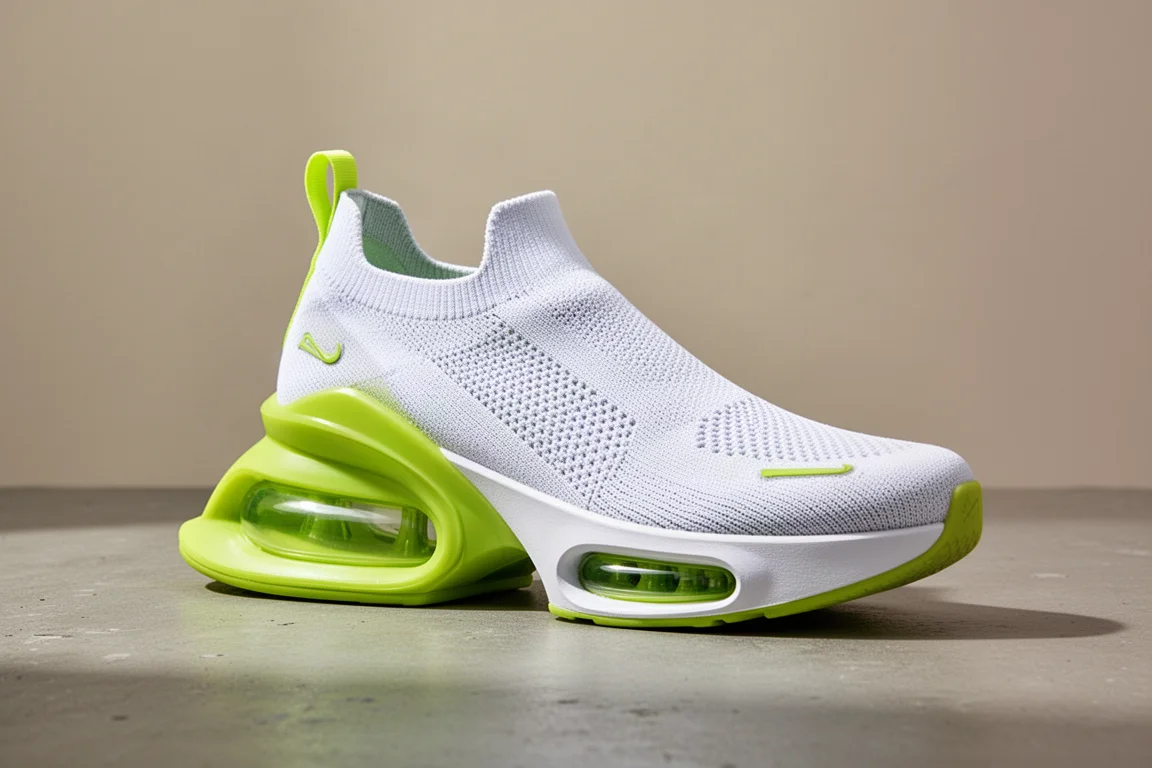
The Alphafly 3 might be the most fun fast racer of the bunch. The geometry, the carbon plate, and the air pods all work together, and it always nudges you toward that aggressive target zone. Around 150 miles in, the air pods are a little less poppy but still holding up well. It rewards a midfoot to forefoot strike and does not offer the rear-foot support of the best cruising shoes, so it is a pick for race day, not easy miles.
Hoka Rocket X2
The Rocket X2 takes the classic formula: PEBA race foam, a carbon plate, and a 40mm stack height, much like the original shoe that started the category. It is not the lightest at about 237 grams in a men’s size 10, but the extra weight comes from rubber coverage and a denser foam tune, which makes it feel more supportive than its rivals. It handled a 20-mile long run comfortably and feels stable enough to consider for a full marathon.
Puma Deviate Nitro Elite 3
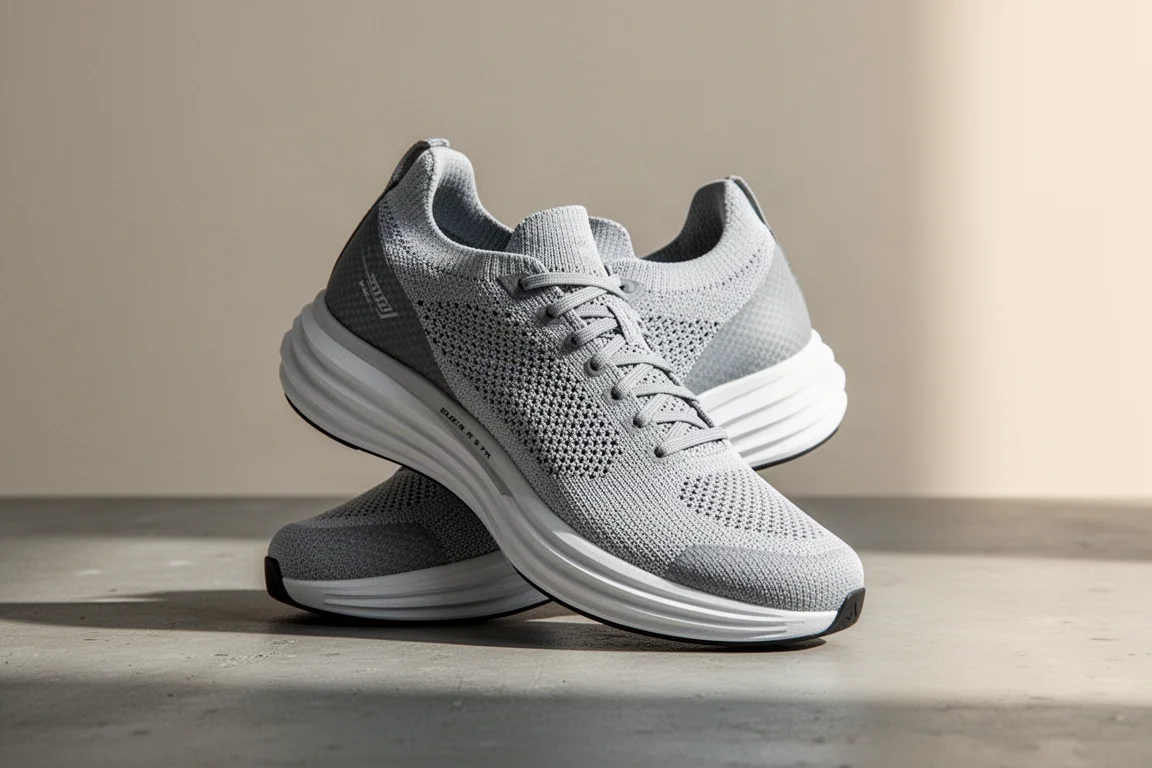
The Deviate Nitro Elite 3 toes the line between cruising and bruising better than almost anything else. The plate scoops down, the foam has genuine structure under power, and the outsole grip is excellent. It works for sub-3-hour runners and has been recommended to plenty of 3:45 marathoners, which is rare for an elite racer. If you want comfort and support from race foam without a super squishy feel, this is a strong pick.
The Cruiser Camp: Comfort for the Long Haul
Cruisers are not necessarily the fastest or lightest shoes, but the benefit is comfort, support, and the confidence that the foam will not bottom out. They are also the better pick for training miles and long runs at easy efforts, and they suit marathoners targeting completion, a 4-hour finish, or anything at 3:30 and slower where you may jog parts of the race.
Diadora Gara Carbon 2
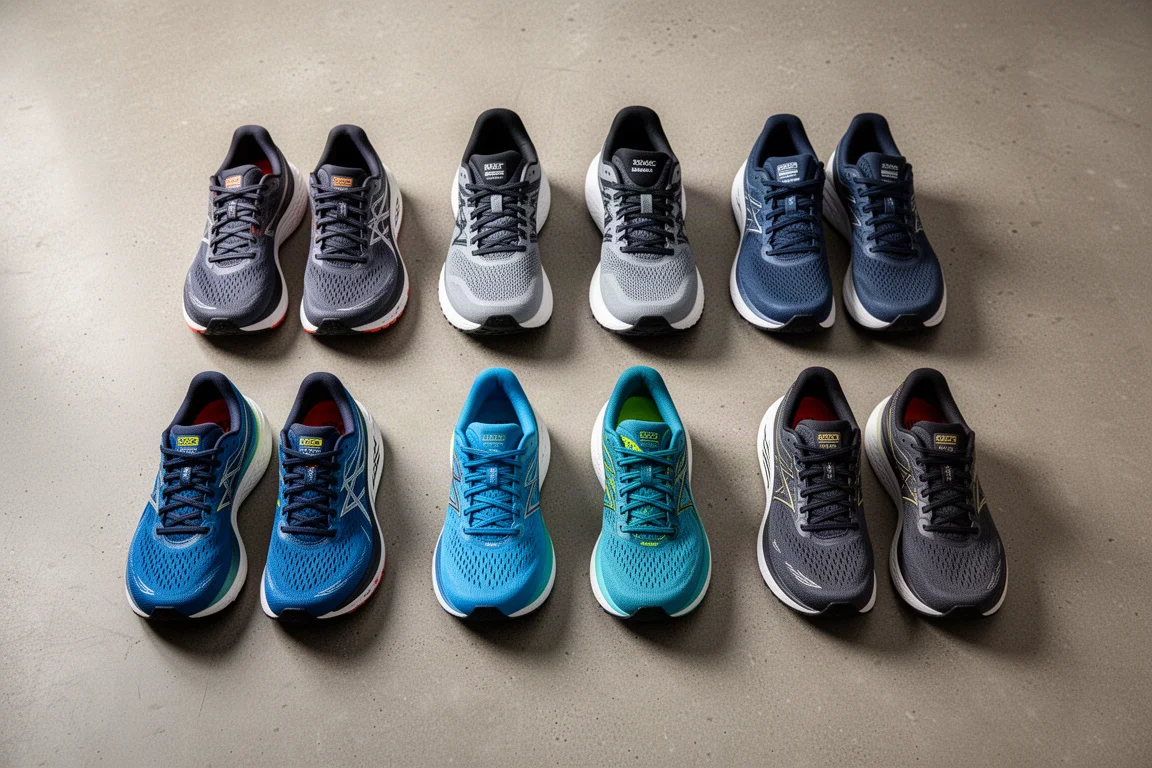
One of the best cruising marathon shoes available. The PEBA foam is softer and comfort oriented, the base is wider, the heel is substantial, and the rocker geometry pushes you along beautifully. The upper has more padding than typical race uppers, which adds weight but pays off over long distances. At about 233 grams in a men’s size 10.5, it is roughly 20 percent heavier than the Sky Paris, and that weight buys a better heel landing zone.
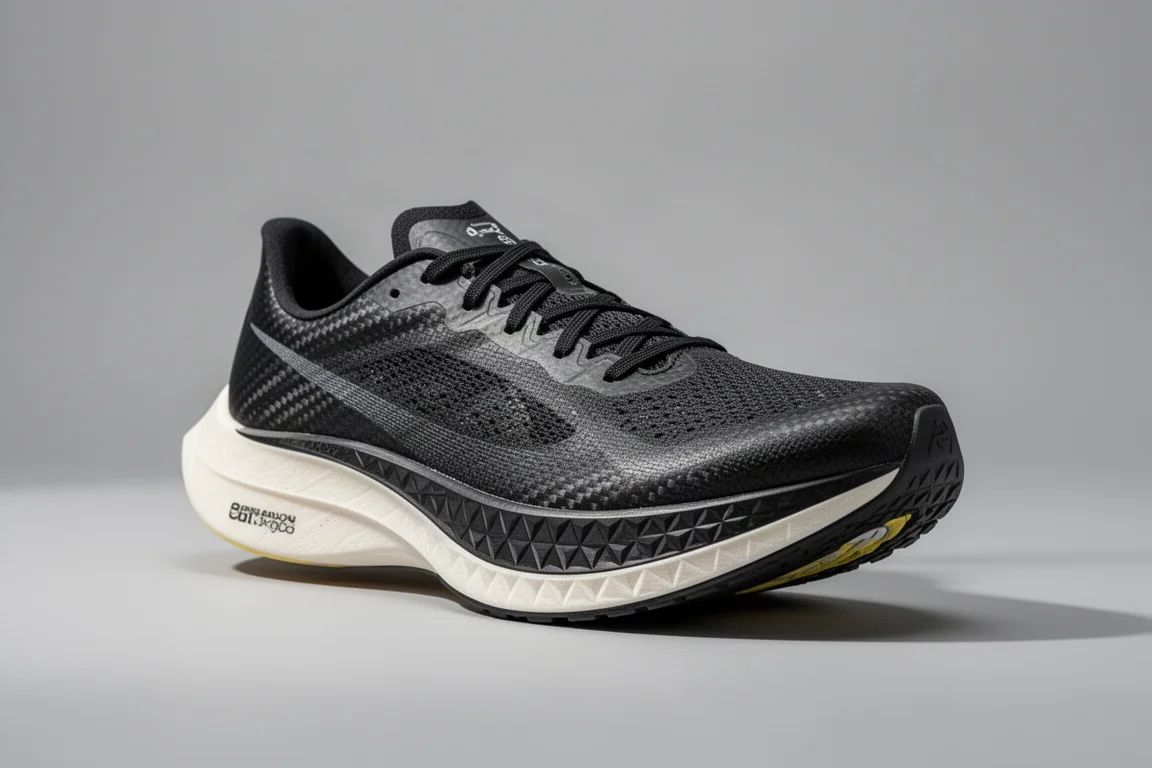
On Cloudboom Strike
The Cloudboom Strike is one of the most versatile shoes on the market: comfortable at 9 or 10 minute pace, yet still singing at 5 minute pace. The secret is a drop-in PEBA insole over a firmer bottom foam layer, so you get softness on top with a planted, stable rear. The downsides are stock laces that needed replacing and an upper that can be distracting. With a $300 budget for a dedicated long-run shoe, this is arguably the best pick right now.
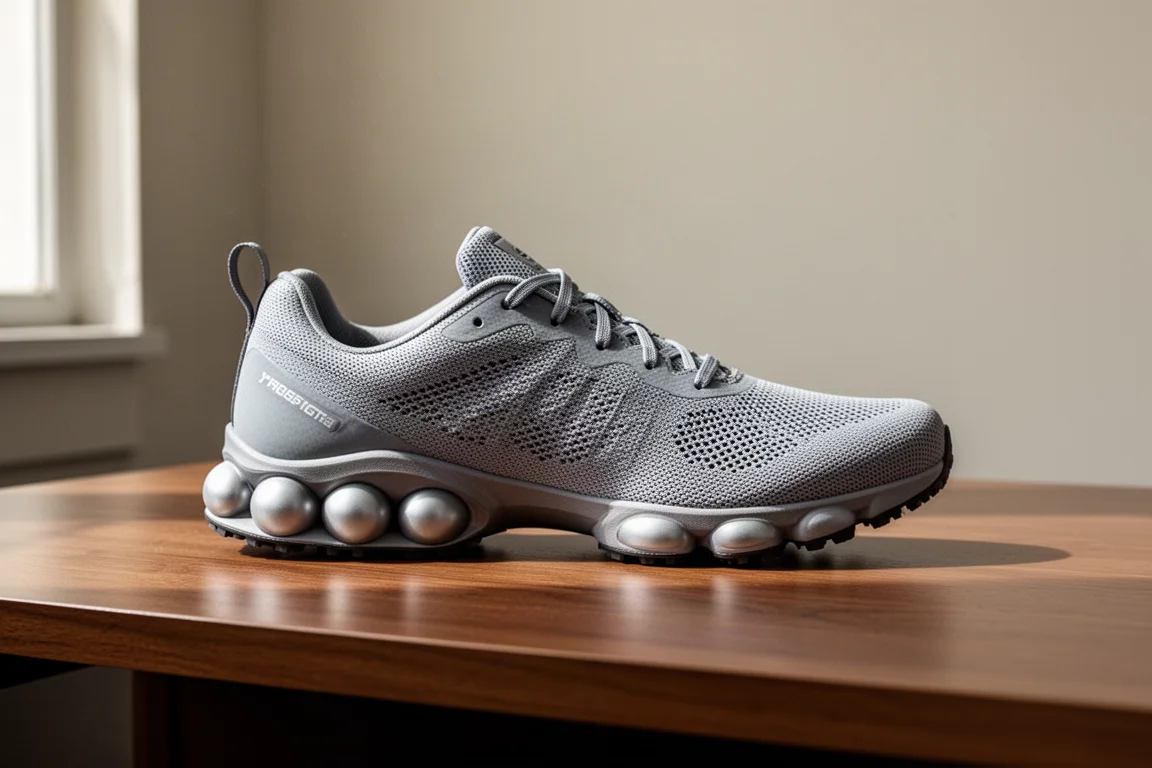
Adidas Prime X Strung 2
Adidas built the Prime X series by ignoring the 40mm stack rule, and this version goes to 50mm at the heel with a beefed-up, stable rear compared to the narrow, wobbly original. It is heavy at around 316 grams, but the firmer Light Strike Pro tune and dual carbon plates mean there is zero training foam in here. It is a cult classic for bigger runners chasing a 4-hour marathon, and a superb long-run tool for holding faster paces while keeping effort low. MSRP is $300, though deals closer to $225 show up regularly.
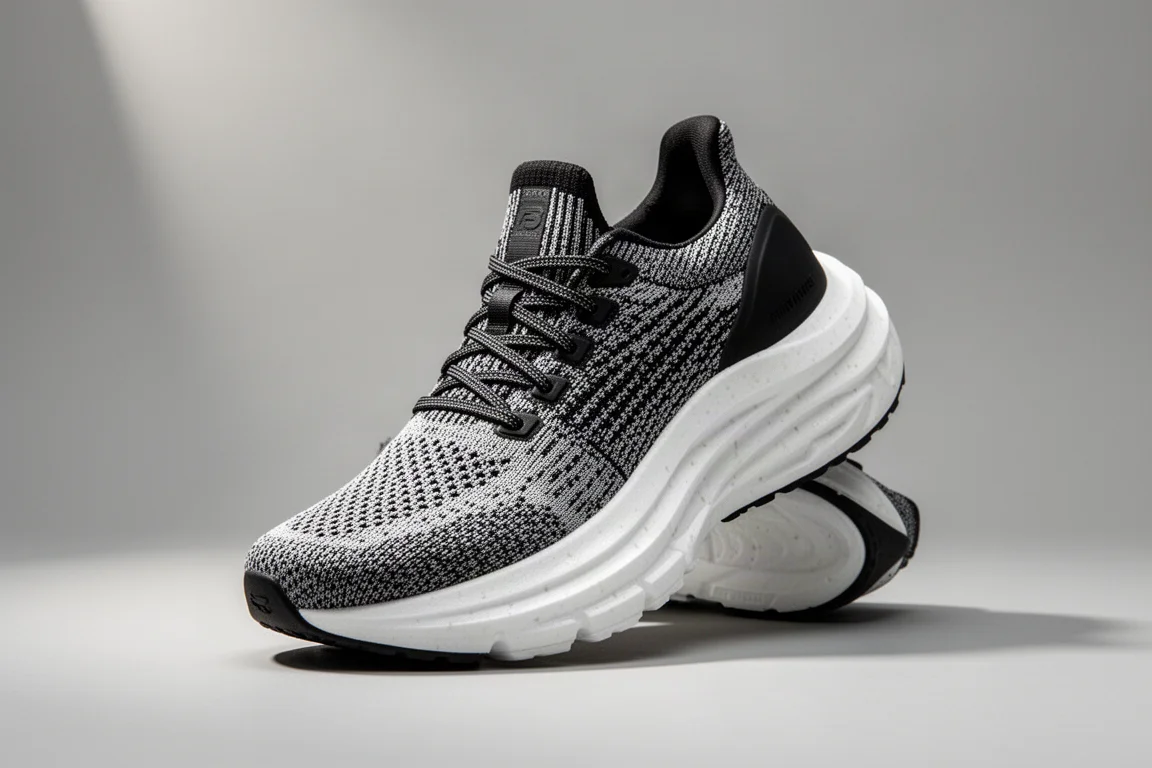
New Balance SC Elite V4
The SC Elite V4 is quietly one of the easiest cruisers to run in. With a 4mm drop, there is a lot of foam up front, around 35 to 36mm at the forefoot, which is too much for hard 5:30s but perfect for longer cruises. The carbon plate, wider base, and long gentle rocker make it comfortable and stable without bottoming out, and it has solid rubber coverage for durability. Some runners call it a low-key alternative to softer max-cushion trainers.
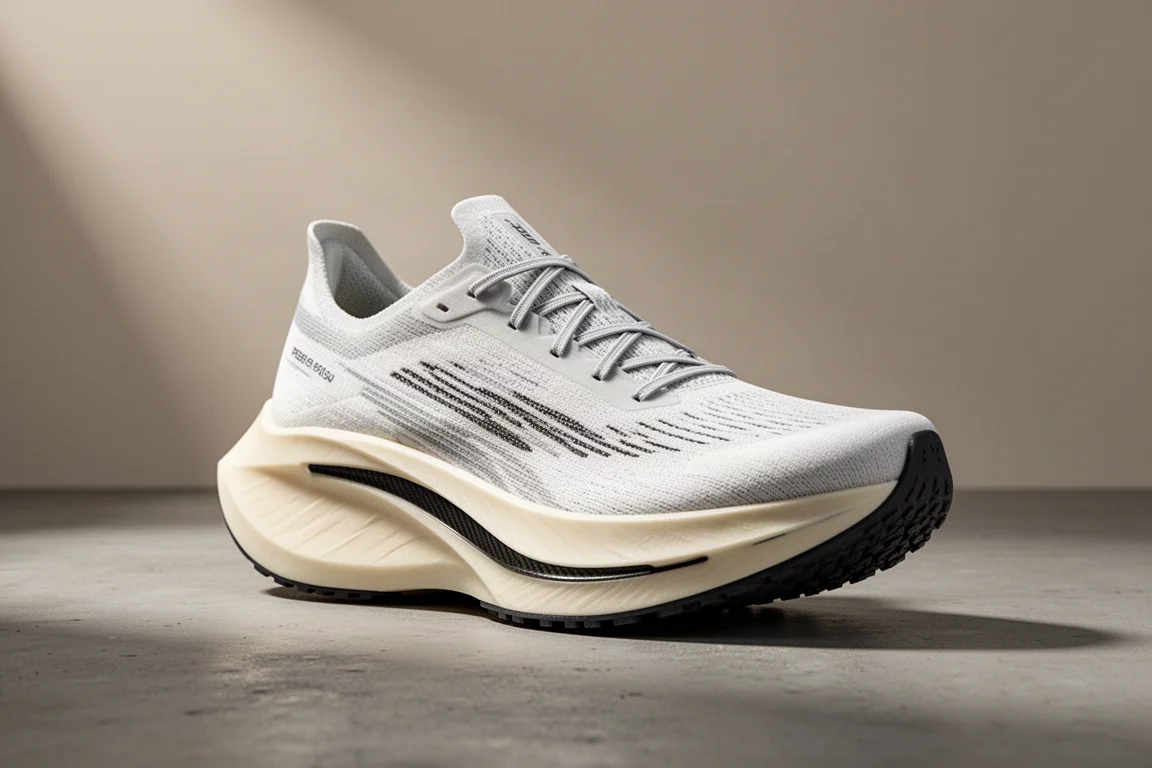
Buying Advice: Match the Shoe to the Race You Are Running
Performance and feel are two different things. Some shoes feel great and perform great, like the Deviate Nitro Elite 3, but often the most comfortable shoes are not the fastest. That is fine, because not everybody is chasing a PR.
A 2-hour marathoner runs with completely different form and at a much higher fraction of their maximum speed than a 5-hour marathoner, so the right shoe depends entirely on the type of race you are running. If you plan to run the whole thing fast, a bruiser makes sense. If you will jog sections or just want to finish comfortably, a cruiser protects your legs far better over the distance.
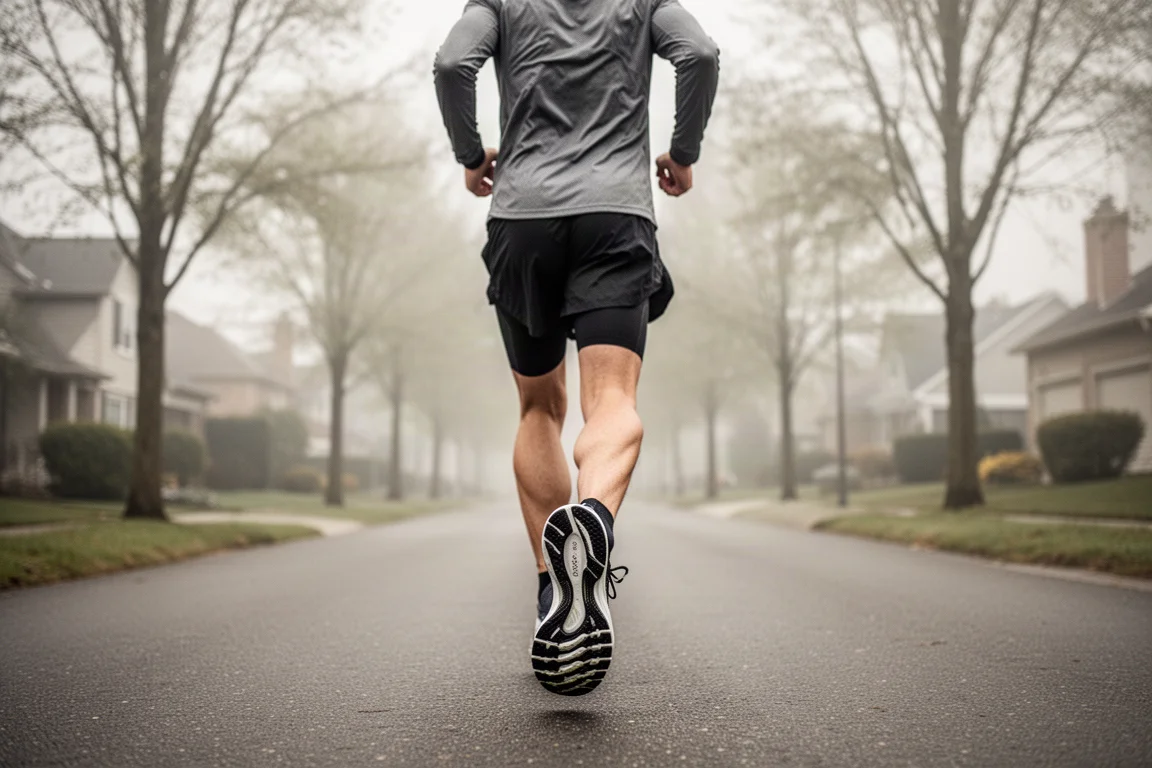
For long runs without pace work, pick a cruiser. For long runs with marathon-pace or threshold intervals, a bruiser or a versatile shoe earns its place. A few other notes from the current market: the Saucony Endorphin Elite 2 is the softest and arguably most fun option, though it runs small and its foam compresses heavily enough to feel unreliable under hard force. The Adidas Adios Pro 4 has a much softer Light Strike Pro that some runners love across pace ranges, but heel strikers risk bottoming out the foam. And the Hoka Cielo X1 2.0, just released and about 50 grams lighter than the original, keeps the comfort but narrows the fit and dials back the stability, so it takes some learning.
Conclusion
There is no single best marathon racing shoe, only the best shoe for the race and pace you have in mind. Aggressive bruisers like the Metaspeed Sky Paris and Alphafly 3 reward powerful running, while cruisers like the Gara Carbon 2 and SC Elite V4 carry you comfortably through long efforts. The versatile middle ground, led by the Deviate Nitro Elite 3 and Cloudboom Strike, is where many runners will find their ideal match. Decide how you will actually run your race first, then pick the platform that supports it.
Further reading
Related Reviews

Running Shoes
Best Road-to-Trail Running Shoes: Three Versatile Options for Mixed Terrain
A practical guide to three road-to-trail running shoes that handle both pavement and mild trails, with clear strengths and trade-offs for different runner types.

Running Shoes
Best Running Shoes for Achilles Tendonitis: Three Options Explained
Three running shoes with different heel drops and support features designed to help reduce Achilles tendon pain during walking and running.

Running Shoes
Best Running Shoes for Women: Five Top Choices Ranked
A ranked guide to five women's running shoes, from versatile daily trainers to high-performance racing options, with real strengths and trade-offs for each.