Running Shoes
Every Racing Shoe Ranked by Aggression: From Most Aggressive to Most Comfortable
23 carbon racing shoes sorted into three tiers of aggression, with context on who each tier actually suits.
Introduction
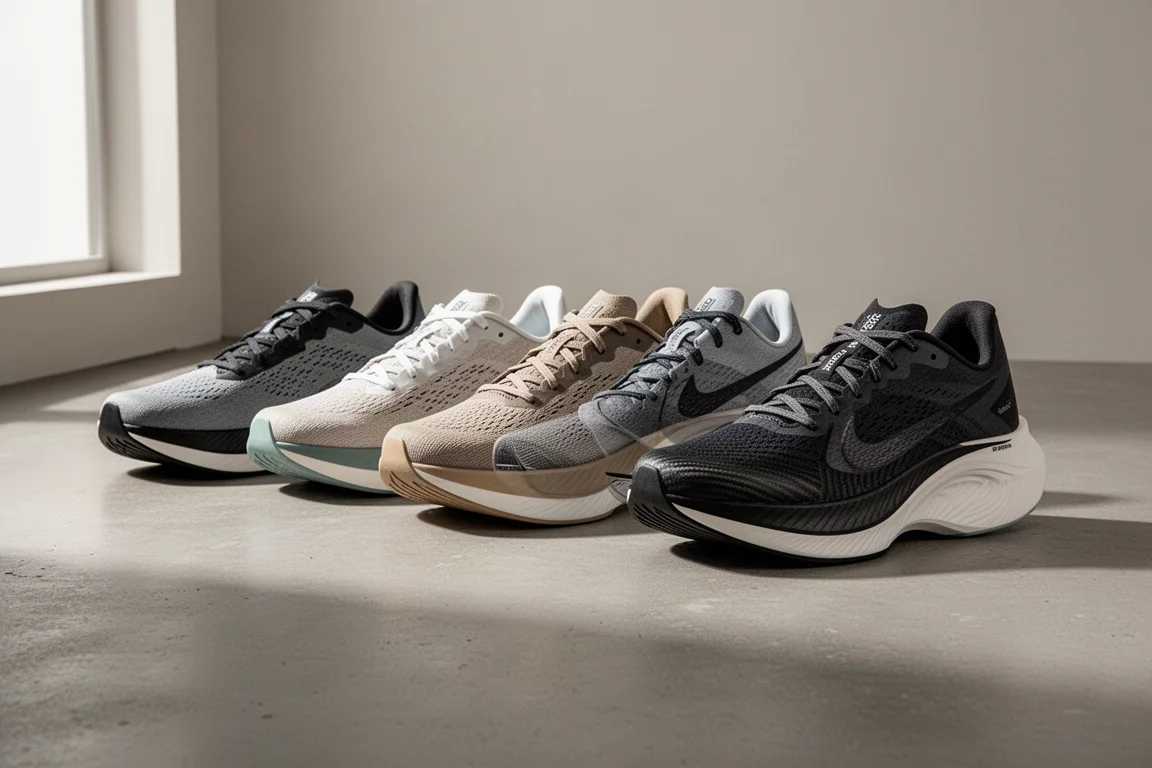
Ranking racing shoes by pure speed is almost impossible without lab testing. What is far more useful, especially if you are shopping for your next race day shoe, is ranking them by how aggressive they feel. Aggression is about how much a shoe pushes you up onto your toes, how much it demands from your calves and hips, and how much speed assistance it hands back when you are attacking.
This ranking sorts 23 carbon racing shoes into three tiers: aggressive, balanced, and approachable. It is not a fastest-to-slowest list, but it gives you a clear directional sense of which shoes reward fast paces, which ones work for the widest range of runners, and which ones prioritize comfort over outright speed assistance.
How the Ranking Works
The three tiers are built around how each shoe feels relative to its peers. The aggressive shoes actively put you in an attacking stance and reward high power output. The balanced shoes still carry real speed but do not force a hyper-aggressive form, making them more forgiving. The approachable shoes are the most supportive and comfort oriented, whether through softer foam, more lateral stability, or both.
A few important caveats. Aggression does not perfectly correlate with speed, and nobody can tell you exactly how fast one shoe is versus another without oxygen consumption and heart rate testing in a lab. Also, pace is not the only factor. For a longer event like the marathon, time on feet matters as much as speed, and a four-hour marathoner may struggle to hold the form an aggressive platform demands for that long. And yes, you can absolutely run fast in any of these shoes. The ranking describes how each shoe feels and behaves, not a limit on your potential.
The Aggressive Tier: Most Aggressive Race Shoes
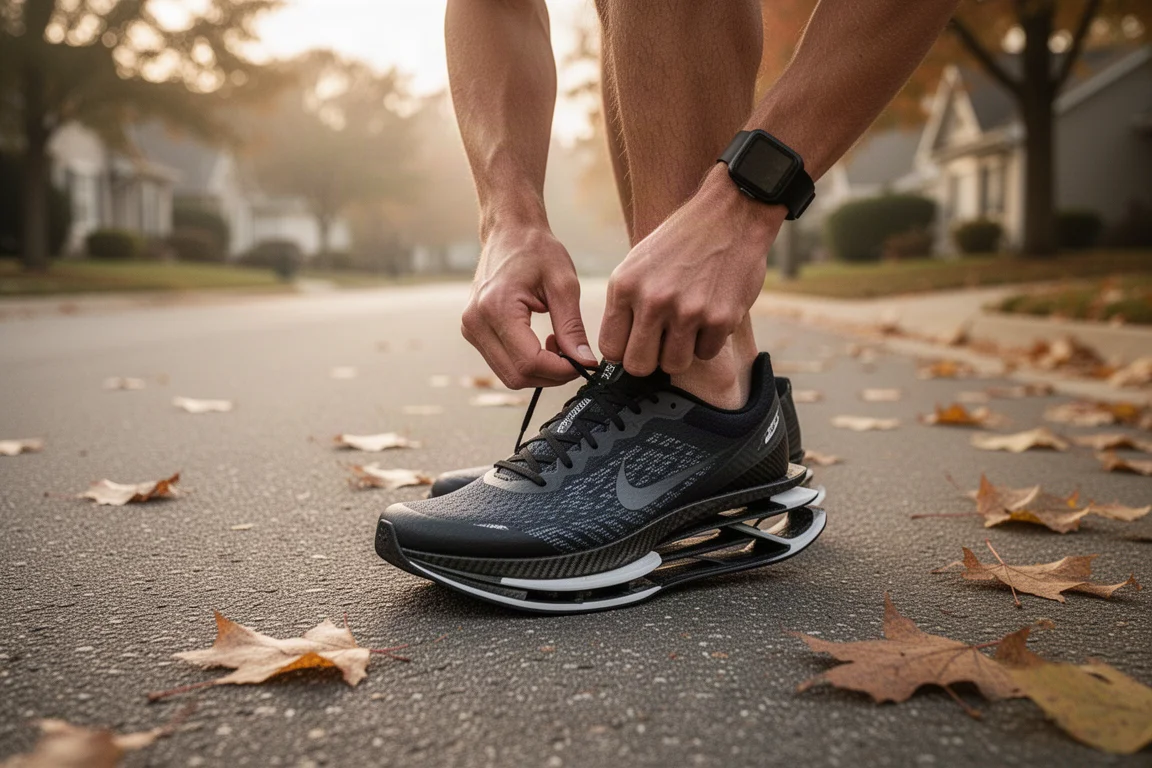
Shoes 1 through 7 are the aggressive camp. They put you up on your toes in an attacking stance and reward greater power outputs generated by fast paces. The most aggressive of these, like the Nike Streakfly 2 and Puma Fast-R 3, you feel immediately the second you lace them up. Slightly less punishing options like the Nike Alphafly 3 still perform best when you are driving forward.
The full aggressive list, from most to least aggressive within the tier:
- Nike Streakfly 2
- Puma Fast-R 3
- Asics Meta Speed Sky Tokyo
- Asics Meta Speed Ray
- Adidas Adizero Adios Pro Evo 2
- Nike Alphafly 3
- Mizuno Wave Rebellion Pro 3
One thing that surprises people is why a soft shoe like the Asics Meta Speed Ray sits in this tier. Aggression is not just about foam softness. Brands are using aggressive heel bevels to taper the back of the shoe and pack more foam into the midfoot within the rules, and that bevel essentially prevents heel striking. If a platform demands that much calf strength and you have not built it up, the shoe will let you know.
Puma Fast-R 3: The Fastest Marathon Shoe
The Puma Fast-R 3 is the fastest marathon shoe on this list. Lab testing, independent testing, and raw workout splits all point the same direction, with speed assistance in the range of five to six seconds per mile. Compared to the Streakfly 2, which is almost a track spike for the road, the Fast-R 3 carries far more cushion while delivering a similar attacking feel. The trade-off is real: it works your calves hard, and even experienced runners running half marathons in the low 1:12s have found it punishing. Ease into it rather than making it your only shoe.
Asics Meta Speed Ray: Soft but Uncompromising
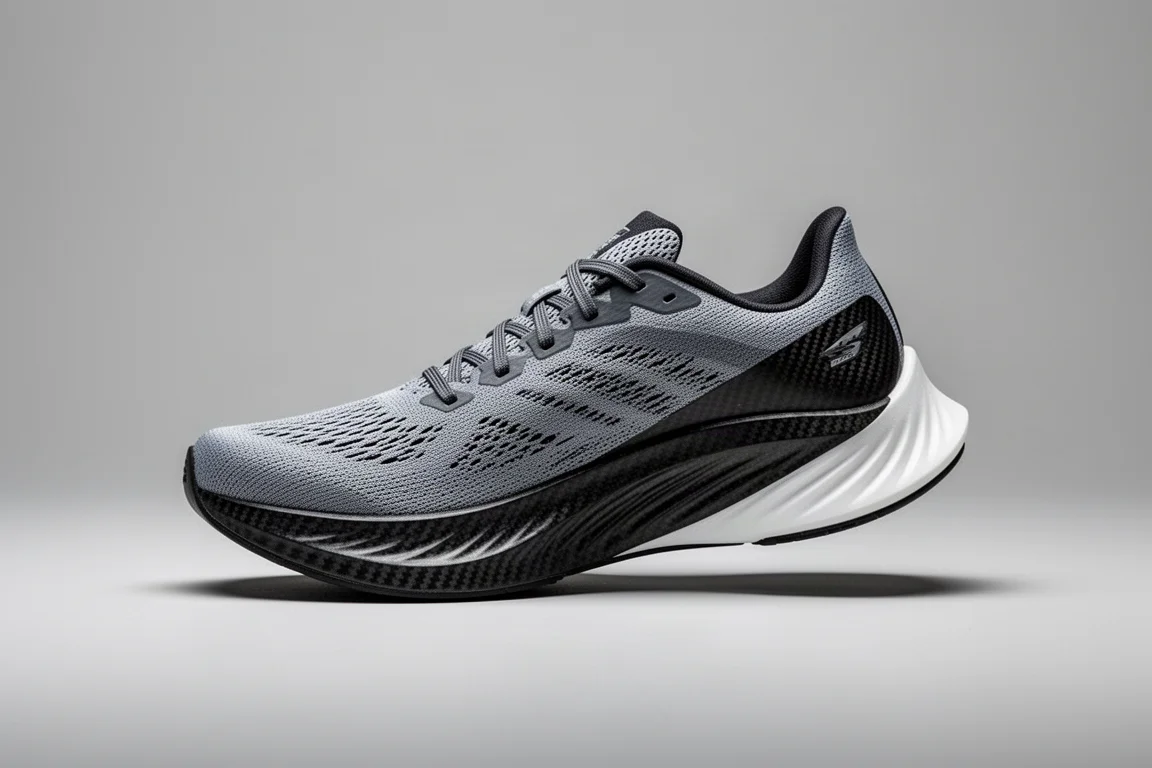
The Meta Speed Ray pairs soft foam with an aggressive heel bevel and a forceful rocker, so you cannot land on the heel; it rolls you straight through into a forefoot stance. The foam is soft but extremely energetic, and the shoe actually felt more stable as pace increased toward threshold. It suits higher-cadence, lighter runners who want a softer feel than the Fast-R 3 without giving up aggression. If you have historically loved a Vaporfly or a Meta Speed Edge, this is the shoe to look at; if you are a Sky Tokyo or Alphafly fan, the Fast-R 3 is the better match.
Mizuno Wave Rebellion Pro 3: The Underrated Beast
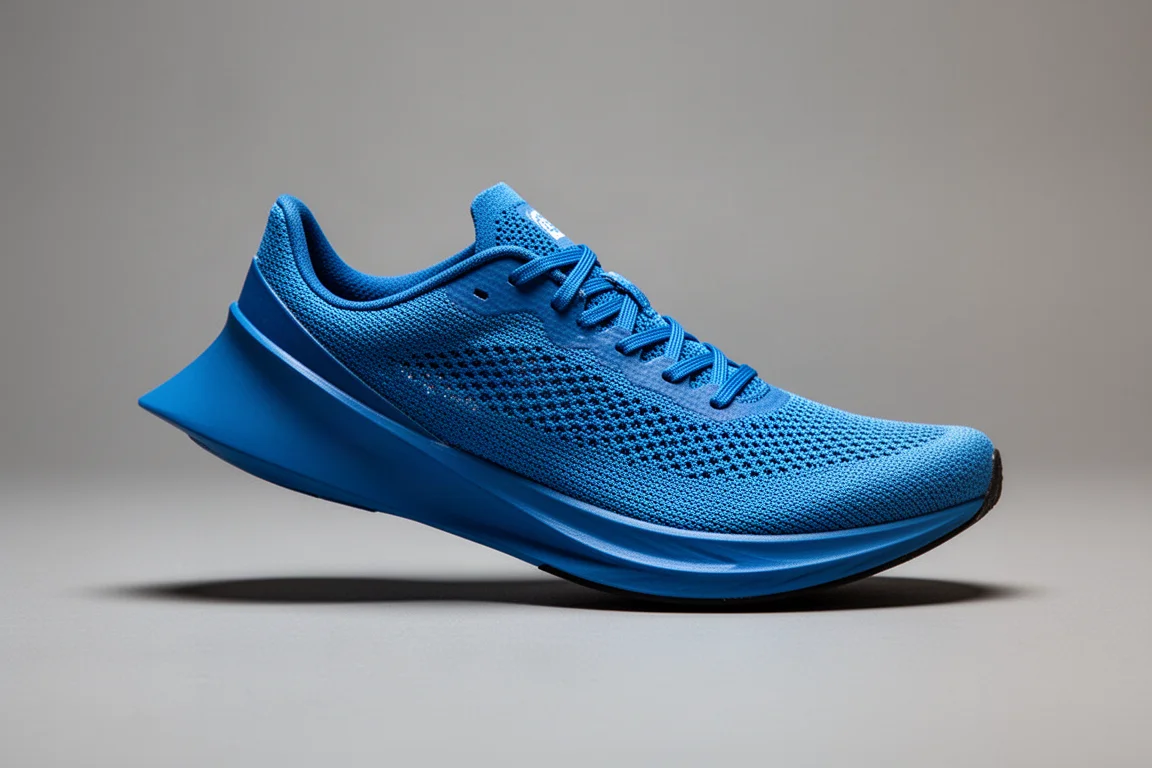
The Wave Rebellion Pro 3 is one of the most underrated shoes in the category. Its Mizuno Energy XP foam sits in a genuine Goldilocks zone, not as firm and aggressive as the Fast-R 3 but far from soft and squishy, and it comes alive when you push the pace. There is plenty of cushion, great grip, and two 20-plus mile long runs in these confirmed they hold up over distance. At $250 it is excellent value, and you will almost never see anyone else wearing them at a marathon, which for some runners is part of the appeal.
View more details for Mizuno Wave Rebellion Pro 3
The Balanced Tier: The Sweet Spot for Most Runners
Shoes 8 through 15 balance speed with comfort, aggression with a more laid-back feel. This is the tier that will feel best for the widest variety of runners, and it is broadly the sweet spot for three-to-four-hour marathoners who have put in the training volume and have the strength to use a carbon plate well. Expect meaningful speed assistance here, just not the three to six seconds per mile that the most aggressive platforms can offer.
The full balanced list:
- Adidas Adizero Adios Pro 4
- Asics Meta Speed Edge Tokyo
- Nike Vaporfly 4
- Brooks Hyperion Elite 5
- Puma Deviate Nitro Elite 3
- Mizuno Wave Rebellion Pro 3 Low
- Saucony Endorphin Elite 2
- Hoka Cielo X1 2.0
Adidas Adizero Adios Pro 4: A Softer Race Day Experience
The Adios Pro 4 is a great example of the balanced tier. It can absolutely attack, with fast threshold work and out-of-the-box 10 mile efforts in the mix, but it sits slightly softer than the Fast-R 3. When tired or trying to settle into marathon pace, it can lack the bite and aggression that some runners want. For a soft race day experience, especially at a price well below the Meta Speed Ray and frequently discounted further, it is one of the better picks in the tier.
Mizuno Wave Rebellion Pro 3 Low: The Best Value in the Tier
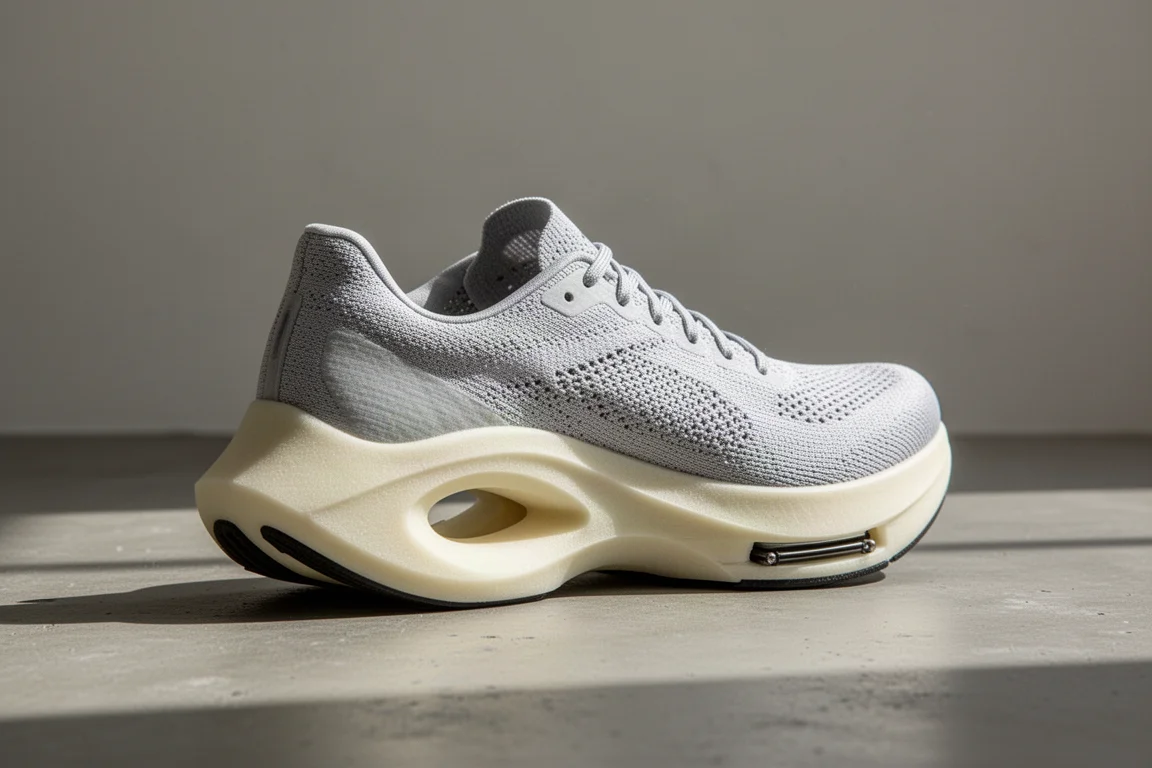
The Wave Rebellion Pro 3 Low takes the same Energy XP foam family and, at a $230 MSRP and a lower stack height, turns it into something steadier. Where the standard Pro 3 feels explosive and wild, the Low supports you as you rip. It feels like the best version of the classic Adios Pro 3 formula, slightly softer and more fun. It powered a 10 mile threshold workout averaging 5:24 pace, the fastest and biggest session of an entire training block. Alongside the Deviate Nitro Elite 3, it is arguably the best race shoe deal on the market.
Nike Vaporfly 4: Better on a Deal
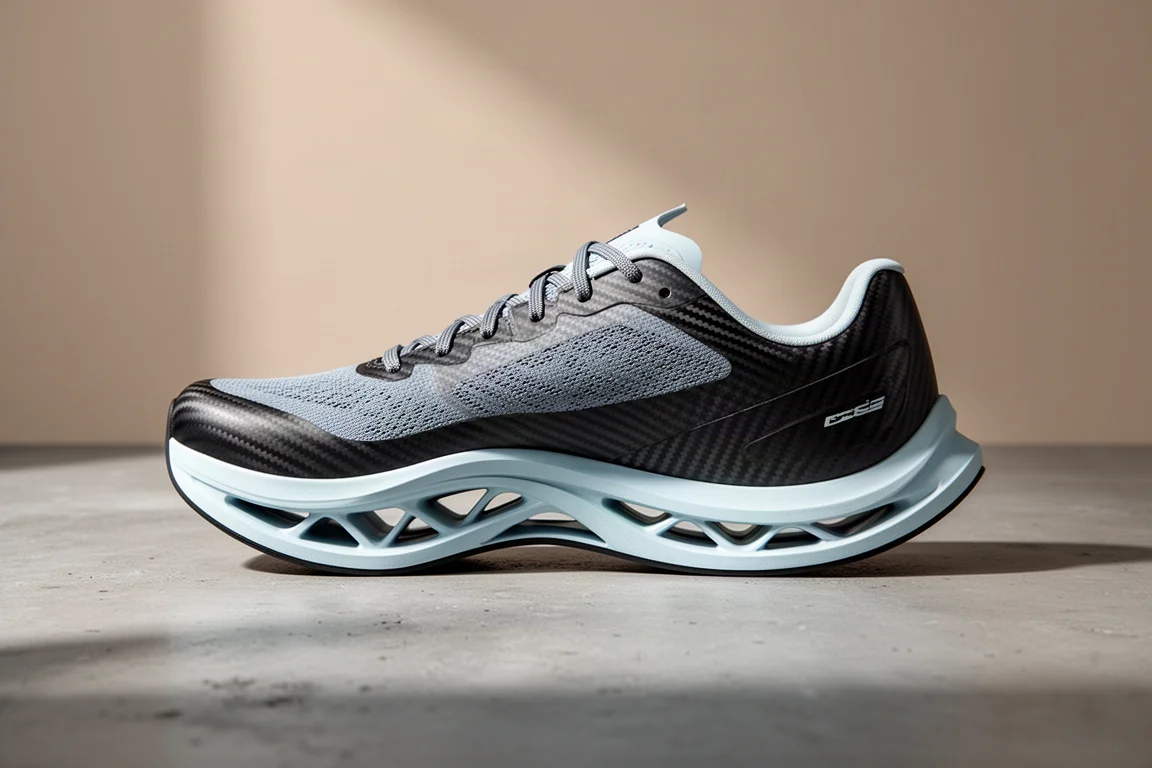
The Vaporfly 4 is not a bad shoe at all, but at its $260 to $270 MSRP it is hard to call good value, especially next to something like the disappointing Takumi Sen 11. Nike has since cut prices and it has consistently popped up under $200, which changes the math considerably. With generous rubber coverage, it is a solid choice for 5K and 10K racing and track-style interval work. Recommendation: only buy it on a deal.
Puma Deviate Nitro Elite 3: Stable and Durable
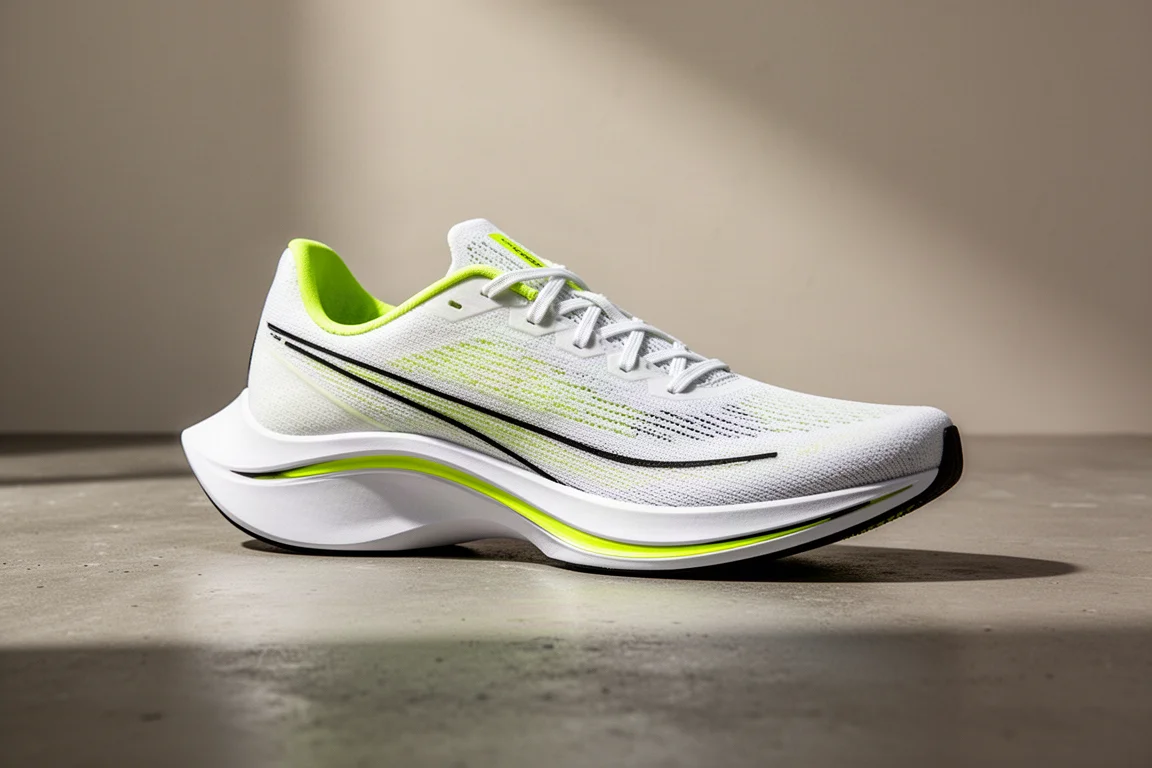
Still one of the most reliable all-rounders in the tier. The Deviate Nitro Elite 3 is stable, works well for a wide variety of runners, and its foam and outsole hold up exceptionally well over mileage. If you miss the firmer, more robust feel of the old Adios Pro 3 without wanting a punishing platform, this and the Rebellion Pro 3 Low are the closest matches on the market.
The Approachable Tier: Comfort-First Race Shoes
Shoes 16 through 23 are the most comfortable, supportive, and forgiving race shoes. They will not feel like a completely different category of footwear the way the Streakfly 2 tears up your calves, and at marathon pace they will not wreck your legs. For runners at seven, eight, nine, ten, or even slower paces, these are the shoes that will feel the best and the closest to an everyday trainer.
The full approachable list:
- On Cloudboom Strike
- New Balance SC Elite V5
- Saucony Endorphin Pro 4
- Adidas Takumi Sen 11
- Hoka Rocket X3
- Diadora Gara Carbon 2
- Tracksmith Elliot Racer
- On Cloudboom Max
New Balance SC Elite V5: Comfort With Plenty of Pop
The SC Elite V5 was the favorite race shoe of the summer for training, with roughly 55 miles put on it in a single week because it was that comfortable. It has genuine bounce and pep but feels almost like a plated daily trainer, and it has real speed: marathon pace workouts in the 5:40s are entirely doable, and a New Balance athlete has run a 2:11 in it. Pricing has climbed from $250 at release to $265 and up to $280 on certain colorways, with the standard colorway looking clean at the original $250. For three-to-four-hour-plus marathoners, there is plenty of assistance here.
On Cloudboom Strike: The Sleeper That Aged Well
The Cloudboom Strike has quietly fallen out of the conversation as newer releases have buried it, which is a shame because it has aged remarkably well. It powered some of the biggest workouts of a sub-2:40 training block, including a 20 mile long run with 14 miles at marathon pace and 10 mile threshold sessions, all showing it still holds its own. It is one of those rare shoes that is soft, fast, stable, and comfortable at the same time. At $280 it is not cheap, and it skews more relaxed than aggressive, but when you want to attack it responds. It is arguably a better pick for outright speed than the SC Elite V5, and possibly even the Adios Pro 4.

Which Shoe Should You Pick?
A few common questions are worth settling. Sky versus Edge: the Sky Tokyo is more aggressive because its plate sits closer to the foot for a firmer, more forefoot-loading feel, while the Edge offers a softer forefoot and a more stable, chunkier heel. Alphafly versus Vaporfly: the Alphafly 3 has a flatter geometry that is lower to the ground but does not roll you forward as forcefully, which is exactly why it is more forgiving.
For pace-based guidance, three-to-four-hour marathoners training 40 to 60 miles per week are the natural audience for the balanced tier. If you are chasing an all-out PR at faster paces, look at the aggressive tier but build up your calves and transition gradually, the way you would with a low-drop shoe. If you are running slower paces or simply want maximum comfort for a long day on your feet, the approachable tier will serve you far better than a punishing platform.
Conclusion
Aggression, not lab-measured speed, is the most useful way to compare 23 carbon racing shoes. The aggressive tier rewards power and punishes weak calves; the balanced tier suits the widest range of runners, especially the three-to-four-hour marathon crowd; and the approachable tier trades some speed assistance for comfort and stability. Match the tier to your race, your pace, and your time on feet, and any of these shoes can carry you to a great result.
Further reading
Related Reviews

Running Shoes
Best Road-to-Trail Running Shoes: Three Versatile Options for Mixed Terrain
A practical guide to three road-to-trail running shoes that handle both pavement and mild trails, with clear strengths and trade-offs for different runner types.

Running Shoes
Best Running Shoes for Achilles Tendonitis: Three Options Explained
Three running shoes with different heel drops and support features designed to help reduce Achilles tendon pain during walking and running.

Running Shoes
Best Running Shoes for Women: Five Top Choices Ranked
A ranked guide to five women's running shoes, from versatile daily trainers to high-performance racing options, with real strengths and trade-offs for each.