Camping Gear
RAB Sleeping Pads Compared: Stratosphere, Ionosphere, and Ultrasphere Explained
A practical guide to the RAB sleeping pad range, covering warmth ratings, pack sizes, durability, and which of the six pads suits which kind of trip.
Introduction
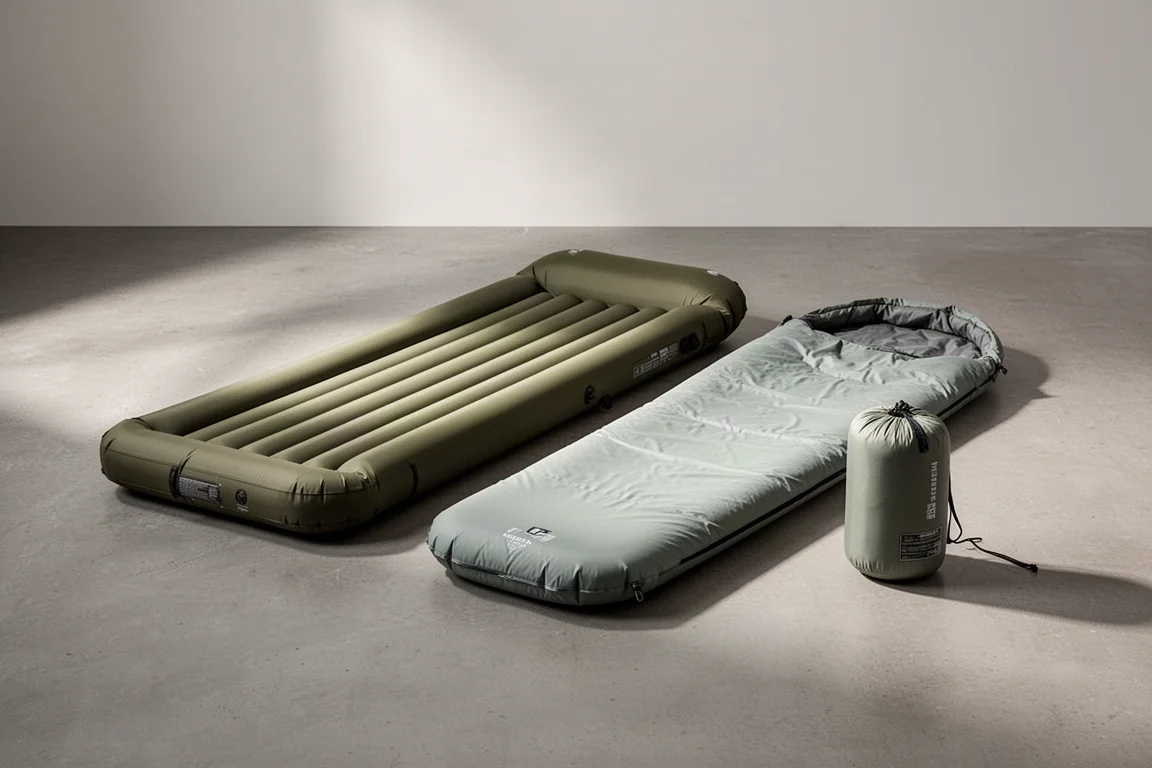
RAB has spent more than 40 years building adventure gear, and the brand’s story began with down sleeping bags. Sleeping pads are a newer addition to the line, and the range now covers a lot of ground, from mats that pack down to roughly the size of a drinks can to large, plush pads built for comfort.
There are three families in the line: Stratosphere, Ionosphere, and Ultrasphere. Each one is offered in two warmth ratings, which is where the numbers in the names come from. That naming can look confusing at first glance, but there is a clear logic behind it. This guide walks through what separates the six pads, where each one makes sense, and how to choose between them.
How to Read the RAB Sleeping Pad Range
The number attached to each pad name relates to its warmth rating, expressed as an R-value. R-value describes thermal regulation, meaning how well a pad stops heat from escaping into the ground. A cold floor pulls warmth out of a sleeping bag quickly, so a higher rating matters most on cold ground and in winter conditions.
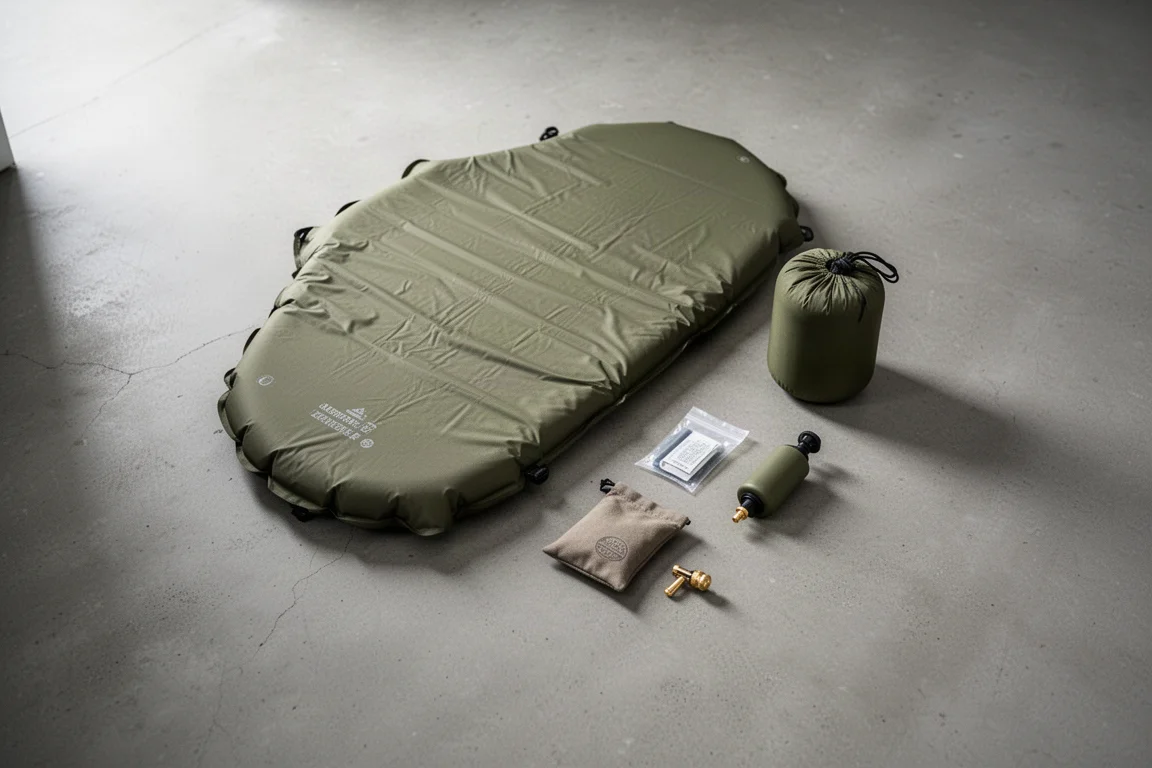
Several details are shared across the whole range. The face fabrics are recycled polyester, and the durable water repellent finish is fluorocarbon free, which helps shrug off a spilled drink or damp ground. Every pad inflates with a pump sack that connects to a two-stage valve: one setting for one-way inflation, and a second that opens for deflation. A repair kit is included with each pad, and the pump sack carries a small elephant design that has been kept in production.
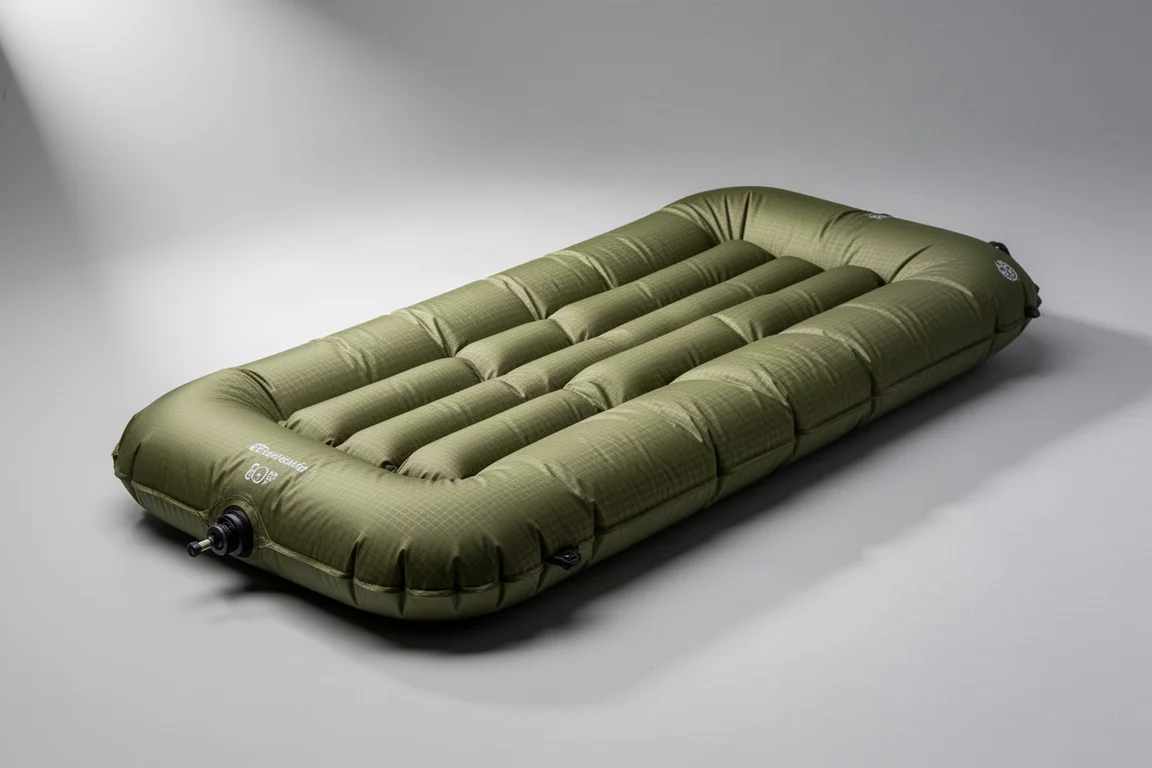
The pads also share 8 cm of cushioning, which is generous for mats that pack so small. The Stratosphere and Ionosphere pads use full-length chambers, with the outer chambers built slightly thicker than the middle ones. That shape cradles you inside the pad and reduces the chance of rolling off during the night. The Ultrasphere takes a different approach, with offset chambers that limit how much air can move around underneath you.
RAB Stratosphere 4: The Durable All-Rounder
The Stratosphere is the workhorse of the range. Its 75 denier recycled face fabric is the most durable of the group, which makes it the sensible choice when weight is not the top priority. It still packs small and remains reasonably light, though at 695 g it is heavier than the other pads here.
Warmth comes from 160 g/m² of Stratus insulation, a 100% recycled lofting fibre that behaves much like the synthetic fill in a jacket: it compresses down and then lofts back up to trap warmth. That is the key difference from a plain air mat, which offers cushioning but no insulation of its own. The R-value of 3.8 covers most of the year for many trips, though the middle of winter may call for more.
The regular size measures 183 cm long, 51 cm wide, and 8 cm deep, and the rectangular shape gives you room to move. A subtle pattern on the face fabric helps hold your sleeping bag in place. The pump sack, repair kit, and two-stage valve are all included in the pack.
RAB Stratosphere 5.5: More Warmth for Cold Nights
The Stratosphere 5.5 is the same design with more insulation inside. The R-value climbs to 5.5, which should cover most of the year and, for many campers, all four seasons in milder climates. On snow and ice, or in genuinely severe cold, a pad with more insulation may still be the better call.
Weight rises to 785 g, which is the trade-off for the extra warmth. For car camping it is an easy recommendation: a large, plush mat that takes up very little space in a vehicle. The rectangular shape stays the same, and since you are not counting every gram with this pad, the extra sleeping area makes sense.
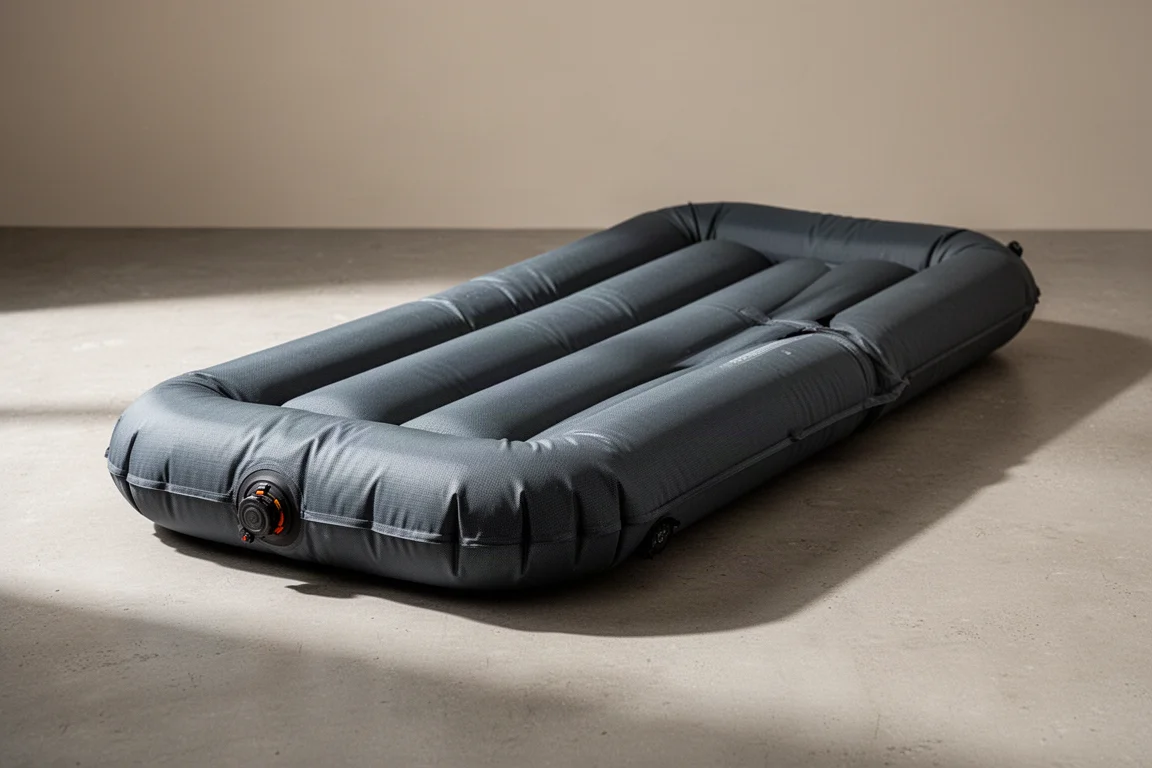
RAB Ionosphere 5: Lighter, Warmer, and Mummy Shaped
The Ionosphere is where the range gets impressive. Compared with the Stratosphere, the pack size and weight drop noticeably: the Ionosphere 5 weighs 550 g and still delivers an R-value of 4.8, which is warmer than the Stratosphere 4.
Two changes make that possible. The face fabric drops to 20 denier, saving weight, and the shape becomes a mummy cut rather than a rectangle, which trims material and helps the pad fit into smaller tents. The 8 cm cushioning depth is unchanged.
The bigger contributor is the TILT lining, short for Thermo Ionic Lining Technology. It works a little like a survival blanket: a thin reflective layer inside the pad bounces radiant heat back toward you and your sleeping bag, adding warmth for very little extra weight. If you are hard on your gear, the Stratosphere remains the tougher option, but the Ionosphere is the better match for anyone counting grams without giving up warmth.
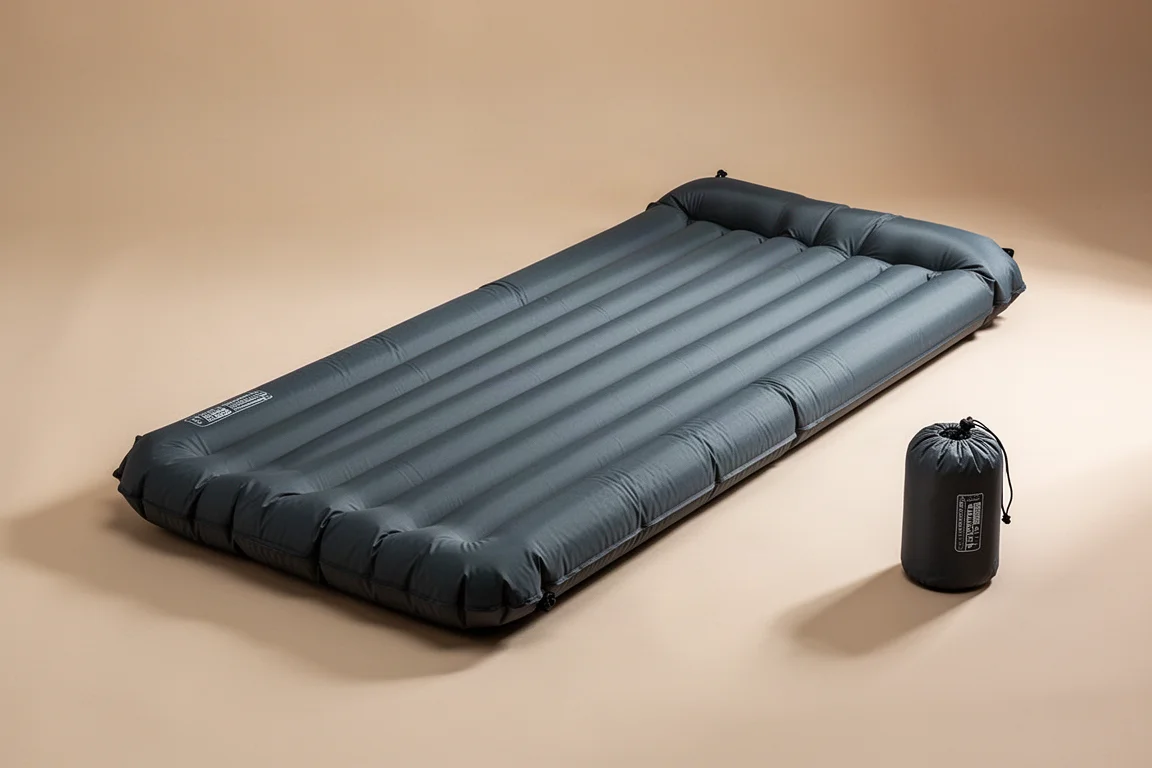
RAB Ionosphere 5.5: Rectangular Comfort With More Insulation
The Ionosphere 5.5 is the warmer, roomier version of the Ionosphere. Insulation increases to 200 g/m² of the same recycled Stratus fill, and the shape returns to a rectangle, which means more usable sleeping area and a more comfortable night for anyone who shifts position.
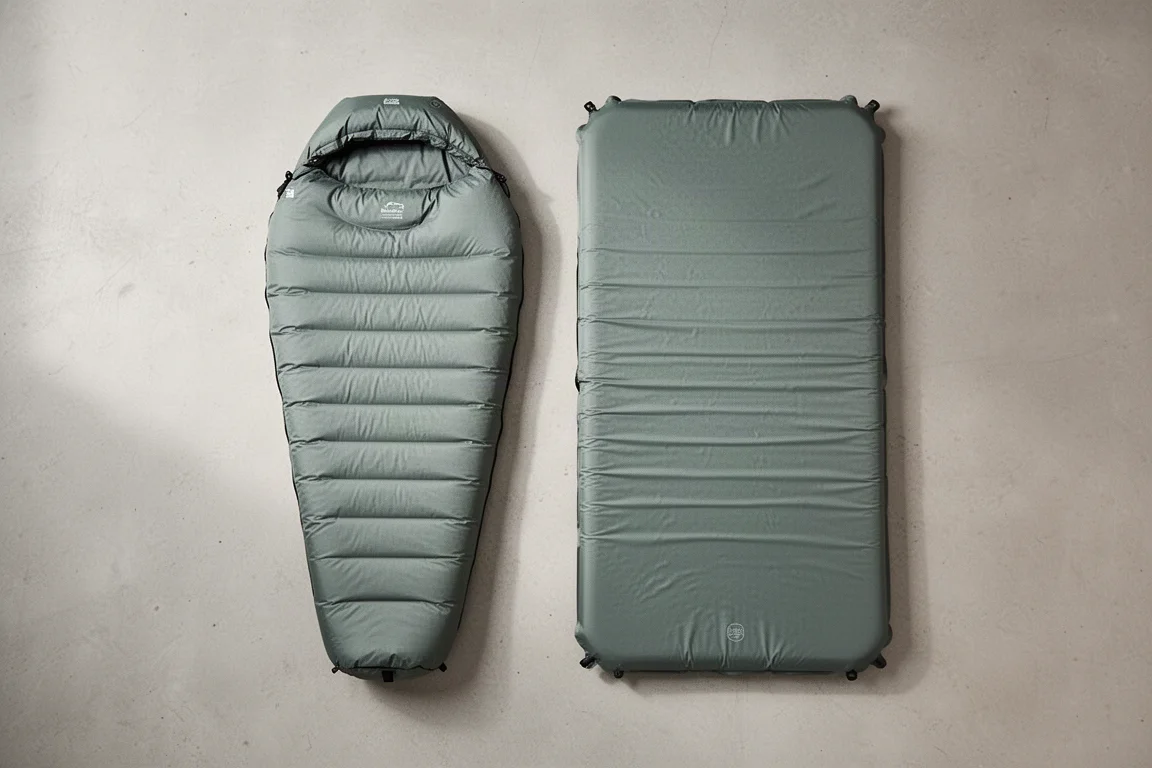
It keeps the lighter 20 denier face fabric, the textured surface that grips a sleeping bag, and the raised outer chambers that keep you centred on the pad. Laid next to the Ionosphere 5, the two are the same length, but the 5.5 is wider and roomier. That comfort costs weight, so the choice is straightforward: the mummy cut for packability, the rectangle for space.
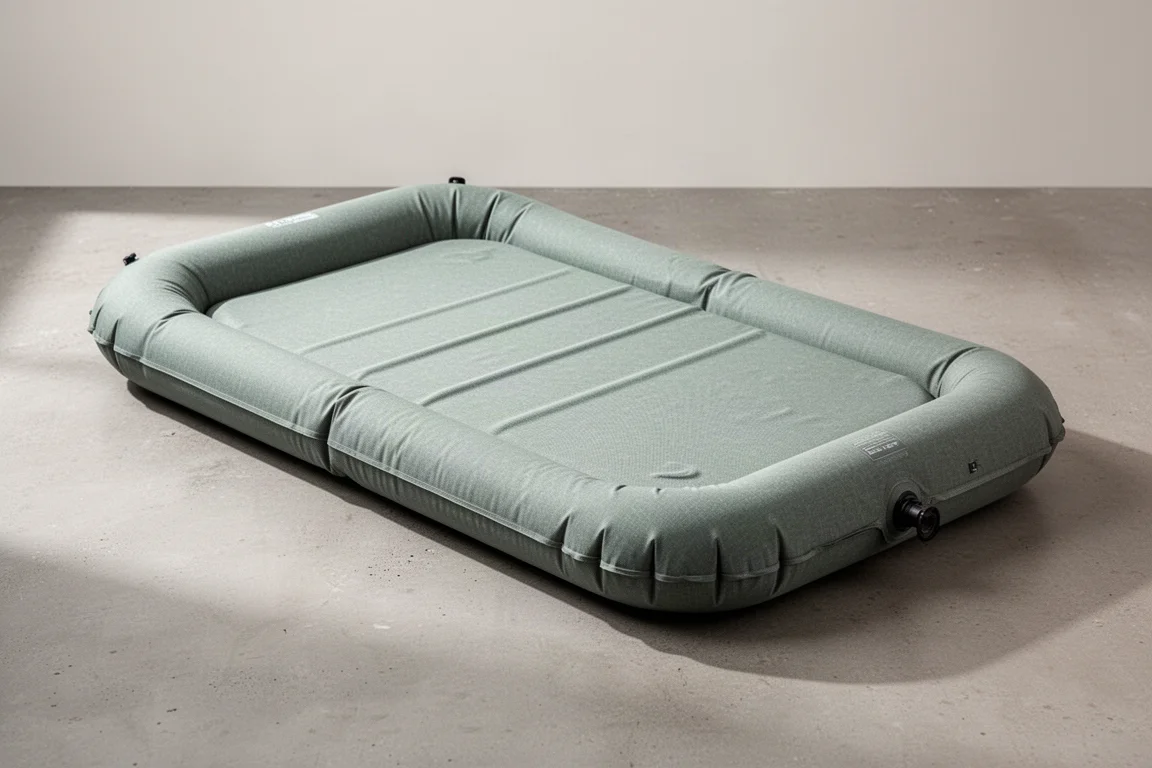
RAB Ultrasphere 1.5: Ultralight Summer Comfort
The Ultrasphere is the smallest and lightest branch of the range. The Ultrasphere 1.5 packs down to roughly the size of a drinks can, which is remarkable given that it still offers the same 8 cm of cushioning as the larger pads.
The chambers on this pad run horizontally rather than lengthwise, and they are offset rather than stacked in line. Offset chambers limit air movement inside the pad, and still air holds warmth far better than air that shifts around as you move. Even so, the 1.5 is the least insulating pad here, and it is best treated as a summer option.
For bikepacking or fast, lightweight trips in mild conditions it works well, and it pairs neatly with a classic closed-cell foam mat: the foam adds protection and thermal performance underneath, while the inflatable pad supplies the comfort.
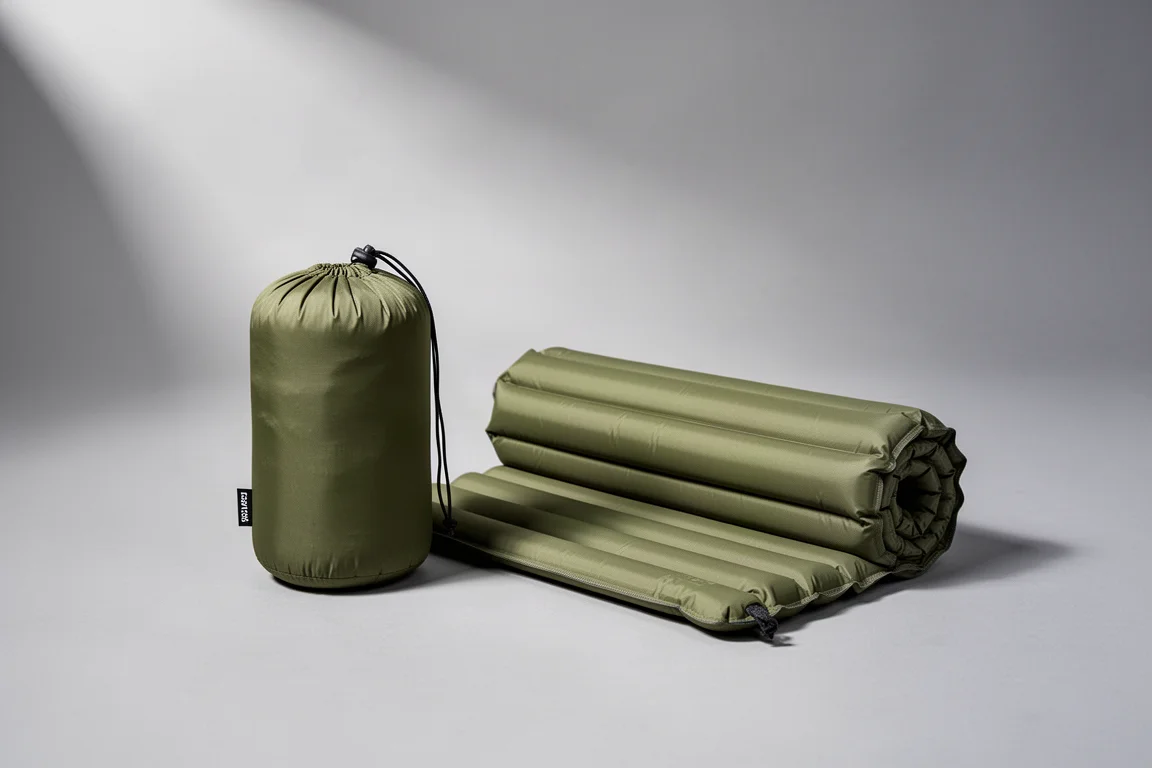
RAB Ultrasphere 4.5: Ultralight Warmth in a Tiny Package
The Ultrasphere 4.5 is the most compelling pad in the line. It weighs just 370 g, only slightly more than the 1.5, and packs down almost as small, yet it is dramatically warmer. The cushioning, thickness, and offset chamber layout are unchanged.
The difference is insulation. RAB has added two layers of TILT lining, so radiant heat is reflected back toward you while the offset chambers keep air movement to a minimum. That combination makes it a genuinely warm pad in a package small enough to disappear into a pack.
Two points are worth knowing before you buy. The reflective lining makes this pad slightly louder than mats without it, though it is far from distracting and not the kind of rustling that keeps anyone awake. Durability is the other consideration: like the rest of the Ultrasphere line, it is not built to take the same abuse as the burly Stratosphere.
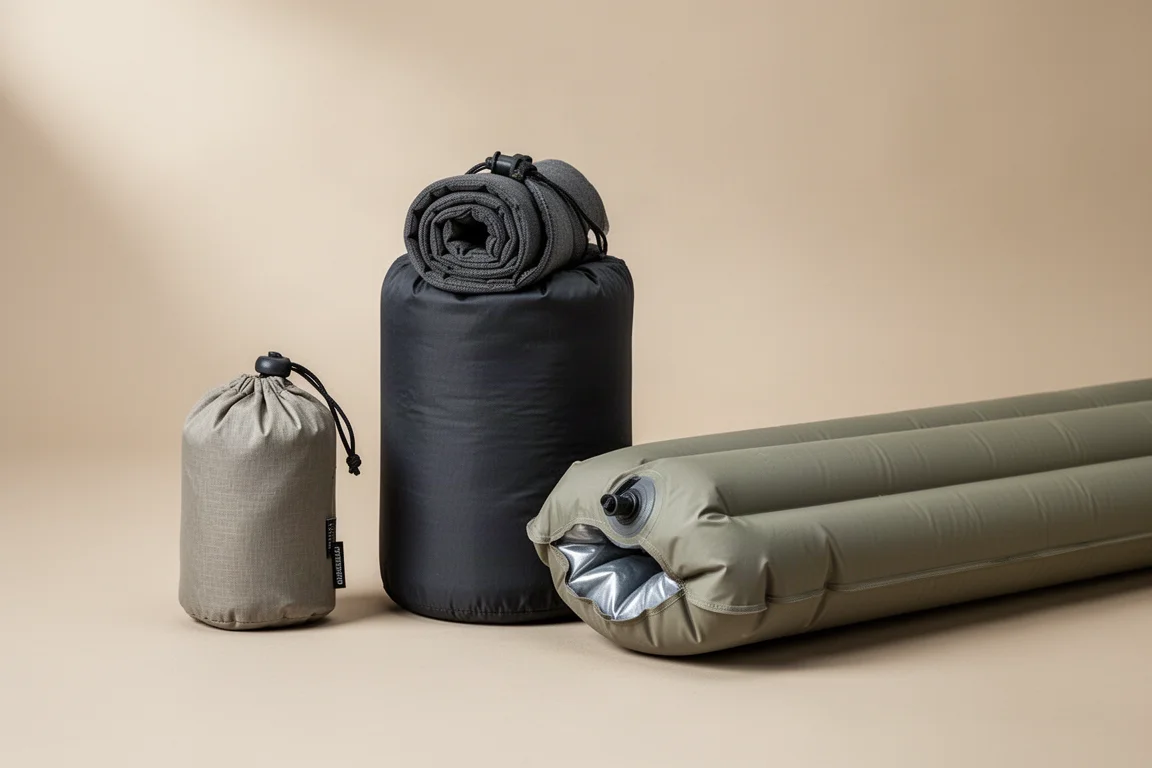
Buying Advice: Matching a Pad to Your Trip
Start with the conditions you actually sleep in. The Ultrasphere 1.5 is a summer and mild-weather pad, the Stratosphere 4 and Ionosphere 5 handle most of the year, and the Stratosphere 5.5 and Ionosphere 5.5 are the choices for cold nights. If snow and ice are on the plan, it is worth checking whether you want even more insulation than any of these provide.
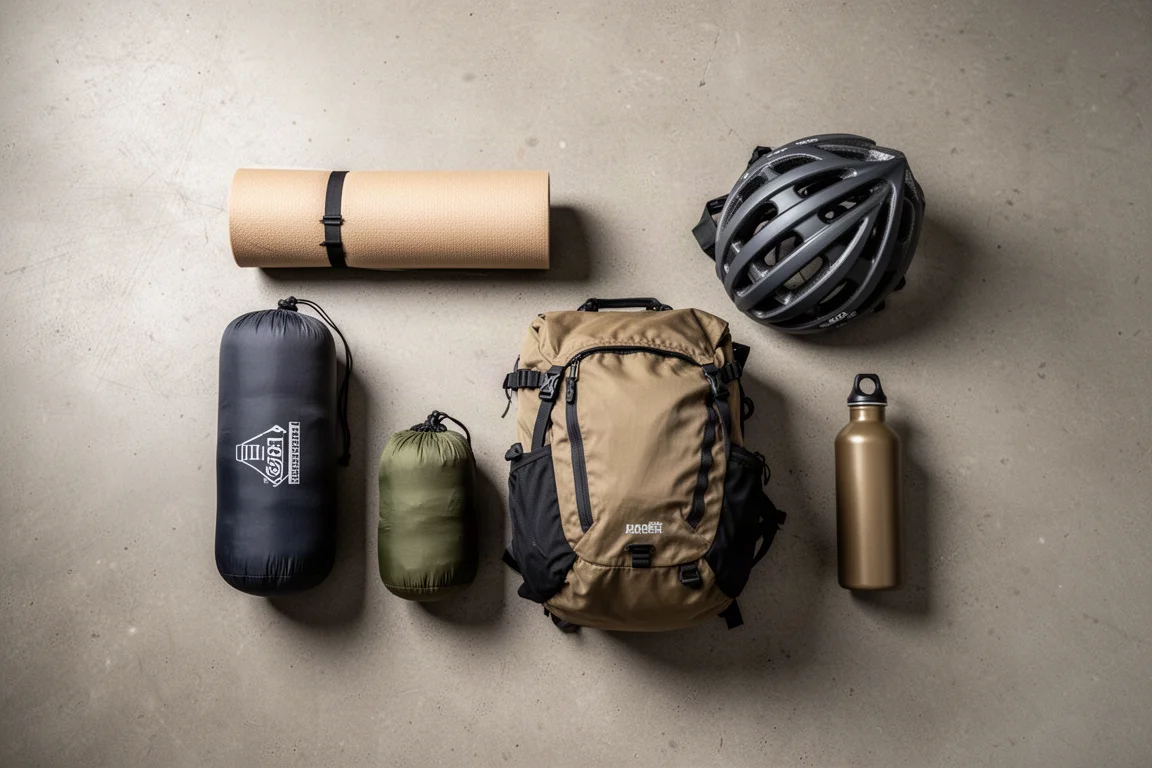
Then decide what matters more: durability or pack size. The 75 denier Stratosphere pads are the toughest and the heaviest. The 20 denier Ionosphere and Ultrasphere pads are much lighter and pack far smaller, and the Ultrasphere line in particular suits bikepacking, fast camping, or climbing trips where every gram counts. Shape is the last big decision: rectangular pads give more room, while mummy-cut pads save weight and fit smaller tents.
These pads are also designed to work as a system with other lightweight gear. Combined with a modular down sleeping bag and a frameless rucksack from the same range, a pad and sleeping bag together can come in at around 700 g, which makes genuinely light and fast trips practical. One small tip for comfort: inflate the pad fully, then release a little air through the first valve to soften it to your preference, using the second valve only when you want to deflate the pad completely. A small inflatable pillow is also available if you want extra head support.
Conclusion
The RAB sleeping pad range covers an unusually wide span, from a durable rectangular workhorse to an ultralight pad that packs to the size of a drinks can. Match the warmth rating to your seasons, choose durability or packability depending on how you travel, and the right pad becomes an easy decision. For most people heading out in mixed conditions, the Ionosphere 5 offers the best balance of weight, warmth, and packed size, while the Ultrasphere 4.5 is the standout for anyone who wants real warmth at minimal weight.
Further reading
Related Reviews
Camping Gear
3FUL Ultralight Ground Sheet Review: A Two-Person Footprint Worth Packing
A 6.7 oz two-person ground sheet in ripstop silnylon, priced around $30. Here is what it protects, what it does not do, and who should pack it.
Camping Gear
Backcountry Light Dual-Function Tarp and Floor Review: A Footprint First
A dual-purpose tent floor and tarp that keeps falling rain off you, but cannot block wind. Here is where it works and where it does not.
Camping Gear
Best 2-Person Camping Mattresses for Couples: 10 Options Compared
A practical comparison of ten two-person camping mattresses, covering self-inflating pads, air pads and air mattresses for couples.