Outdoor Jackets
Rab Latok Jackets Compared: Mountain, Alpine, or Extreme?
A practical comparison of the Rab Latok Mountain, Latok Alpine and Latok Extreme, three Gore-Tex Pro shells built for different kinds of days out.
Introduction
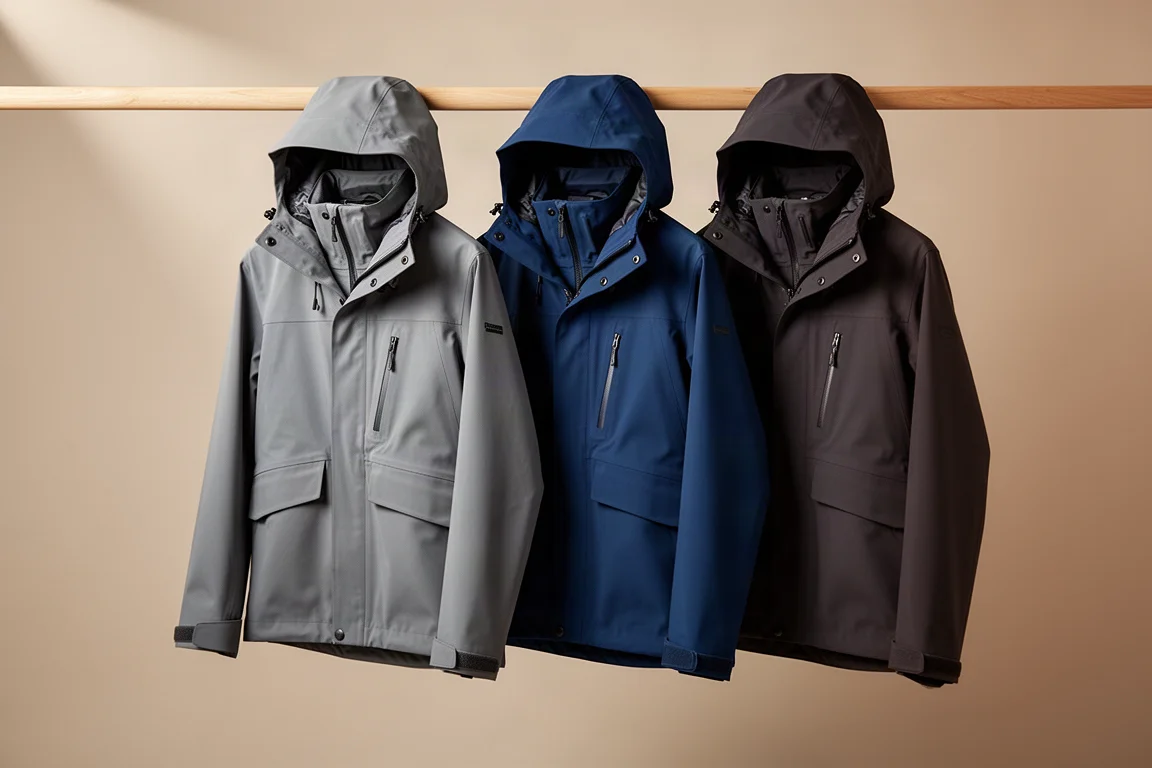
The Rab Latok jacket has been a staple for outdoor users for years, and the range now comes in three versions: the Latok Mountain, the Latok Alpine and the Latok Extreme. They look similar on the rail and they share the same waterproof technology, but each one is cut and equipped for a different kind of day. This comparison covers what stays the same across the range, what changes between the three, and how to work out which version is worth your money.
What All Three Rab Latok Jackets Share
Every jacket in the Latok range is built from Gore-Tex Pro, in the most breathable category of that fabric family. That means the highest level of waterproofing, the highest level of breathability and a very high level of durability, which is exactly what you want if you are working hard on the move and still need reliable protection from the weather.
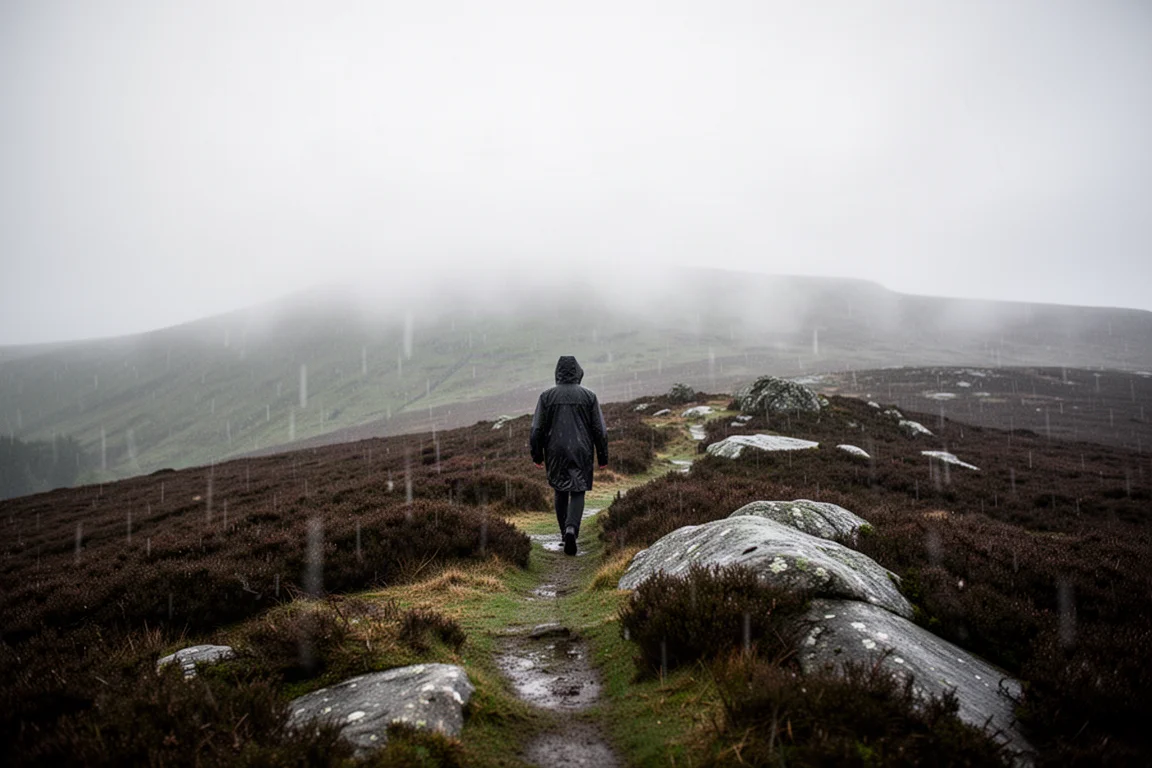
All three also share the same practical feature set: a two-way main zip, pit zips for venting on the climb, and a hood with a wired peak that holds its shape in wind and rain. The whole range is offered in a wide choice of colours in both men’s and women’s versions, so the decision is about fit, hood size and fabric weight rather than protection.
Rab Latok Mountain: The Versatile All-Rounder
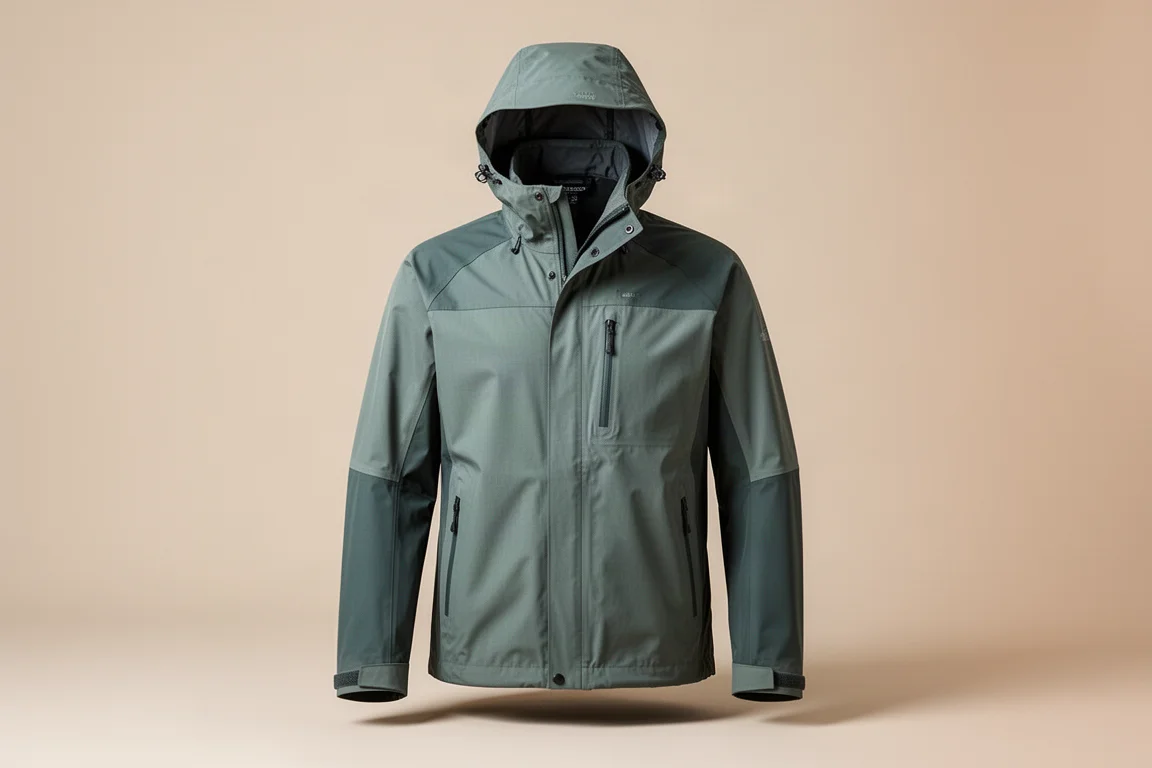
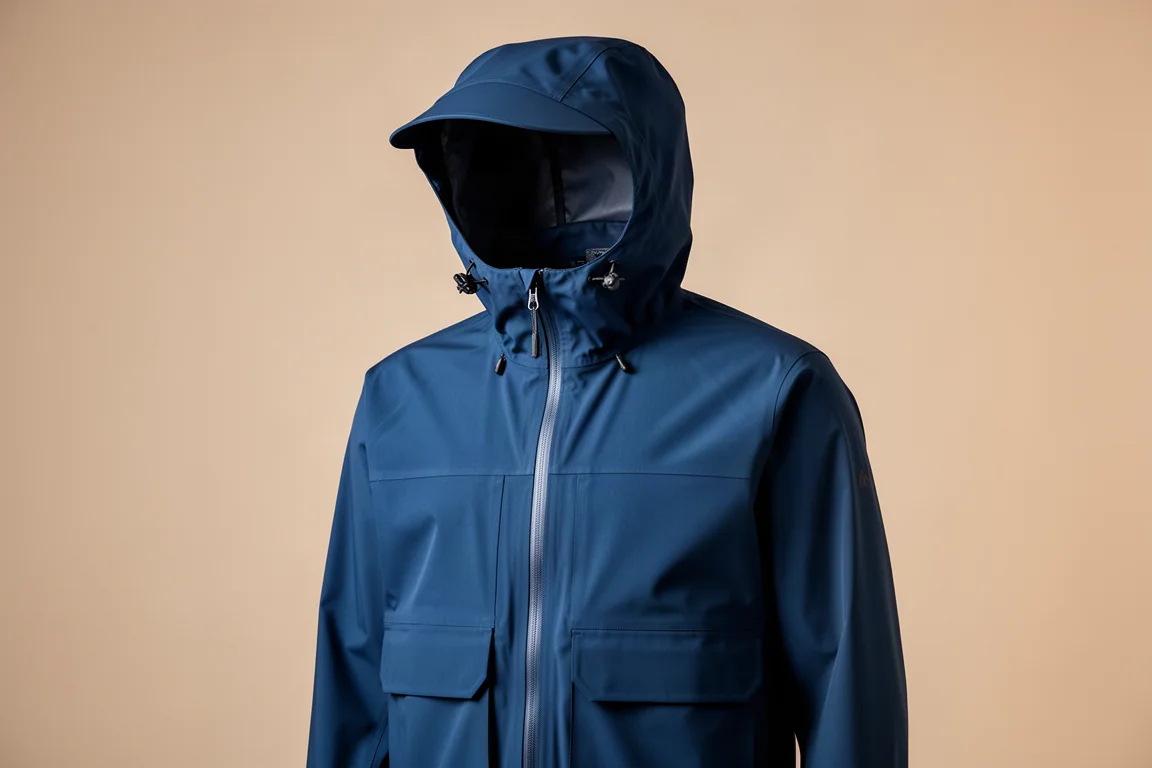
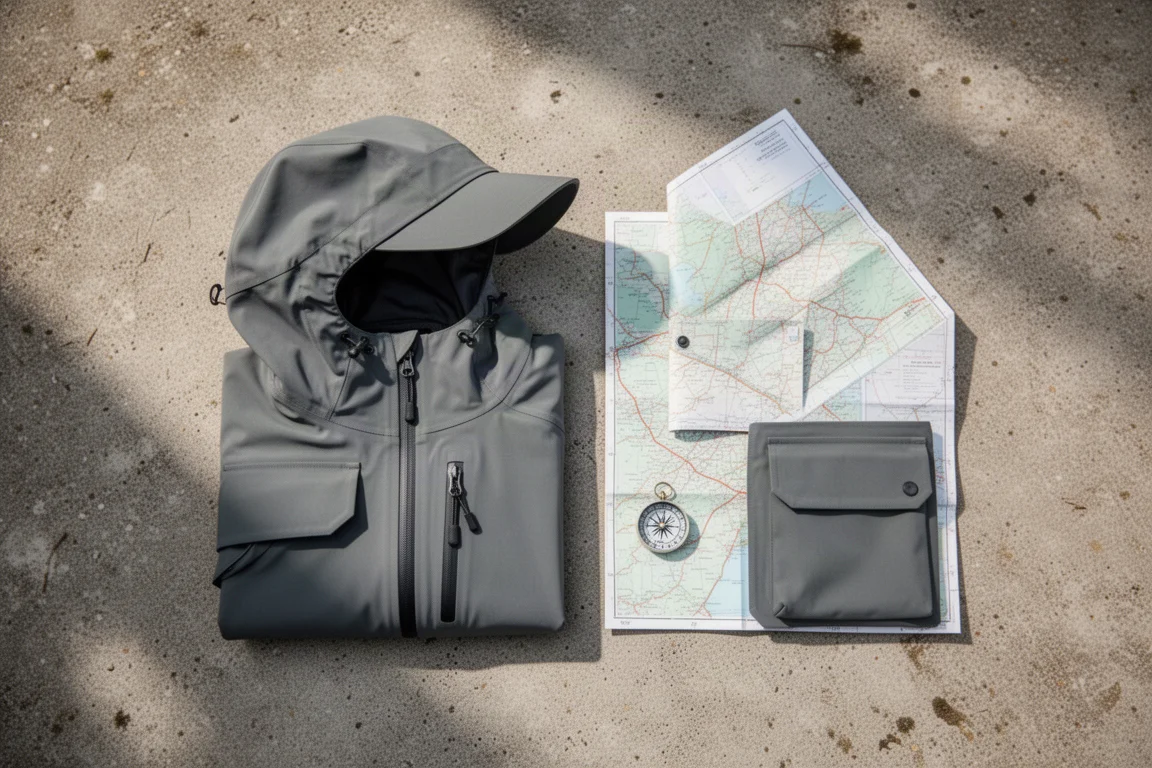
The Latok Mountain is the all-rounder of the three. It suits walkers, campers and anyone who occasionally climbs, scrambles or heads into the mountains without committing to a single discipline. It is a jack of all trades in the best sense: a chest pocket sized for a map, hand pockets for everyday use, pit zips, and a climbing-friendly cut that is still noticeably more relaxed and comfortable than the other two when you are not on technical ground.
The hood is the clearest difference. Rather than the large helmet-sized hood found on most mountaineering shells, the Mountain uses a smaller hood designed for an uncovered head. It still has three pull cords to cinch it down when the wind picks up, and it packs neatly into the collar with a Velcro tab so you can pull it out quickly when the weather turns. Fabric is split between 40 denier in the main body, which keeps weight down, movement easy and breathability high, and 80 denier across the shoulders and arms where a rucksack and the worst of the weather do their damage. There is also an internal pocket that works well for a phone.
Rab Latok Alpine: The Alpine Climbing Choice
The Latok Alpine is the stripped-back option, and the name tells you where it is aimed: alpine climbing in summer and winter. It removes the hand pockets entirely, on the basis that a climber wearing a harness and swinging axes has little use for them, and replaces them with two large Napoleon-style dump pockets at chest level that swallow thick gloves, guidebooks and maps.
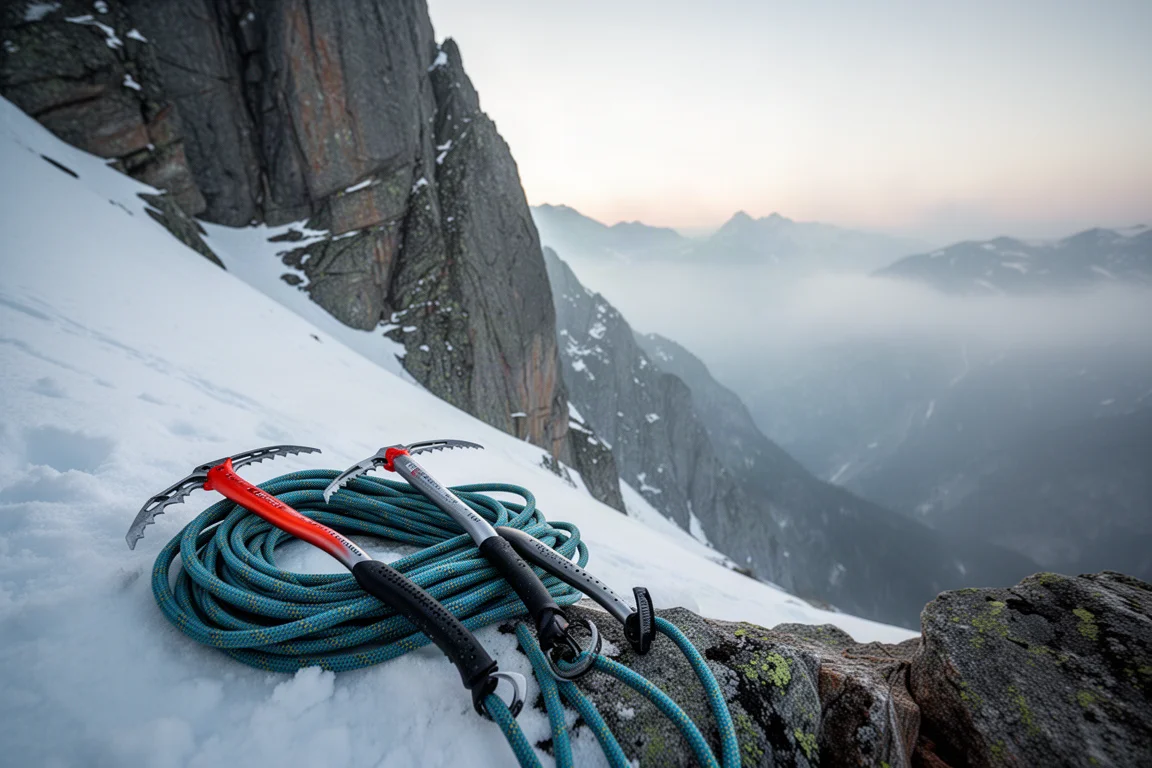
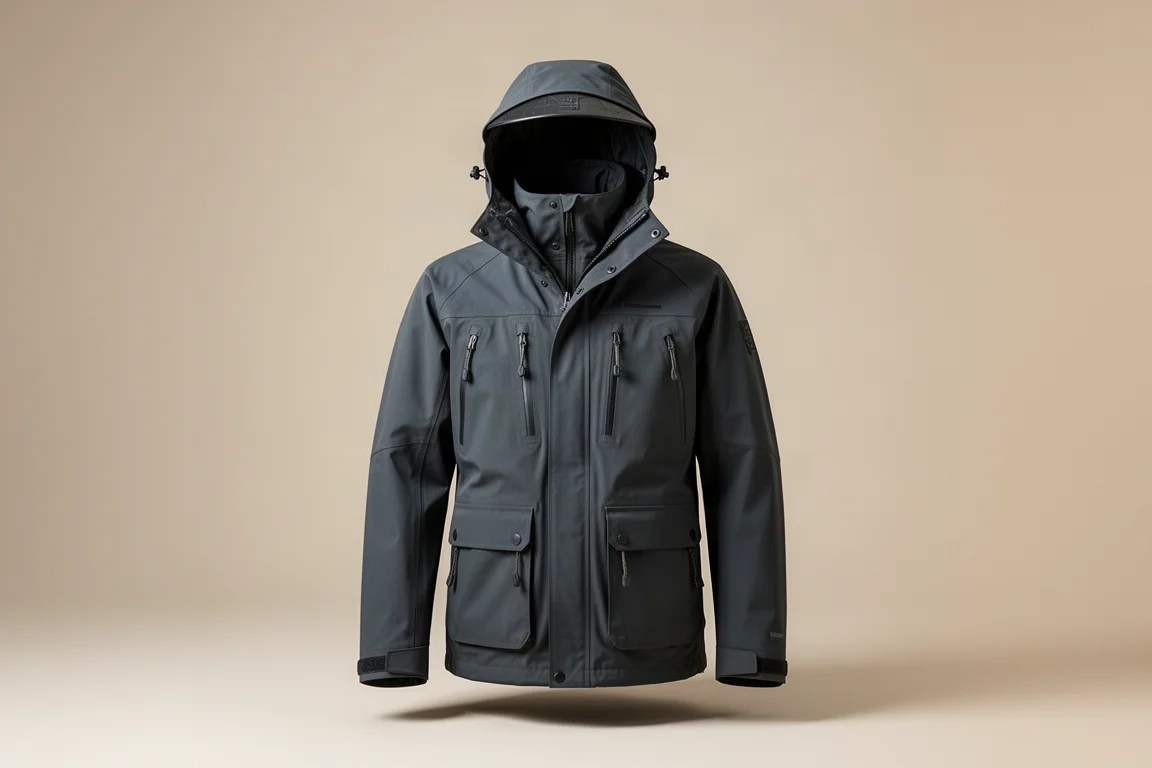
The hood is larger than the Mountain’s, so it easily fits over a climbing helmet, and it still pulls down neatly when you are not wearing one. Four pull cords let you tune the coverage, and the wired peak carries over from the rest of the range. Fabric is 40 denier throughout, which makes the jacket feel nimble, noticeably more breathable because there is less material to push vapour through, and the smallest and lightest of the three when packed. Inside there is a phone pocket and a dump pocket for spare gloves or a guidebook. It is the natural choice for Scottish winter climbing, icefall climbing, summer alpine routes and bigger winter alpine objectives.
Rab Latok Extreme: The Most Durable Jacket in the Range
The Latok Extreme is the chunkiest and most heavily featured of the three, and the one to pick if you want a shell that will take years of hard use. It is aimed at winter climbing, winter walking and anything where you are out in whatever the weather throws at you and want the jacket to last a long time.
It keeps the pit zips, the two-way zip and the large helmet-compatible hood with its full set of pull cords, then adds capacity: four front pockets and two more inside. The two chest pockets take maps and guidebooks, and the pull cords on them are larger so they are easy to grab with big gloves on. Hand pockets return for more casual walking days, and there is an internal phone pocket plus a large dump pocket for gloves, a water bottle or anything else you need to reach quickly. The climbing fit is unchanged, so you can raise your arms and wear a harness comfortably. The key upgrade is the fabric: 80 denier across the whole jacket, which is what makes it so burly and so well suited to chimneys, rough rock and constant use.
Fabric Weight, Hoods, and Pockets Compared
The three jackets are easiest to tell apart by three things: fabric weight, hood size and pocket layout. The Mountain splits 40 denier in the body with 80 denier reinforcements; the Alpine is 40 denier throughout for the lowest weight and smallest packed size; the Extreme is 80 denier all over for maximum durability.
Hoods follow the same logic. The Mountain has a smaller, non-helmet hood with three pull cords that stows into the collar. The Alpine and the Extreme both use a larger hood that fits a helmet, with four pull cords and the same wired peak. Pockets are the third differentiator: map and hand pockets on the Mountain, two large chest dump pockets on the Alpine, and four front pockets plus two internal pockets on the Extreme.
How the Three Jackets Compare in Practice
If you want one jacket for walking, camping and the occasional scramble, the Mountain covers the widest range of uses with the least compromise in everyday comfort. If your days are spent on technical alpine ground and you want the lightest, most packable shell of the three, the Alpine is the specialist. If durability and pocket capacity matter more to you than weight and packed size, the Extreme is the one that will keep going longest.
Buying Advice: Choosing Your Latok Jacket
Start with the conditions you actually go out in. If your waterproof spends most of its life on footpaths, campsites and the occasional ridge, the Latok Mountain’s relaxed cut, smaller hood and mixed fabric weight make it the most comfortable of the three for general use. If you climb and want the lightest possible shell in the pack, the Latok Alpine strips away everything you would not use while wearing a harness. If you are hard on your kit, climb in winter conditions or simply want the most pockets and the toughest fabric, the Latok Extreme justifies its extra bulk.

Whichever you choose, all three share the same Gore-Tex Pro construction, the same two-way zip and pit zips, and the same wired-peak hood design, so the decision comes down to fit, hood size and how much durability you need rather than the level of protection. Trying them on is the surest way to settle the choice, and all three come in a range of colours in men’s and women’s versions.
Conclusion
The Latok range does not ask you to trade protection for specialisation. The Mountain is the all-rounder, the Alpine is the light and packable climbing shell, and the Extreme is the durable, feature-heavy option for the hardest use. Match the jacket to the days you actually have planned and any of the three will serve you well.
Further reading
Related Reviews
Outdoor Jackets
Arc'teryx Alpha Jacket Review: A Lightweight Gore-Tex Shell Built for Climbing
A detailed look at the Arc'teryx Alpha Jacket, a lightweight Gore-Tex mountaineering shell with rugged shoulders, a Hadron body, and a deliberately simple feature set.
Outdoor Jackets
Arc'teryx Atom LT Review: A Versatile Synthetic Midlayer for Cold Weather
A detailed look at the Arc'teryx Atom LT, a lightweight synthetic midlayer built for active cold-weather use, with its strengths, trade-offs, and who it suits best.
Outdoor Jackets
Haglöfs L.I.M Mimic Barrier Hood Review: Light, Breathable, Built to Move
A close look at the Haglöfs L.I.M Mimic Barrier Hood, a 282 g windproof and breathable synthetic layer that works alone in mild weather and as part of a winter system.