Waterproof Jackets
Rab Latok GTX Review: A Full-On Shell for the Harshest Weather
Rab's top-tier climbing jacket gets a new ePE Gore-Tex Pro build, a long climbing cut and a hood that swallows a helmet. Here is what to weigh before you buy.
Introduction
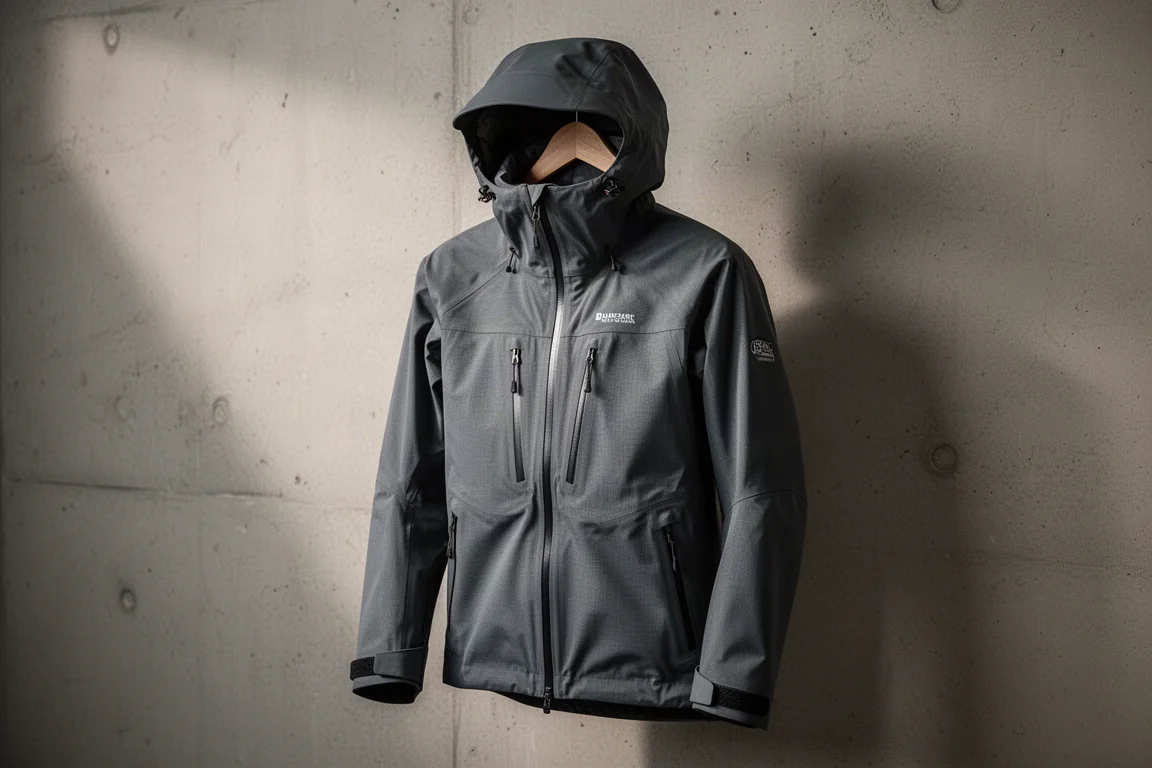
Rab has been building gear for harsh environments for a long time, and the Latok name sits at the climbing end of the range. The line includes the Latok Alpine and the Latok Mountain, all built around top-end Gore-Tex, and the Latok GTX is the most protective jacket of the group. It replaces the Latok Extreme from the previous season and takes the top slot among Rab’s climbing shells.
The design brief behind it is straightforward. It is intended to be a place to hide on a genuinely stormy day, fully featured, while still cut well enough for technical climbing.
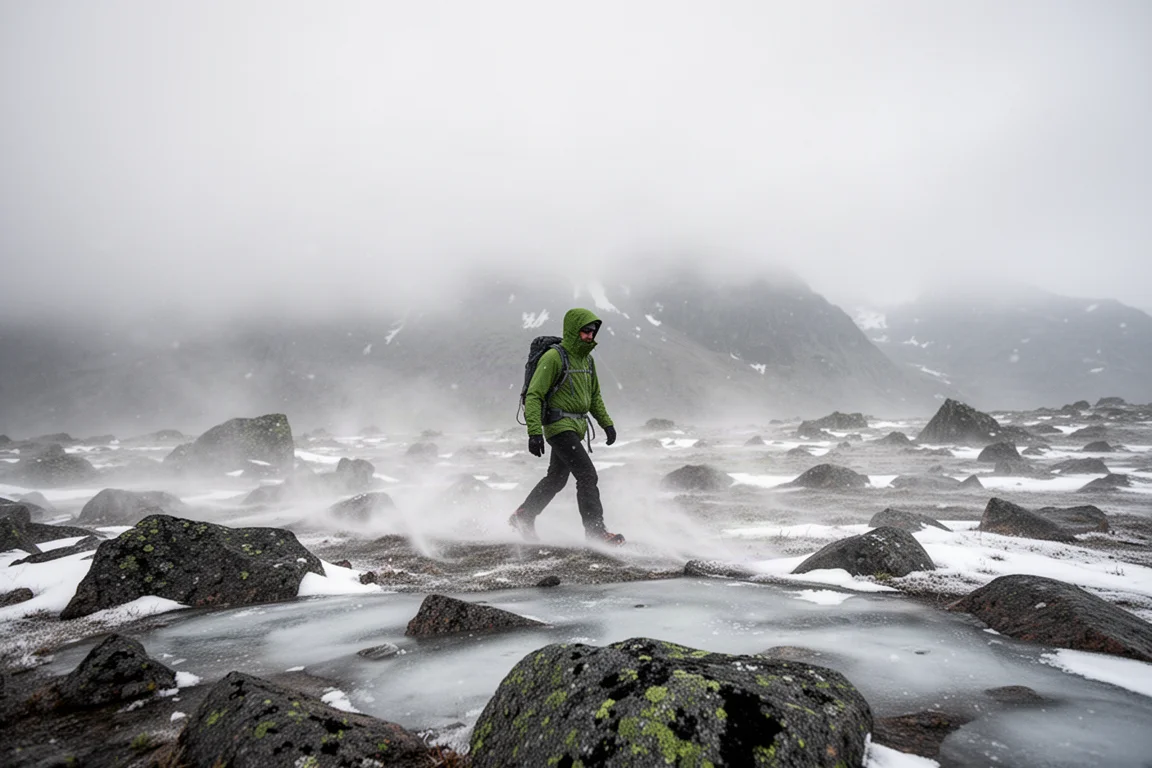
That combination is what makes the jacket interesting. Plenty of shells are either burly and restrictive or light and fragile. This one aims for the middle, with a robust build that still moves well on mixed and ice routes.
Who This Jacket Is For
The development work behind the Latok range is closely tied to outdoor instructors based in the Cairngorms in Scotland, and it shows. A winter day on the Cairngorms plateau can be a serious place to be, and what those users need from a jacket is complete security rather than minimum weight.
You do not have to be climbing in the Himalayas to benefit. Anyone who is enthusiastic about being outdoors in genuinely bad weather, whether in Scotland, England or the Alps, gets the most protection available from this kind of shell. A wet day walking in the Peak District counts too.
The flip side is that this is more jacket than a casual town wearer needs. It is built around alpine weather and technical movement.
Materials and Weather Protection
The whole Latok range uses the latest ePE Gore-Tex Pro. The membrane is expanded polyethylene and is PFAS free, which means no fluorocarbon chemistry moving through the supply chain and into the environment.
Performance has not been traded away for that change. Gore has kept its highest level of waterproofing, with a minimum 28,000 mm hydrostatic head, which is a 28 metre column of water. The membrane is also thinner and more pliable than the previous Gore Pro, and that is a meaningful shift. Older versions felt crunchy and had to be cut perfectly, because any restriction in the pattern was obvious in use. This one feels softer and freer to move in, and pleasant to wear even when it is not pouring.
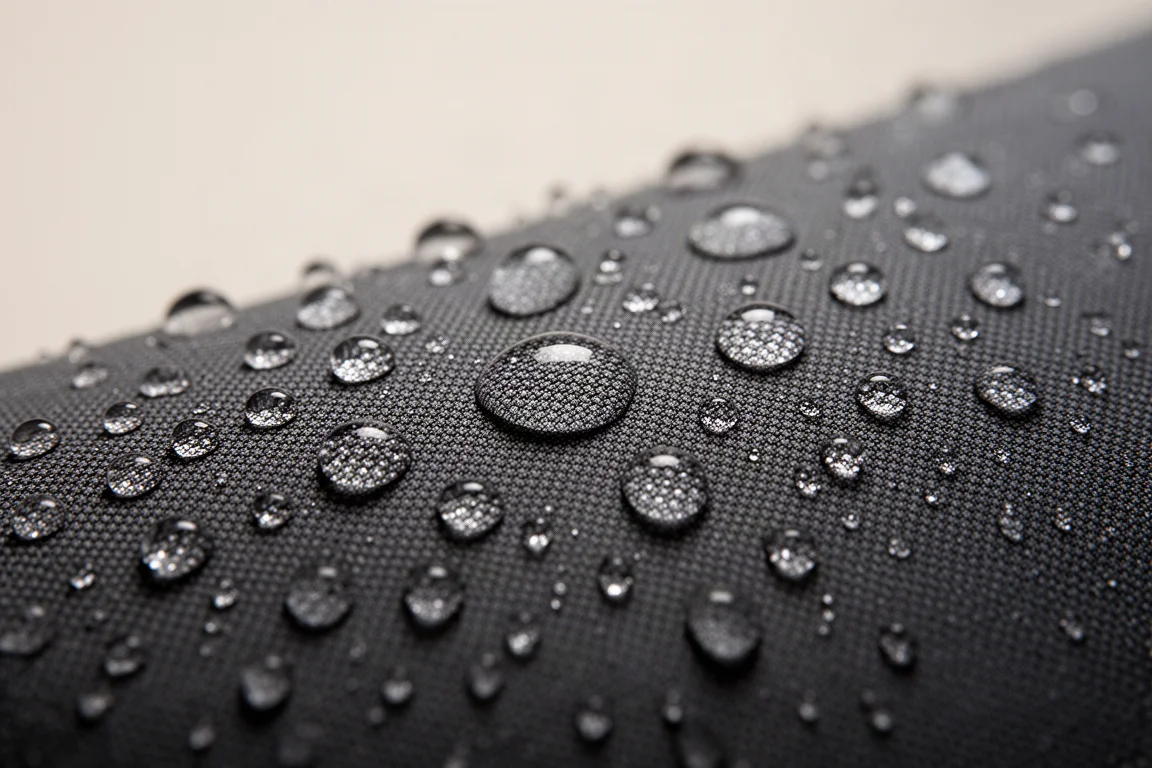
The face fabric stays at a burly 80 denier, which is what makes the jacket comfortable with scratching around in chimneys on mixed routes and pushing through harsh bracken on the approach.
One trade-off comes with the new chemistry. Water repellency will wear off a little faster than on older jackets, so regular washing and reproofing becomes part of owning it. Heat is what restores the beading: the molecules involved in repellency stand on end when warmed, and over time they collapse. A tumble dry now and again revives them. Treated that way, a shell like this is likely to perform at its best for longer than a neglected one, because the grime, sweat and grease never get the chance to build up past the point of rescue.
Fit, Cut and Storage
The cut is one of the strongest arguments for the Latok GTX. It has real length, fully covering the seat, which answers a common complaint about jackets getting shorter and shorter. The front is still short enough that you can get your legs up high on a climb, but there is enough material at the back to stay covered.
There is room to move as well. At 6’4 and over 90 kilos, a large leaves space for winter layers without feeling oversized, and the jacket still feels nimble rather than bulky. The overall pattern is a proper climbing cut, suited to ice and mixed terrain.
Storage is generous without feeling fussy. Two large chest pockets sit clear of a harness or a rucksack and are easy to reach with either on, and they will swallow maps, gloves and hats. Less common on climbing jackets, this one also has hand pockets. They are there when you want them and stay out of the way when you do not, which matters for people working outdoors who are constantly passing snacks and kit around. Inside there are two mesh pockets: one zipped for valuables, and one open dump pocket that is ideal for gloves or a hat.
Hood, Zips and Details
The hood is excellent. It is very large and swallows a helmet, and it has a substantial peak visor. Adjustment is well thought out: one cord hugs the head for a secure fit without a helmet or with a small one, two front pull cords snug it around the face, and a small tab at the back of the neck pulls the front toggles out of the way so they do not flap against your face. The result works well with or without a helmet.
The collar gives plenty of protection for long, cold belays and includes a chin guard to stop rubbing. Velcro cuff tabs lie flat so gloves can be worn over them, and they are spacious enough to pull gloves inside instead. The main front zip is reassuringly chunky and easy to use with gloves: a two-way YKK Vislon AquaGuard for maximum security, with the two-way design adding freedom of movement or letting you wear the jacket over a harness while belaying. The remaining zips, at the pockets and under the arms, use a softer and more flexible style that keeps movement free.
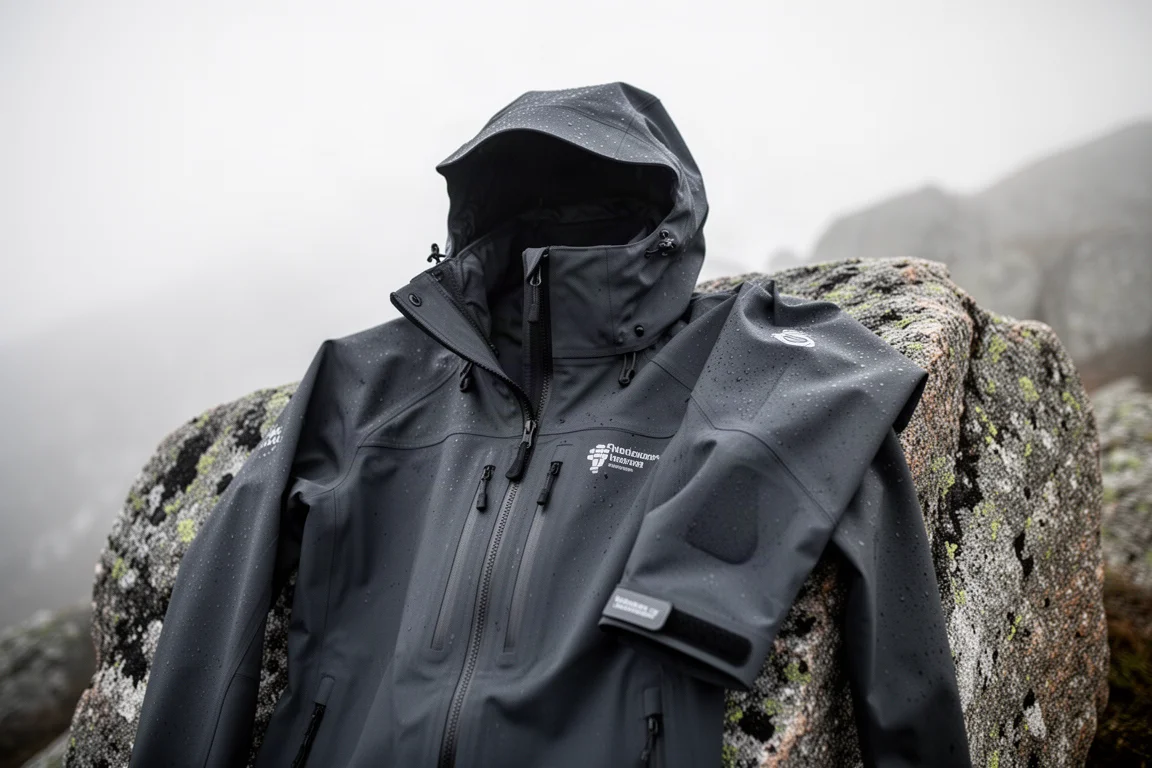
Ventilation comes from large underarm pit zips with two-way sliders, which is what you want when you are walking uphill in pouring rain and need to dump heat fast. There is also a Recco reflector to aid search and rescue in remote mountain environments.
For a jacket built this heavily, the weight is reasonable at 496 g. It is not a superlight shell, and it is not absurdly heavy either, which keeps it viable for a wide range of users rather than a narrow group of specialists.
Things to Consider Before Buying
The new ePE membrane asks for a bit more housekeeping. Water repellency drops off faster than on older Gore Pro shells, so you will need to wash, reproof and heat the jacket more regularly than you may be used to. That is not optional if you want the beading to keep working.
Weight is the second point. At 496 g it sits firmly in the protective category rather than the fast-and-light one. If your priority is the lowest possible pack weight, there are lighter options, though they will not offer the same level of durability and weather protection.
Finally, this is a specialised piece. It is designed around the harshest conditions, so buyers who mostly need a light shell for mild, short outings may be paying for capability they will not use.
Buying Advice
If you want the most protection you can get from a shell, this is a sensible place to land. The 80 denier face fabric, the 28,000 mm minimum hydrostatic head and the helmet-compatible hood all point to a jacket built for sustained bad weather rather than occasional drizzle.
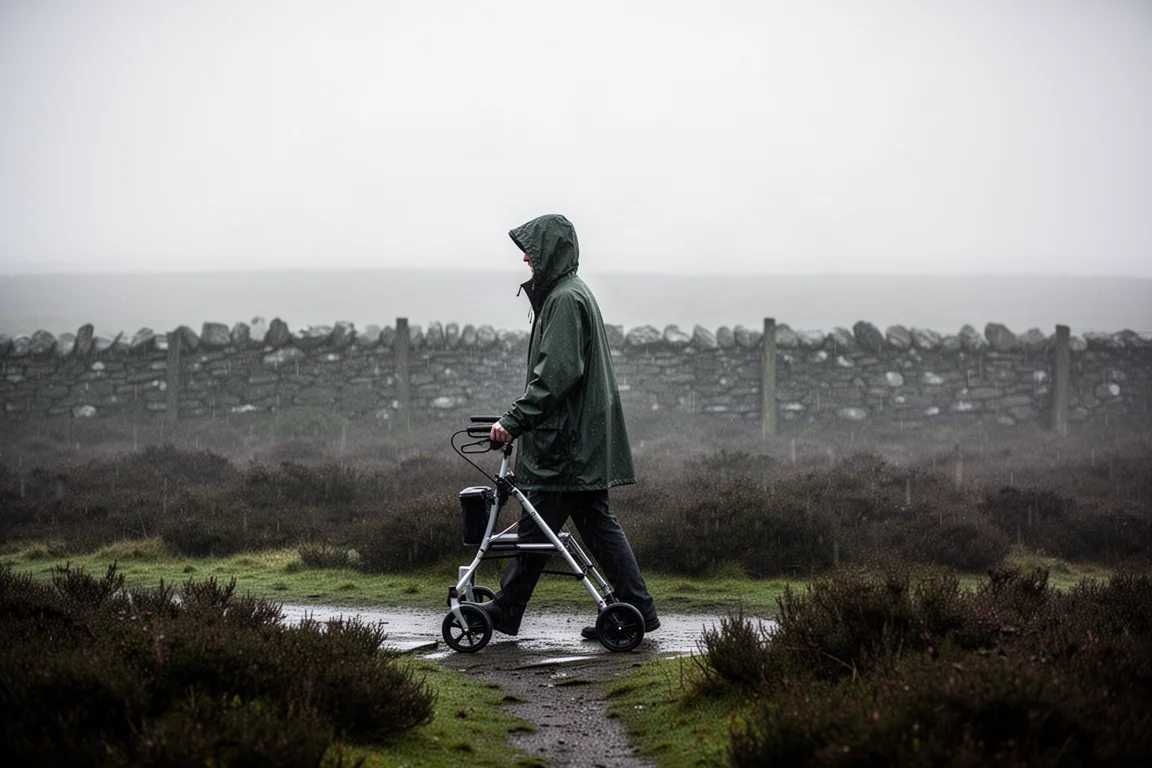
Buy it if you ride out winters on open hills, climb in mixed or ice conditions, or spend long days on belays where the collar and hood do real work. Size with winter layering in mind, since the pattern already leaves room to move, and plan on a regular wash and reproof routine from day one. If you mostly need something light for short walks in mild weather, a simpler shell will serve you better.
Conclusion
The Rab Latok GTX is a full-on piece of kit. It carries the latest PFAS-free ePE Gore-Tex Pro membrane, keeps the highest waterproofing rating Gore offers, and pairs it with a durable 80 denier face fabric, a long climbing cut, useful pocketing and one of the better hoods in this class. It replaces the Latok Extreme as the top of Rab’s climbing range, and the changes make it easier to live with than the crunchy Gore Pro shells it follows. Care for it properly and it will keep performing through the worst weather you are willing to go out in.
Product link
View more details for Rab Latok GTX
This product is mentioned in the review. Check the specifications, options, and compatibility before buying.
View more details for Rab Latok GTXFurther reading
Related Reviews
Waterproof Jackets
Montane Phase Nano Jacket Review: Ultralight Gore-Tex Active Protection for Fast Days Out
A 250 g three-layer Gore-Tex Active shell that packs down small, breathes exceptionally well, and works far beyond running.
Waterproof Jackets
Mountain Equipment Orion Review: A PFAS-Free Shell Built for Hard Winter Climbing
A burly, PFAS-free winter climbing jacket with a Dryite XT membrane, a 20,000mm hydrostatic head and a climbing-specific pocket layout.
Waterproof Jackets
Rab Firewall Mountain Review: A Versatile Waterproof Mountain Jacket
A three-layer Pertex Shield shell that pairs strong weather protection with a soft, quiet feel and a price well below top-tier Gore-Tex jackets.