Waterproof Jackets
Montane Phase Nano Jacket Review: Ultralight Gore-Tex Active Protection for Fast Days Out
A 250 g three-layer Gore-Tex Active shell that packs down small, breathes exceptionally well, and works far beyond running.
Introduction
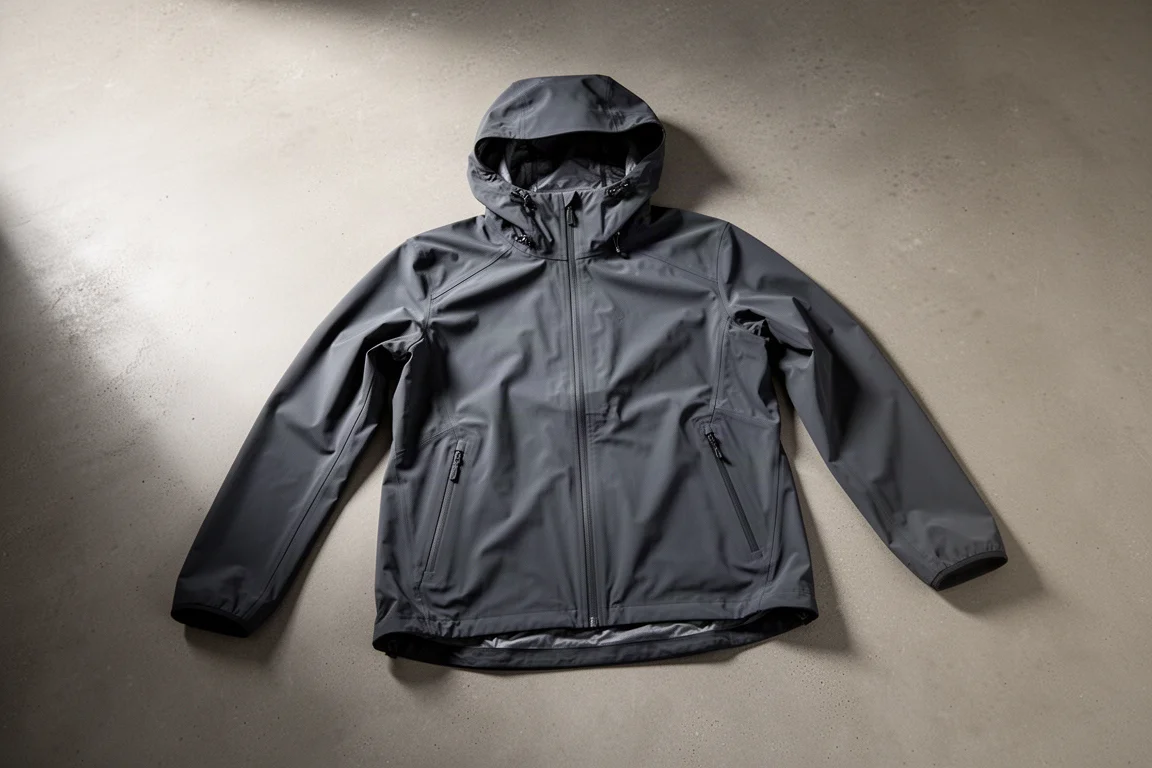
Waterproof jackets built for fast movement usually force a compromise. The lightest taped-seam options tick the box for a race kit list, but they often feel sticky and clammy once you start working hard, and they are rarely durable. Heavier shells are far nicer to wear but weigh down a pack. The Montane Phase Nano Jacket is built to avoid that trade-off, pairing a three-layer Gore-Tex Active construction with a very low weight and a genuinely small packed size.

Montane has a long history in running and mountain gear, and the Phase Nano sits at the fast and light end of that range. It is an award-winning shell that was named best running waterproof in Trail Magazine’s 2023 awards, and it has earned strong praise from hill runners who spend long days in wet weather. Despite the running focus, it works just as well as a walking jacket for anyone who wants reliable protection without the bulk.
Who This Product Is For
The Phase Nano is aimed at people who move quickly in the hills: fell runners, trail runners, fast hikers and anyone who needs a waterproof that disappears into a small pack until the weather turns. Because it has hand pockets, a proper hood and a full three-layer build, it also suits everyday walking in changeable conditions.
It is not designed for heavy loads. If you regularly carry a big rucksack, a burlier shell will hold up better over time.
Why the Gore-Tex Active Membrane Matters
Most lightweight running waterproofs cost less because they use a different membrane. That usually means a softer or lighter feel, but it also generally means less waterproofing and less breathability. The Phase Nano uses Gore-Tex Active, the most breathable membrane that Gore-Tex makes.
The numbers support that. Gore-Tex Active carries a RET rating below three, which places it among the most breathable membranes available, and the jacket still achieves a 28,000 mm hydrostatic head. In practice that means you get about as much weather protection as you can find, without giving up airflow.
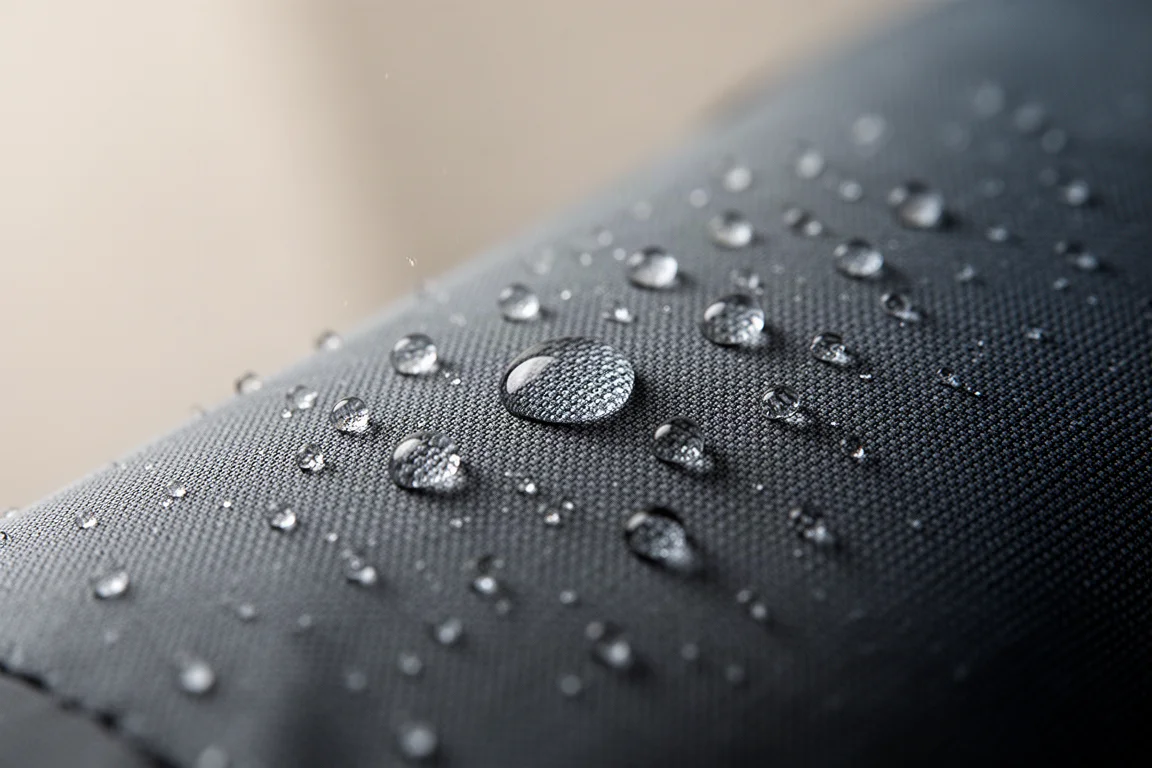
The trade-off is durability. Gore-Tex Active is not as tough as the heavier Performance or Pro membranes, which are always weightier, stiffer and less breathable. For a fast-moving, lightweight jacket, that is the right compromise to make.
Fit and Features
The feature set is deliberately simple. There are hand pockets, bungee cuffs with no Velcro so they slide on easily over thin running gloves, and sleeves that extend slightly past the wrist to cover the gap on cold, damp days.
The hood is straightforward but effective: three pull cords let you cinch it down tight, and a wired peak holds its shape in driving rain and strong wind. The backer fabric feels very light against the skin and stays comfortable even when worn directly over a base layer, which is not something every ultralight shell manages.
Packability and Everyday Comfort
Weight sits at 250 g for the men’s version and 220 g for the women’s, which is remarkable for a three-layer Gore-Tex jacket with pockets and a hood. The 13 denier face fabric is what makes that possible. It is not as hard wearing as the 80 denier fabrics used on mountaineering shells, but it keeps the jacket incredibly light.
The cut is short at the front so you can lift your legs high when moving fast, and it drops lower at the back to cover you. Hem pull cords let you seal in warmth when you need it. When you do take it off, it rolls up small enough to push into a bum bag, so there is little reason to leave it behind.
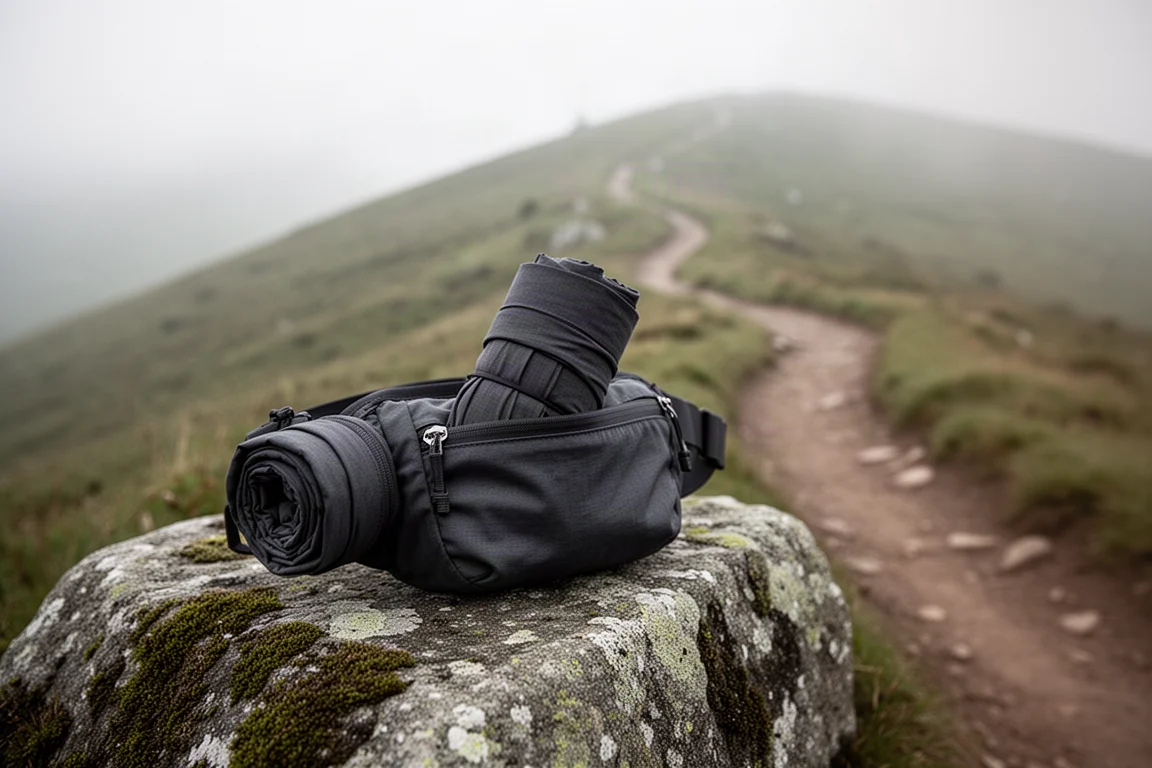
Comfort is the part that changes how you use it. Because the jacket breathes so well, you are far more likely to leave it on through a shower instead of stopping to strip it off the moment the rain eases. That single difference matters more than a few grams on a spec sheet.
Things to Consider Before Buying
Durability is the main one. The 13 denier face fabric is chosen for weight and packability rather than abrasion resistance. If you plan to wear this regularly under a heavy rucksack, a more burly shell is the better choice.
Sizing also deserves attention. The sample worn here was an extra large, even though a large is the usual fit, so it is worth checking measurements carefully rather than ordering your standard size. And while the Phase Nano is marketed around running, it does not have to be a running jacket at all.
Buying Advice
Buy the Phase Nano if you want one waterproof that covers a lot of ground: light enough for a race kit list, breathable enough to keep on all day, and simple enough to live with. The Gore-Tex Active membrane is the core of that argument, and the 28,000 mm hydrostatic head means you are not giving up protection to get it.
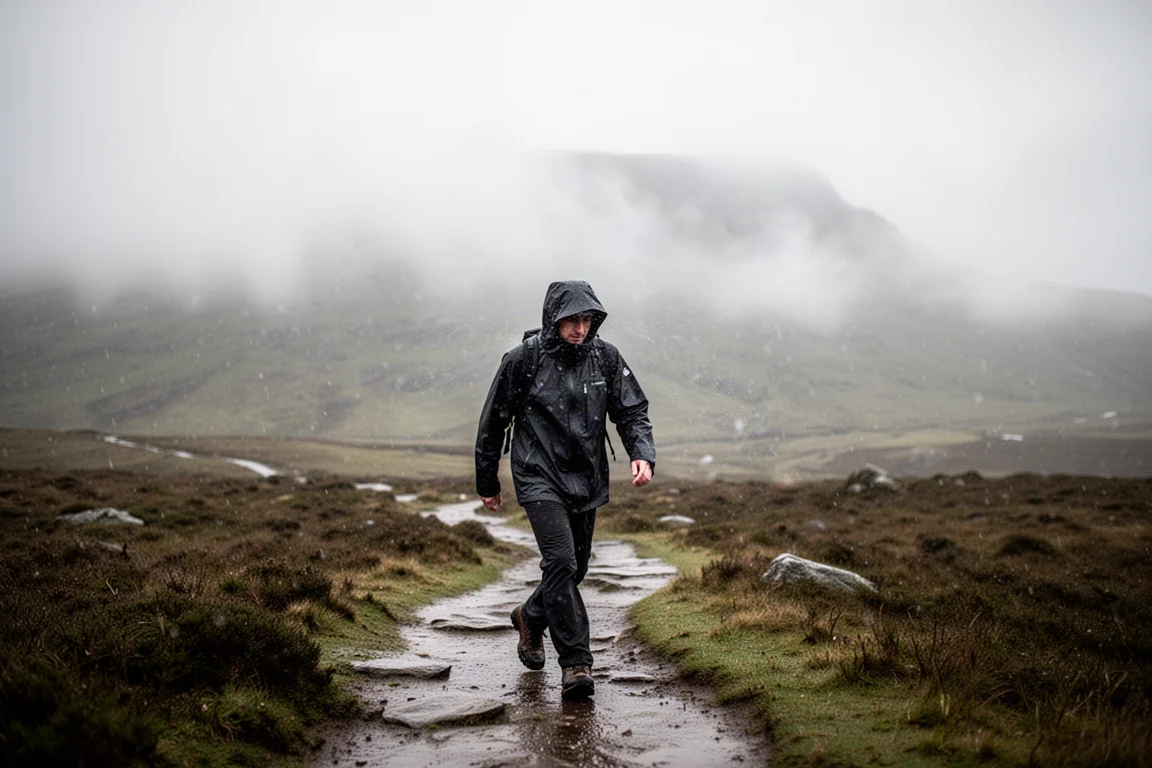
Consider what you carry. Under a heavy rucksack, the thin face fabric is the limiting factor, and a burlier shell will last longer. For fast days out with a light pack, the balance of weight, breathability and pack size is hard to beat. Check the sizing carefully before you order, then treat it as the jacket you leave in your bag all season.
Conclusion
The Montane Phase Nano Jacket succeeds because it refuses the usual compromise. It is a three-layer Gore-Tex Active shell at 250 g for men and 220 g for women, with hand pockets, a wired-peak hood and a cut built for movement. It packs down small, breathes exceptionally well, and stays comfortable enough that you will keep it on rather than reaching for the zip. If you want a genuinely light waterproof for moving fast in the hills, this is a very easy recommendation.
Product link
View more details for Montane Phase Nano Jacket
This product is mentioned in the review. Check the specifications, options, and compatibility before buying.
View more details for Montane Phase Nano JacketFurther reading
Related Reviews
Waterproof Jackets
Mountain Equipment Orion Review: A PFAS-Free Shell Built for Hard Winter Climbing
A burly, PFAS-free winter climbing jacket with a Dryite XT membrane, a 20,000mm hydrostatic head and a climbing-specific pocket layout.
Waterproof Jackets
Rab Firewall Mountain Review: A Versatile Waterproof Mountain Jacket
A three-layer Pertex Shield shell that pairs strong weather protection with a soft, quiet feel and a price well below top-tier Gore-Tex jackets.
Waterproof Jackets
Rab Latok GTX Review: A Full-On Shell for the Harshest Weather
Rab's top-tier climbing jacket gets a new ePE Gore-Tex Pro build, a long climbing cut and a hood that swallows a helmet. Here is what to weigh before you buy.