Backpacking Tents
QU Stormstar 2P Review: A Spacious Four-Season Tent With One Frustrating Flaw
A close look at the QU Stormstar 2P, a four-season two-person backpacking tent that delivers space, a taut pitch and thick fabrics, but asks for strong hands and careful pole management.
Introduction
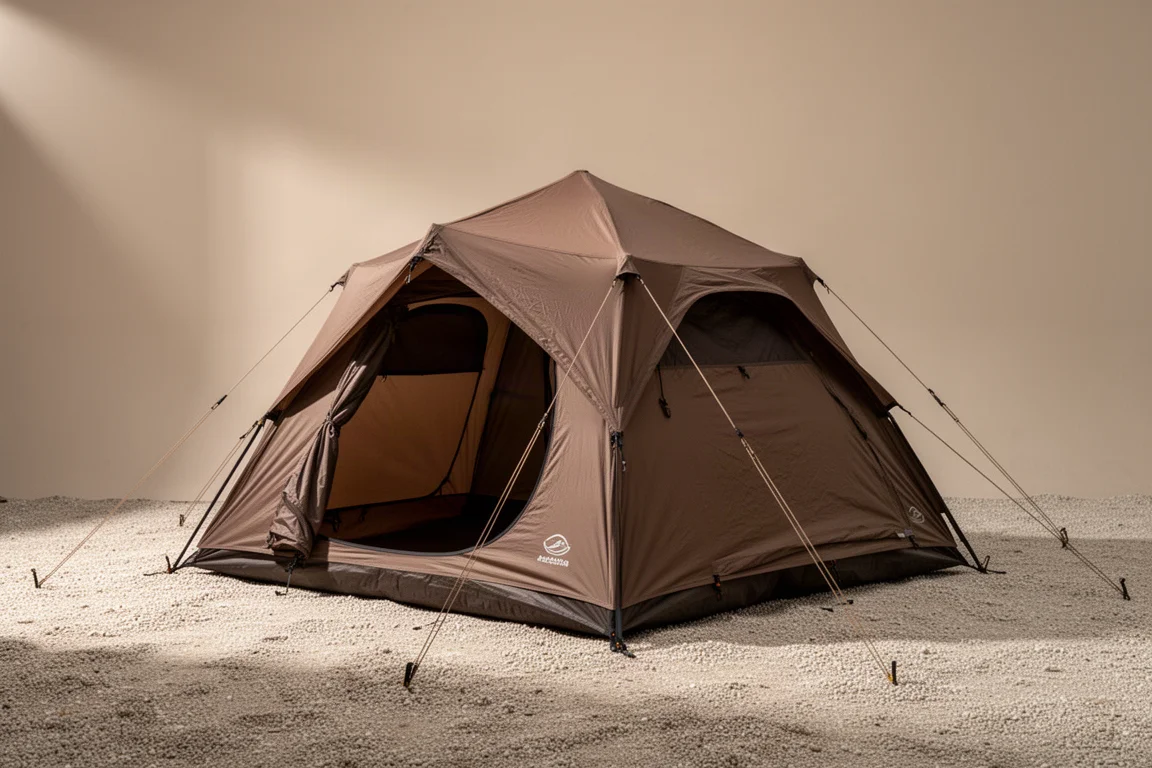
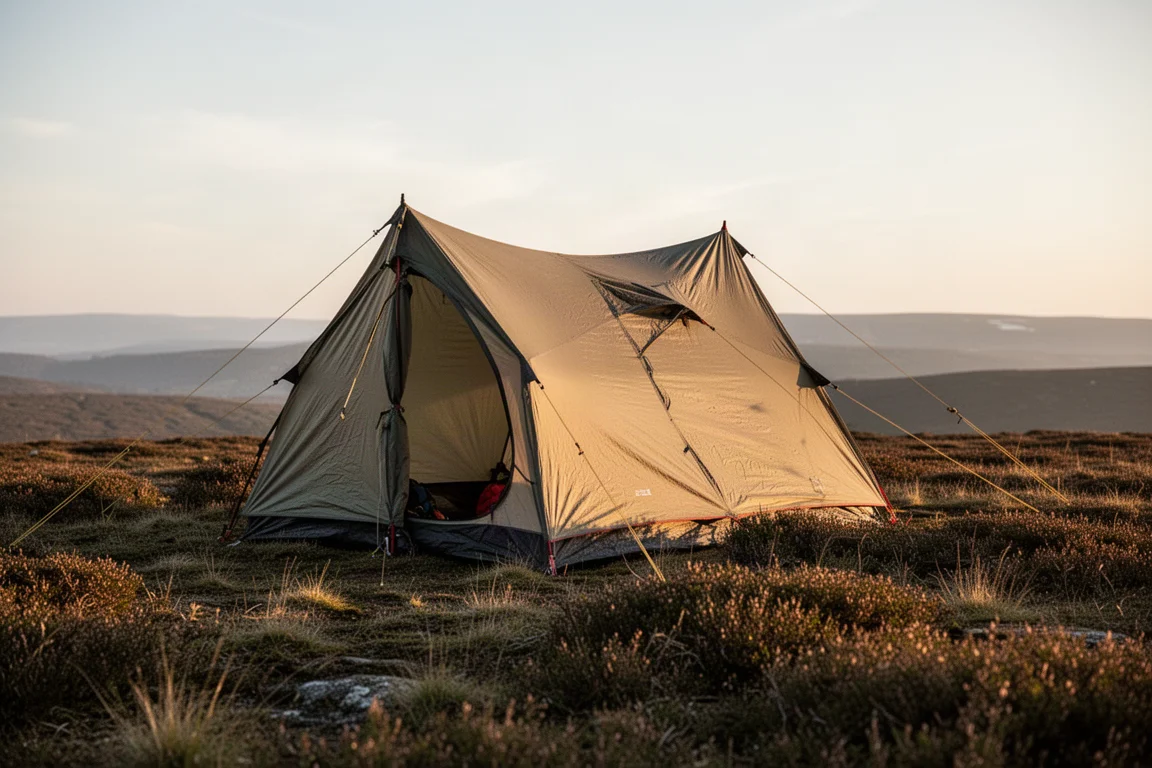
The QU Stormstar 2P is a four-season, two-person backpacking tent built around a simple combination: a generous interior, a very taut pitch and heavy-duty fabrics. It is available in brown and red, and for the 2026 season the full price sits at around £600. Promotions have been a large part of its appeal, with 25% off bringing it to roughly £475 and half-price deals closer to £300.
The numbers are straightforward. It weighs 2,665 g and packs into a chunky 52 cm by 18 cm bundle, which is the kind of load you accept when you want a genuine four-season shelter rather than an ultralight summer tent. The package includes 12 stakes, six long and six short, plus DAC Featherlight NFL 9.3 mm poles. The inner and outer pitch together as a single unit.
The appeal becomes obvious once the tent is standing. So do the frustrations, particularly when you try to clip it together with cold hands.
Who This Tent Is For
The Stormstar 2P is rated for two people, and the internal dimensions are genuinely usable. The floor is 220 cm long, 140 cm wide at its widest point and 120 cm at the foot end, with a 100 cm ceiling height. For a single camper who wants extra space on winter trips, that footprint is generous, and there is enough headroom to sit up comfortably even for someone with a long back.
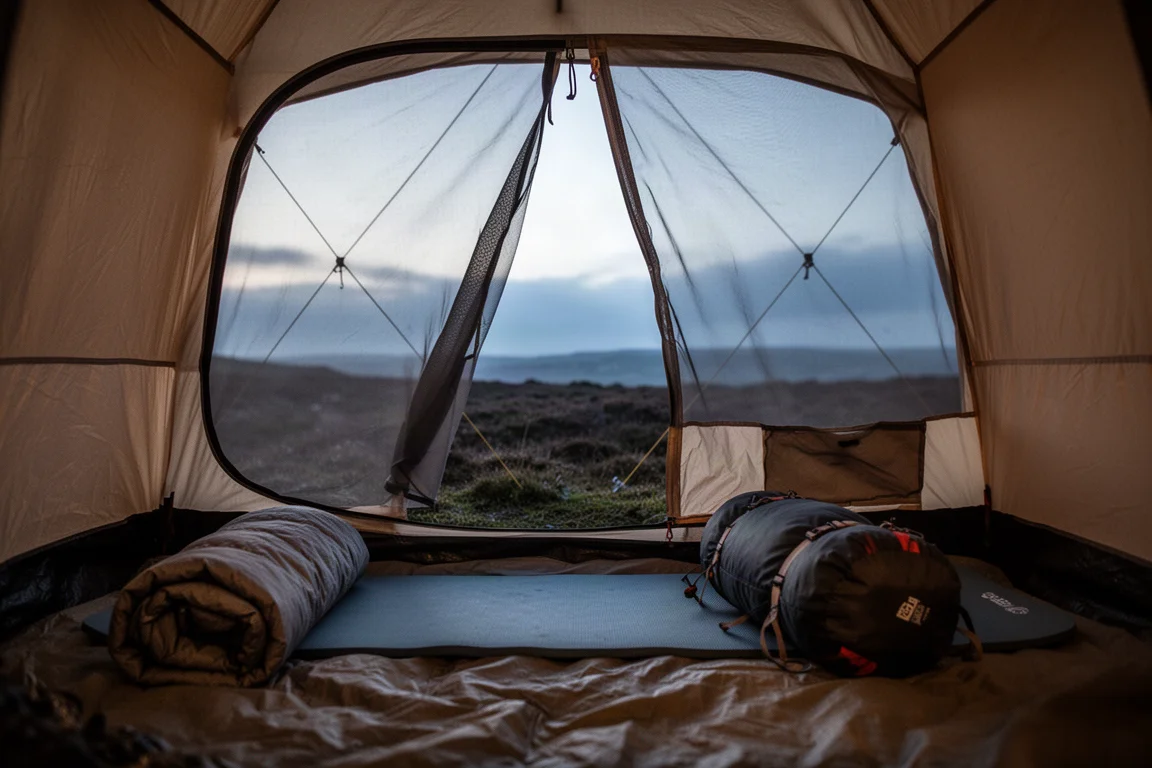
Two doors and two vestibules make it a realistic option for two people who do not want to climb over each other, and the vestibules measure 80 cm at their widest point, which is deep enough for boots, a pack and a cooking area. Where it makes the most sense, though, is as a roomy one-person shelter for cold-weather camping, where the extra volume and thicker fabrics translate into a warmer and more comfortable night.
Main Strengths
Living Space and Interior Comfort
Storage is one of the tent’s strongest points. There are two pockets in each corner, giving eight in total, and an optional footprint and gear loft can be added. The vents above each door run on zips behind a Velcro storm flap, and each has a small prop to hold it open, so airflow can be adjusted from inside. A mesh inner door works alongside the solid fabric door, which makes ventilation and condensation management much easier to control.
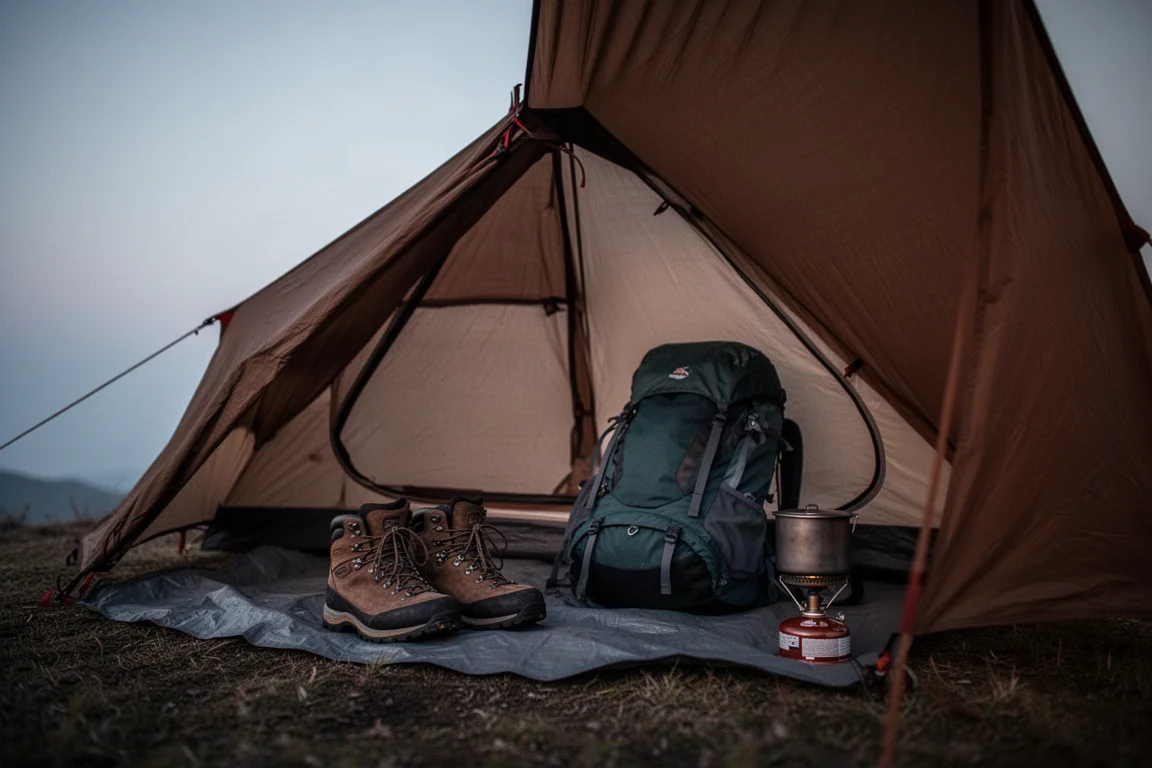
The fly overhangs the inner, so the door can be left open in rain without a large amount of water finding its way inside. The exterior zips can be reached from within, although they take a little hunting for the loop. The whole layout feels well thought out rather than assembled from parts.
Weather Protection and Materials
The fly uses 30D ripstop nylon with a 3,000 mm hydrostatic head, and the floor is a 40D bathtub design rated to 5,000 mm. Both figures are reassuring for a four-season tent, and the inner is a substantial 30D fabric as well. Corner pillars and shallow pole sleeves add support, and the fly pulls very taut once everything is clipped and guyed.
That tautness pays off in wind. The tent barely flaps, and it is among the quietest shelters to sleep in, which matters on exposed pitches. The trade-off is that reaching that tension takes effort.
Pitching and Pole System
The frame uses DAC Featherlight NFL 9.3 mm poles: two long poles plus a short pole that crosses over the top. The short pole is colour coordinated and there are matching tabs on the tent, so the sequence is easy to follow once learned. The head end is also marked on the fly, which helps identify the wider 140 cm end.
The official method starts by pegging out both short ends with four pegs, then running the two long poles parallel before crossing them and attaching the large G-clips, followed by the short pole over the top. The long corners are pegged last, then the smaller clips. It is a specific order, and following it produces a very solid result.
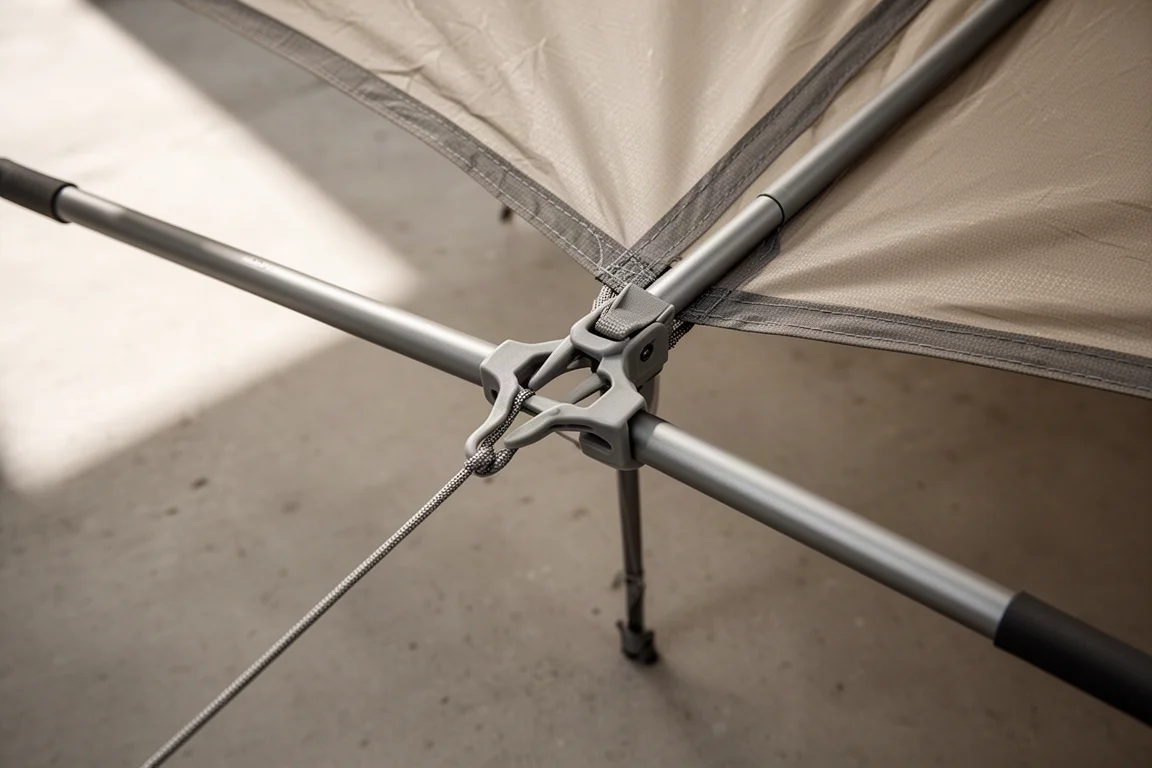
The catch is the hardware. The large G-clips need a firm two-finger push, similar to depressing a syringe, and in cold, wet or tired hands they can be genuinely difficult. The same applies when packing away, where warm hands and a fair amount of strength help. Pole ends can also stick at the bottom of their sleeves, and a pinch at the base while pulling prevents the inner from being stretched.
Things to Consider Before Buying
The G-Clips
The G-clips are the tent’s most polarising feature. In mild conditions, with a little elasticity in the plastic, they are manageable. In freezing weather that elasticity disappears and the clips become a real obstacle, particularly for anyone with weaker hands. This is worth weighing carefully, because the clips sit at the centre of both pitching and taking down the tent.
Pole Durability Questions
The bigger question is the pole specification. Featherlight NFL poles are an ultralight choice, normally found on sub-1 kg backpacking tents, and they sit oddly on a four-season shelter with a storm-oriented name. There are accounts of these poles failing in gusty conditions, and this example suffered a pole failure during pitching in a freak gust.
That said, the tent has also stood up to some punishing weather, and its taut structure is a large part of why. Owners who want more margin have upgraded to standard 10 mm DAC poles, which turns it into a considerably more solid shelter. If you buy the Stormstar 2P, budgeting for a pole upgrade at some point is a sensible way to think about it.
Buying Advice
Value depends heavily on what you pay. At half price, around £300, the Stormstar 2P is outstanding for the space, materials and tautness on offer. At the full price of roughly £600, expectations rise, and the G-clips plus the ultralight pole specification become harder to accept. At the current 25% off, near £475, it remains a strong contender against other four-season tents in that bracket.
It suits a camper who wants a roomy, quiet and well-built shelter for cold-weather trips and who is prepared to manage the clips and, ideally, plan for stronger poles. Anyone who prioritises easy handling in bad weather with cold hands may find the pitching experience more trouble than the interior space is worth.
Conclusion
The QU Stormstar 2P gets a great deal right: a genuinely spacious two-person interior, thick 30D and 40D fabrics, sensible ventilation, and a pitch that stays taut and quiet in wind. Its weaknesses are specific and identifiable, namely the stubborn G-clips and the Featherlight NFL poles on a tent built for four-season use. Bought at a discount, and with a pole upgrade in mind, it is a compelling shelter for winter camping and wild pitches.
Product link
View more details for QU Stormstar 2P
This product is mentioned in the review. Check the specifications, options, and compatibility before buying.
View more details for QU Stormstar 2PFurther reading
Related Reviews
Backpacking Tents
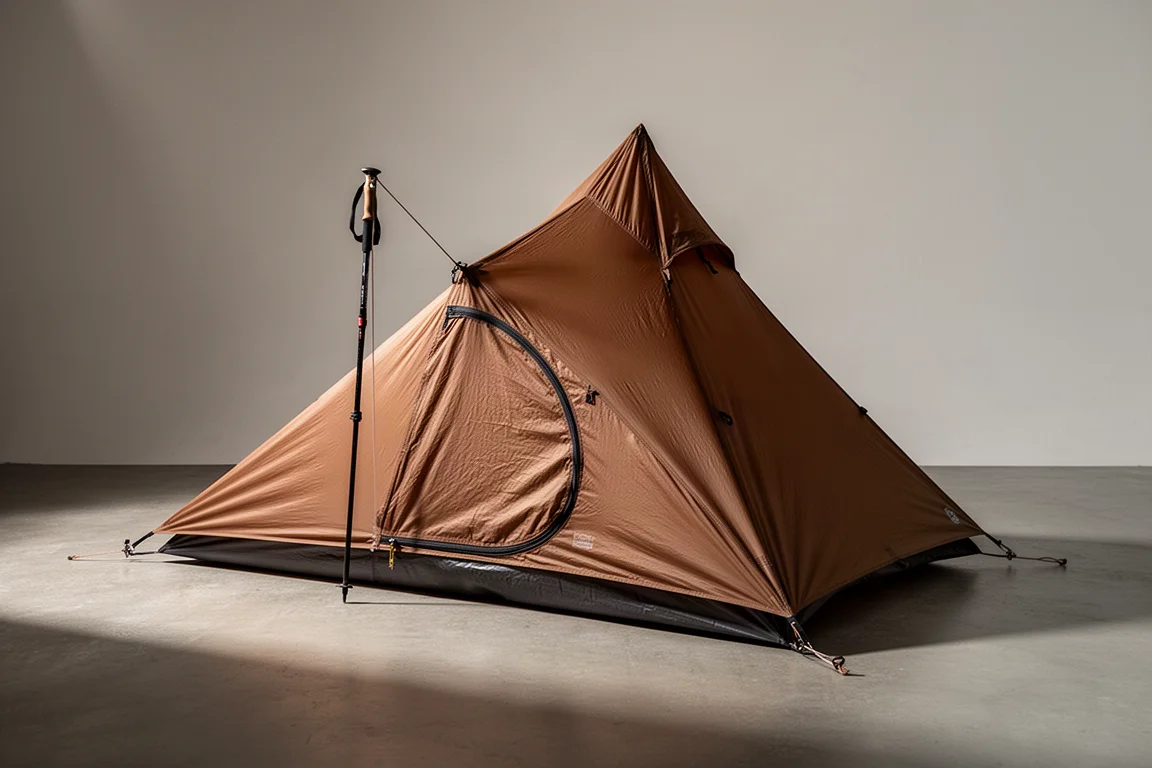
3F UL Lanchan Pro 1 Review: A 1 lb 8 oz Single-Wall Trekking Pole Tent
A practical look at the 3F UL Lanchan Pro 1, a single-wall trekking pole shelter with a 1 lb 8 oz weight, 20D silnylon fabrics, and a roomy 90 x 31 x 49 inch interior.
Backpacking Tents
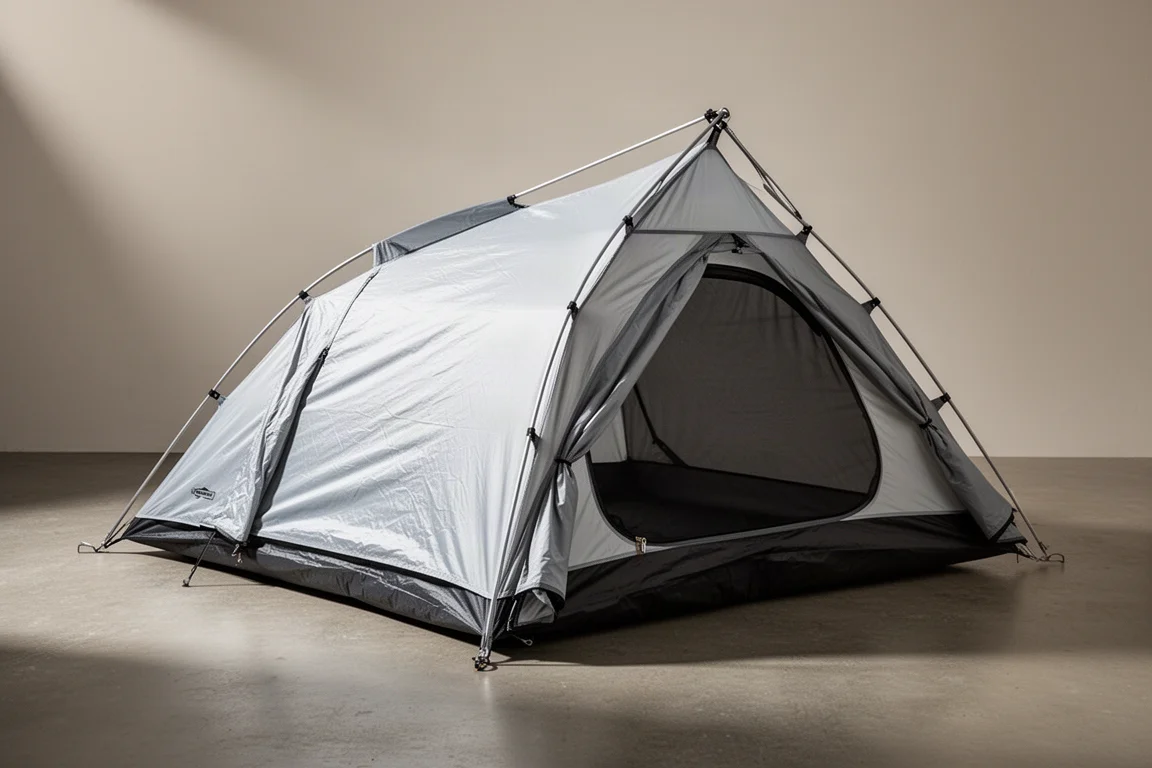
3F UL Taiji 2-Person Tent: A Convertible Backpacking Shelter Worth a Closer Look
A practical look at the 3F UL Taiji two-person tent, covering its materials, true two-person interior, fly-first pitching, and the seasonal inner swap that lets one shelter cover more of the year.
Backpacking Tents
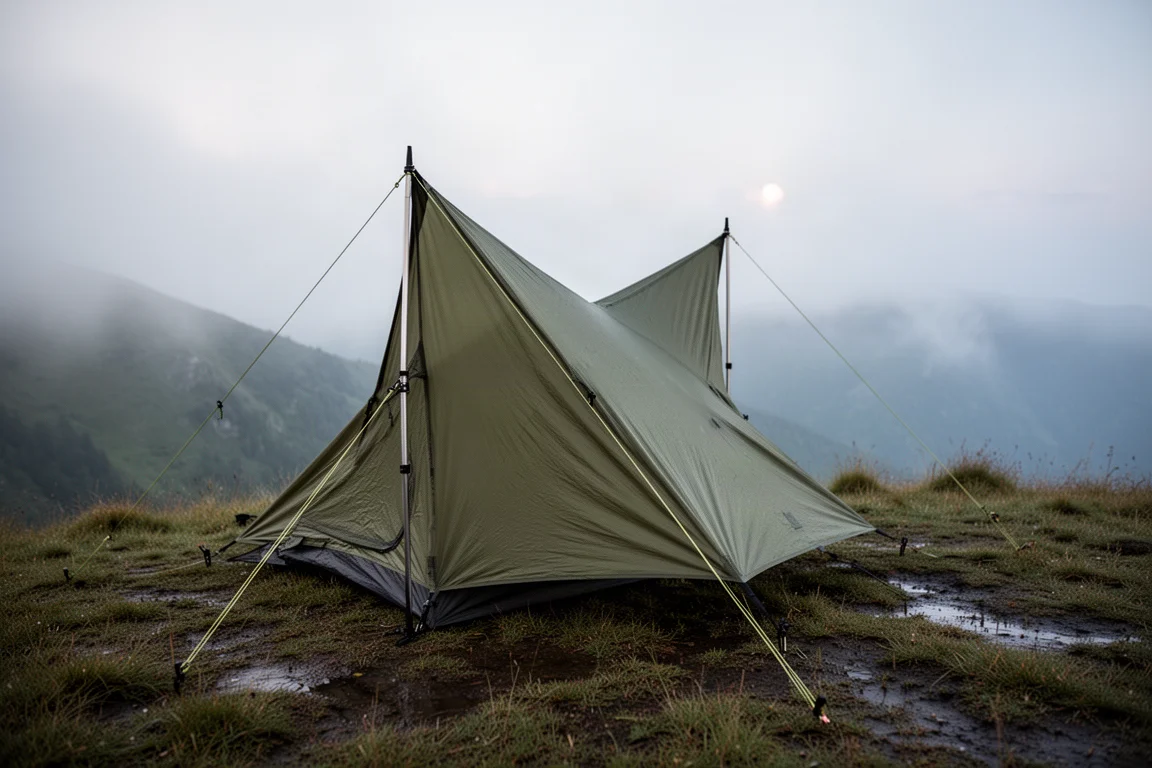
3FUL Lanshan Twoerson Pro Review: A Light Trekking Pole Shelter That Struggled in Rain
A two-person trekking pole shelter with a 2026 redesign, pitched with sticks and put through a night of steady rain. Here is what worked, what did not, and what to check before buying.