Fire Starters
Pyro Putty Winter Blend Review: Testing the 15-Minute Burn Claim
A close look at Pyro Putty Winter Blend, from burn time and weather resistance to handling and price, plus what to weigh before buying a small tin.
Introduction
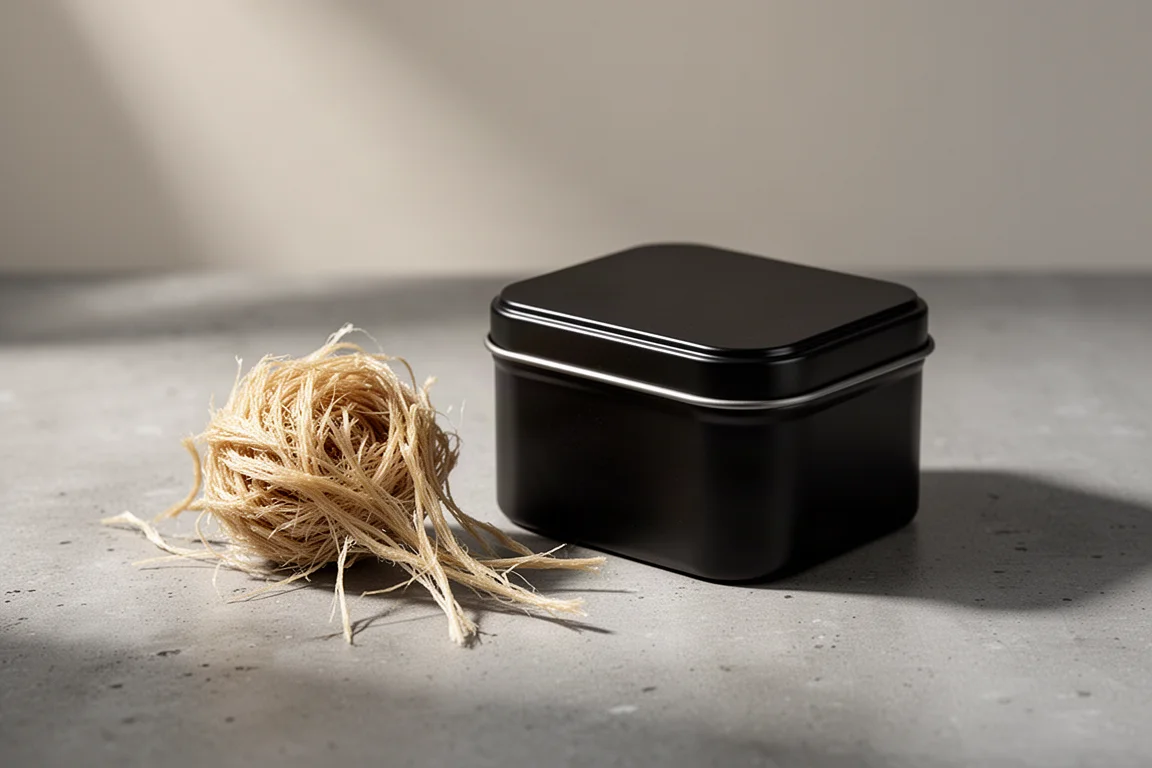
Pyro Putty Winter Blend is a compact emergency fire starter sold in a small metal tin and positioned as a cold-weather tinder that is easier to use and more efficient than the alternatives. The marketing promises a great deal: a product that is non-toxic, waterproof, weather resistant, and capable of burning through sleet, rain, snow, and wind. The packaging also states that a quarter-sized ball will burn for 15 minutes.
Those are strong claims for a product that sells for roughly $13 in a 2-ounce can. That figure covers the whole package, and the fire starter inside weighs about 1.5 ounces, so the cost per ounce of usable tinder is high. The Winter Blend sits alongside a Summer Blend, sold as seasonal versions of the same idea, though how the two differ is not explained.
This review covers what the tin contains, how the material behaves once lit, and where the marketing and the real-world performance part ways.
Who This Product Is For
The intended audience is straightforward: campers, hikers, and anyone building an emergency kit who wants a small, self-contained way to get a fire going in poor conditions. The printed instructions also point to home use, describing how to pre-stack wood in a stove, fireplace, or fire pit, scoop out a piece with a finger or a piece of kindling, stretch the fibers, and light it before or after placing it under the stacked wood.
The Winter Blend is aimed specifically at cold conditions. The temperature guidance is not entirely consistent, though. The packaging states the Winter Blend is rated down to minus 10 degrees Fahrenheit, while the brand’s own website states minus 20 degrees. The Summer Blend shows a similar gap, listed at 100 degrees Fahrenheit on the box and 110 degrees online. The material composition itself is not disclosed anywhere on the packaging or the product page.
Main Strengths
The most convincing part of the package is the tin. It is small, lightweight, closes securely, and fits easily into a pocket or pack, which is exactly what a backup fire starter should do. It is also made in the United States, which some buyers will value.
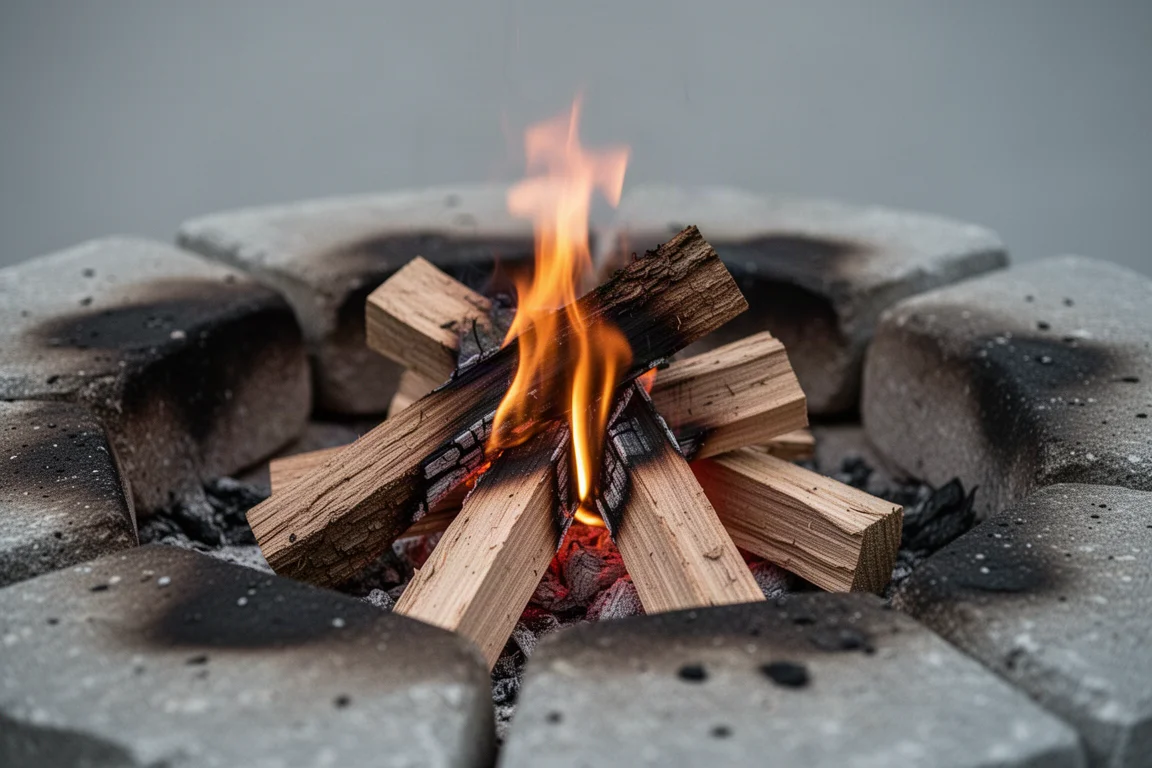
The material does light with a lighter when it is dry. Once it catches, the initial flame is respectable, rising roughly three and a half inches at its peak. The printed instructions are clear and simple, and the tin can be reused once the contents are gone.
Things to Consider Before Buying
Several details are worth knowing before spending money here.
Burn time does not match the claim. A ball of material the size of a quarter burned for about six minutes and 20 seconds, well short of the advertised 15 minutes, and the flame shrank steadily throughout until it went out and left a waxy residue behind.
Smoke and soot are heavy. The material produces thick black smoke while burning, which sits awkwardly beside the non-toxic claim. The back of the box states that burning the product produces carbon monoxide, soot, and other substances known by the State of California to cause cancer.
Handling is unpleasant. The material feels slimy and goopy, and the fibers inside are coated in the same substance, so separating them to expose dry strands takes real effort. Igniting it with a ferro rod is difficult for that reason; a lighter is the more practical route, and even then the material has to be dry.
Water is a problem. The product is described as 100 percent waterproof, but a splash of water put the flame out, and once the material is wet it will not ignite at all. Snow had a similar effect. A light sprinkle is survivable, but a proper soaking is not, so it is better described as water resistant than waterproof.
Wind is a problem too. The flame is easily disturbed and needs to be sheltered, which makes an exposed, breezy spot a poor place to depend on it.
Finally, the ratings picture is mixed. The retail listing shows a 4.5-star average across roughly 2,100 ratings, but review-analysis services rate the same listing at around 1.5 stars and flag a large share of the positive feedback as unreliable, while the written ratings skew negative.
Real-World Performance: Ignition, Water, and Wind
Lighting the material with a lighter worked when it was dry, but it did not take a spark from a ferro rod without being pulled apart first, and even then the exposed fibers lit reluctantly. A quarter-sized piece produced a strong flame early on, then faded to a small flicker and died out at around six minutes and 20 seconds.
Water was decisive. A single splash extinguished the flame, and the wet material would not relight, even with a lighter. Wind had a similar effect, knocking the flame down quickly, and a bit of snow was enough to put it out. The overall pattern is that this fire starter needs dry, sheltered conditions to work, which is the opposite of the weather it is marketed for.

Value and Alternatives
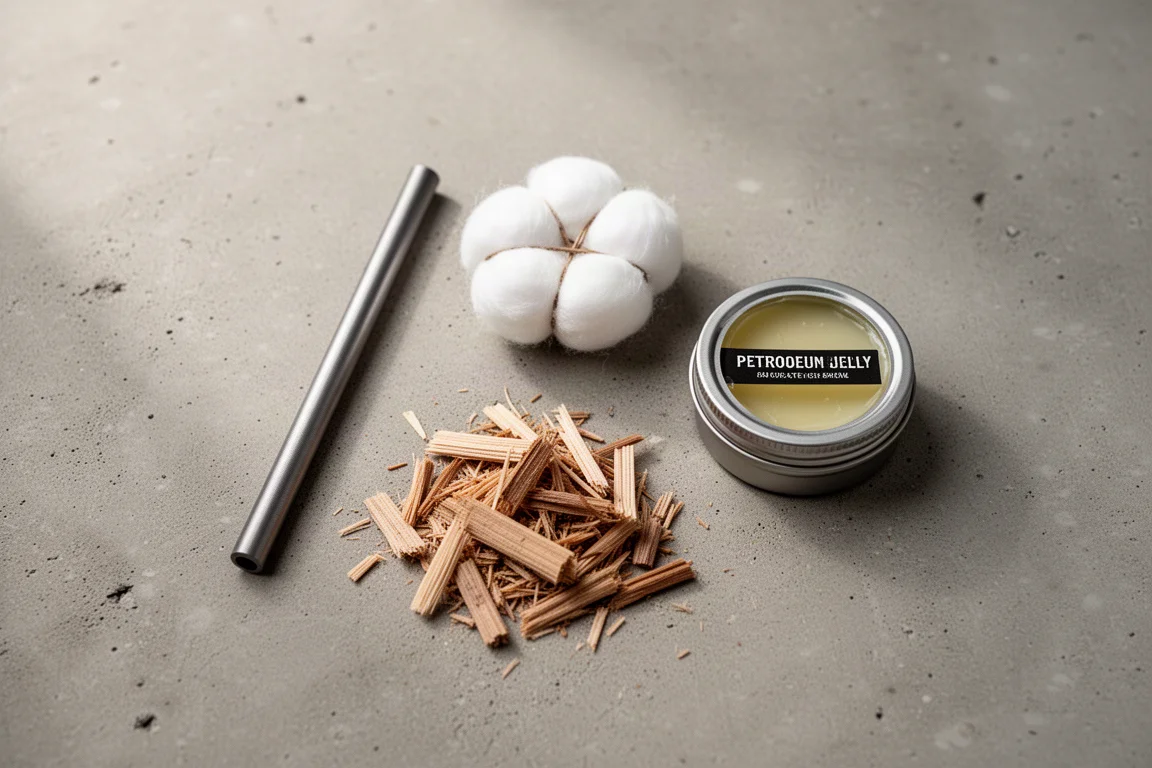
At roughly $13 for about 1.5 ounces of usable material, this is an expensive way to start a fire. Household cotton balls combined with petroleum jelly light more easily, burn longer for the same volume, and produce far less smoke, and dedicated bushcraft fire starters in a similar price range take a spark far more readily.
If the appeal is the tin, that is the one element that holds up well. The contents do not.
Buying Advice
Buyers who want a compact tin for a dry emergency kit and plan to light it with a lighter may find some use for it, but they should expect a short burn and a lot of smoke. Anyone who needs dependable performance in rain, snow, or wind, or who plans to use a ferro rod, should look elsewhere. The gap between the marketing language and the tested behaviour is wide enough that this is difficult to recommend at the asking price.
If you do buy it, keep the tin sealed and dry, use it out of the wind, and treat it as a fair-weather backup rather than the all-weather solution the packaging describes.
Conclusion
Pyro Putty Winter Blend gets the packaging right and the performance wrong. The tin is neat and portable, but the burn time falls well short of the claim, the smoke is heavy and sooty, the texture is unpleasant to handle, and water or wind will put it out. For most people looking for a reliable emergency fire starter, the money is better spent elsewhere.
Product link
View more details for Pyro Putty Winter Blend
This product is mentioned in the review. Check the specifications, options, and compatibility before buying.
View more details for Pyro Putty Winter BlendFurther reading
Related Reviews
Fire Starters
Bigfoot Bushcraft Fire Plugs Review: A Five-Minute Fire Starter With Clear Limits
A practical look at Bigfoot Bushcraft Fire Plugs, cotton and wax fire starters that burn for about five minutes, light easily, and still need shelter from wind and rain.
Fire Starters
Epiphany Outdoors Baddest Bee Fire Fuse Review: Light, Compact, Limited
A tiny wax-infused cotton tinder that is easy to carry and lights from sparks, but its burn time and weather claims are worth checking before you buy.

Backpacking Gear
Building a 10 lb Base Weight: An Ultralight Backpacking Gear List
A practical walkthrough of the ultralight pieces behind a 10 lb base weight, from a 765 g pack and a roomy one-person tent to a full camp chair and a dependable water filter.