Fire Starters
Bigfoot Bushcraft Fire Plugs Review: A Five-Minute Fire Starter With Clear Limits
A practical look at Bigfoot Bushcraft Fire Plugs, cotton and wax fire starters that burn for about five minutes, light easily, and still need shelter from wind and rain.
Introduction
Getting a fire going in cold or damp conditions usually comes down to how quickly you can turn a spark into a stable flame. Bigfoot Bushcraft Fire Plugs are cotton and wax fire starters sold in bulk packs, and they are designed for exactly that moment: a simple, self-contained tinder bundle that does not require foraging or preparation. The concept is not new. Similar cotton and wax starters are sold by other outdoor brands, and the format has been around long enough that most experienced campers have handled something like it. The real question is whether this version is worth carrying, and where its honest limits sit. What follows is a practical breakdown of how the plugs are built, what they do well, and what to plan around before you rely on them.
Who This Product Is For
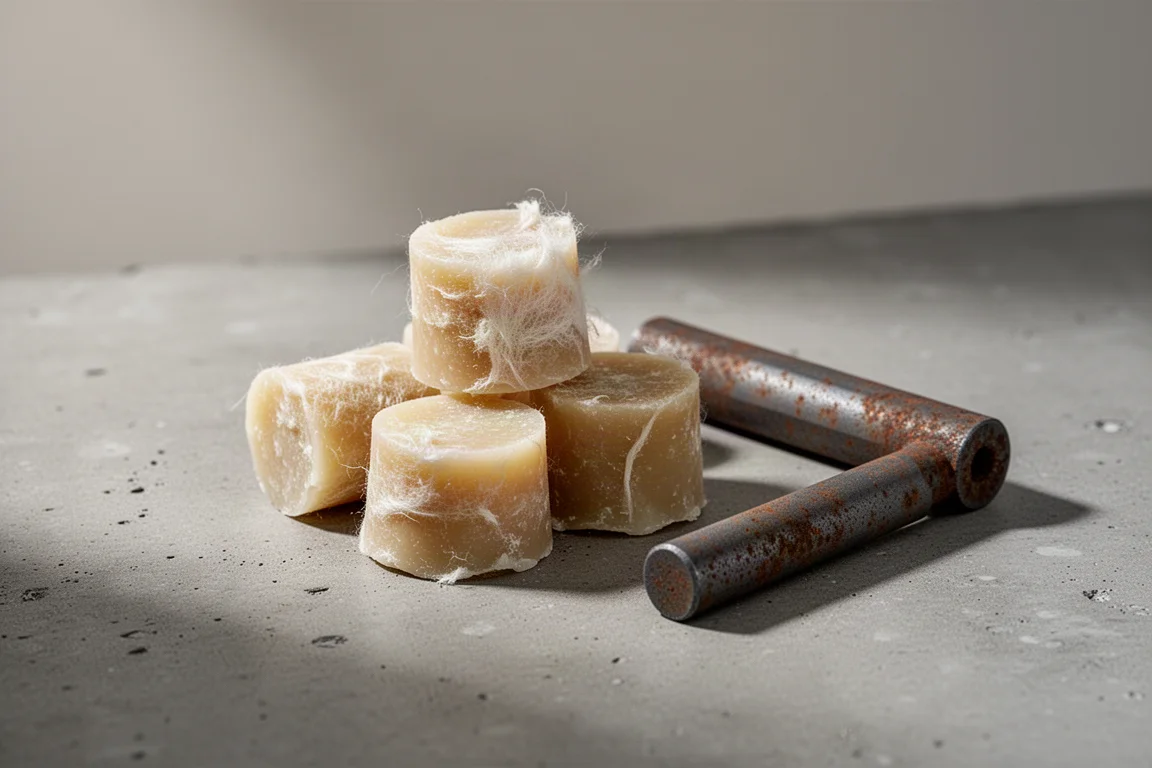
Each plug weighs 2.7 grams and measures roughly an inch and a half long. In the hand it feels slightly tacky, a waxy surface that comes from the cotton and wax construction, though it is nowhere near as greasy as handling a candle. The scent is mild and closer to a scented hand soap than anything chemical, with a faint fruity note that is hard to place exactly.
The intended use is straightforward. These suit campers, bushcrafters, and emergency kit builders who want a reliable ignition source that takes up almost no space and does not depend on dry natural tinder. They are also a sensible addition to a vehicle kit or a home fire-starting box, where a compact, individually wrapped bundle of tinder is more useful than loose material that can scatter or absorb moisture.
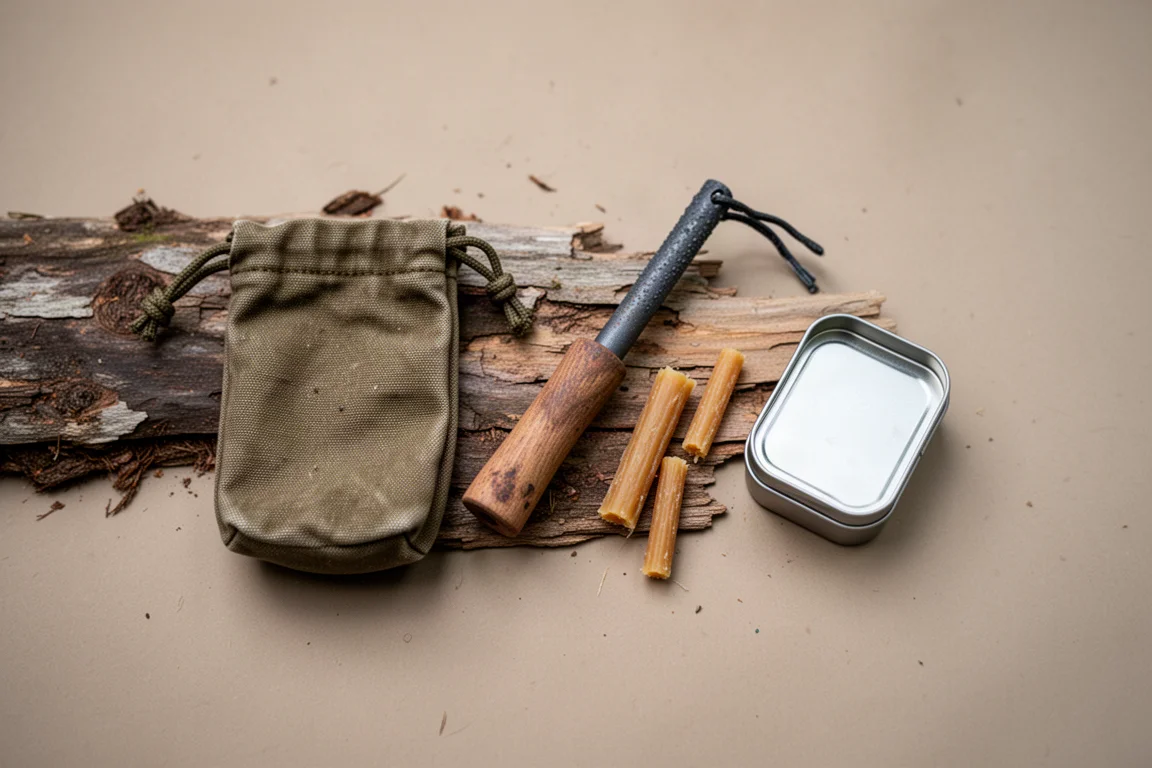
Anyone who already carries a ferro rod, a lighter, or matches will find these complement that setup rather than replace it. They are a tinder layer, not a ignition tool on their own.
Main Strengths
The plugs are easy to prepare once you know the routine. The printed instructions are simple: bend the plug back and forth in half, then twist the two halves in opposite directions to pull it apart. Doing this visibly frays the cotton fibres, which is what creates the surface area a flame needs.
Ignition is undemanding. Matches, a lighter, and a ferro rod all work, and the plugs bend and twist apart without tools. A knife can also be used to cut them up if you want smaller portions. The manufacturer states that a single spark can light one, and in practice the plug needed its fibres pulled apart a little further before it caught, after which it took off without trouble.
Burn time is the standout figure. The manufacturer claims five minutes per plug, and testing landed right on that number, with the flame running for roughly five minutes and three seconds before dying out and leaving only a small scrap of fibre behind. Flame production during that window is generous, and the plug does produce some black smoke as it burns.
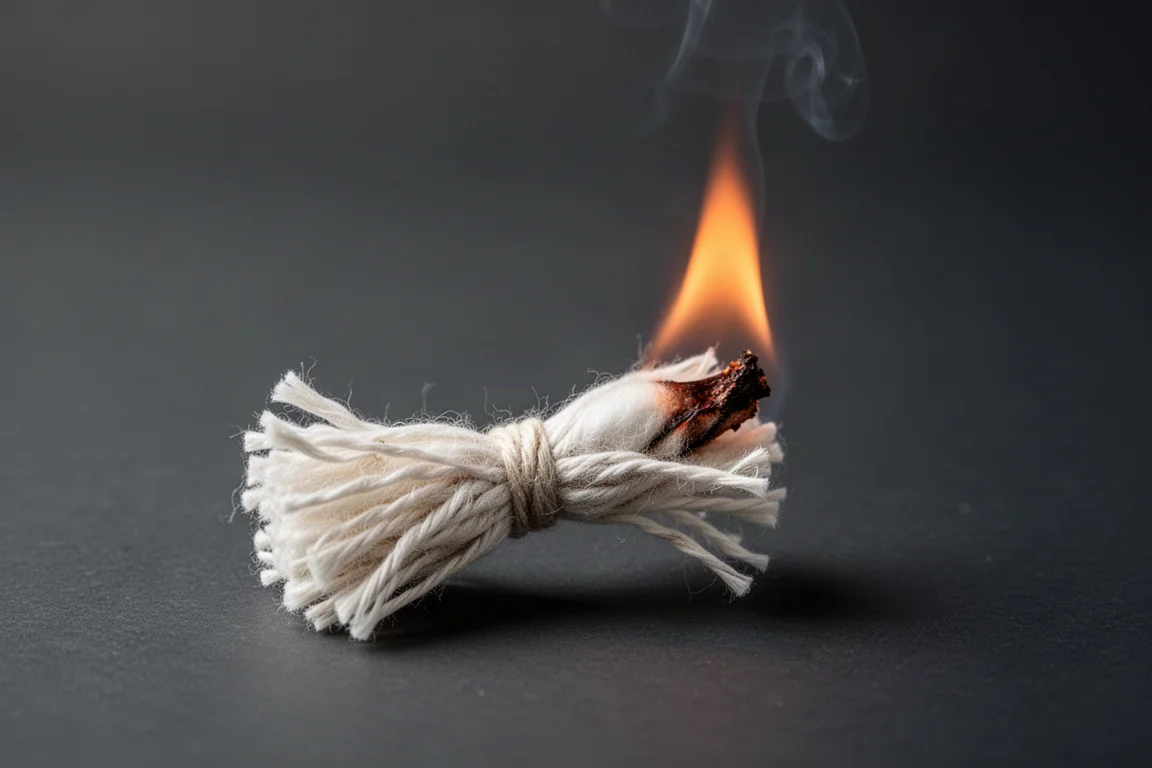
Because the burn is long and steady, you rarely need a whole plug. With mostly dry material around, cutting one in half, slicing it lengthwise, or breaking it into chunks gives you enough flame to get kindling going while stretching the pack much further.
Things to Consider Before Buying
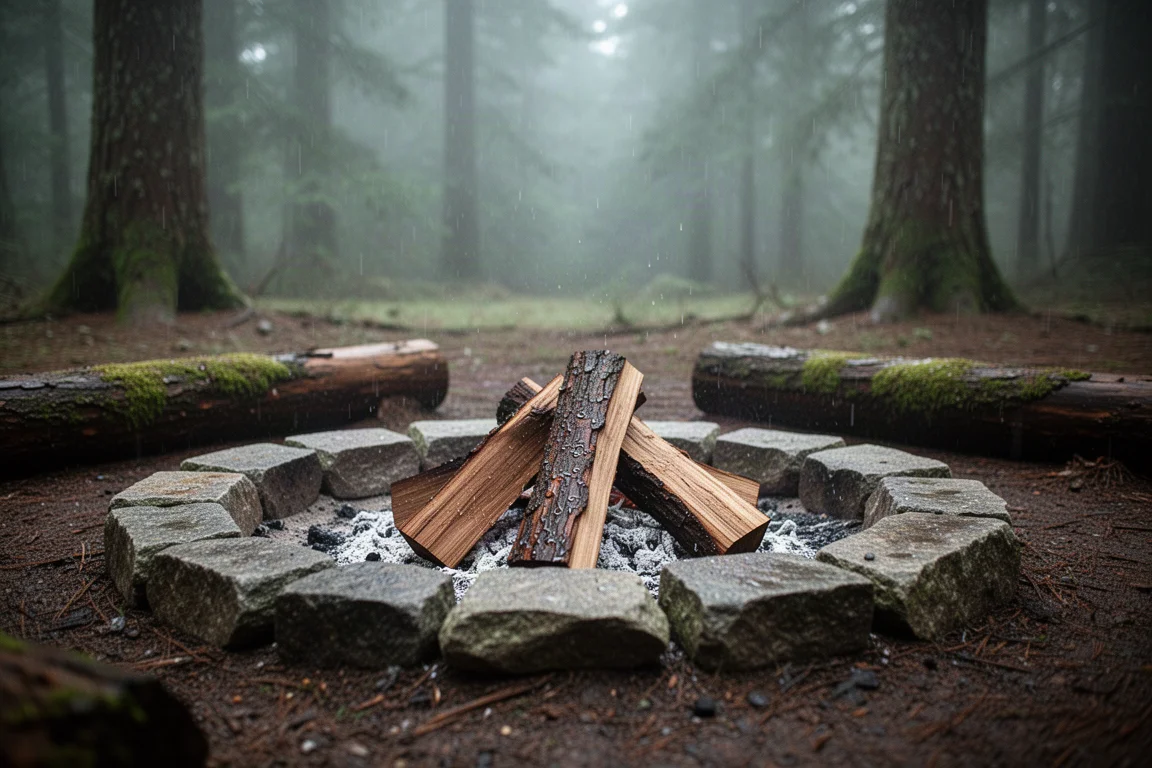
Two of the manufacturer’s claims deserve a more careful reading. The plugs are described as windproof and waterproof, and neither held up under testing. A lit plug was blown out without much effort, and a small amount of poured water put out a burning plug. Once the cotton is wet, even with the wax coating, it does not want to stay lit. The more accurate description is wind resistant and water resistant, which is still useful, but it is a meaningful difference.
The practical takeaway is to keep these out of rain and away from standing water. Water hitting hot wax also behaves aggressively, spitting and splattering, so it is best not to introduce moisture to a plug that is already burning.
Other points worth noting: the plugs produce black smoke, so they are not appropriate for burning in an enclosed space, and the manufacturer states they are non-toxic. The stated shelf life is over ten years, which makes them reasonable to store long term as part of a kit. Finally, this is a crowded category. Comparable cotton and wax starters from other brands are sold in different pack sizes and at different price points, including larger packs at lower per-unit costs, so it pays to confirm you are buying the product you actually intended to buy.
Buying Advice
Pricing scales with pack size. A 30-pack runs about $15, an 80-pack about $30, and a 200-pack about $70. The larger packs lower the cost per plug considerably, which matters if you plan to use them regularly rather than keep a couple in a pack for emergencies.

Buy according to how you actually burn. Occasional campers who light a fire a few times a season will find the 30-pack plenty, while anyone running fires often, teaching others, or stocking a group kit will get better value from the larger counts. Whichever size you choose, store them dry, keep them out of the rain, and treat them as a wind resistant and water resistant tinder rather than an all-weather one. Used that way, they are a dependable way to turn a spark into a fire without hunting for dry material.
Conclusion
Bigfoot Bushcraft Fire Plugs do the core job well. They light easily once the fibres are frayed, they burn for about five minutes as stated, and they can be portioned to suit the conditions instead of being used whole every time. The windproof and waterproof claims do not hold up, and that is the main thing to plan around. Buy them as a reliable, long-burning tinder that needs a little shelter from the weather, and they make a sensible addition to a camp kit or emergency bag.
Product link
View more details for Bigfoot Bushcraft Fire Plugs
This product is mentioned in the review. Check the specifications, options, and compatibility before buying.
View more details for Bigfoot Bushcraft Fire PlugsFurther reading
Related Reviews
Fire Starters
Epiphany Outdoors Baddest Bee Fire Fuse Review: Light, Compact, Limited
A tiny wax-infused cotton tinder that is easy to carry and lights from sparks, but its burn time and weather claims are worth checking before you buy.
Fire Starters
Pyro Putty Winter Blend Review: Testing the 15-Minute Burn Claim
A close look at Pyro Putty Winter Blend, from burn time and weather resistance to handling and price, plus what to weigh before buying a small tin.
Backpacking Tents
3F UL Lanchan Pro 1 Review: A 1 lb 8 oz Single-Wall Trekking Pole Tent
A practical look at the 3F UL Lanchan Pro 1, a single-wall trekking pole shelter with a 1 lb 8 oz weight, 20D silnylon fabrics, and a roomy 90 x 31 x 49 inch interior.