Gardening Technology
Pure NanoTech Nanobubble Generator Review: What It Did for Microgreens
A hands-on test growing eight microgreen crops with nanobubble water versus regular reverse osmosis water, covering yields, root health, and mold control.
Introduction
Nanobubbles are an emerging water treatment technology that is starting to appear in growing operations of all sizes. To find out whether it actually matters for microgreens, a direct side-by-side test was run: eight different crops grown in identical trays, one set watered only with nanobubble water and the other with regular reverse osmosis water, from the same weight of seed each time. The results were more nuanced than a simple yes or no, and for some growers they could be genuinely useful.
How the Nanobubble Test Was Set Up
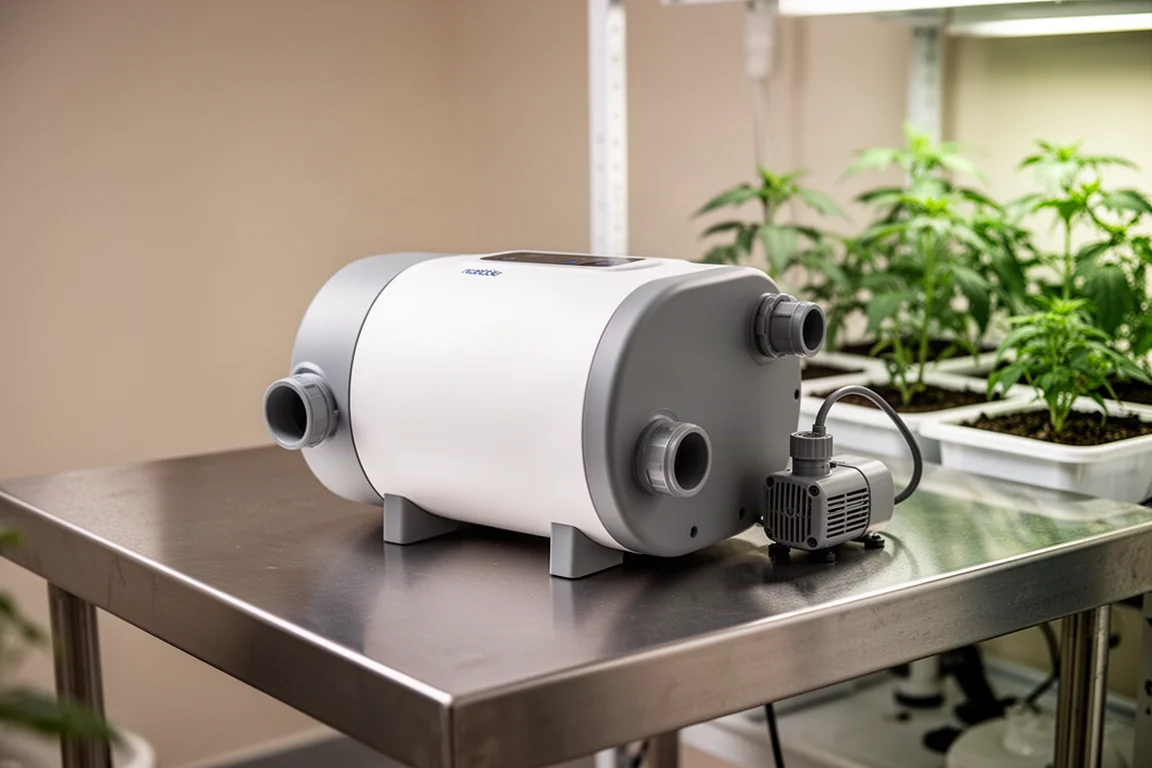
The test used the Pure NanoTech nanobubble generator with a five-gallon reservoir of water recirculated through the machine for ten minutes to saturate it thoroughly with nanobubbles. A small, reliable pump moved water between the jug and the unit through two hoses. Operating the machine is simple but order matters: the air pump turns on first, then water flow starts, and when shutting down the process reverses, stopping the water first so the system flushes itself clean before the air pump switches off.
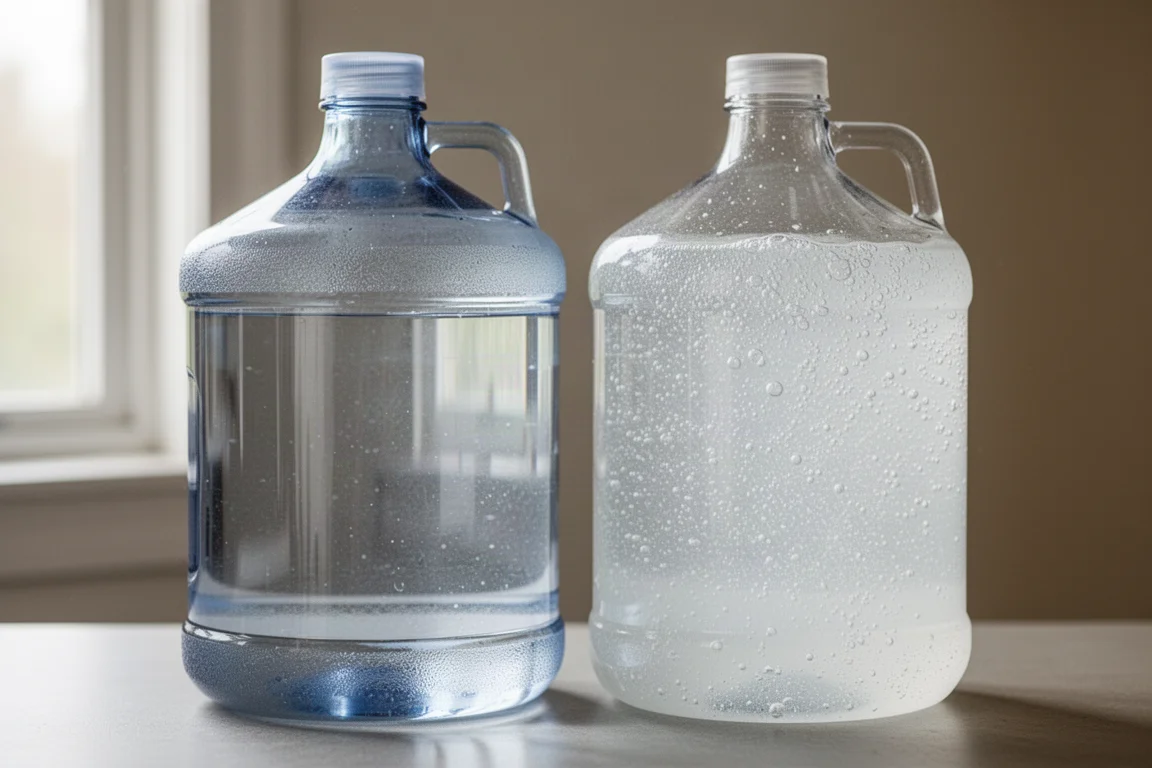
There is a simple way to confirm the water is actually saturated. A cup of treated water looks slightly cloudy, feels cold, and shows condensation compared to a cup of regular water. Shine a laser through both and the difference is obvious: the beam is far more defined in the nanobubble water, which indicates the bubbles are present and doing their job.
What the Trays Looked Like During Growth
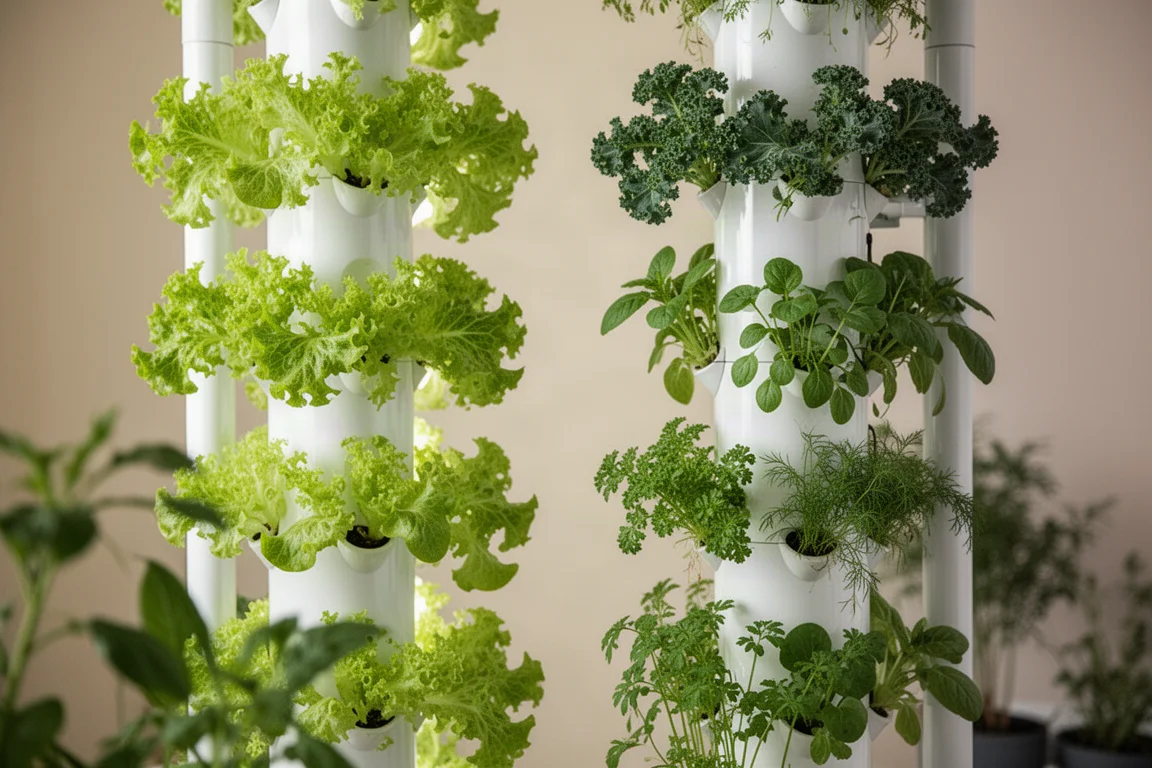
The crops were grown in standard 10x20 trays, a holed tray sitting inside a solid tray, with two crop types per tray split down the middle: Bulls Blood beets and sunflowers, broccoli and red cabbage, sweet peas and rainbow radish, and wheatgrass and barley grass. One tray in each pair was watered with nanobubble water, the other with regular reverse osmosis water.
At the early checks, germination was even across both trays in every pairing, with no mold issues and no trouble burrowing into the medium. The broccoli and red cabbage trays in particular looked striking, with purple and green growth appearing essentially identical between treatments. Through the mid-growth stage, the broccoli, red cabbage, sweet peas, rainbow radish, sunflower, and beet trays continued to look equivalent between treatments, with no visible size difference from the nanobubble water.
The Root Health Difference
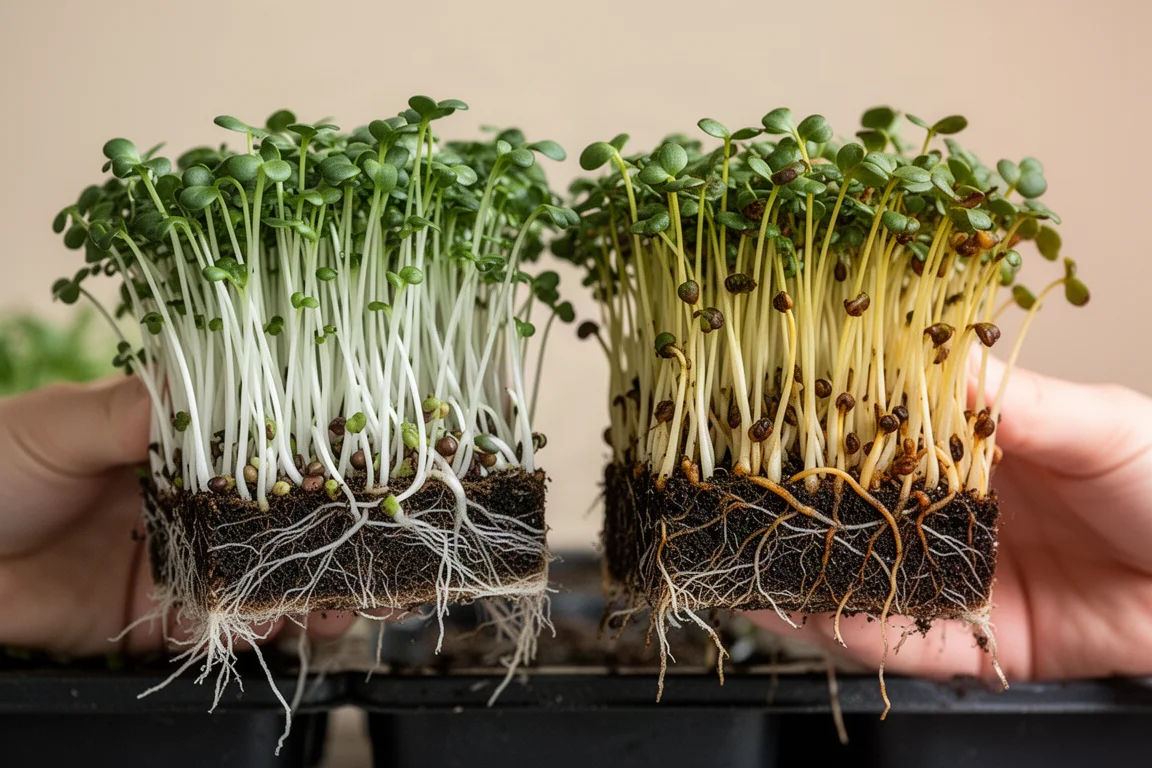
Where things started to diverge was underground. At a mid-test root inspection on the sunflower and beet trays, the roots in the nanobubble tray were noticeably better developed, described as quite a big difference at that stage. That pattern held at final inspection: across several crops, the regular-water roots looked more yellow with browned, almost rotted tips, while the nanobubble trays consistently showed whiter, healthier, more vigorous root systems.
This was the one consistent finding of the whole test. Even when top growth looked the same, the treated trays had better roots, and more roots logically means more access to nutrients and oxygen over a longer growing cycle.
Yield Results, Crop by Crop
Weighing the harvests from identical seed quantities told an interesting story:
- Rainbow radish: both trays came in at just over 4 oz, effectively a tie.
- Sunflowers: the nanobubble tray grew over 2 oz more, and the difference was visible even before weighing, with more larger leaves and faster development compared to a regular tray full of smaller plants.
- Sweet peas: the nanobubble tray again came in almost 2 oz heavier, a noticeable gap from the same seed weight.
- Bulls Blood beets: both trays weighed exactly 2.4 oz, with no visible difference.
- Broccoli: 2.4 oz versus 2.3 oz in favor of nanobubbles, essentially even, though the treated roots looked slightly more developed.
- Barley grass: both trays yielded around 3.5 oz.
- Wheatgrass: both trays around 2.4 oz, though the nanobubble tray had looked roughly a quarter inch taller at an earlier check.
So of the eight crops, two showed a clear yield advantage, one showed a small early height edge, and the rest were effectively even.
The Mold Finding That Stood Out
For wheatgrass and barley grass, which are notoriously prone to mold indoors, the nanobubble trays showed little to no mold while the regular water trays developed visible mold forming across the surface. That is not a small detail. Mold can ruin a tray and make it unsellable, and it is one of the most common problems growers report. The suspected cause is the hydroxyl radicals associated with nanobubbles. For anyone struggling with mold on grasses, this alone could justify the technology.
Who Should Consider a Nanobubble Generator
Microgreens are a very short cycle crop, and that appears to limit how much nanobubbles can shine compared with growing crops to full maturity or growing with nutrients, which most microgreen farmers do not use. Even so, some crops clearly benefited despite the short cycle.
The strongest case for a nanobubble generator is for growers dealing with root rot, mold on grasses, or farms that focus heavily on crops like sunflowers and peas. Healthier roots and mold suppression are practical, repeatable benefits, and over longer growing cycles the improved root systems would likely translate into bigger gains.
Final Thoughts on the Test
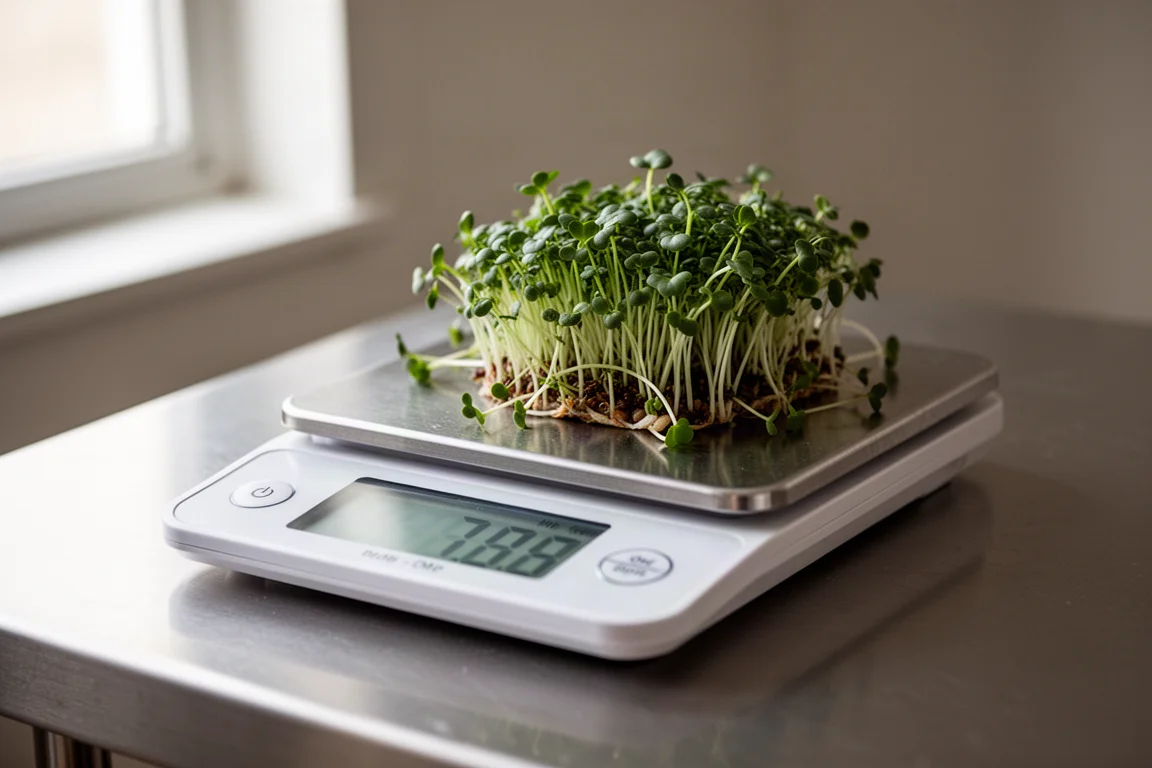
The headline weight gains were modest, but the consistent improvements in root health, the yield advantage on sunflowers and sweet peas, and the dramatic mold difference on the grass trays make nanobubble water a strategic tool worth considering. It is not a magic growth multiplier for every microgreen crop, but for specific pain points that cost growers real money, it delivered where it mattered.
The Pure NanoTech nanobubble generator itself proved easy to operate, with a straightforward startup and shutdown sequence and a visible, verifiable effect on the water. If your operation battles root rot or mold, or you grow sunflowers and peas at scale, this is a technology worth a closer look.
Conclusion
Across eight crops, nanobubble water produced equal or better yields, consistently healthier roots, and a clear mold advantage on wheatgrass and barley. For microgreen growers facing root rot or mold pressure, the Pure NanoTech nanobubble generator looks like a practical investment rather than a gimmick.
Product link
View more details for Pure Nanotech Nanobubble Generator
This product is mentioned in the review. Check the specifications, options, and compatibility before buying.
View more details for Pure Nanotech Nanobubble GeneratorFurther reading
Related Reviews
Grow Lights
Barrina TXL63 Review: A Compact 3-ft Full Spectrum Grow Light That Earns Its Place
A hands-on look at the Barrina TXL63, a 3-ft full spectrum LED grow light tested on microgreens and recovering tomato transplants.
Indoor Growing
Happy Leaf Grow Lights Review: A Microgreens Farm's Long-Term Favorite
After years of daily use in a busy indoor microgreens farm, Happy Leaf grow lights have proven themselves on growth quality, durability, and support.
Farm Packaging
Best Packaging for Microgreens and Lettuce: Clamshells, Produce Bags, and Labeling That Works
Three packaging solutions for small farms and indoor growers, with practical sizing guidance and labeling tips for selling to grocery stores and farmers markets.