Running Shoes
Puma Velocity Nitro 4 vs Hoka Mach 7: Which Lightweight Daily Trainer Fits Your Running?
Two versatile daily trainers that cover a lot of bases for the price. We break down weight, ride feel, stability, grip and value to help you pick.
Introduction
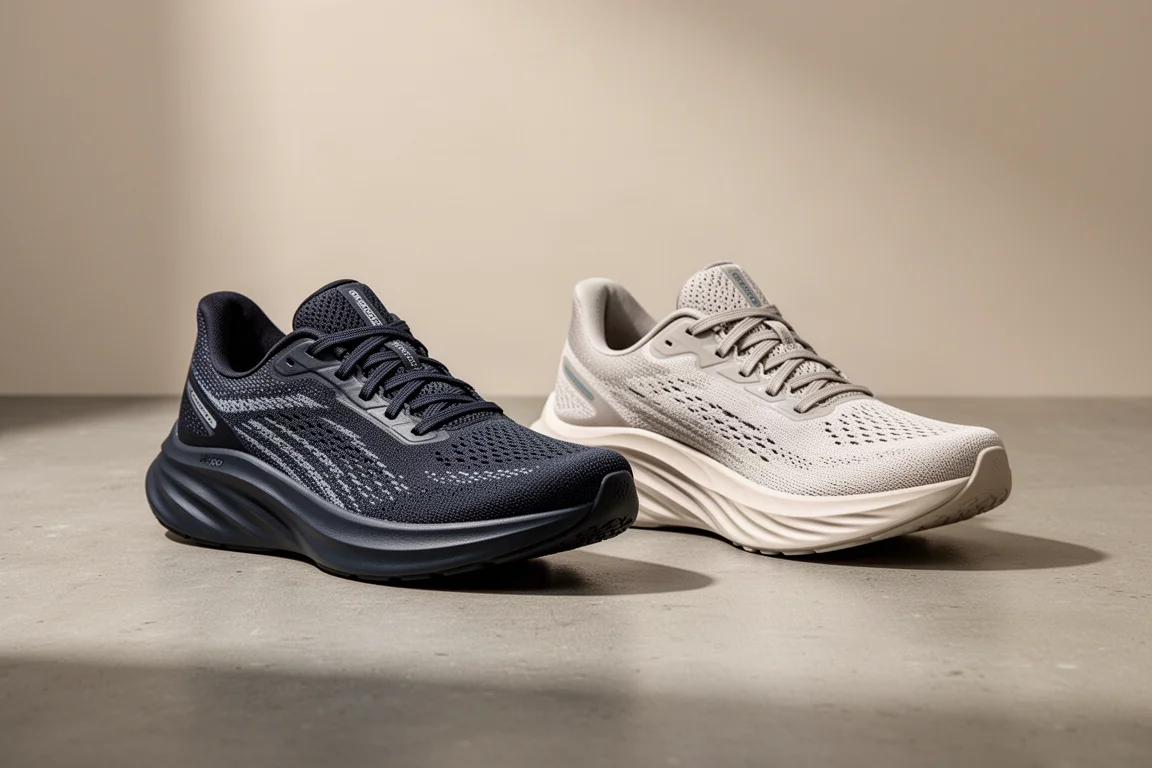
The Puma Velocity Nitro 4 and Hoka Mach 7 are two lightweight, versatile daily trainers that cover a lot of bases at a decent price. The Mach 7 leans slightly more towards speed, while the Velocity Nitro 4 is more of a classic daily trainer. Both are easy to recommend to runners who want one shoe that can handle most of a weekly training plan, and neither is the absolute fastest or the max-cushiest option out there. Instead, they both work really well in that middle ground, just in different ways.
Specs and Sizing at a Glance
Weight is one of the clear differences. The Mach 7 is the lighter shoe at 225 g (7.9 oz) in a UK 9, which converts to a US 9.5. The Velocity Nitro 4 is still pretty light at 247 g (8.7 oz), but in a UK 9 it is a US 10, so the Puma runs slightly larger. Drop differs too: 10 mm on the Velocity Nitro 4 versus 5 mm on the Mach 7, which shapes a lower-drop, more rocker-led geometry on the Hoka.
Sizing is worth a note, especially for UK buyers. Both testers wore a UK 9 and stayed with normal running shoe size, but Puma shoes can sometimes come up a little long and narrow, and the Velocity Nitro 4 is certainly a narrow shoe. Both shoes are fairly narrow, so runners with wide feet may find neither is ideal. The reviewer has narrow feet and had no fit concerns with either shoe.
Design and Construction
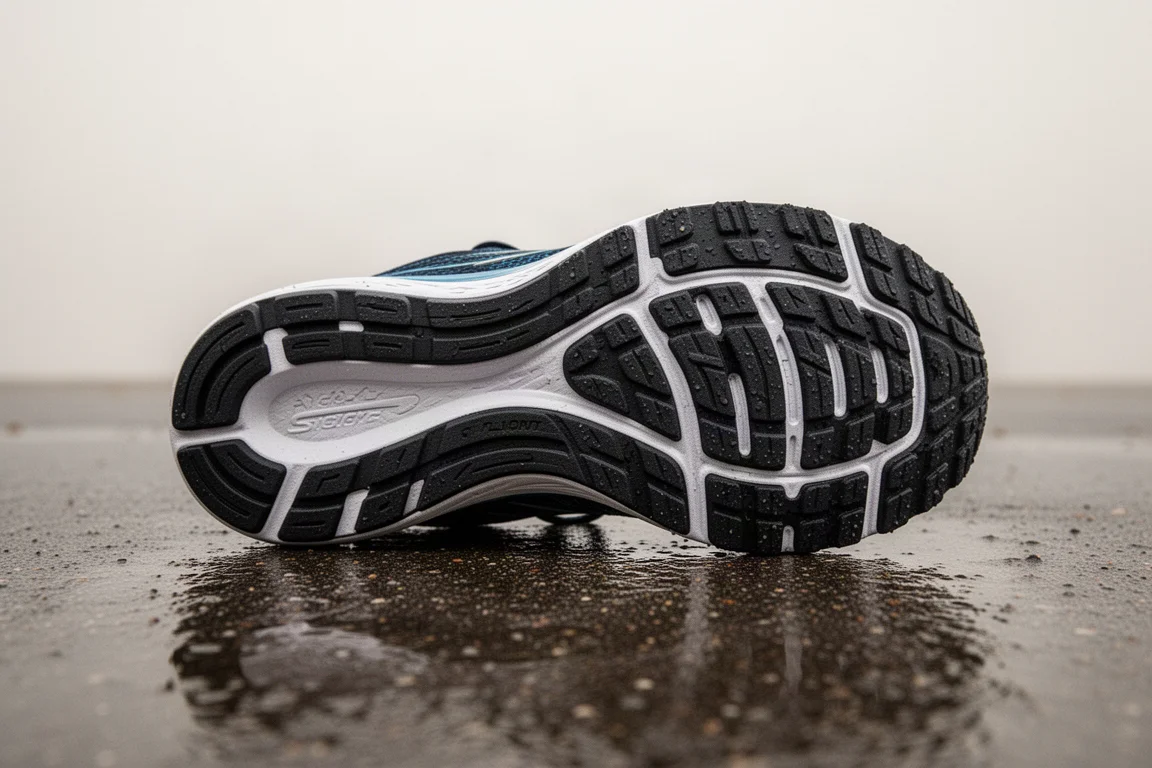
The Velocity Nitro 4 uses a lightweight engineered mesh upper with supportive overlays, a good amount of padding around the heel and an internal heel counter, so it is a bit more built up than the Mach 7. Underneath sits Puma’s Nitro foam, a super critical aliphatic TPU that is lightweight and lively, plus a Puma grip outsole with thick coverage. That more substantial outsole is what makes the Puma feel like a dedicated daily trainer built for durability and grip.
The Mach 7 takes a more stripped-back approach: a lightweight mesh upper with less padding around the heel, a super critical EVA midsole with Hoka’s classic rocker setup, and a two-part outsole with sticky rubber covering the forefoot and part of the heel, plus a durable abrasion rubber section at the back. The reviewer slightly prefers the Mach upper for its relaxed, open and flexible heel feel, but found no concerns with either upper.
Ride Feel and Run Test
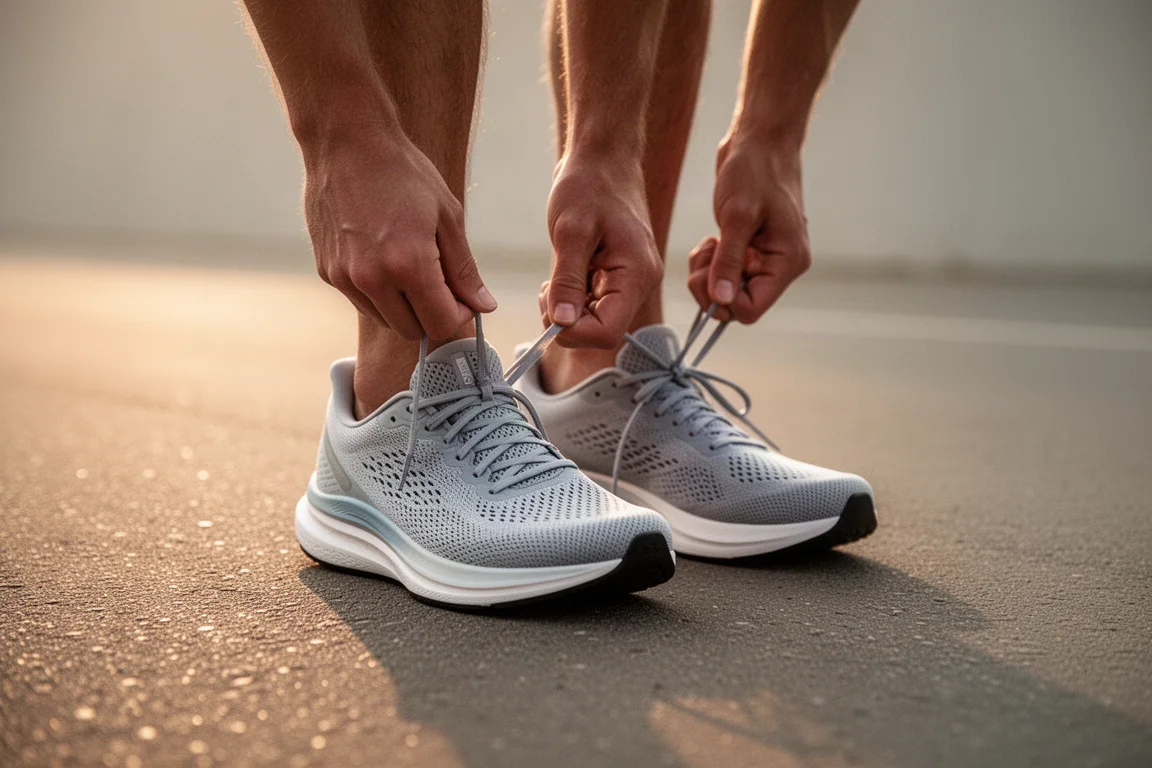
Testing covered about 70 km in the Velocity Nitro 4 and 120 km in the Mach 7, across easy runs, steady progression runs, long runs, a hilly workout in the Puma and a marathon pace workout in the Mach 7. Both proved genuinely versatile across a wide range of training runs.
The Puma delivers a more snappy, traditional ride. With no pronounced rocker, the lively aliphatic TPU foam gives strong energy return and lift off the toes at faster paces, while ticking over easily when running slow. It is thinner under the forefoot than the Mach, though the foam is soft enough that there is no discomfort. You also get a slightly cushier feeling at heel landing.
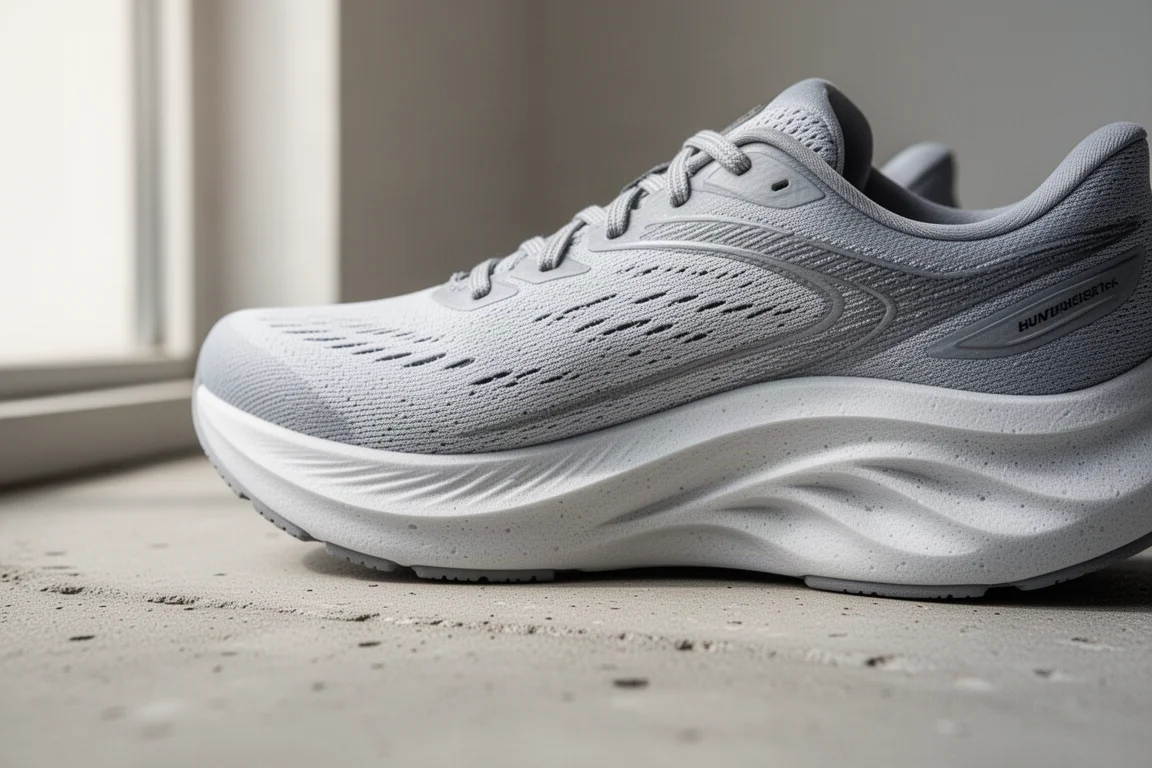
The Mach 7 offers a smoother ride. Its rocker geometry is really well engineered and fits the reviewer’s gait naturally at any pace, feeling very good at easy efforts and staying comfortable as speed increases. The super critical EVA does not pop quite as much off the toes, but it is a pretty good foam that is a bit underrated, and the lightness and geometry make the Mach 7 very capable at holding faster paces. It is also worth throwing the very similar Mach 6 into the mix if you are considering either of these shoes.
Grip, Durability and Stability
The Puma wins on grip and durability. Its thicker outsole is built for loads of miles at all kinds of paces and in all seasons of road running, including wet pavements year round. The Mach 7 had no grip problems either, even in a very wet workout straight out of the box, but its durability is likely a touch behind, partly due to the thinner outsole and the foams used.
On stability, the Mach 7 is a little more naturally stable. With its rocker, lower drop and foam that is not the softest, it feels planted, while the Velocity Nitro 4 is slightly wobblier and narrower around the midfoot. There are no real stability concerns with the Puma either, but if stability matters to you in this comparison, the Mach has a touch more of it.
Value and Price
The Velocity Nitro 4 is the cheaper shoe overall, at £110 in the UK and $140 in the US. The Mach 7 costs £140 in the UK and $145 in the US. Both are well worth their relatively modest price tags in today’s inflated running shoe market, and both have a good record of showing up in deals: Puma regularly discounts the Velocity Nitro, and the similar Mach 6 is another option if you can find it cheaper.
Buying Advice: Which Shoe Should You Pick?
If you want one shoe to do everything, an all-rounder that handles faster running particularly well, the Mach 7 does that job a bit better. It is lighter, more natural at fast paces, works well as a pure easy run shoe, and adds a little more stability.
If you are rounding out a rotation that already has fast shoes, a plated trainer or even a carbon super shoe, the Puma is probably the better straight daily trainer. It is really good for easy miles, durable and comfortable, and that all-weather outsole is a genuine strength for year-round road running in wet conditions.

They are distinct enough to coexist in a rotation, since varying drop, rocker and ride feel spreads pressure on the body differently, but there is quite a lot of overlap. If you find either not cushioned enough for very easy and long runs, you will want a max cushion shoe above them in the rotation, plus a dedicated speed shoe. In that setup, the Mach 7 is the better speed shoe, the Puma the slightly better easy day shoe, and the Mach the better all-rounder overall.
Conclusion
Both shoes are excellent and both deserve a place on many runners’ shortlists. The Mach 7 is the more versatile all-rounder with a smoother, more stable ride, while the Velocity Nitro 4 is a slightly more rounded, durable daily trainer and better value in the UK thanks to its lower price. Pick based on where the shoe sits in your rotation and whether you favour a rocker-smooth or snappy traditional ride.
Product link
View more details for Puma Velocity Nitro 4
This product is mentioned in the review. Check the specifications, options, and compatibility before buying.
View more details for Puma Velocity Nitro 4Further reading
Related Reviews

Running Shoes
Best Road-to-Trail Running Shoes: Three Versatile Options for Mixed Terrain
A practical guide to three road-to-trail running shoes that handle both pavement and mild trails, with clear strengths and trade-offs for different runner types.

Running Shoes
Best Running Shoes for Achilles Tendonitis: Three Options Explained
Three running shoes with different heel drops and support features designed to help reduce Achilles tendon pain during walking and running.

Running Shoes
Best Running Shoes for Women: Five Top Choices Ranked
A ranked guide to five women's running shoes, from versatile daily trainers to high-performance racing options, with real strengths and trade-offs for each.