Running Shoes
Puma Velocity Nitro 4 vs Hoka Clifton 10: Which Daily Trainer Should You Buy?
Two cushioned daily trainers at similar price points, but they deliver noticeably different rides. Here is how they compare on fit, foam, stability, and versatility.
Introduction
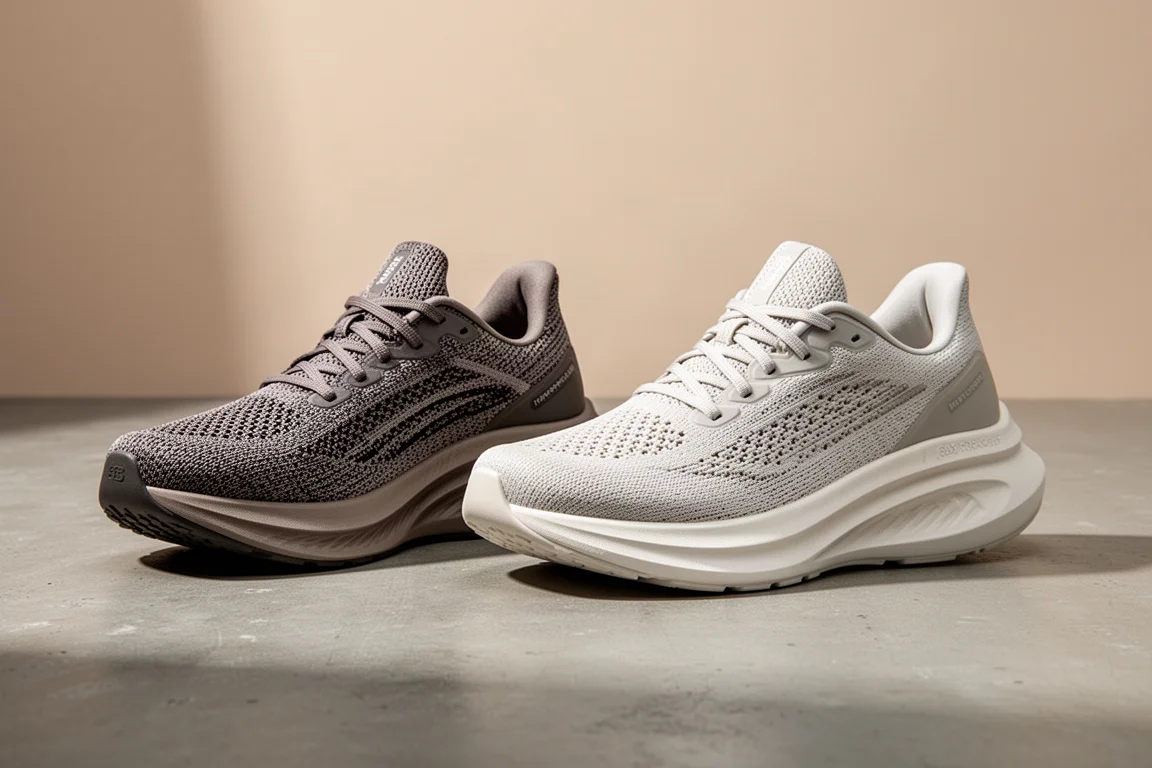
The Puma Velocity Nitro 4 and Hoka Clifton 10 are two of the more interesting cushioned daily trainers to compare right now. They sit at similar price points, they both target the same core job of logging comfortable everyday miles, and both are capable of being the one shoe that does everything in a simpler rotation. Yet they deliver that experience in noticeably different ways, and the shoe that suits you best depends on what you value most in a daily trainer.
Key Differences at a Glance
The Puma Velocity Nitro 4 is the cheaper of the two shoes, while the Clifton 10 is available in more width options. In the same men’s UK 8, the Velocity Nitro 4 weighed in lighter. The Puma also has a higher drop, with the Clifton offering a higher stack height at the heel and the Puma a higher one at the forefoot. Both use mesh uppers, but the midsoles differ fundamentally: Puma uses a nitrogen-infused foam, while Hoka relies on an EVA-based one. At the outsole, Puma fits its Puma Grip rubber, while Hoka opts for a tough abrasion-resistant rubber.
Fit and Sizing
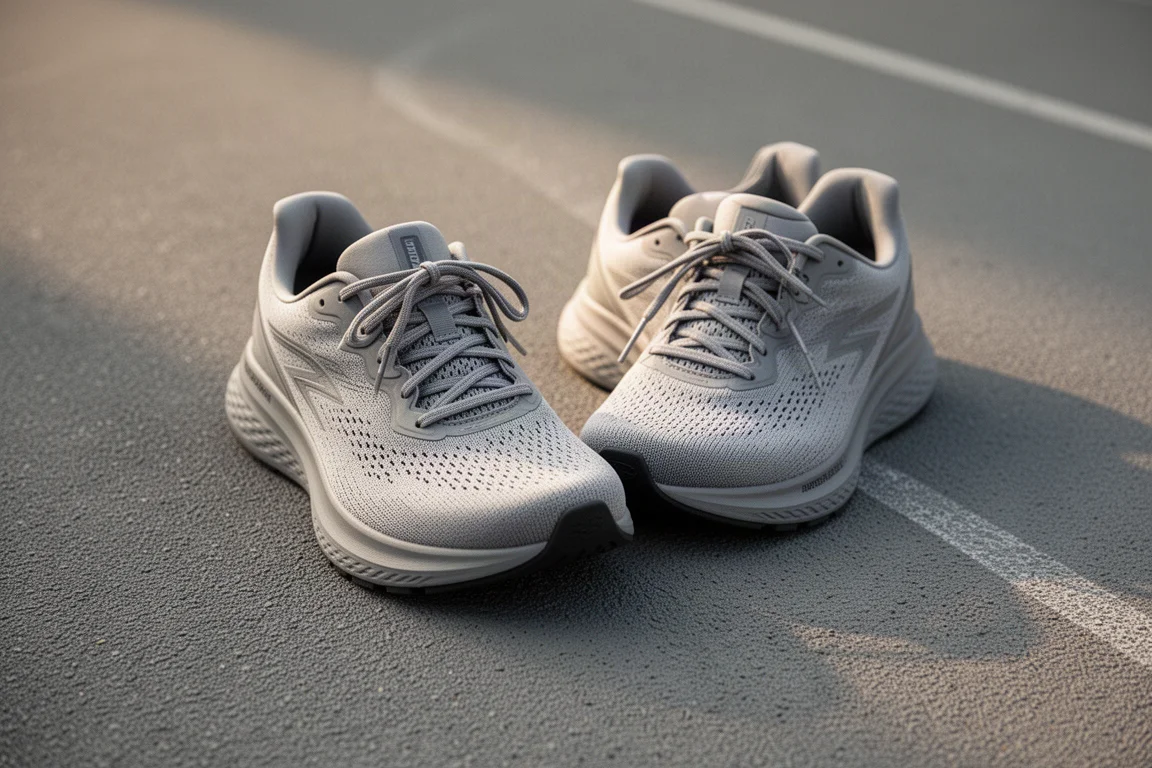
Both shoes fit largely true to size in length, with one conversion caveat: in the UK, a UK 9 corresponds to a US 10 in the Puma but a US 9.5 in the Hoka, so UK buyers should check the conversion before ordering. If you are always between sizes, going for the smaller option is the safer choice. The Puma runs slightly narrow, and there is currently no wide option, so runners with wider feet should lean towards the Clifton 10 and its extra width sizes.
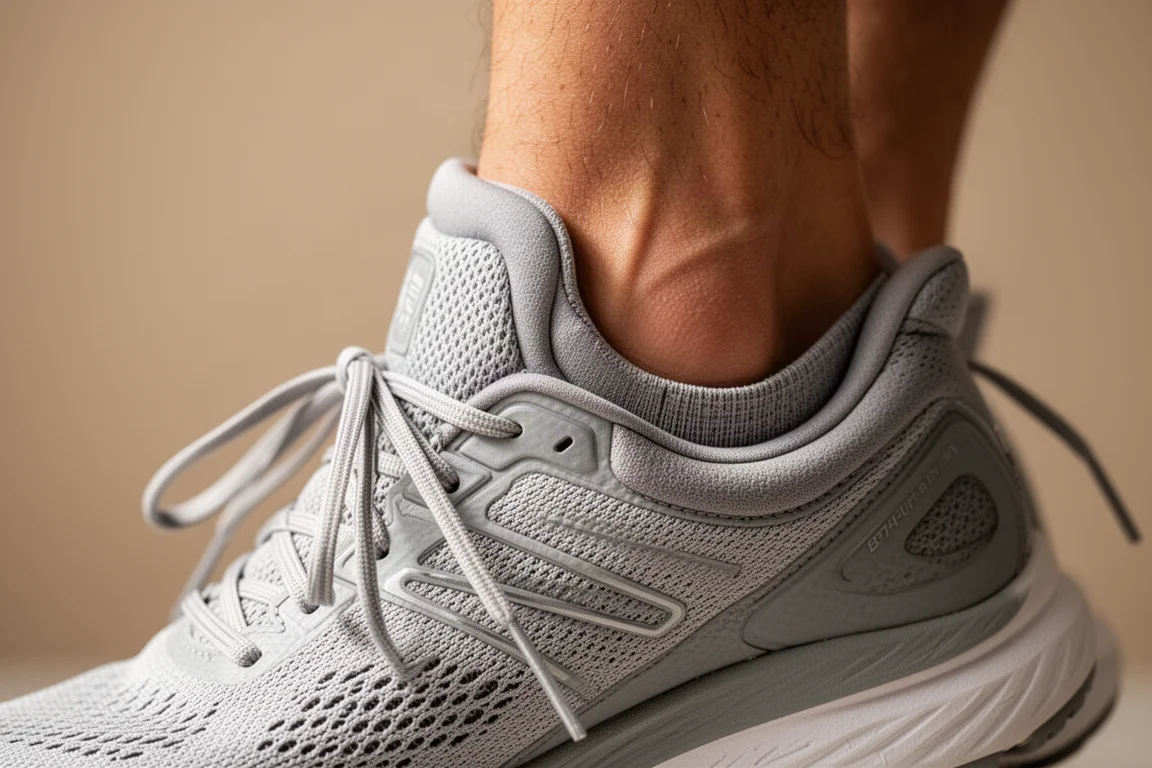
The uppers feel very similar in character: well padded without feeling overly padded. The Puma has slightly more supportive elements placed strategically through the upper, which locks the foot in a little more, while the Clifton 10 still delivers good hold around the heel and midfoot. The toe box narrows a bit more on the Puma, whereas the Clifton opens up and feels flatter and roomier up front. The tongues differ too, with a more padded tongue on the Clifton 10 and a skinnier one on the Puma that takes a little fiddling initially to sit in place. Heel collars and heel counters are solid on both, with no discomfort or irritation reported over testing.
Ride and Midsole
The midsole is where these two shoes genuinely part ways. The Puma’s Nitro foam, believed to be an aliphatic TPU, is a squishier, bouncier and more lively material than the compression-moulded EVA in the Clifton 10, which reads as fairly flat and dull. That is not a serious knock on the Hoka, because the smooth rocker geometry still produces a pleasant ride, but the foam itself is not trying to create energy.

In practice, that makes the Puma the more versatile shoe across paces. It is lighter and springier, so easy, steady and progression runs feel lively and fast running comes more naturally. The Clifton 10 handles those runs fine but sits more at the easy-run end of the spectrum. Hoka does have livelier supercritical and PEBA foams elsewhere in its lineup, but it has not brought them down to the Clifton yet, whereas Puma is leading the charge in bringing top-class foam to its daily training line at a good price.
The Clifton 10 fights back on comfort and stability. It has more foam under the forefoot and a wider base, which creates a more stable ride than the Puma, a shoe with a narrower midfoot section that is okay rather than particularly stable. There is also more of a rocker on the Hoka for a slightly smoother roll. For heel strikers worried about forefoot discomfort in higher-drop shoes, the Velocity Nitro 4 stayed comfortable throughout long runs with no issues.
Durability and Outsole
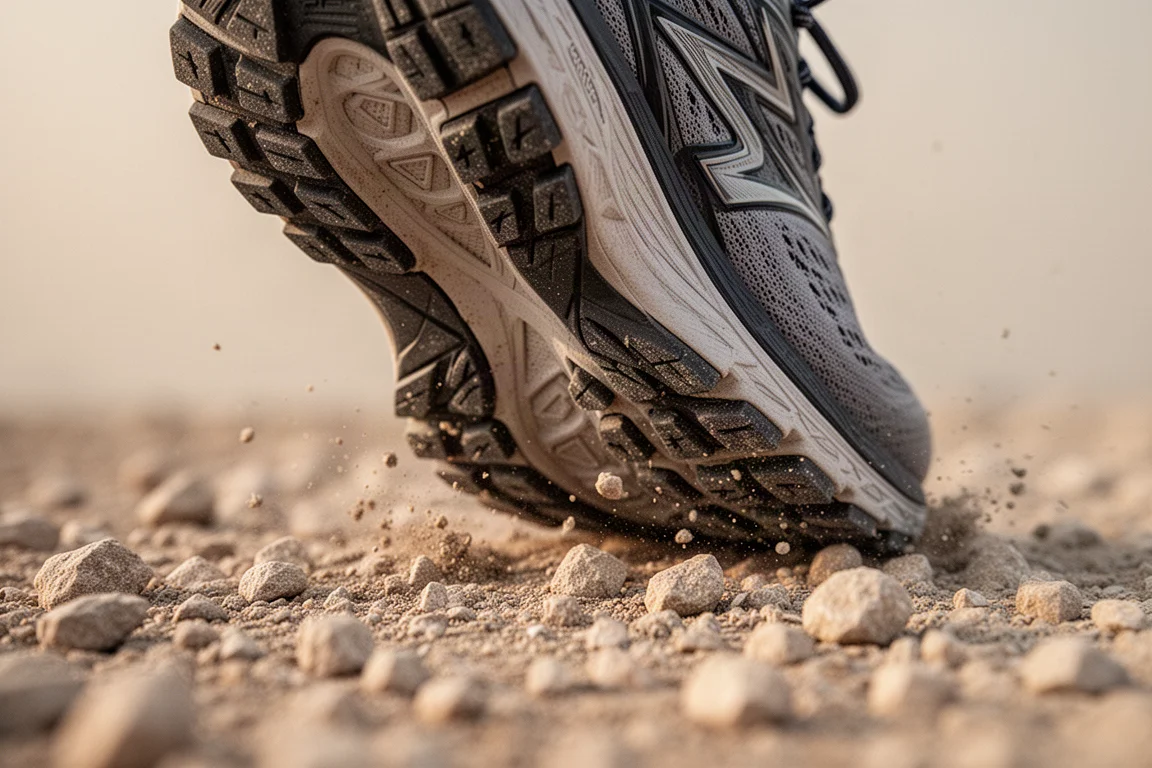
Both shoes should prove durable, with good levels of rubber on both outsoles and construction built for serious mileage. The Puma Grip outsole is the standout here, delivering reliable grip in wet conditions and working on light trails as well. The Clifton 10’s abrasion rubber has also performed fine in wetter conditions. Either shoe could comfortably serve as your only trainer, used on a regular basis for everything from easy miles to marathon training long runs.
Which One Should You Buy?
If you prefer a lively, responsive ride with a bit more range across paces, a narrower fit, and a lower price, the Puma Velocity Nitro 4 is the stronger pick. It suits runners who do a lot of easy, steady and progression running and want a shoe that can also handle tempo work. If you prioritise maximum stability, a wider and more accommodating fit, extra protective cushioning for long runs, and a reliably smooth and controlled ride, the Clifton 10 is the better match. For newer runners unsure where to start, the Clifton 10 is the more general crowd-pleaser and unlikely to offend, while experienced runners chasing a more fun and versatile experience will likely get more from the Puma, which is also the cheaper shoe, particularly in the UK.
Conclusion
Both the Puma Velocity Nitro 4 and Hoka Clifton 10 are very capable cushioned daily trainers, and most runners would be happy with either. The Puma wins on liveliness, versatility, weight and price, while the Hoka wins on stability, comfort, width options and long-run protection. Match the shoe to your foot shape and the kind of running you actually do, and the right choice becomes fairly clear.
Product link
View more details for Puma Velocity Nitro 4
This product is mentioned in the review. Check the specifications, options, and compatibility before buying.
View more details for Puma Velocity Nitro 4Further reading
Related Reviews

Running Shoes
Best Road-to-Trail Running Shoes: Three Versatile Options for Mixed Terrain
A practical guide to three road-to-trail running shoes that handle both pavement and mild trails, with clear strengths and trade-offs for different runner types.

Running Shoes
Best Running Shoes for Achilles Tendonitis: Three Options Explained
Three running shoes with different heel drops and support features designed to help reduce Achilles tendon pain during walking and running.

Running Shoes
Best Running Shoes for Women: Five Top Choices Ranked
A ranked guide to five women's running shoes, from versatile daily trainers to high-performance racing options, with real strengths and trade-offs for each.