Running Shoes
Puma Velocity Nitro 3 vs Nike Vomero 17: Which Daily Trainer Fits Your Running?
Two dual-foam daily trainers with very different personalities: a firm, fast workhorse against a soft, comfortable cruiser.
Introduction
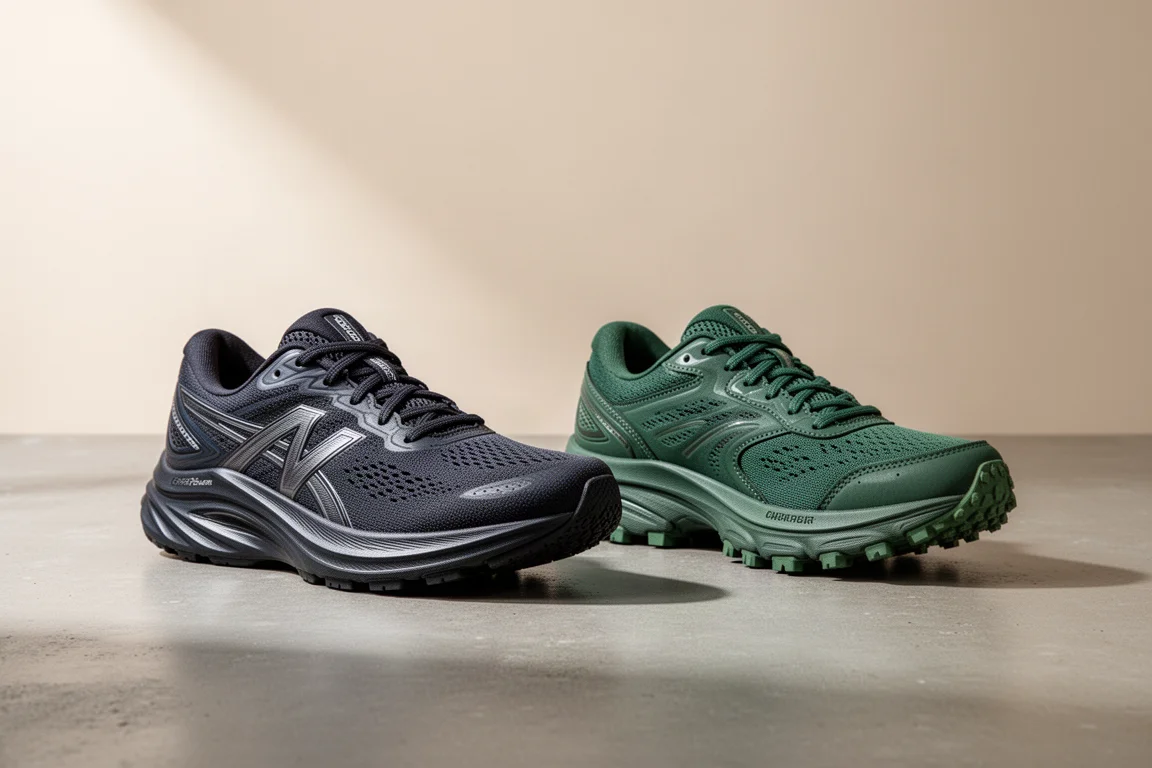
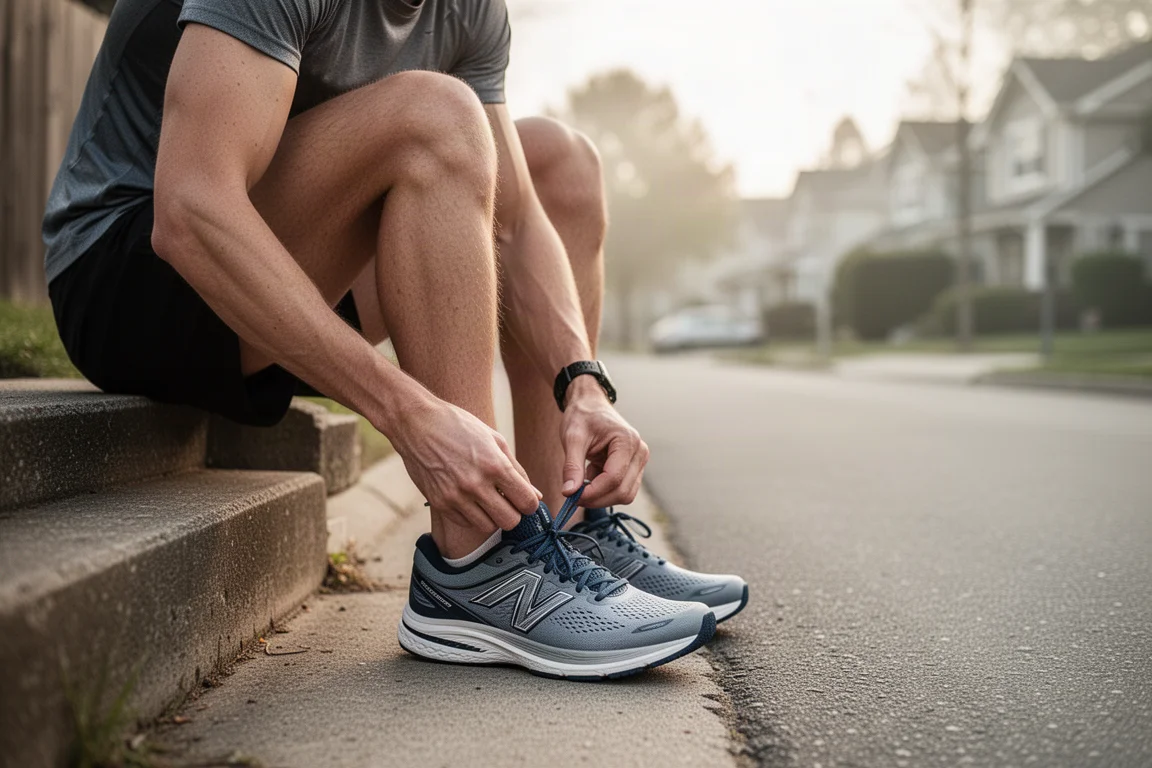
The Puma Velocity Nitro 3 and the Nike Vomero 17 are two of the most interesting daily trainers on the market right now, and they make a great head-to-head comparison. Both use dual-foam midsoles, both have robust outsoles, and both aim to be workhorse daily trainers. On paper, though, they target different runners: the Puma is cheaper and a bit sportier, while the Nike sits at the top of Nike’s everyday running range. This comparison looks at upper fit, ride experience, durability, and how each shoe might fit into your rotation.
Puma Velocity Nitro 3: The Firm, Fast Workhorse
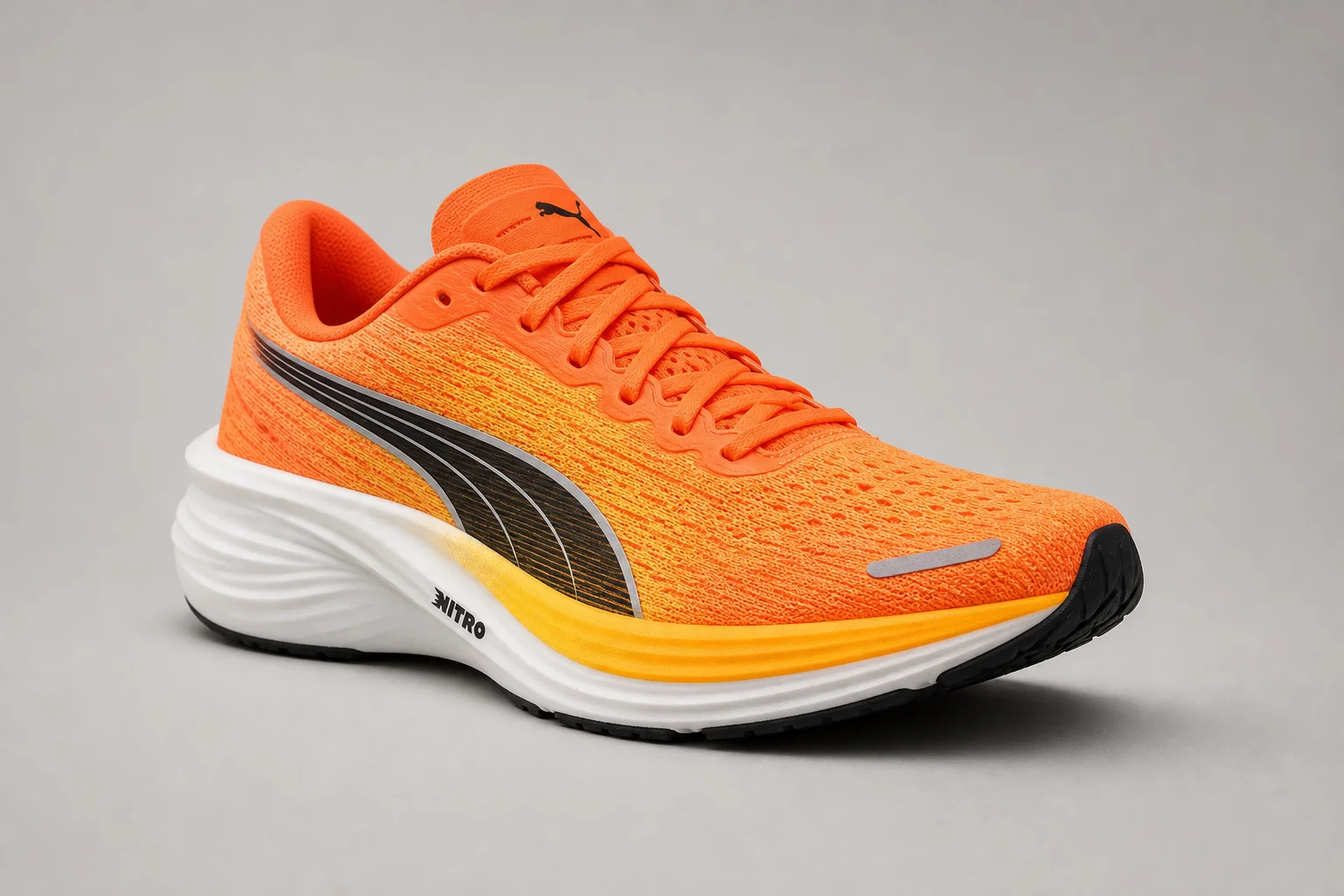
The Velocity Nitro 3 released on January 24th exclusively on the Puma site, with a wide release on February 1st. It is priced at $135, which undercuts most competitors in the moderately cushioned daily trainer segment. Puma added more of the top layer of Nitro foam in this version, making the ride a bit friendlier than version two, but it is still very much Puma’s workhorse-style daily trainer. Elite athletes have reportedly put heavy weekly mileage on it, which inspired a 100-mile week test: using it for every run in a full week and seeing how it holds up for a high-mileage recreational runner.
It is believed to sit in the 9-ounce range on the scale, and it is not noticeably heavier than the Vomero on foot. The shoe suits runners who like a firmer, more structured everyday ride and want a shoe that can also handle faster work.
Nike Vomero 17: The Premium Comfort Cruiser
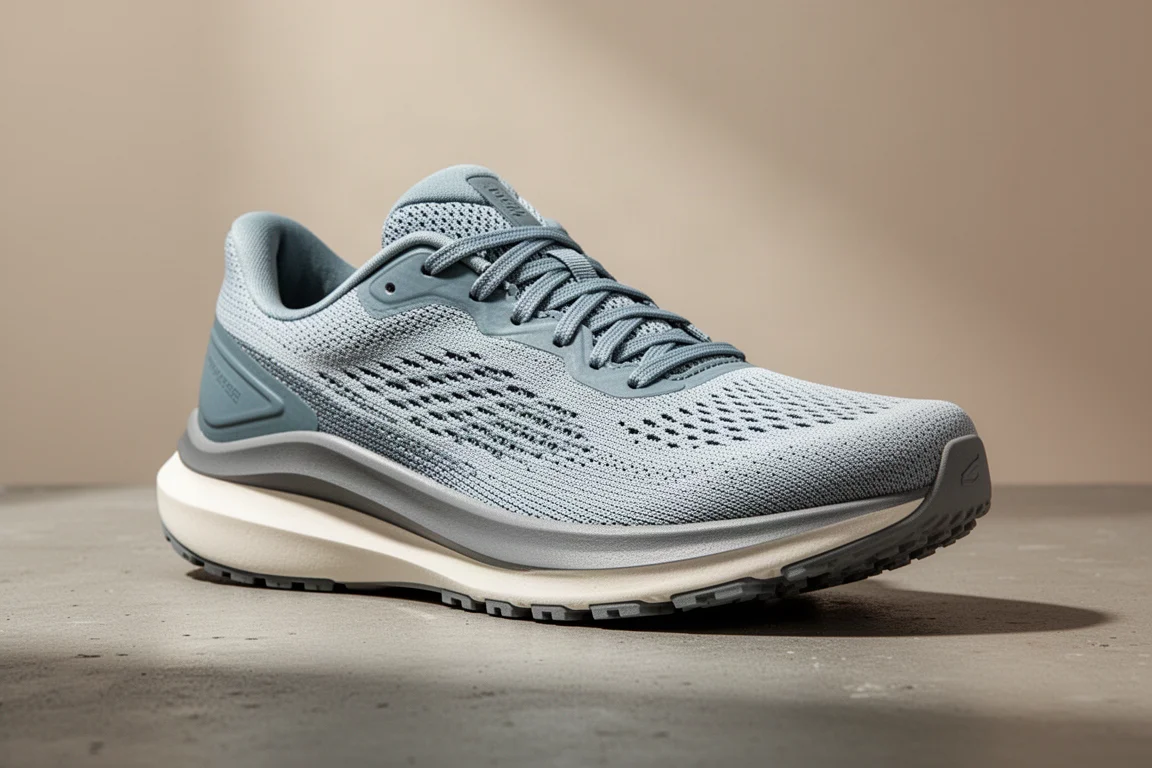
The Vomero 17 is Nike’s premium, top-tier daily trainer. In Nike’s everyday running category, the Pegasus is the entry point, and the Vomero sits one level above it. At $160 MSRP, you get more rubber for durability, a more structured and well-built upper, and a layer of ZoomX foam on top. The build quality pushes it above the 10-ounce range, so it is a little heavier on foot than the Velocity Nitro 3.
One thing worth noting: the forest green colorway has been on sale at Nike for $127, which puts it at roughly the same price as the Nitro 3. If you can find it on sale, the value proposition changes significantly. It is a shoe built for comfort and easy, relaxed miles rather than workouts.
Midsole and Stack
Both shoes use a dual-foam construction: a firmer EVA layer on the bottom and a softer foam on top. It is a clever way to blend the best properties of fast race-day foams with the stable, supportive feel of traditional running foams.
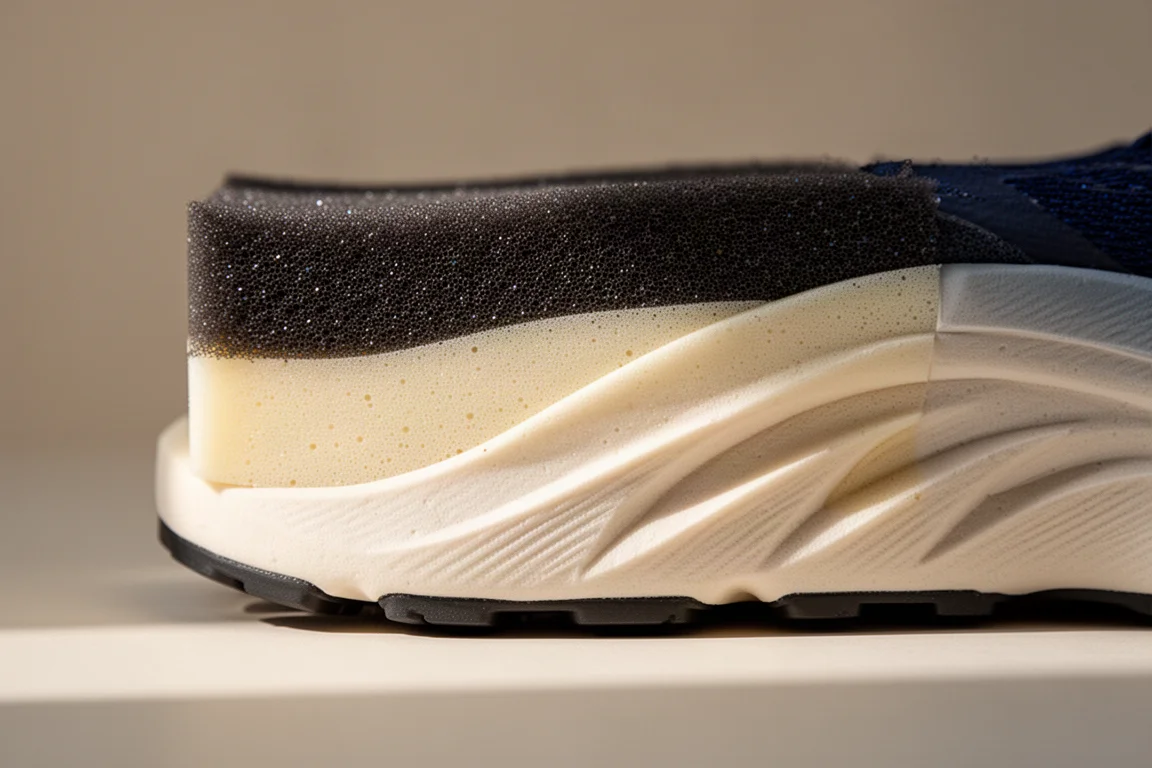
In the Velocity Nitro 3, the firmer EVA layer is very thin, almost just an additional layer of rubber at roughly 10 mm, topped with Puma’s Nitro foam. The Nitro compound is resilient and holds its properties across different run types and temperatures, though it needs a little break-in. It is supportive without being overly soft.
In the Vomero 17, the EVA layer is chunkier, especially at the heel, using Nike’s Cushlon 3.0. The top layer is ZoomX, Nike’s racing foam, also found unplated in the Invincible. Pairing it with Cushlon gives a soft step-in feel on top and a firmer, stabilizing base underneath, so your foot is not moving around when you are fatigued on distance runs.
On stack height, the Vomero has a bit more heel stack on paper, around 39 mm versus 36 mm in the Velocity Nitro 3. Both have a 10 mm drop, and both feel like every bit of that drop, so if you prefer lower-drop daily trainers, neither is the right pick. One caveat on the Vomero: the very thick rubber lugs may be included in the stack measurement, because the forefoot does not feel like a true 29 mm max-cushion platform. That is a good thing for runners who like a softer, more flexible forefoot with more ground feel.
Ride and Versatility
The headline difference is simple: the Velocity Nitro 3 is a fast, firm ride, and the Vomero 17 is a soft, relaxed everyday training ride. The Velocity Nitro 3 responds well to faster paces, running down at half marathon or threshold pace almost like a plated shoe thanks to the bouncy Nitro foam. It handled everything from short easy runs in the rain to a long treadmill workout. If you are a heavier striker or run at faster paces, the firmness feels great. If you are lighter or run slower paces, it may feel too firm for everyday use, especially if you did not enjoy very firm shoes like the Adidas Adizero Boston 12.
The Vomero 17, on the other hand, is a genuinely comfortable shoe for everyday miles. It is not a max-cushion recovery shoe and it is not a workout shoe. It can handle strides and the occasional faster pickup up to a steady pace range, but if you want a shoe for structured workouts or marathon-pace work, there are better options, including the Velocity Nitro 3 itself. In terms of versatility, the Nitro 3 clearly wins: it covers everything from recovery runs to faster work. The Vomero shines on the runs where you just want to cruise and enjoy the miles.
Both shoes are decently stable thanks to that firmer EVA base, which holds the foot in a straight line. If you need more guidance than a true neutral shoe, the Vomero is the better option: the foam wraps up around the side of the foot, locks the heel in place, and the base is a bit wider. The Nitro 3 feels more like a race-day fit.
Upper Fit and Comfort
Both shoes have well-built uppers, but the Vomero 17 wins on overall comfort and fit. It has a more forgiving last, especially in the forefoot, with a genuinely roomy toe box. It is one of the best daily trainer uppers in recent memory, particularly for wider feet. The Velocity Nitro 3, by contrast, is quite narrow, similar to some of the narrowest trainers around, and is not forgiving if you need a wide shoe.

On breathability, neither has a race-like upper, but the Velocity Nitro 3 ventilates better with more holes in the forefoot. The Vomero runs warm in hotter indoor conditions, so it is not ideal for summer running, though that dense upper plus a grippy outsole makes it a nice winter option. Lockdown is excellent in both: the Vomero’s fit is so secure you can slip it on and off without untying, while the Nitro 3 takes a bit more effort to get into but locks your foot in tightly once you are in. Styling is subjective, but the Vomero has a more classic, versatile sneaker look that works well around town and at the gym.
Outsole, Durability and Traction
The Vomero 17’s outsole, with about 200 miles logged, has been described as bomb proof, and that is fair. It has roughly 3 mm of rubber showing essentially zero wear on the forefoot, with only minor hard-wear signs on the lateral heel edge. The foam performance on both shoes is holding up well over time.
The Velocity Nitro 3, with 100 miles logged, shows a bit more wear than expected, with the texture worn through in spots, but there is a nice thick rubber layer and no wear into the foam yet. It should hold up to at least 250 to 300 miles, and Puma’s rubber has a strong reputation for durability.
Traction is where the Puma pulls away. On wet-weather runs there is no contest: Puma Grip is arguably the best wet-weather rubber available, gripping better than even the Adidas Continental. The Nike’s lugs are decent, but on grittier surfaces you can feel some side-to-side movement when cornering. If you need a wet-weather running shoe, the Nitro 3 is the clear choice.
Which One Should You Buy?
The Velocity Nitro 3 is a fun, fast ride for runners who want a firmer character in their everyday shoe. At $135, it is great value in a segment where most comparable shoes cost $140 or more, and its durability is excellent. The Vomero 17 is the pick for a softer, more forgiving ride, with ZoomX foam on top and a roomier upper making it the more comfortable shoe for slow running, walking, and gym use.

If you could only own one shoe for workouts, long runs, and everything in between, the Velocity Nitro 3 is the better all-rounder because it responds so much better to fast paces. Neither is an ideal race-day shoe if you want peak performance, but the Nitro 3 handles occasional racing far better. If your racing is limited to a casual once-or-twice-a-year 5K, the Vomero 17 is perfectly fine for that. In short: firm and fast, go Puma; comfort and relaxation, go Nike.
Conclusion
Both of these are excellent dual-foam daily trainers with durable outsoles, and both are built to rack up serious mileage. The Velocity Nitro 3 takes the prize for speed, versatility, and value, while the Vomero 17 is the more comfortable, better-fitting choice for relaxed everyday miles. Matching the shoe to how you actually run is what matters most.
Further reading
Related Reviews

Running Shoes
Best Road-to-Trail Running Shoes: Three Versatile Options for Mixed Terrain
A practical guide to three road-to-trail running shoes that handle both pavement and mild trails, with clear strengths and trade-offs for different runner types.

Running Shoes
Best Running Shoes for Achilles Tendonitis: Three Options Explained
Three running shoes with different heel drops and support features designed to help reduce Achilles tendon pain during walking and running.

Running Shoes
Best Running Shoes for Women: Five Top Choices Ranked
A ranked guide to five women's running shoes, from versatile daily trainers to high-performance racing options, with real strengths and trade-offs for each.