Running Shoes
Puma Velocity Nitro 3 vs New Balance FuelCell Propel V5: Which Daily Trainer Is Right for You?
Two affordable daily trainers go head to head, with the versatile Adidas Adizero SL2 thrown in as a fast-running alternative.
Introduction
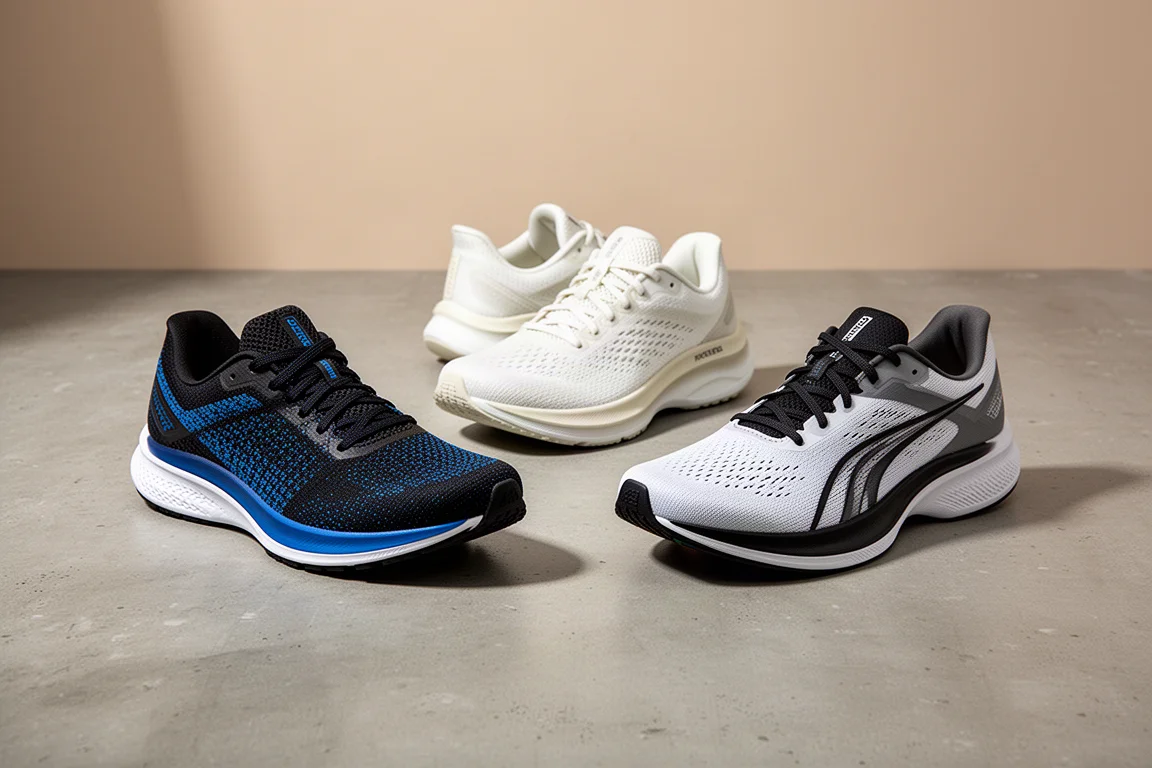
When runners search for an affordable, versatile daily trainer, two names keep coming up: the Puma Velocity Nitro 3 and the New Balance FuelCell Propel V5. Both sit in that sweet spot for newer runners, or for anyone with a shoe rotation who wants a dependable mid-tier shoe to soak up everyday miles while protecting more expensive pairs. But despite occupying the same category, they are quite different shoes, and the differences come down mainly to the midsole.
Puma Velocity Nitro 3
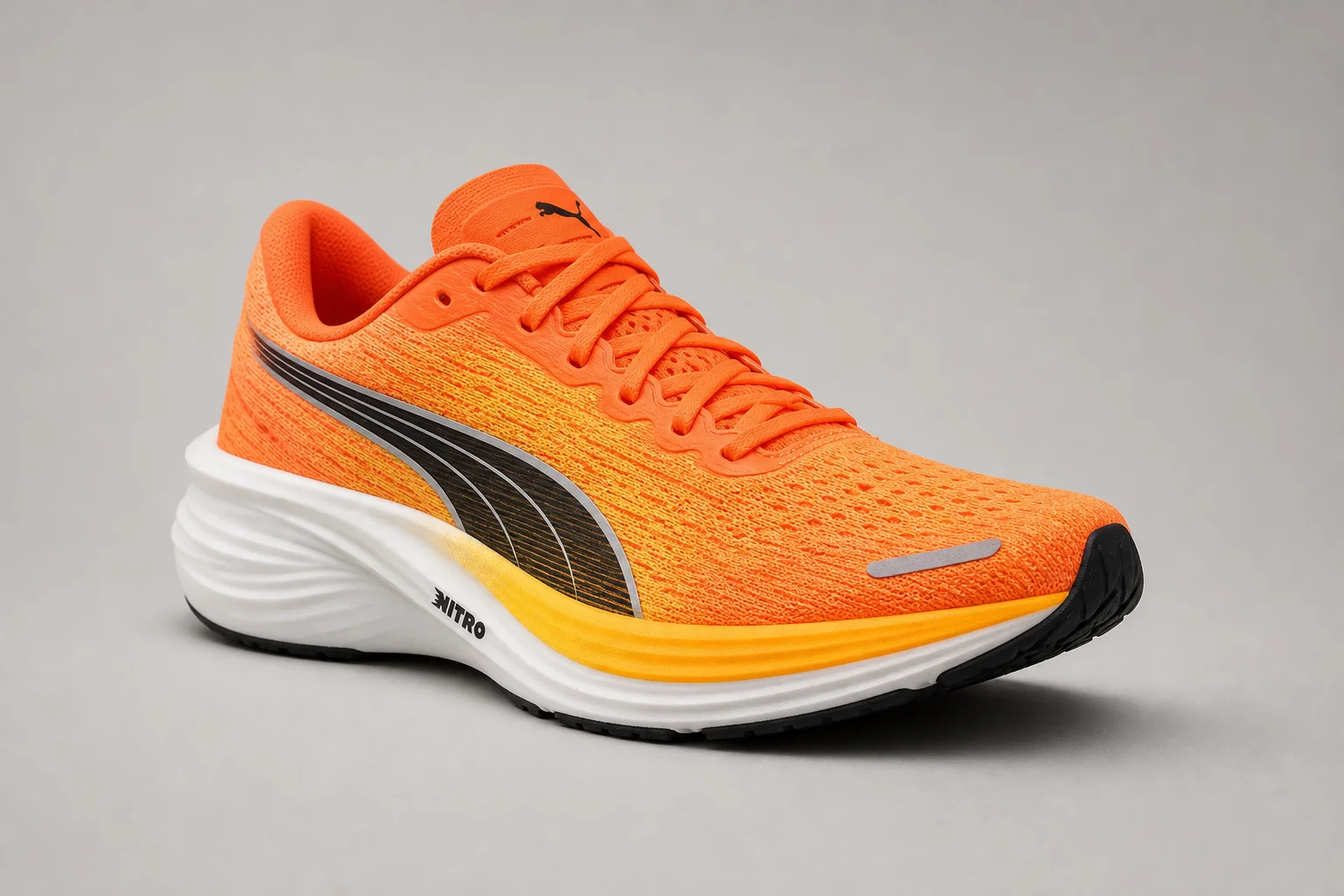
The Velocity Nitro 3 costs £110 or $135, weighs 271g (9.6oz) for men in a size 8, and has a 10mm drop. It is not a major overhaul of the hugely popular Velocity Nitro 2, instead refining the formula with a few targeted changes: more dual-density midsole foam for comfort, modified padding around the heel, and new power tape strips on the upper for structure and support. The trade-off for the extra foam is a slight weight increase.

The real story here is the well-balanced midsole. It is not overly soft, but it has enough cushioning and impact protection for easy runs while retaining enough responsiveness to let you pick up the pace. That balance makes it genuinely useful across many types of runs, with a nice rolling action and comfort that holds up over long training blocks.
The upper is arguably the best of any Velocity Nitro released so far, and the Puma Grip outsole is one of the best on the market. Grip is good enough that the shoe can handle lighter trails, and durability means it simply plows through miles.
It is not the most versatile shoe in the world. You probably would not race a sub-three-hour marathon in it. But for most runners it will cover a huge share of training, and it remains one of the cheapest higher-quality daily trainers available. It is often compared against shoes costing significantly more, and it still comes out on top.
New Balance FuelCell Propel V5
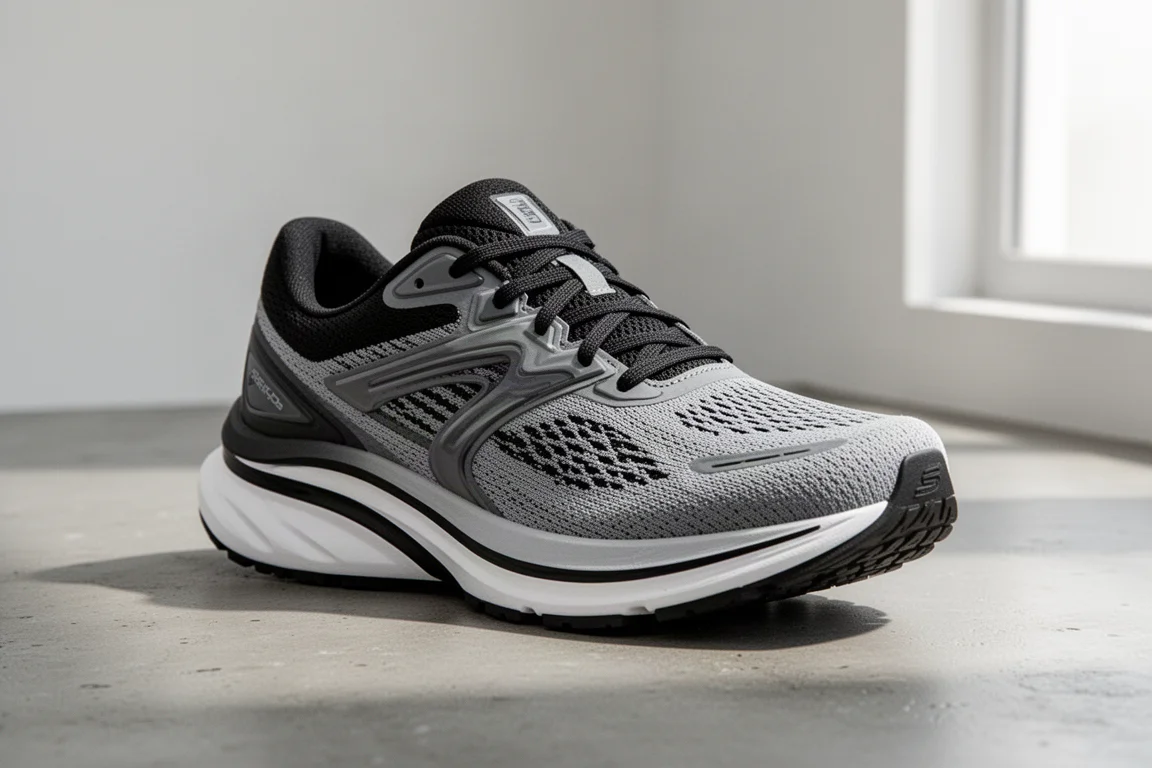
The FuelCell Propel V5 costs £120 or $119.99, weighs 265g (9.3oz) for men in a size 8, and has a 6mm drop. It is New Balance’s entry-level shoe in the FuelCell lineup, using the brand’s FuelCell foam for a cushioned, balanced ride, plus a TPU plate for a snappier feel and a well-structured upper built for comfort and support.

This is a genuinely soft shoe. On shorter runs of 5K to 10K, the midsole feels plush with a noticeable bit of bounce, and it is arguably the better of the two for pure easy-run comfort. The outsole, similar to the Rebel V4’s, is generous and grippy, with no issues reported over the first 60km despite some exposed softer midsole foam. The outsole is thick, so it should hold up well, though the exposed foam is worth keeping an eye on over time.
The limitation shows up when you push the pace. Under harder efforts, the soft midsole squishes and does not give much back, which makes interval sessions feel flat. The Propel V5 is a cushion shoe above all else, not a versatile all-rounder, and it is nowhere near as adaptable as the Velocity Nitro 3.
Adidas Adizero SL2
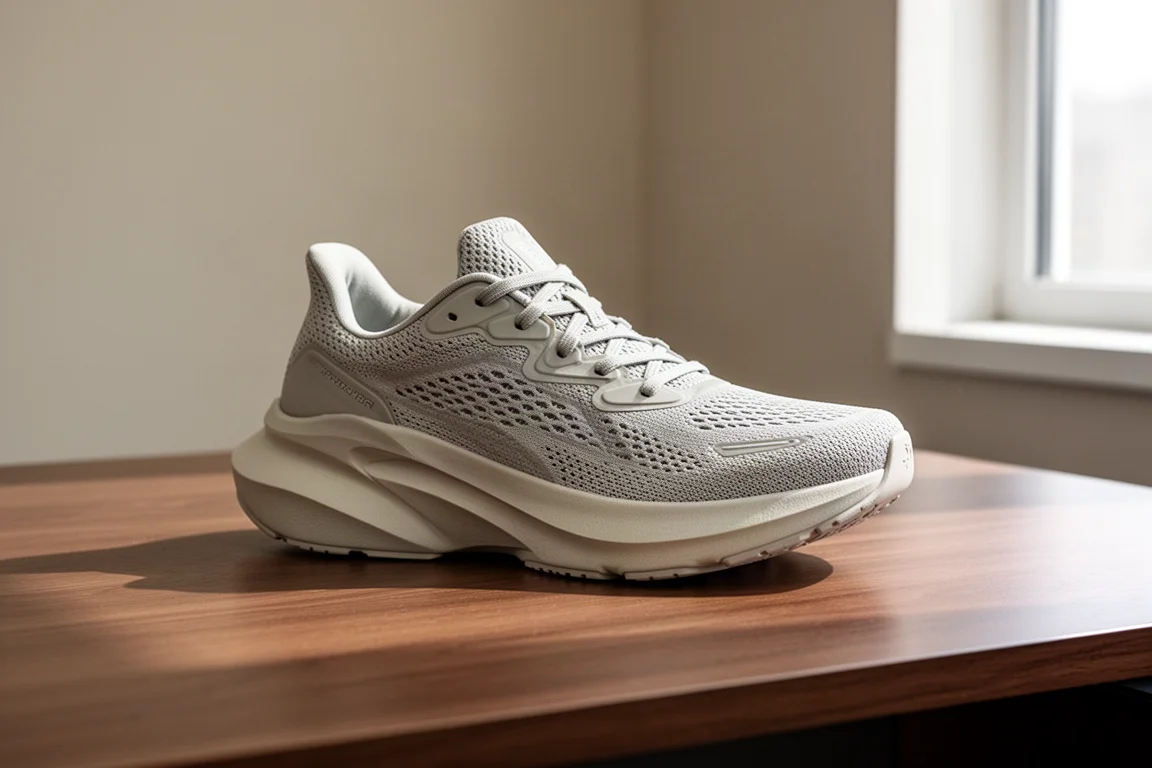
Worth considering alongside these two is the Adidas Adizero SL2. It is similar to the Velocity Nitro 3 in that it is versatile, balanced, and suited to many types of runs, but it leans slightly more towards faster, nippier sessions than easy mileage.

If your priority is a shoe for interval sessions and speedwork, the Adizero SL2 just edges out the Velocity Nitro 3. If your focus is comfort and mostly easy runs, the Velocity Nitro 3 remains the better pick.
Fit and Sizing
The Velocity Nitro 3 is a very roomy shoe, with plenty of space around the forefoot and toe box. Some runners might consider going down half a size given the generous fit, though staying true to size worked fine for the testing team. The Propel V5 is less roomy; true to size is fine for average-width feet, but wider feet may find it slightly restrictive.
Which One Should You Buy?
If you want one shoe to do the majority of your running, the Velocity Nitro 3 is the clear pick. It is £10 cheaper in the UK, frequently discounted further in sales, and is one of the best all-rounder daily trainers available today. Even older versions of the Velocity Nitro remain excellent, with only small differences between generations, so grabbing a discounted earlier model is a smart way to save.
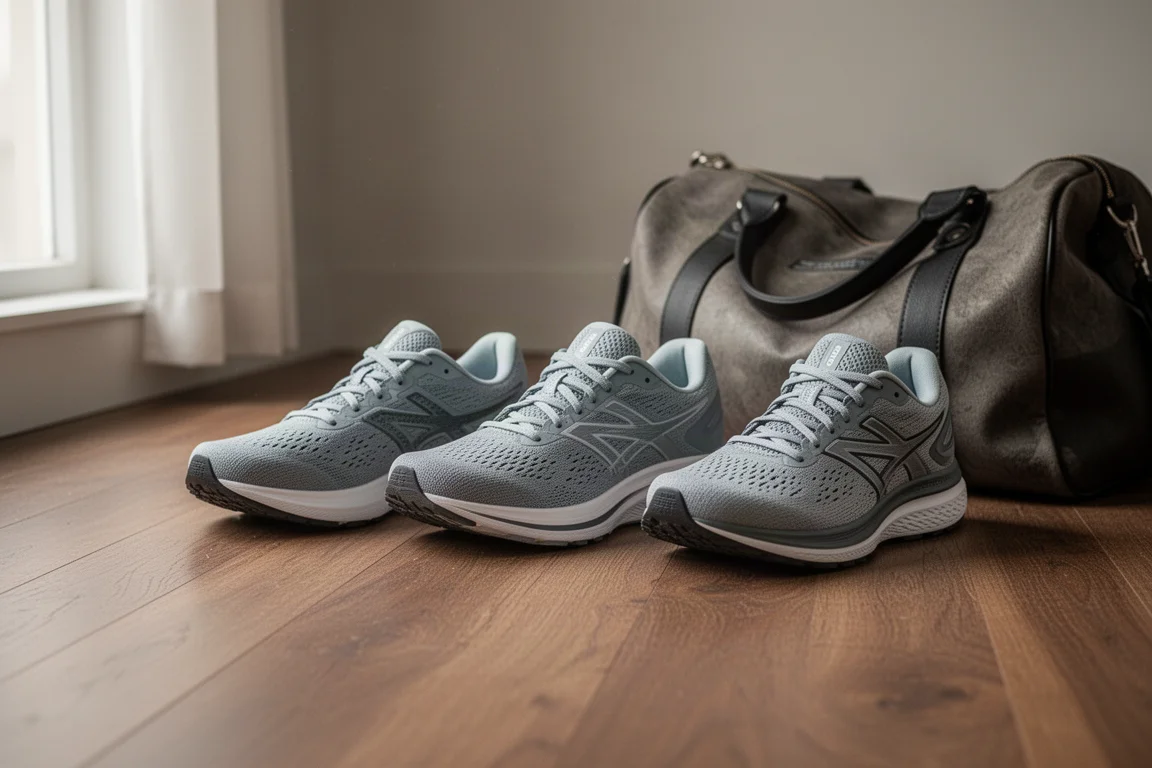
The Propel V5 makes sense for a more specific runner: perhaps a beginner or a general runner who never does intervals or races and simply wants a soft, comfortable shoe for 5Ks and 10Ks, at a price well below premium cushioned shoes that can approach £180. For easy runs it arguably beats the Puma; for everything else, the Velocity Nitro 3 wins.
Conclusion
For most runners, the Puma Velocity Nitro 3 is the better buy: cheaper, more versatile, durable, and comfortable enough to handle a wide range of training. The New Balance FuelCell Propel V5 is a lovely pure-cushion option for easy mileage, and the Adidas Adizero SL2 is worth a look if speedwork sits higher on your priority list. Match the shoe to the runs you actually do, and any of these three can earn a place in your rotation.
Further reading
Related Reviews

Running Shoes
Best Road-to-Trail Running Shoes: Three Versatile Options for Mixed Terrain
A practical guide to three road-to-trail running shoes that handle both pavement and mild trails, with clear strengths and trade-offs for different runner types.

Running Shoes
Best Running Shoes for Achilles Tendonitis: Three Options Explained
Three running shoes with different heel drops and support features designed to help reduce Achilles tendon pain during walking and running.

Running Shoes
Best Running Shoes for Women: Five Top Choices Ranked
A ranked guide to five women's running shoes, from versatile daily trainers to high-performance racing options, with real strengths and trade-offs for each.