Running Shoes
Puma Velocity Nitro 3 vs Puma Magnify Nitro 2: Which Cushioned Trainer Should You Buy?
Two of Puma's most cushioned neutral trainers go head to head. We compare stack, foam, fit, ride feel and value to help you pick the right one.
Introduction
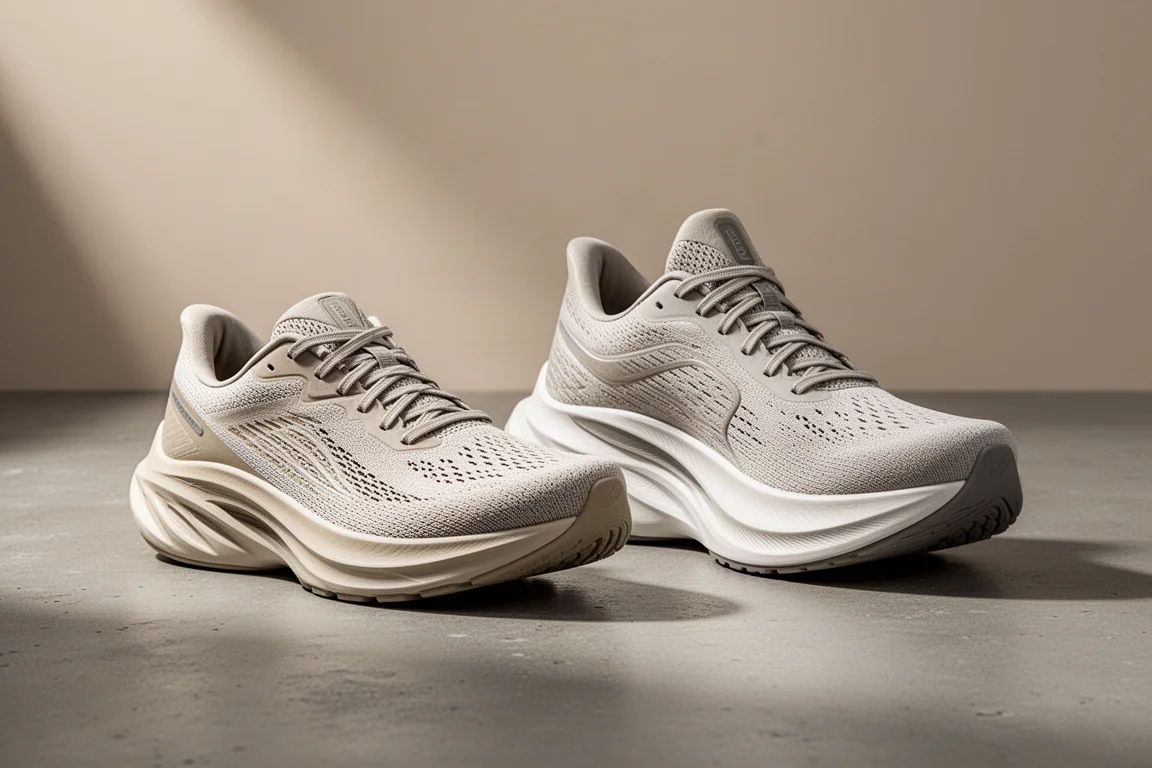
Puma’s cushioned lineup for neutral runners has quietly become one of the best value stories in running shoes right now. The Velocity Nitro 3 and the Magnify Nitro 2 sit at the top of that range: the Magnify is the max-cushion option, while the Velocity is built more as a daily trainer. Both are well-cushioned shoes with a lot of shared Puma features, and they perform in a remarkably similar way.
That similarity makes choosing between them tricky, so this comparison breaks down where they actually differ: stack height, midsole foam, fit, ride feel and price.
Two Cushioned Shoes, Two Different Missions
The Velocity Nitro 3 is the cheaper shoe at £110 or $130, while the Magnify Nitro 2 comes in at £140. The Magnify is also a little heavier at 298g (10.5 oz) in a UK 9, versus 283g (10 oz) for the Velocity Nitro 3 in the same size. That extra weight comes from the extra stack: both shoes have a 10mm drop, but the Magnify measures 40mm at the heel and 30mm at the forefoot, while the Velocity is 36mm at the heel and 26mm at the forefoot.
Both shoes use engineered mesh uppers with Puma’s Power Tape, which adds structure, especially on the medial side, for a bit more support and stability. Both are nicely padded around the heel, though the Magnify has more padding on the tongue, while the Velocity trims a little weight with a slightly thinner tongue.

Midsole and Outsole: Where They Really Differ
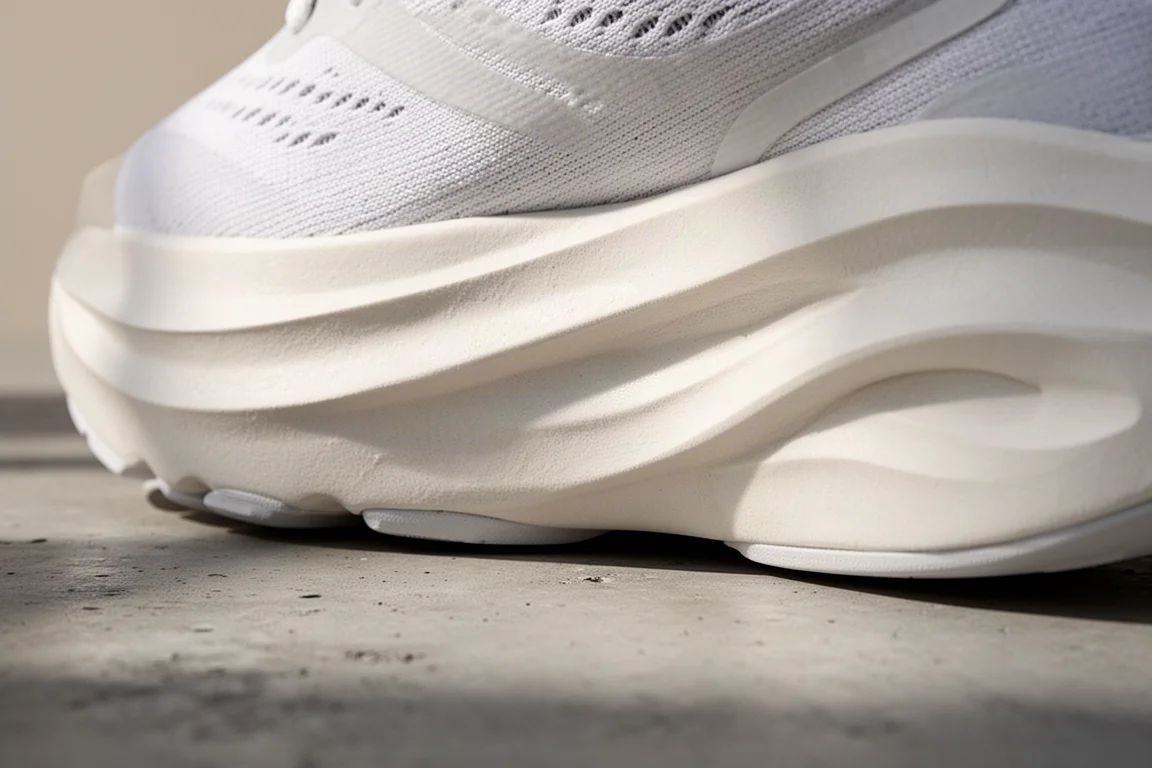
The midsoles are where the key differences live. The Magnify’s midsole is entirely made from Puma’s Nitro foam, a nitrogen-infused supercritical foam that is lightweight and bouncy. The Velocity also has plenty of that Nitro foam in the whole top layer, but it adds a smaller bottom layer of ProFoam Lite, an EVA foam that is a bit firmer, hardier and not quite as bouncy.
Both shoes use Puma’s PUMAGRIP outsole rubber. The layer is slightly thicker on the Magnify Nitro 2, but the Velocity Nitro 3 has slightly better coverage with a bit more exposed foam. On both shoes, all the key impact areas are covered, and PUMAGRIP is an excellent outsole rubber, so you get really good grip either way. It is essentially a wash.
Fit and Sizing Advice
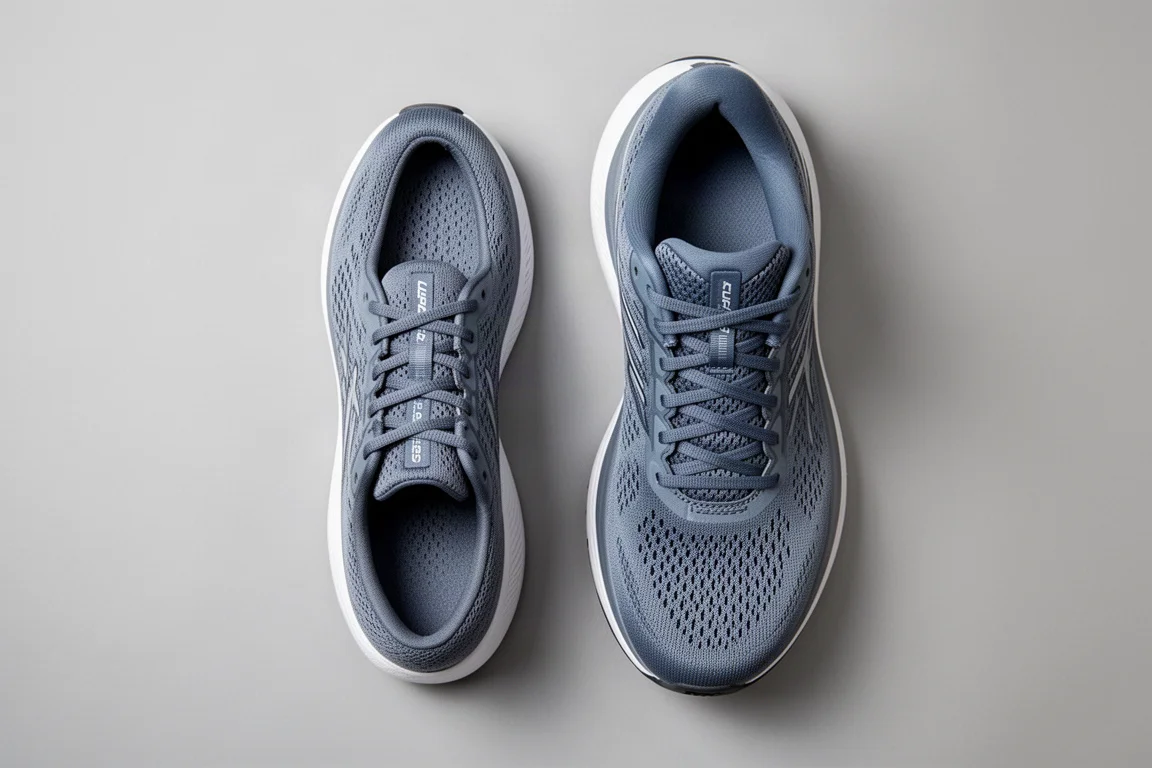
Both shoes were tested in a normal UK size (UK 9, US 10 for Puma) with a good result: enough room in the toe box and good hold around the heel and midfoot. But the fits are quite different. The Velocity is a much narrower shoe along its whole length, including a tighter, more cinched padding design around the back of the Achilles. That suits narrower feet very well.
The Magnify has a more spacious fit throughout, especially in the toe box, and it runs quite long, so sizing down half a size is worth considering if you don’t want extra forefoot space. Both shoes run slightly narrow overall, so if you have wide feet, take that into account, though the Velocity Nitro 3 is a little more forgiving than earlier versions.
Ride Feel and Performance
Both shoes are very good cushioned cruisers that handle easy runs extremely well. Neither has a plate, and neither feels aggressively rockered; they have fairly traditional rides that never feel harsh underfoot, with enough foam under the forefoot to avoid discomfort.
The Magnify feels slightly softer thanks to its bulkier and wider design, which adds ground contact, structure and support for easy runs. It is one of the more versatile max-cushion shoes available because the Nitro midsole is responsive and it doesn’t feel too heavy for a 40mm stack shoe. It is at its best on easy cruising runs and especially long runs, where it feels protective and comfortable. The foam is dense rather than plasticky-firm, so it stays comfortable, and that slightly firmer, denser midsole also makes it a very stable cushion shoe, as is the Velocity.
The Velocity is a little lighter and nimbler, but the real difference is its narrowness and the dual-density midsole. The firmer ProFoam Lite layer under the bouncy Nitro top layer gives it a more responsive feel and better ground feel under the forefoot, so the transition feels snappier. It is better suited to picking up the pace, whether that’s short intervals or sustained tempo efforts, and the narrow design makes the turnover feel quicker and more natural at faster paces. A test wearing one shoe on each foot confirmed it: both feel very cushioned at the heel, but the Velocity has a firmer, nippier forefoot feel, while the Magnify is the bigger, slightly poppy and more enjoyable cruiser.
Which One Should You Buy?
The Velocity Nitro 3 is a daily shoe designed for a nice mix of comfort, easy runs and a little extra versatility. It handles intervals and faster tempo runs well, and it makes a fantastic single-shoe option: a great pick for beginners or general runners who don’t want to spend a lot on a rotation. It is not as versatile as some more expensive hybrid trainers, but it is significantly cheaper and often comes off on top in comparisons with pricier premium shoes. Older versions of the Velocity Nitro range can often be picked up for around £50, which punches well above its price.
The Magnify Nitro 2 is the chunkiest, most cushioned shoe in Puma’s range. If you want loads of cushioning, note that it sits more on the firmer, denser side of cushioning: comfortable and balanced rather than super soft and bouncy. Because it is firmer, it is also a bit more responsive than many cushioned shoes, so it is not reserved only for recovery runs; you can pick up the pace, do more marathon training and handle a range of easy runs. It is also the more comfortable and protective option over long distances, and its wider fit suits runners who need a bit more room.

Conclusion
The overall verdict here is close, with a lot of overlap between the two. If you want more cushioning underfoot and a wider, more spacious fit, the Magnify Nitro 2 delivers, and it remains a reasonably versatile cushion shoe. The Velocity Nitro 3 offers a bit less cushioning but a nippier, narrower feel, plus clearly better value, and its cushioning is enough for most people. If you can still find the Velocity Nitro 1 or 2 on sale, they represent an outstanding deal as a spare shoe or everyday mile-ticker. Either way, both excel in comfort and grip, and you could happily pick up either one as your all-round daily trainer depending purely on your preference for ride feel.
Product link
View more details for Puma Velocity Nitro 3
This product is mentioned in the review. Check the specifications, options, and compatibility before buying.
View more details for Puma Velocity Nitro 3Further reading
Related Reviews

Running Shoes
Best Road-to-Trail Running Shoes: Three Versatile Options for Mixed Terrain
A practical guide to three road-to-trail running shoes that handle both pavement and mild trails, with clear strengths and trade-offs for different runner types.

Running Shoes
Best Running Shoes for Achilles Tendonitis: Three Options Explained
Three running shoes with different heel drops and support features designed to help reduce Achilles tendon pain during walking and running.

Running Shoes
Best Running Shoes for Women: Five Top Choices Ranked
A ranked guide to five women's running shoes, from versatile daily trainers to high-performance racing options, with real strengths and trade-offs for each.