Running Shoes
Puma Velocity Nitro 3 vs Asics Novablast 4: Which Daily Trainer Deserves Your Money?
Two well-cushioned daily trainers go head to head on ride, fit, grip, and value to help you pick the right one.
Introduction
The Puma Velocity Nitro 3 and the Asics Novablast 4 occupy the same space in their respective lineups: mid-level, well-cushioned daily trainers that cost less than each brand’s top-cushion models. Both are built to handle a wide variety of runs while staying comfortable enough for everyday use, and both sit firmly at the front of the shoe cupboard for good reason.
Two Cushioned Daily Trainers, One Clear Choice
These shoes are meant to be daily trainers that can handle a nice wide variety of running while remaining cushioned and comfortable. The Velocity Nitro 3 undercuts the Novablast 4 on price, sitting below the top cushion shoes in each range, such as Puma’s Magnify Nitro 2 or Asics’ GEL Nimbus and even the Superblast. Both are very protective, both are stable, and both can cover everything from slow long runs to tempo work.
If you want a single do-it-all trainer, either shoe will serve you well. The differences come down to ride feel, grip, and how much of your budget you want to spend.
Puma Velocity Nitro 3
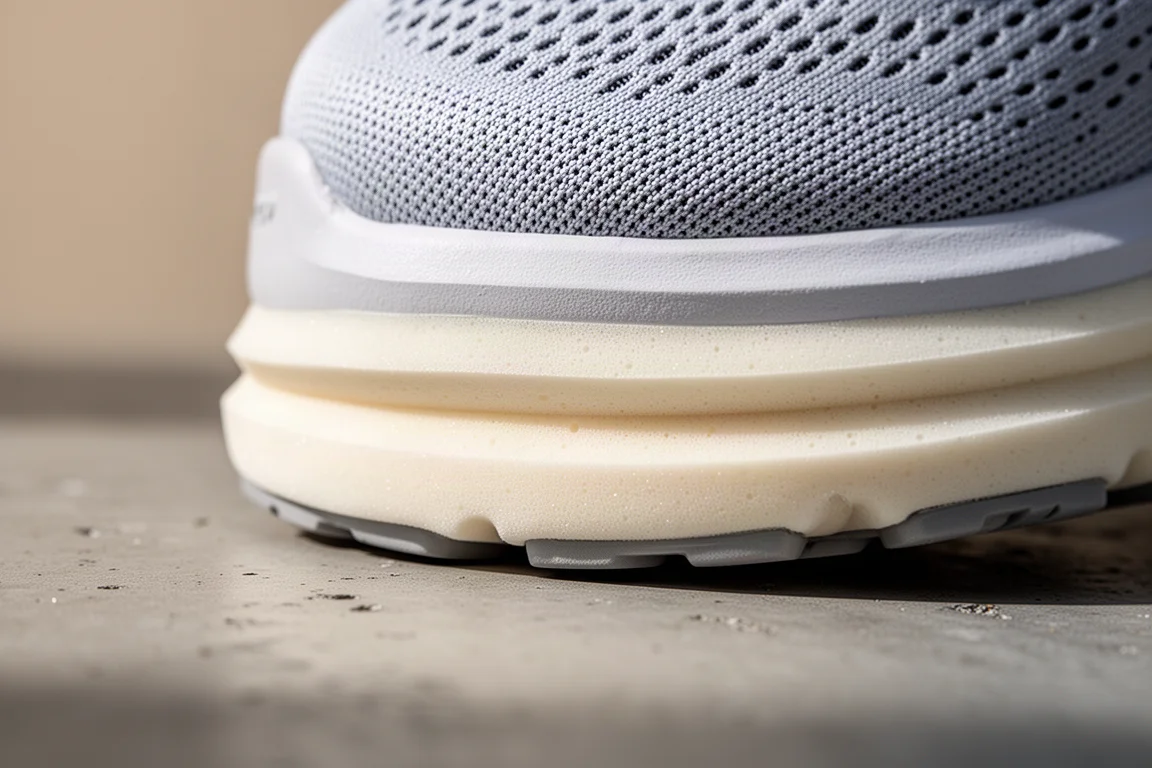
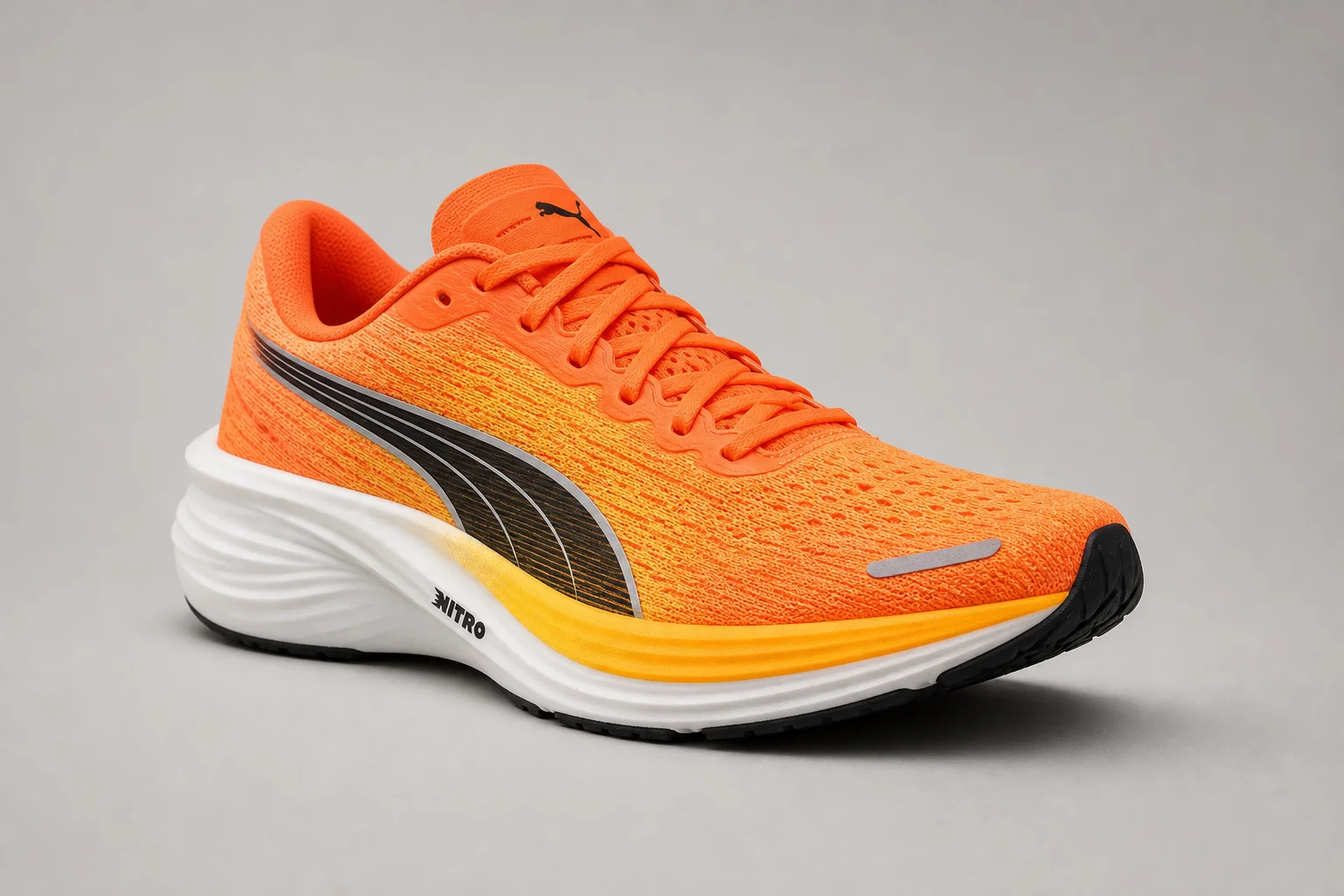
The Velocity Nitro 3 is the cheaper of the two at £110 or $130. It weighs 283g (10 oz) in a UK 9, sits at 36mm at the heel dropping to 26mm at the forefoot, and carries a 10mm drop. The midsole uses a dual-density setup: a nitrogen-infused NITRO top layer sitting above a firmer EVA ProFoam Light base. That firmer layer beneath the softer NITRO foam creates a dual-density effect that adds stability and a bit of protection.
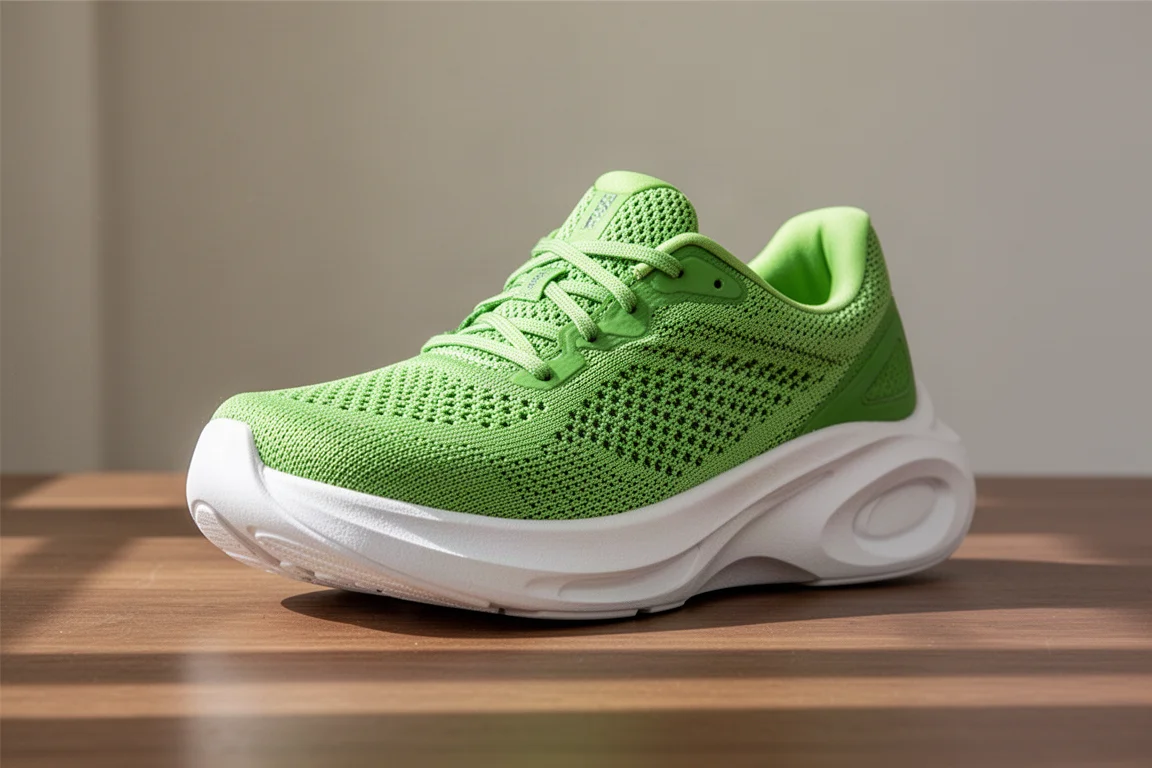
The upper is a mesh with internal PwrTAPE for structure, with solid padding around the heel. Puma’s PWRGRIP outsole is a major plus: it grips really well in wet conditions, is durable, and offers more rubber coverage than the Novablast 4, especially at the forefoot. It is one of the best outsoles available and would be fine on lighter trails too.
On the run, the Velocity Nitro 3 has a snappier, more nimble ride thanks to its higher drop and narrower footprint. Even though the Asics is actually the lighter shoe, the Puma feels smaller on the foot, which helps when picking up the pace for short bursts. The foams are set up so you transition smoothly, so the 10mm drop never feels harsh. The essence of this shoe is protection: ease off and it is a comfortable, protective easy-run shoe; pick up the pace and the dual-density midsole gives you something lively for tempo work.
Asics Novablast 4
The Novablast 4 costs £135 or $140 and is the lighter shoe despite a very big stack: 270g (9.5 oz) in a UK 9, standing 41.5mm at the heel and 33.5mm at the forefoot with an 8mm drop. The stack is built from Asics’ FF Blast Plus foam, a well-balanced foam that mixes comfort and bounce, with foam sidewalls to keep your foot sitting within a more stable platform. An internal heel counter adds structure to handle the higher stack.
The woven upper with a partially gusseted tongue fits comfortably, and the AHAR low rubber outsole has extensive coverage, though not quite as much as the Puma, and it is not quite as grippy.
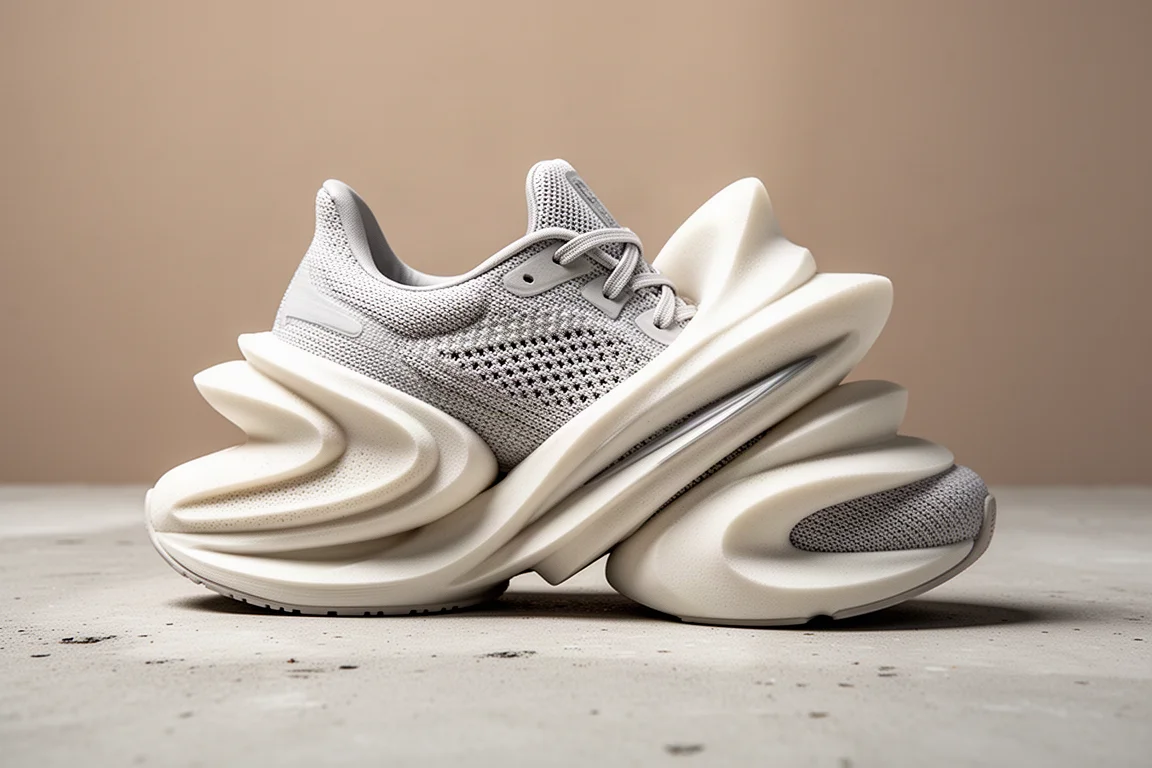
On the run, the Novablast 4 is the softer, more cushioned shoe with a noticeable rocker feel that rolls you through the stride nicely. The Novablast 4 midsole feels a little softer than the Velocity Nitro 3, and the shoe has a faster edge: it wants you to run a little quicker, getting you onto your toes in a stable fashion. It surprised with how well it handled a 60-seconds-on, 30-seconds-off session and a parkrun cruise, plus a long run with a smooth ride. It is a real return to form for the line after the wobbly first version and the duller third version, with more energy return and one of the widest versatility spans of any daily trainer.
Fit and Sizing
Both shoes fit true to size in normal running shoe sizing, and testers with average-to-narrow feet had no issues in either. The Velocity Nitro 3 is the more narrow shoe of the two and wraps a little closer, particularly at the midfoot, which suits narrower feet, though the forgiving upper gives some wiggle room. The Novablast 4 has a more relaxed, accommodating fit with a stretchy upper, a change from earlier Novablast versions that ran narrow.
Which One Should You Buy?
If value is your priority, the Velocity Nitro 3 is the shoe to go for. It regularly competes with shoes costing £40 to £50 more, and older versions of the Velocity line drop in price dramatically, sometimes to around £50, making them exceptional value for a solid daily shoe. For runners on a budget of around £110 who want protection on longer runs plus the ability to run up-tempo, the Puma is the pick.

The Novablast 4 is the more versatile of the two and the slightly more polished package. Its foam is bouncier and softer, it feels better when you push the pace, and it suits people who love maxed-out cushioning in a surprisingly light shoe. If the two were the same price, the Novablast 4 would be the choice. Given the gap, the Velocity Nitro 3 earns its place as the better value buy, but you would be genuinely happy running in either.
Conclusion
These are two standout versatile daily trainers that can handle slower, longer running as comfortably as tempo sessions. The Velocity Nitro 3 wins on value, grip, and protective cushioning; the Novablast 4 wins on ride quality, versatility, and that softer, bouncier feel. Pick the Puma if you want maximum shoe for minimum spend, and the Asics if you want the extra polish and are happy to pay a little more for it.
Further reading
Related Reviews

Running Shoes
Best Road-to-Trail Running Shoes: Three Versatile Options for Mixed Terrain
A practical guide to three road-to-trail running shoes that handle both pavement and mild trails, with clear strengths and trade-offs for different runner types.

Running Shoes
Best Running Shoes for Achilles Tendonitis: Three Options Explained
Three running shoes with different heel drops and support features designed to help reduce Achilles tendon pain during walking and running.

Running Shoes
Best Running Shoes for Women: Five Top Choices Ranked
A ranked guide to five women's running shoes, from versatile daily trainers to high-performance racing options, with real strengths and trade-offs for each.