Running Shoes
Puma Velocity Nitro 2 vs Reebok Floatride Energy 4: Two of the Best Value Daily Trainers
Two of the top value running shoes on the market compared: weights, drops, ride feel, fit, and which one belongs in your rotation.
Introduction
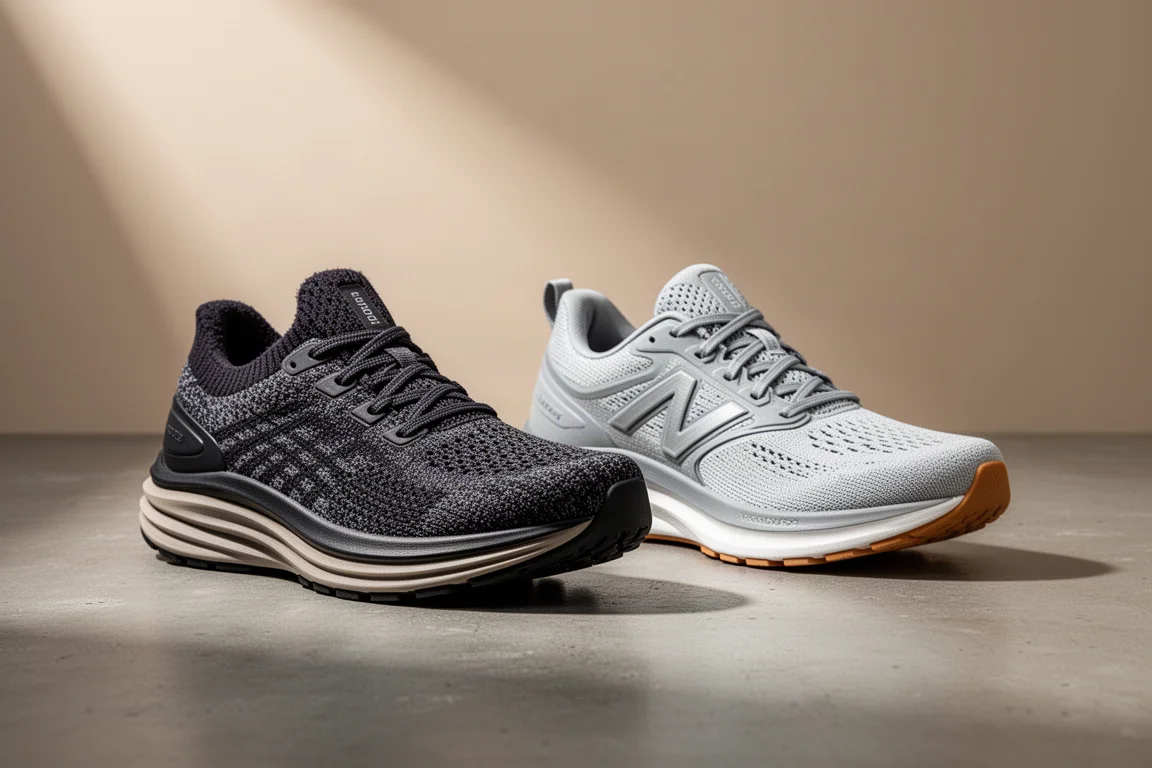
Value is the story here. Two daily trainers that undercut much of the competition on price while, in our experience, running better than a lot of the more expensive options. We logged easy runs, steady work, and speed sessions in both to see how they stack up.
Specs and Price: The Numbers That Matter
Price is a key stat for both shoes. In the UK, the Puma Velocity Nitro 2 is £100 while the Reebok Floatride Energy 4 is £75. In the US, the Floatride Energy 4 is $110 and the Puma is $120. The Reebok is also the lighter shoe.
The Puma has a 10 millimeter heel-to-toe drop and weighs 271 grams (9.55 ounces), while the Reebok sits at a 9 millimeter drop and 250 grams (8.8 ounces), both in UK size 9. The Reebok’s weight is a talking point because it has dropped considerably from the previous version, thanks to upper changes: a thinner, more breathable SpeedShift material, less padding on the tongue, and a generally stripped-back upper that sacrifices nothing in hold or comfort.
Puma Velocity Nitro 2: Soft, Bouncy, Joyous
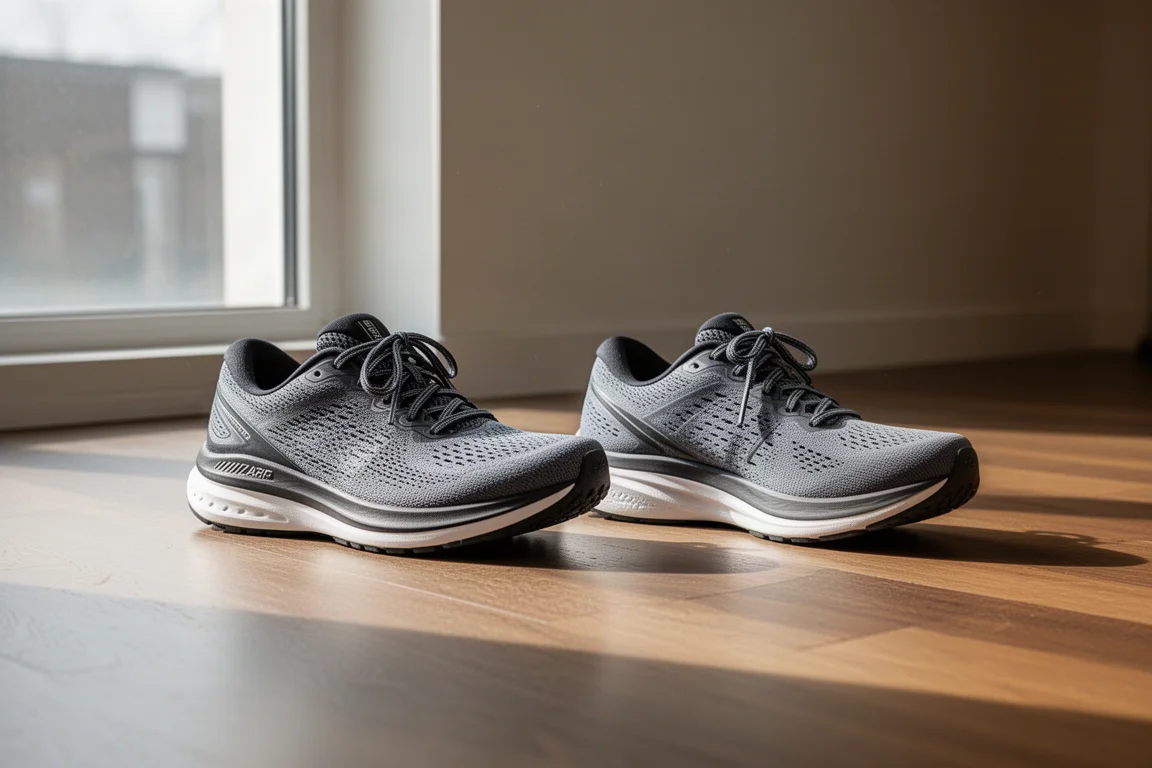
The Velocity Nitro 2 gets a mesh upper with more plushness than the original: extra cushioning around the heel and tongue, plus thick, spongy laces. It feels warmer and more cushioned than the Reebok, which is partly why it weighs more.
In the midsole you get two foams: Puma’s nitrogen-infused Nitro Foam on top, which is soft, squishy, and genuinely bouncy, with a layer of EVA underneath to keep the ride from feeling too unstable while adding some durability. The plastic clip at the heel is gone from this version, and there’s extra Nitro Foam at the heel, creating a softer feel that heel strikers will notice.
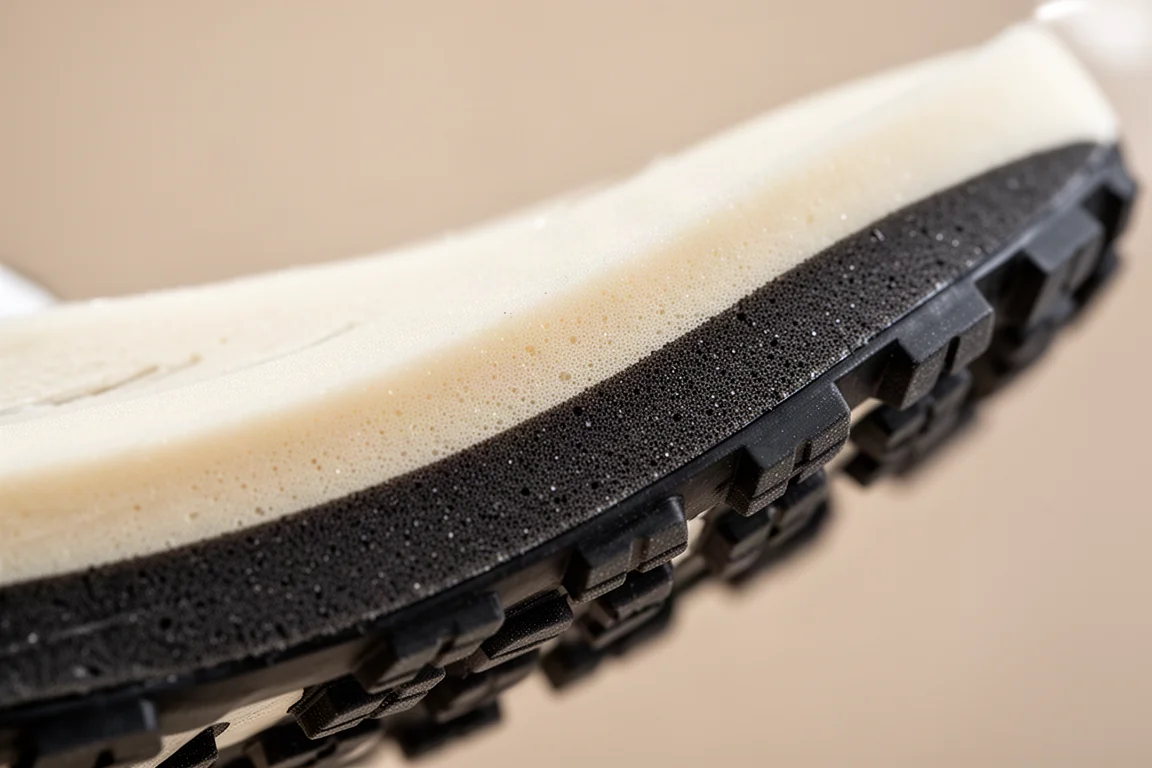
The outsole is Puma Grip, and it is excellent: durable, grippy across a range of conditions, and capable on light trails. It shows no signs of wear in testing so far.
Reebok Floatride Energy 4: Lighter, Snappier, More Traditional
The Floatride Energy 4 keeps the same Floatride Energy foam midsole as before, a fairly firm but never harsh foam that offers good protection, a little bounce, and reasonable weight. The outsole is carbon rubber with mini lugs around the forefoot and down the sides, and it gripped well in every condition tested.
Fit is true to size for the Puma, with good hold around the heel and midfoot. The Reebok also runs true to size, though the previous version ran shorter, so some people in between sizes may prefer the lower half size to avoid too much room up front.
How They Handle Your Training
Both shoes are great versatile daily trainers. The Reebok is lighter on the foot, has a snappier transition, and a slightly more traditional, structured, stable ride. That lighter weight helps on hill reps, and while easy runs were a question mark going in, an early morning recovery run the day after a hard track session felt great: good protection, impacts deadened nicely, and a nice balance of cushioning and road feel.

The Puma has a softer, less structured, slightly less stable ride with more bounce from the Nitro Foam. It consistently earns the top marks in our training log smiley-face ratings because it simply feels great underfoot at both easy and fast paces. On an hour’s easy-to-steady forest run it cruised comfortably, gripped well on light trails, and picked up bounce as the pace rose to the road. Despite being 20 grams heavier, it never feels heavy on the foot.
In a tough fartlek session of 5-4-3-2-1 minute reps, the Puma delivered 10K-level pace with sub 3:20/km splits throughout, getting stronger as the session went on. Neither shoe is an all-out speedster, though: both are daily trainers that handle easy, steady, and tempo running, and can do speed work, but dedicated speed sessions might still warrant a faster shoe alongside them.
Buying Advice: Which One Is Right for You
Whichever way you go, you are getting a good shoe. Both are fantastic value, versatile, comfortable, pretty quick, and fun to run in at all times, and they beat a lot of the £140-£150 daily trainers on both price and performance.

The Reebok is £25 cheaper, more stable, cooler in hot climates, and has a more traditional, snappy, structured ride. The Puma is softer and bouncier, with a slightly more modern feel, an excellent outsole that can handle light trails, and the preference for long easy-to-steady runs heading into a marathon training block. The Puma’s plush heel cushioning can run warm in very hot countries, and the softer heel setup does cost you some stability compared to the first version.
Conclusion
Both are cracking shoes. Pick the softer, bouncier Puma Velocity Nitro 2 if that’s your taste, especially if light trails are on the menu. Pick the Reebok Floatride Energy 4 if you want a more stable, traditional ride and a lower price. They make the most sense as part of a rotation, and there is genuinely no wrong answer here.
Product link
View more details for Puma Velocity Nitro 2
This product is mentioned in the review. Check the specifications, options, and compatibility before buying.
View more details for Puma Velocity Nitro 2Further reading
Related Reviews

Running Shoes
Best Road-to-Trail Running Shoes: Three Versatile Options for Mixed Terrain
A practical guide to three road-to-trail running shoes that handle both pavement and mild trails, with clear strengths and trade-offs for different runner types.

Running Shoes
Best Running Shoes for Achilles Tendonitis: Three Options Explained
Three running shoes with different heel drops and support features designed to help reduce Achilles tendon pain during walking and running.

Running Shoes
Best Running Shoes for Women: Five Top Choices Ranked
A ranked guide to five women's running shoes, from versatile daily trainers to high-performance racing options, with real strengths and trade-offs for each.