Running Shoes
Puma Velocity Nitro 2 vs Deviate Nitro 2: Two Versatile Nitro Trainers Compared
Two of Puma's Nitro training shoes go head to head, covering ride, fit, outsoles, and which one deserves a spot in your rotation.
Introduction
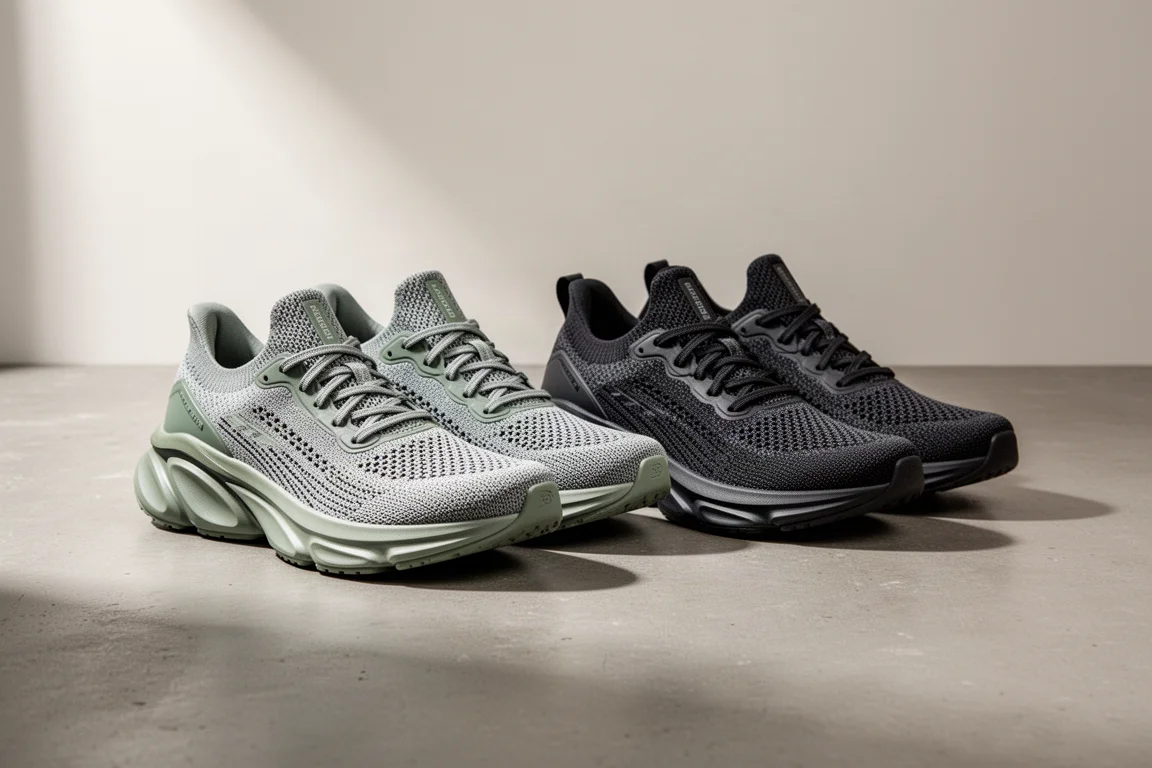
Puma’s Nitro range covers a lot of ground, and two of its training-focused options sit closer together than their positioning suggests: the Velocity Nitro 2, the more cushioned everyday option, and the Deviate Nitro 2, which adds a carbon composite plate in the midsole for a snappier ride aimed at faster training sessions. Both are versatile trainers with a surprising amount of overlap, and this comparison looks at how they differ in practice and which one fits better into different kinds of running setups.
Key Specs and Construction
The Velocity Nitro 2 is the cheaper of the two at 100 pounds in the UK and 120 in the US, while the Deviate Nitro 2 runs 140 pounds in the UK and around 160 in the US. Weights are close: 271 grams (9.55 oz) for the Velocity and 276 grams (9.7 oz) for the Deviate in UK size nine, which means the plated, speedier option is actually the slightly heavier shoe. The Deviate stacks 36.5 mm at the heel and 28.5 mm at the forefoot for an 8 mm drop, while the Velocity runs 33.5 mm at the heel and 23.5 mm at the forefoot for a 10 mm drop.
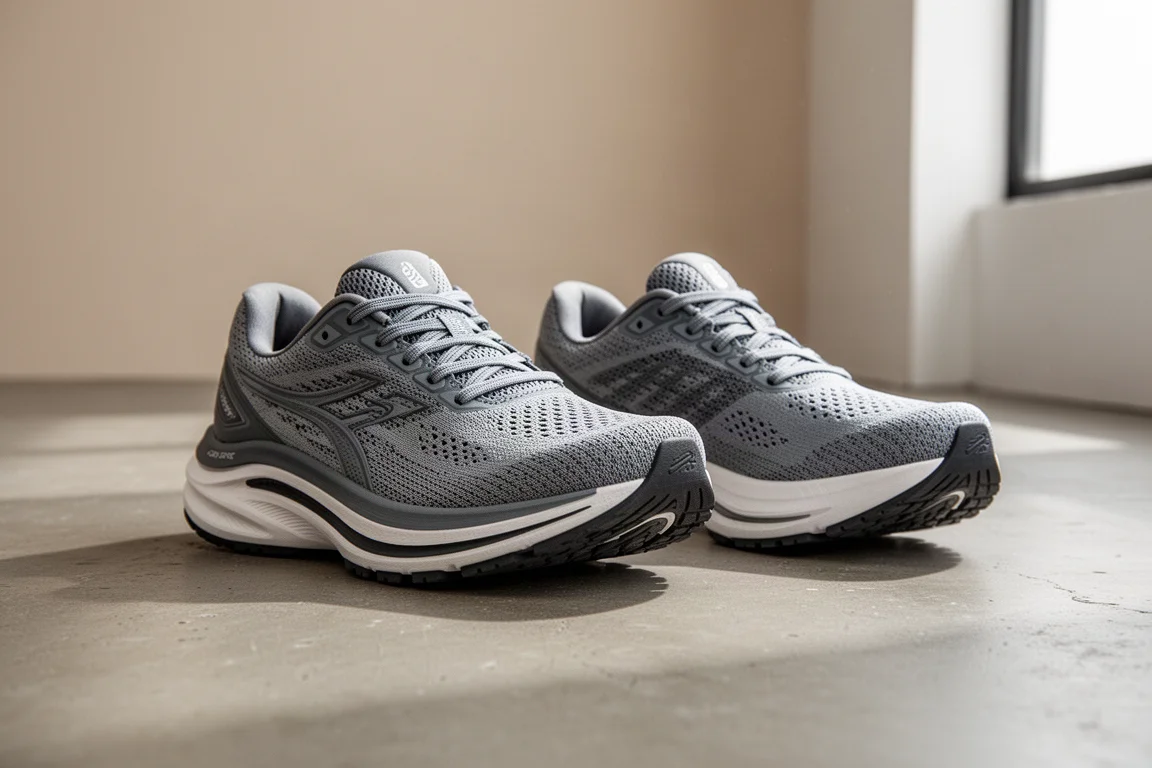
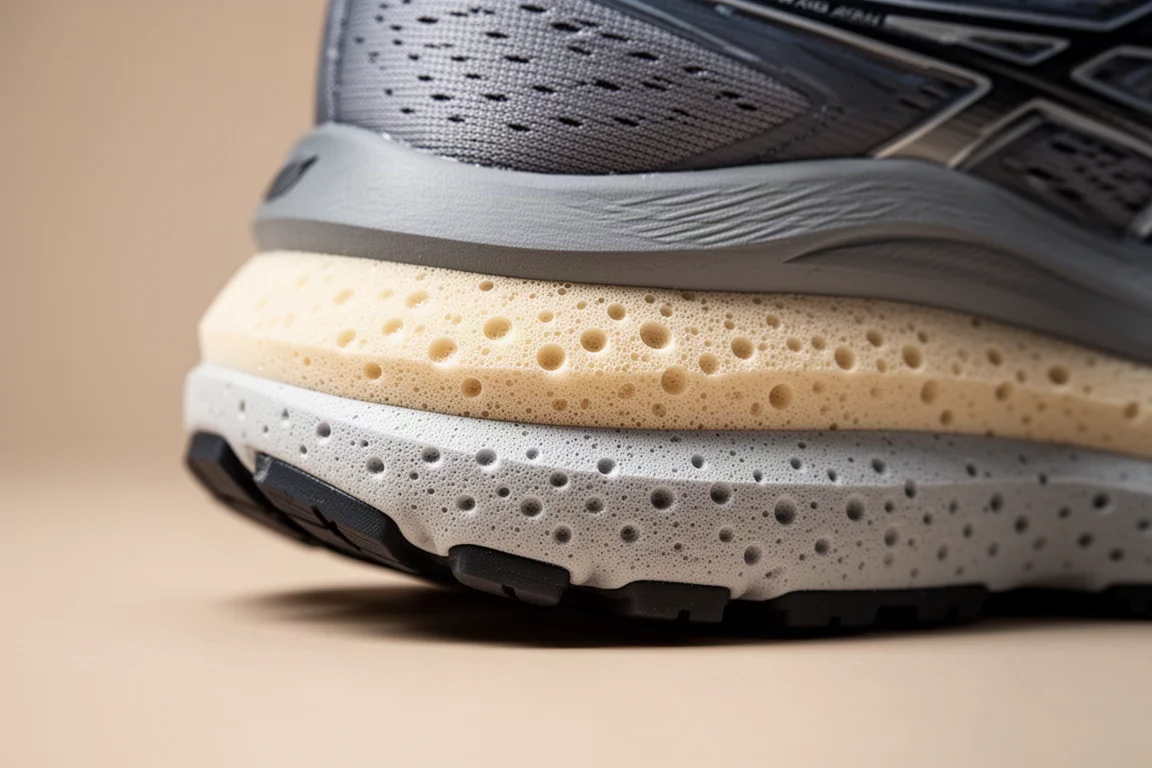
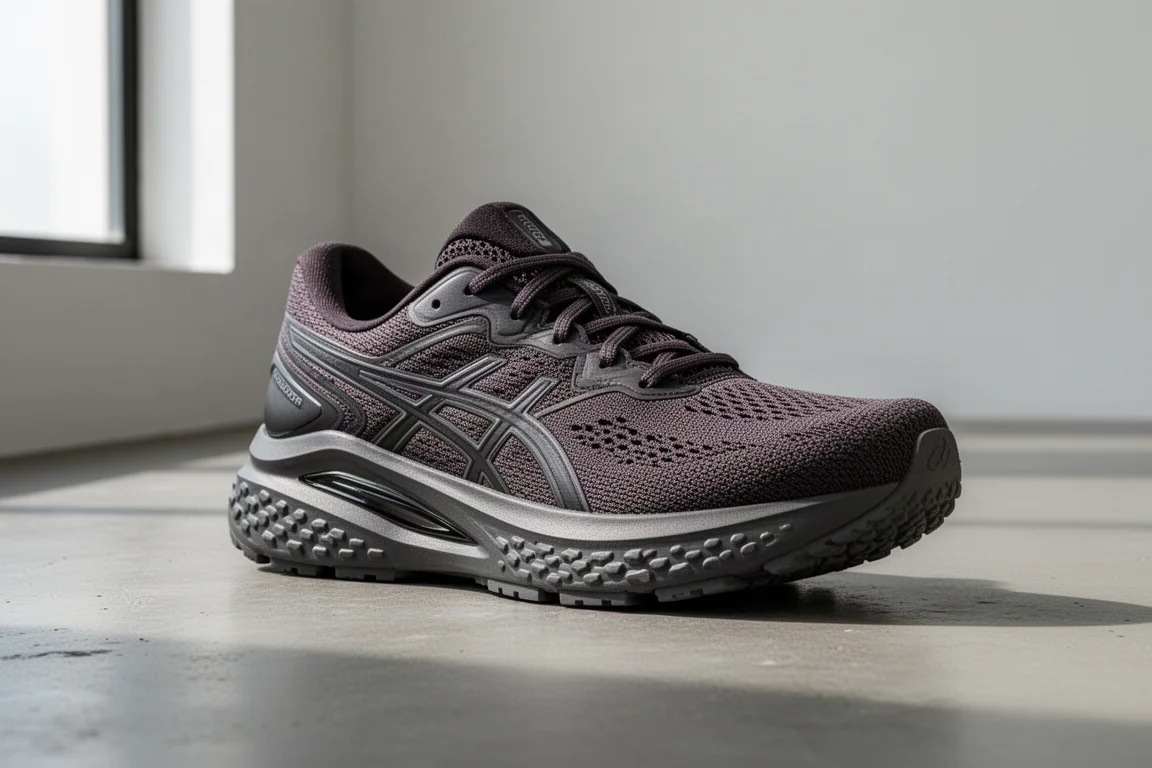
Both use mesh uppers, thinner and less padded on the Deviate with power tape strips on the medial side for extra structure, and thicker and warmer on the Velocity with generous heel cushioning. Underfoot, both use dual-density midsoles. The Velocity layers nitrogen-infused Nitro foam on top of ProFoam Lite EVA beneath, combining a soft, bouncy upper layer with a firmer, more stable base. The Deviate puts the softer, bouncier nitrogen-infused Nitro Elite foam on top and Nitro foam beneath, with the lower layer most prominent at the heel and running into the forefoot, wrapped by the Nitro Elite. Between those layers sits a carbon composite plate that is 70% carbon and 30% TPU, visible from beneath through a midsole cutout.
Outsoles are a genuine strength for both. Puma Grip is excellent, gripping well in wet conditions and even handling light trails. The Deviate adds Puma Grip ATR at the rear, a hardier all-terrain version of the compound that grips even better than the already impressive standard rubber.
Fit and Comfort
Both shoes fit true to size and comfortably in a normal size. The heel rub issues reported on the original Deviate Nitro have been resolved in the Deviate Nitro 2, which now has much more padding around the heel and holds the foot well. The Velocity’s uppers are even more generously padded, but that comes at a cost: both shoes run a bit warm and soak up sweat or rain before taking a while to dry, a trait that is more pronounced in the Velocity because of its extra padding.
Ride and Performance: Velocity Nitro 2
The Velocity Nitro 2 stands out as a balanced daily cushioning shoe. It is not overly cushioned, striking a pleasant balance of softness, bounce, and a bit of ground feel despite being a well-cushioned option. It has handled easy runs, progression runs, and even structured sessions of 5-4-3-2-1 minute reps at roughly 10K pace with a minute of recovery between efforts. As a general daily trainer with a dependable outsole, it can be taken off pavement onto canal towpaths or light trails, which makes general training more flexible.
The ride is softer than the Deviate’s, which is a bit surprising given the Velocity does not use the Nitro Elite foam. It delivers plenty of protection and comfort on easy efforts, then picks up liveliness when you want to up the pace. The main trade-off is a slight loss of stability compared to the plated Deviate; the plate holds the Deviate’s ride together and adds direction, though neither shoe is an all-out stability shoe, and neither feels particularly unstable.

Ride and Performance: Deviate Nitro 2
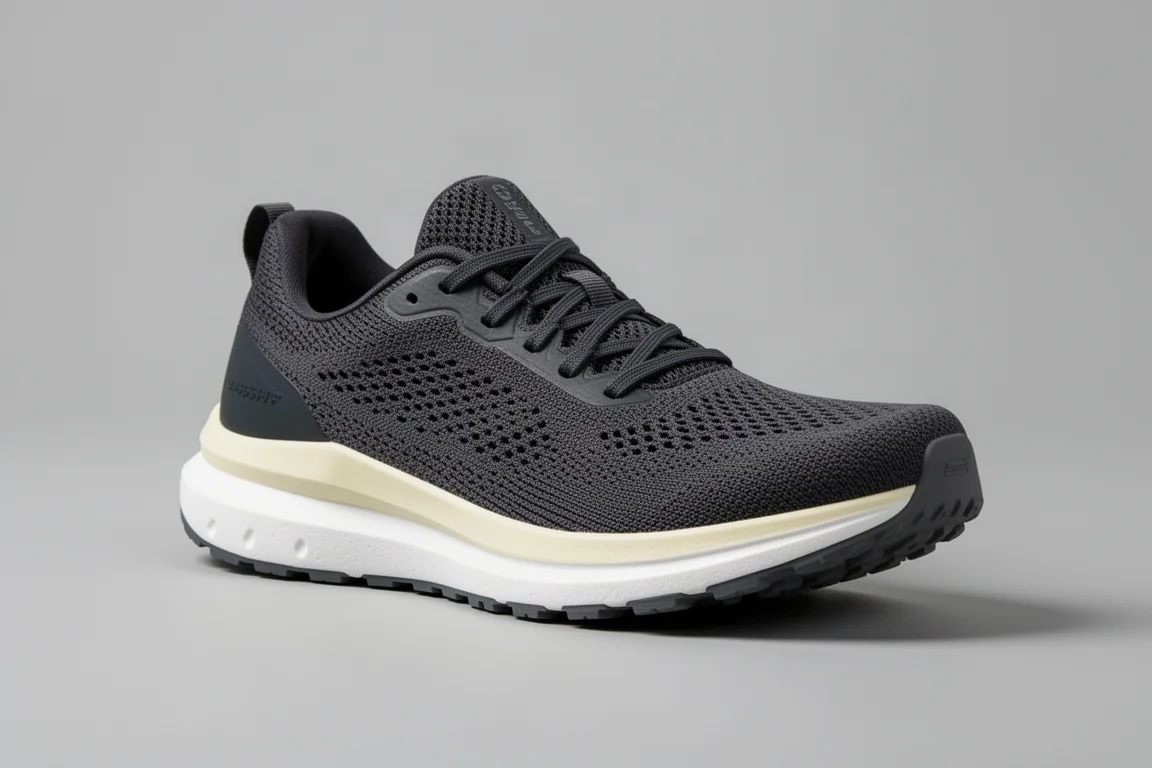
The Deviate Nitro 2 offers a firmer, stiffer, nippier ride with less sinking feel than the Velocity. It feels more purposeful and directed, and at higher paces the plate’s contribution becomes clear as the spring of the top foam layer starts to work. It is a very versatile shoe too, despite being slightly heavier than the Velocity, and the weight does not dull its speed: it has been taken to the track and used for hard workouts on canal towpaths, thanks once again to that excellent outsole.
The ride is not the most explosive in the plated trainer category, and options like the Saucony Endorphin Speed line or cheaper carbon-flex shoes such as the Decathlon Kiprun 900X deliver a nippier feel. The Deviate’s ride is a bit muted, but it is reliable, comfortable, and works across a good variety of paces, with the plate adding a bit of stability on top.

Which One Should You Buy?
Both are versatile daily trainers with real overlap, and they pair naturally as a one-two punch: the Velocity for easier days and the Deviate for speed. But the overlap is large enough that picking up both in tandem may not be necessary. For a one-shoe runner, the Deviate Nitro 2 makes sense for its extra pop in speed sessions. In a rotation, however, the Velocity fits a little better: it can handle almost everything, pairs well with a speedier trainer for fast sessions or a racing shoe, and its lower price makes it easier to fit in. The Deviate sits awkwardly in a rotation because it is not quite as quick as a carbon racing shoe or the best fast trainers, and not quite as comfortable as a fully cushioned shoe for long runs, meaning you may still want a more cushioned option for long runs and a speedier shoe for race day. It does a good job as a do-it-all trainer if you only want one shoe, though the Velocity arguably undercuts it: it is a lot cheaper, does much of the same very well, and offers a slightly preferable ride, while giving up some of the plate’s force, stiffness, and speed.
Conclusion
The Velocity Nitro 2 and Deviate Nitro 2 are both strong, versatile training options at reasonable prices. The Velocity leans toward comfort and value, making it the easier pick for a rotation, while the Deviate adds plate-driven stiffness and stability for runners who want more pop in speed sessions. Both are worth considering; the right choice comes down to whether a cushioned everyday workhorse or a snappier plated trainer better matches how you run.
Further reading
Related Reviews

Running Shoes
Best Road-to-Trail Running Shoes: Three Versatile Options for Mixed Terrain
A practical guide to three road-to-trail running shoes that handle both pavement and mild trails, with clear strengths and trade-offs for different runner types.

Running Shoes
Best Running Shoes for Achilles Tendonitis: Three Options Explained
Three running shoes with different heel drops and support features designed to help reduce Achilles tendon pain during walking and running.

Running Shoes
Best Running Shoes for Women: Five Top Choices Ranked
A ranked guide to five women's running shoes, from versatile daily trainers to high-performance racing options, with real strengths and trade-offs for each.