Running Shoes
Puma Velocity Nitro 2 First Run Review: Small Changes, Better Shoe
A lighter, softer update to one of Puma's best daily trainers, with more Nitro foam, a removed heel clip, and the same friendly price.
Introduction
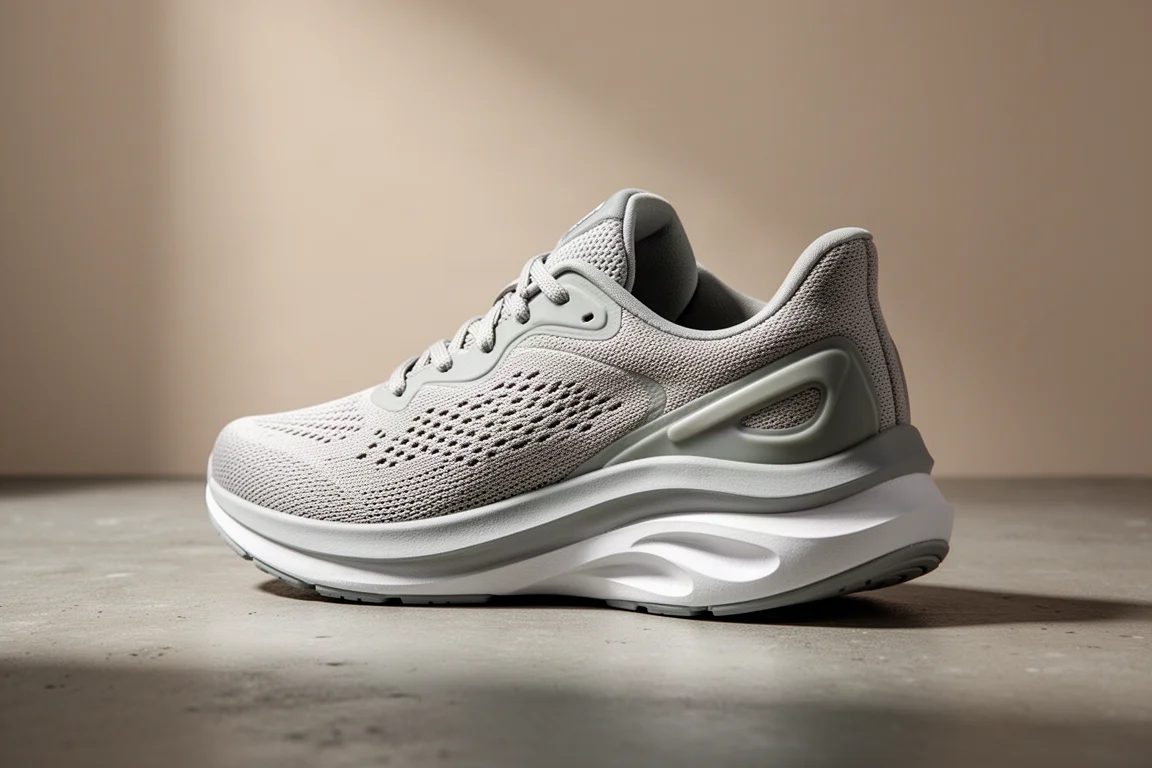
The Velocity Nitro 2 is the cushioned daily trainer in Puma’s Nitro range, and the follow-up to one of the standout running shoes of its debut year. Puma has kept the recipe largely intact: the same stack, the same drop, and the same price, but with small changes to the midsole that make a noticeable difference.
Pricing sits at £100 in the UK or $120 in the US. The stack is 33.5mm at the heel and 23.5mm at the forefoot for a 10mm drop. The new version is also a touch lighter thanks to midsole changes: a UK size 9 comes in at 271 grams (9.55 ounces), down from 280 grams in the original.
What Has Changed
The midsole is where the meaningful work has happened. Puma still uses a two-foam setup, with Nitro foam on top and EVA foam on the bottom, but there is now more Nitro foam concentrated in the heel. The plastic heel clip that sat at the back of the original has also been removed.
Both foams run through the full length of the shoe in varying amounts, with more EVA through the midfoot and more Nitro toward the forefoot. The intent is softer landings, and that comes through in practice. The shoe feels a little softer at the heel while staying balanced and stable, even without that plastic clip.
The upper is largely unchanged, with a mesh that wraps the foot nicely through the midfoot and heel. The tongue is thin but sits very well and holds the foot in place. The laces are new: they are squishier, fatter, and more plush than the originals, which adds to the easy, comfortable character of the shoe. Puma Grip rubber remains on the outsole, with a slightly changed rubber configuration that should not dramatically alter the feel. Grip and durability were strong points of the original, and the same is expected here.
First Run Impressions
Even on a cold spring day, the shoe felt exactly as expected from the first kilometres. The thicker Nitro layer on top works well when temperatures drop, because it keeps the EVA beneath from feeling hard and blocky. The ride stays pleasant and easy.
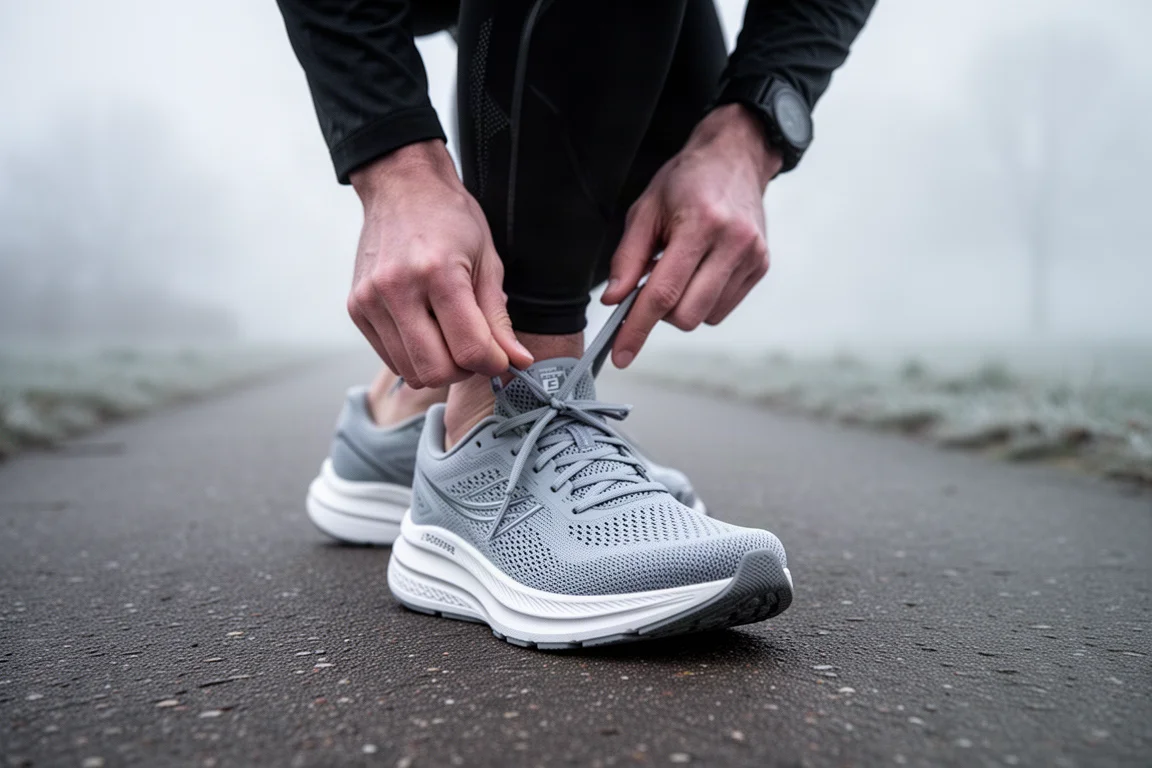
The overall sensation is light and nimble. On strides at the end of a run, the outsole bites well on pavement, and the shoe feels versatile and comfortable rather than flashy. This is an evolution rather than a dramatic overhaul, and that is arguably the right call: the shoe is improved while still recognisably the same trainer people liked, and still good value.
Fit and Comfort
Fit is broadly true to size, though one tester noted the toe box feels slightly long, with a thumb’s width of room and a bit of a curl up front, alongside a slightly narrow feel. Going half a size down was not recommended, as the rest of the shoe would become too snug.
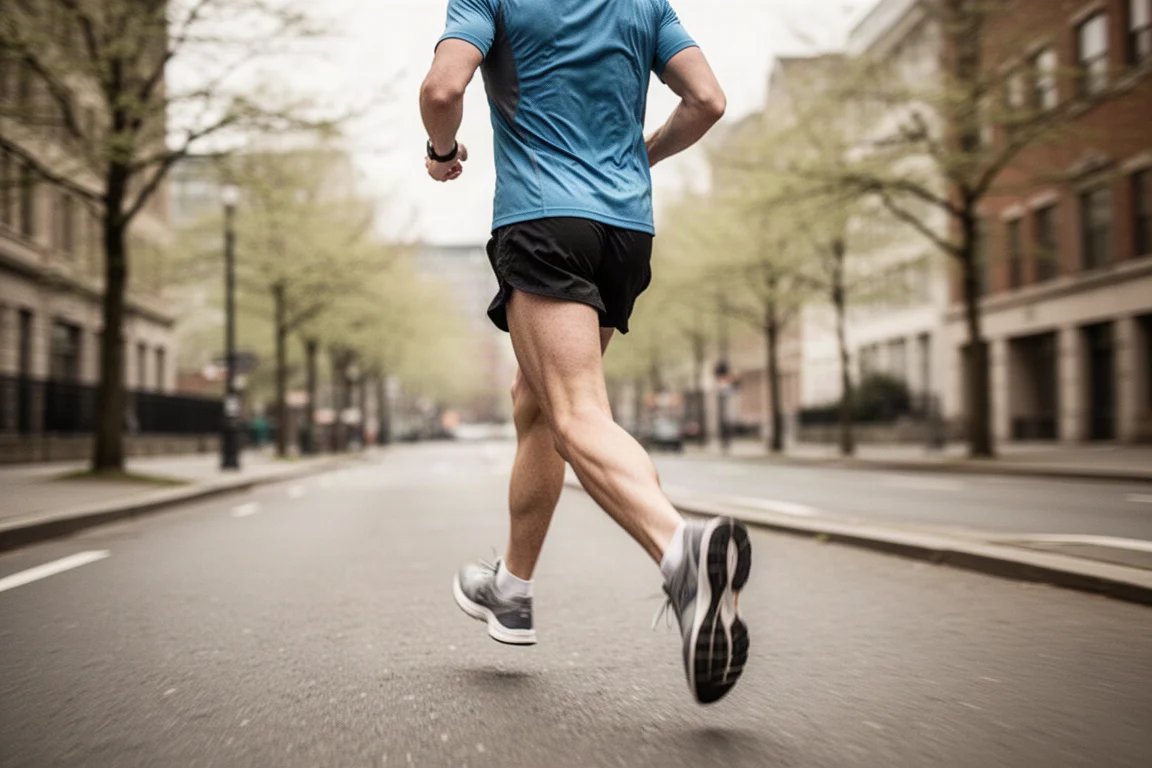
Other testers found the fit spot on, with a spacious toe box, no uncomfortable pressure on the sides of the foot, and good padding around the heel. The shoe holds the foot a little more firmly than the original, particularly through the midfoot and heel, which reads as a positive. The upper may run a little warm on hotter days, but in changeable spring conditions it performed well.
Midsole and Ride
The well-balanced midsole is the magic here. It delivers the right amount of protection, softness, rebound, and cushioning without becoming too soft or squidgy. On easy miles run at around 10-minute-mile pace, the shoe disappeared on the foot and felt energetic and cushioned, with legs feeling less tired than usual after several hours in them.
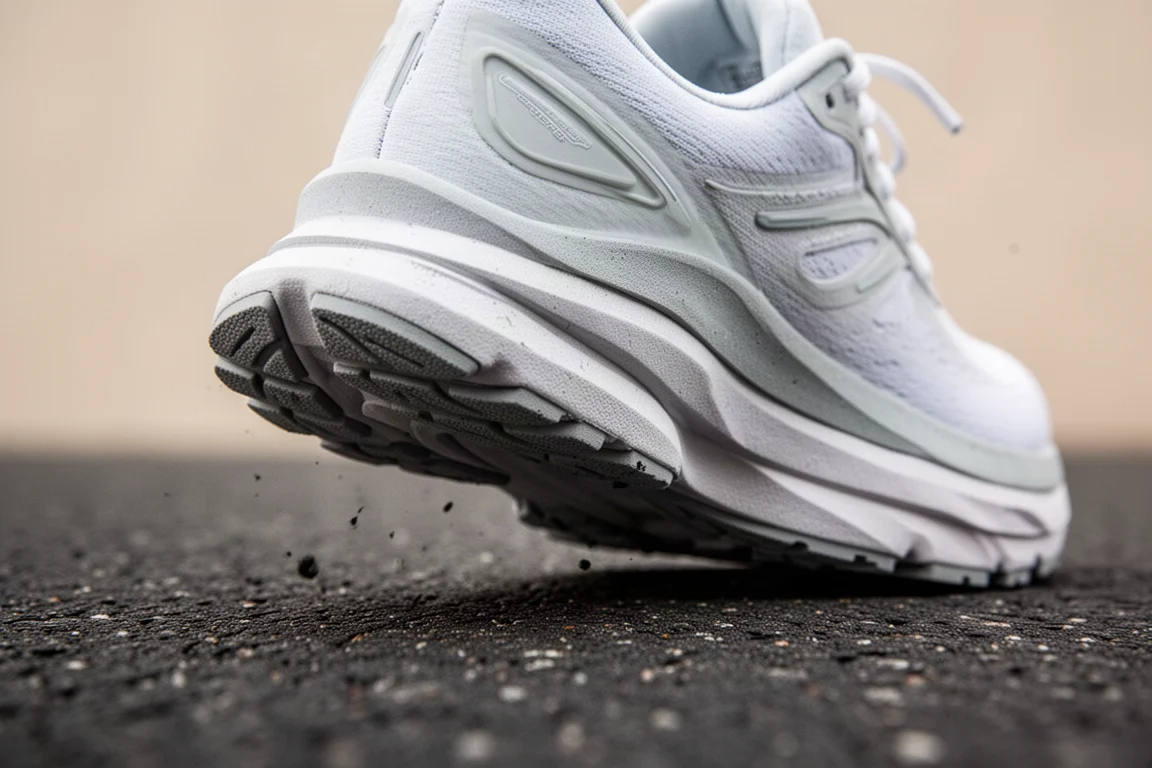
The extra Nitro foam creates a more consistent ride through the shoe and adds snappiness when you push the pace, while the shoe still comfortably scales back down for slower running. Compared with a maximalist shoe, you get a similar amount of protection in a lighter, more nimble and more versatile package. It does not deliver the huge bouncy response of some max-cushion shoes; it just does the balance right.
Versatility and Use Cases
This is a versatile daily trainer first and foremost. It suits easy runs, mixed runs, and pace work, holding up when you ramp up the speed. The removal of the heel clip does not compromise support; the shoe still feels supportive and consistent.
A 20-mile first run, including three-plus hours on foot, left one tester thoroughly impressed and keen to see how the shoe handles faster paces and longer efforts over further testing. The consistent verdict across testers: small updates, but welcome ones, and the shoe is better for them.
Who Should Buy It
If you want a cushioned daily trainer that can genuinely handle a wide range of training runs, the Velocity Nitro 2 makes a lot of sense. It offers real protection for easy, slow miles without the weight and bulk of a maximalist shoe, and it retains enough snap for quicker sessions.
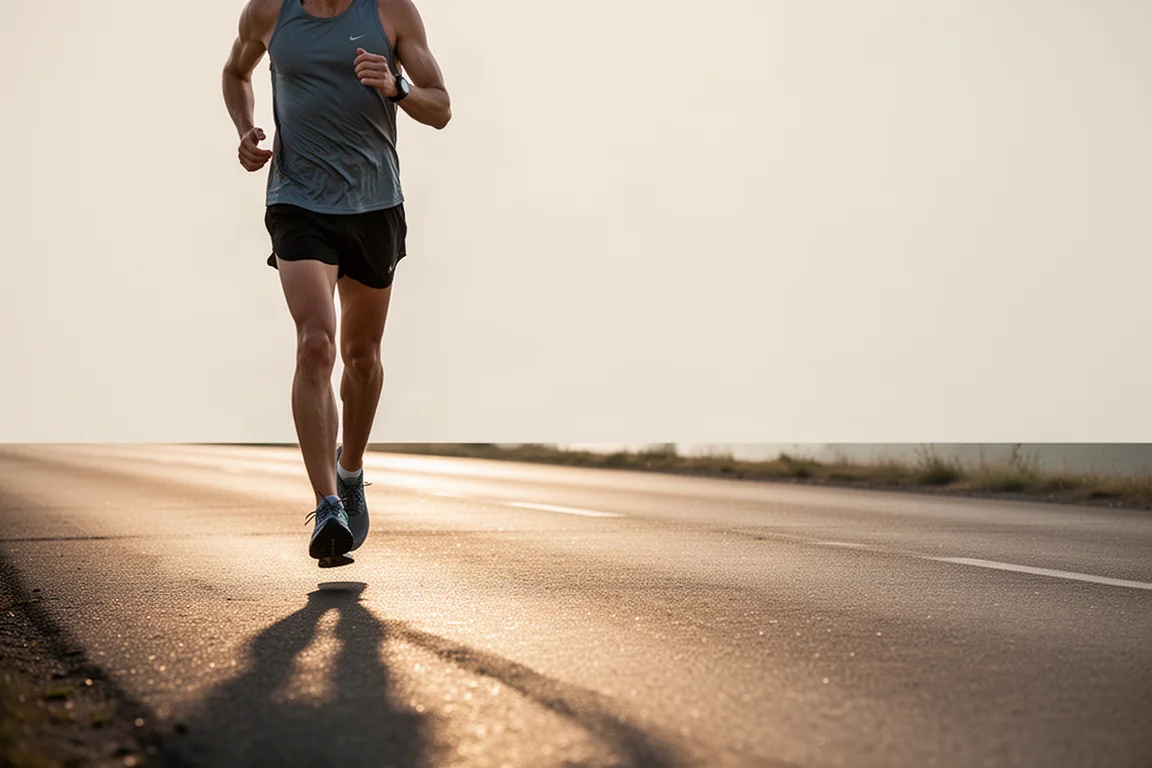
At £100 or $120, it represents strong value in its category. If you liked the original, this is a familiar but slightly improved experience: a little lighter, a little softer, with a nicer lace and upper feel. Runners who found the original slightly firm at the heel should notice the softer landings immediately.
Conclusion
The Velocity Nitro 2 is a pleasant surprise. Expecting minimal changes across the range after a successful launch, the improvements here are not massive, but they are significant: more Nitro foam in the heel, no plastic heel clip, a lighter build, and softer landings without any loss of stability. The price stays the same, the shoe gets a little better, and it earns a clear thumbs up. It could very well earn a place in a regular rotation for runners looking for one shoe to do a good range of runs.
Product link
View more details for Puma Velocity Nitro 2
This product is mentioned in the review. Check the specifications, options, and compatibility before buying.
View more details for Puma Velocity Nitro 2Further reading
Related Reviews

Running Shoes
Best Road-to-Trail Running Shoes: Three Versatile Options for Mixed Terrain
A practical guide to three road-to-trail running shoes that handle both pavement and mild trails, with clear strengths and trade-offs for different runner types.

Running Shoes
Best Running Shoes for Achilles Tendonitis: Three Options Explained
Three running shoes with different heel drops and support features designed to help reduce Achilles tendon pain during walking and running.

Running Shoes
Best Running Shoes for Women: Five Top Choices Ranked
A ranked guide to five women's running shoes, from versatile daily trainers to high-performance racing options, with real strengths and trade-offs for each.