Running Shoes
Puma Running Shoes Roundup: Five Nitro Models Worth Knowing
From the radical Fast-R Nitro Elite racer to the women-specific Run XX Nitro, here's how Puma's Nitro lineup stacks up for different kinds of runners.
Introduction
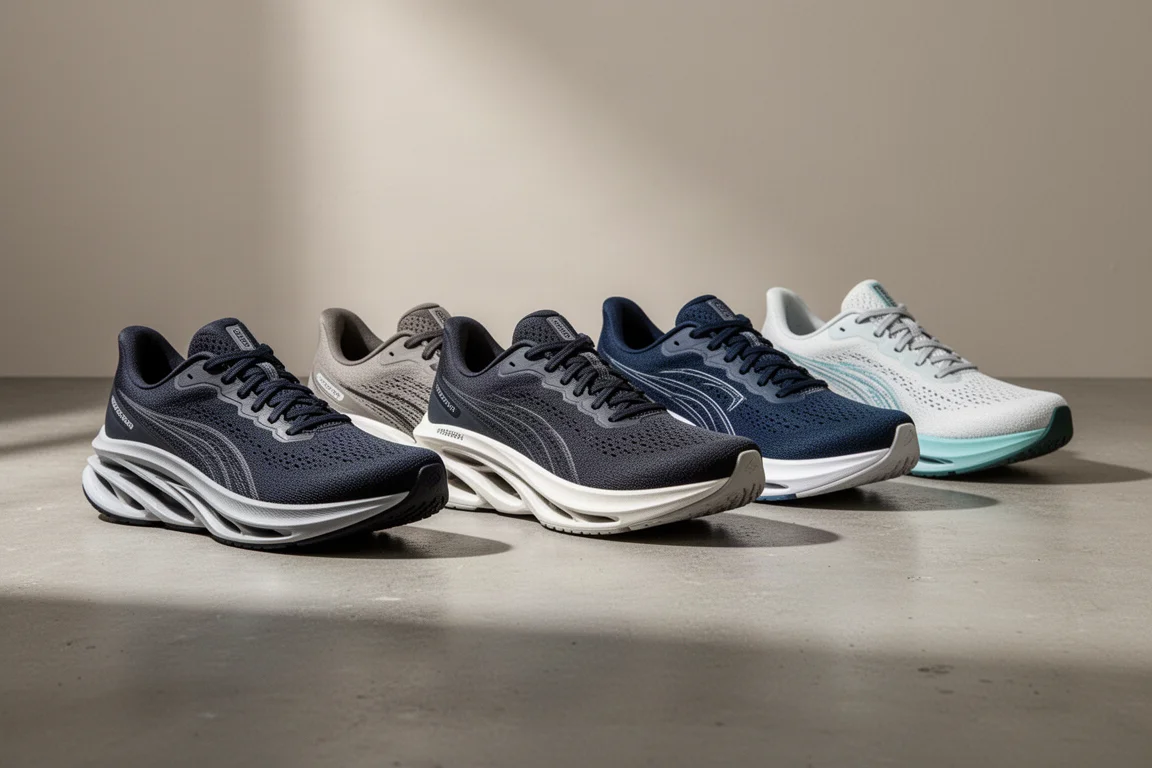
Puma has quickly built one of the more interesting running lineups, and the brand’s Nitro foam now runs through everything from daily trainers to elite marathon racers. The lineup also stands out for its engineering choices: a decoupled heel on its flagship racer, a genuinely women-specific fit in the Run XX Nitro, and plate technology that is tuned differently depending on the job.
This roundup breaks down five models from the line, who each one suits, and what to expect in terms of price and durability.
Puma Fast-R Nitro Elite
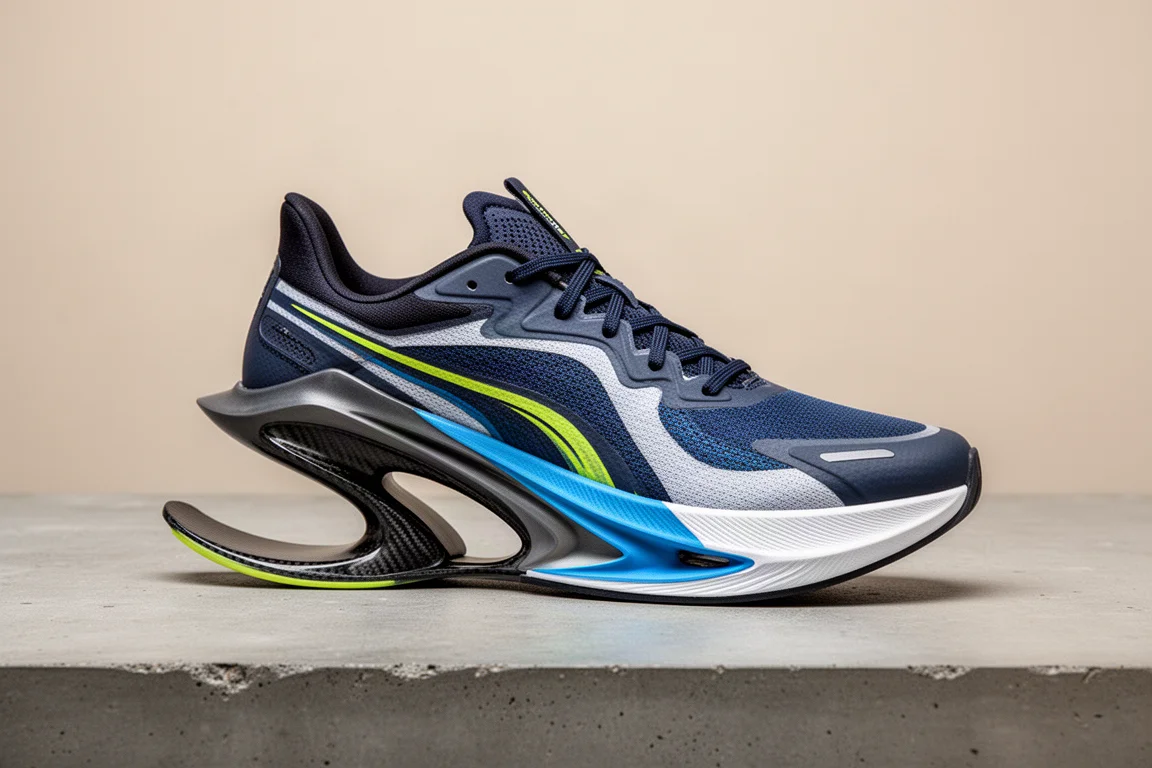
The Fast-R Nitro Elite is Puma’s flagship racer, and its most recognizable feature is the decoupled heel. The idea comes from biomechanics: when your foot lands it briefly behaves like a loose bag of bones, so the heel foam is deliberately soft and shock-absorbing to cushion impact and get the foot stable as quickly as possible. The heel and forefoot can move independently, which produces a notably smooth ride.
The forefoot uses a specialized EVA designed to slow muscle contraction, and slower muscles use less energy, which is where the efficiency gains come from. At toe-off, a bio-based version of Nitro Elite foam, derived from castor oil beans rather than petroleum, provides the best bounce the brand has tested in the lab. The carbon power plate took around two and a half years to develop, with layered carbon optimized for bending stiffness as the foot turns into a lever for propulsion.
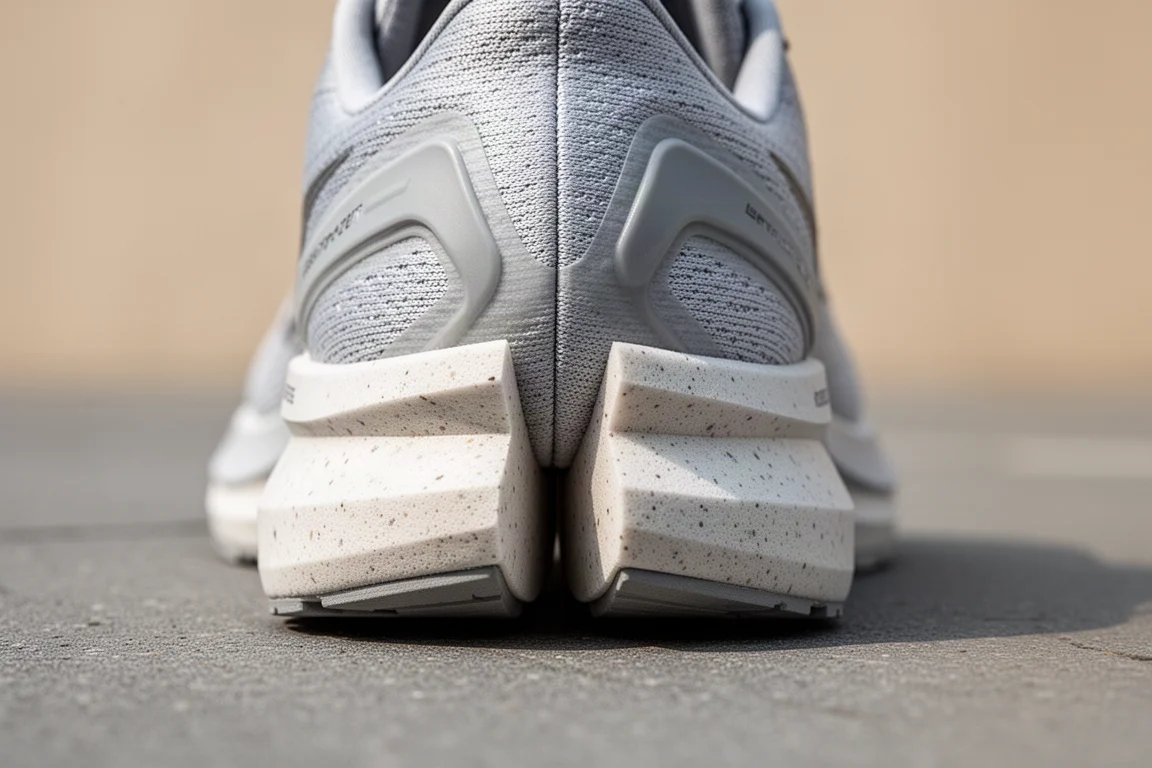
The upper combines an engineered knit against the foot for a sock-like feel with a strong single-layer mono mesh that helps with cornering, and the external heel counter fin keeps the upper snug around the ankle. Elite athletes who have tried it are reportedly eager to race in it, with sub-2:10 marathoners lined up to debut it in Europe and Japan.
Retail is $220 with a limited launch in February followed by a global rollout in June. Durability is better than typical for the category: after roughly 4,000 miles of testing, the brand expects around four marathons of use, or roughly the 100 to 150 mile range including a few pre-race long runs.
Puma Run XX Nitro
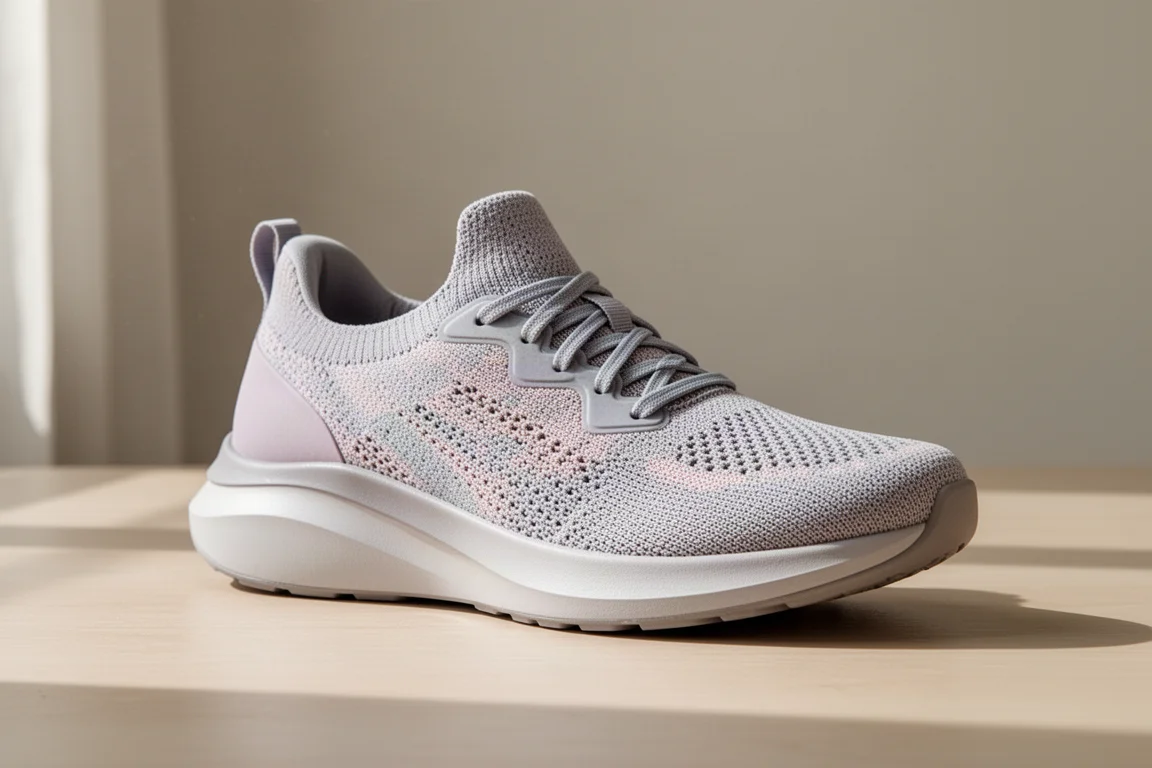
The Run XX Nitro, named for the XX chromosomes, is built as a women’s-only shoe with a women’s-only fit and geometry. It responds to a straightforward observation: women typically have a narrower heel and a wider forefoot spread, and the shoe is shaped around exactly that.

It comes from a broader initiative to design for women rather than scaling down men’s lasts. Notably, almost all running footwear biomechanics research over recent decades has been done on men in size nine, so Puma built this shoe around its own testing, including an independent study from the University of Massachusetts on how women respond to the shoe. Female runners told the design team that support matters most in the five-mile to ten-mile range, and the shoe is built for that window.
The foam is a new durometer of Nitro: standard Nitro sits around 43C, while this version is closer to 50. The goal is a firmer, smoother, more consistent ride deeper into longer runs. It is a daily trainer launching in May at $130, and it fills a gap that a scaled-down unisex model doesn’t quite cover.
Puma Velocity Nitro 2
The Velocity Nitro 2 is the daily workhorse of the lineup at $120, and it is the first shoe from the original five-shoe launch to get a second version. Fit and ride stay consistent with the first model, with a slightly smoother ride coming from how the two foam layers are stacked: Nitro on top with a more durable foam underneath.
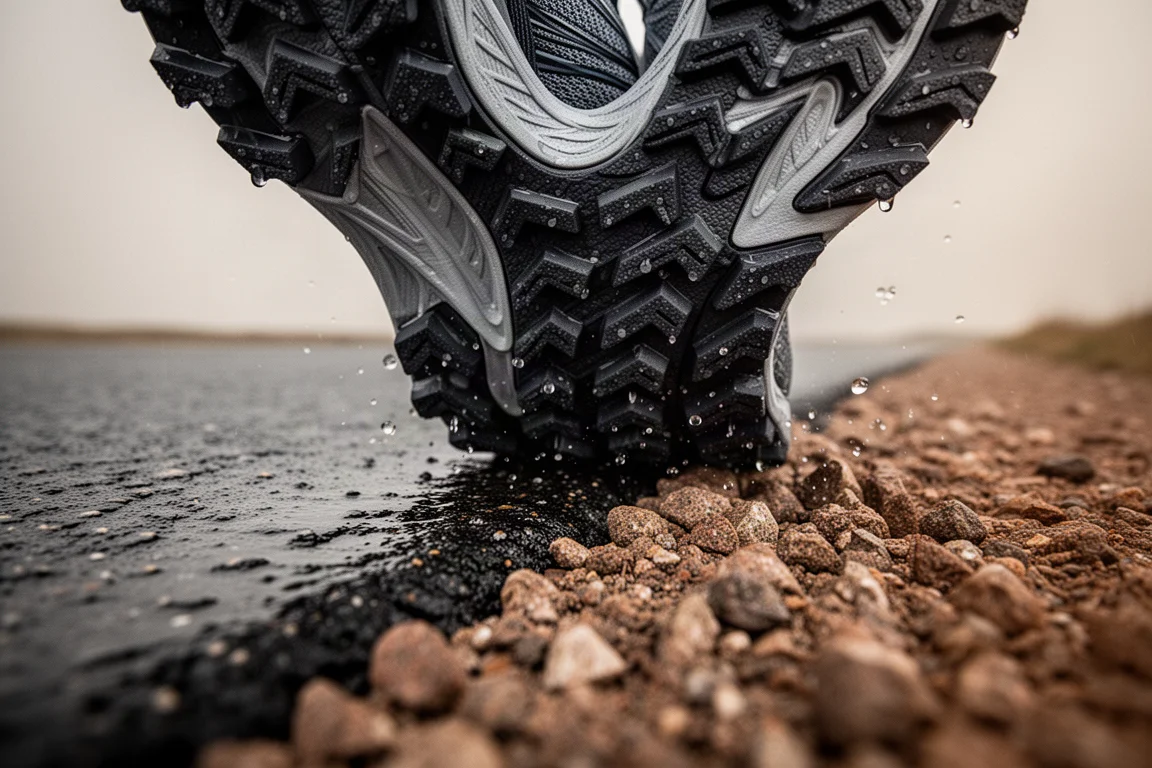
PumaGrip outsole rubber is a consistent highlight across the brand’s shoes, and this is one of the shoes where it matters most. The grip makes it genuinely versatile for runners who mix road and trail, including terrain that transitions from road onto the Appalachian Trail and finishes on crushed gravel.
If you are asking which Puma to try first as a daily trainer, this is the one. It offers a lot for the money, with a simple, smooth, good-fitting upper and no gimmicks.
Puma Deviate Nitro
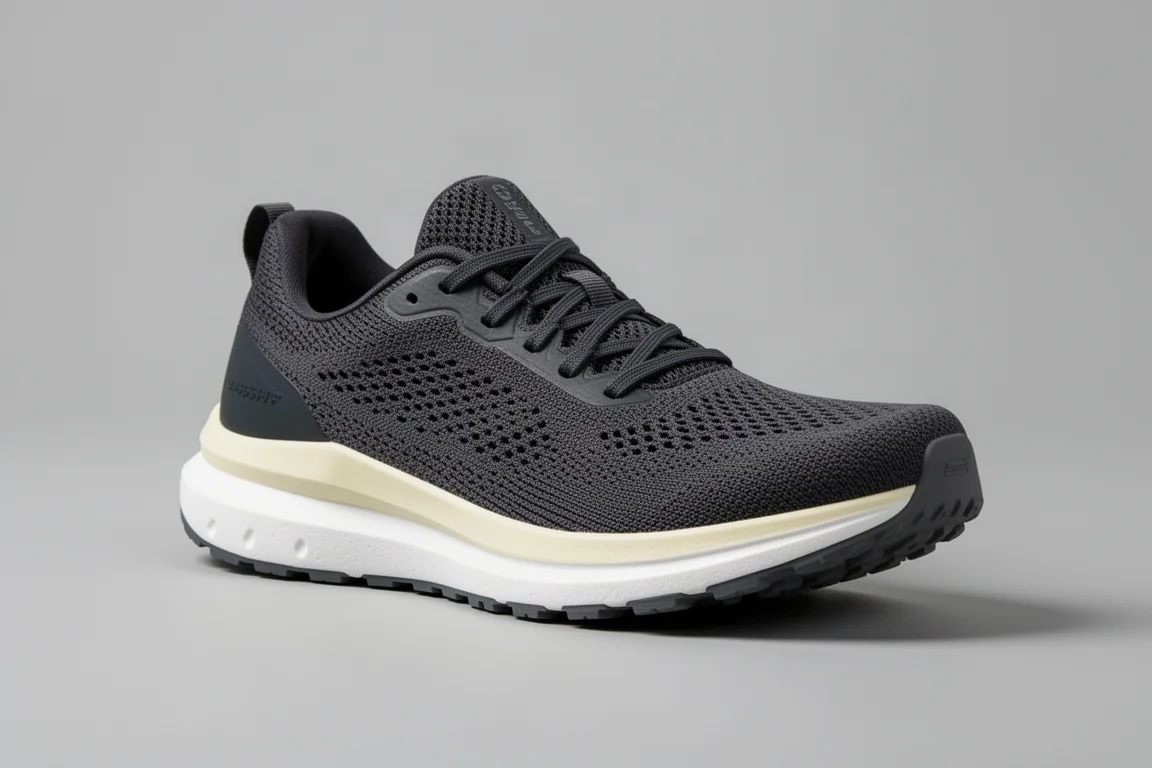
At $160, the Deviate Nitro is the hero style of the line and the shoe that many runners, including elite athletes, do the bulk of their training in. It has a carbon composite plate, which here means layers of carbon laid down and constructed with TPU, a more flexible construction optimized for daily training.
That plate adds a bit of pep and propulsion for tempo runs while keeping long-term durability. It is a strong pick if you have never tried a plated shoe: the plate is there, but it is not intrusive, and the ride rolls along nicely over soft, cushioned miles.
An update is planned for the second half of 2022 with two or three small tweaks, potentially including Nitro Elite foam and a lighter build, while keeping the ride and feel people love consistent. For now, this remains the easy recommendation for daily or slightly sore-leg days when you still want to move with some purpose.
Puma Deviate Nitro Elite
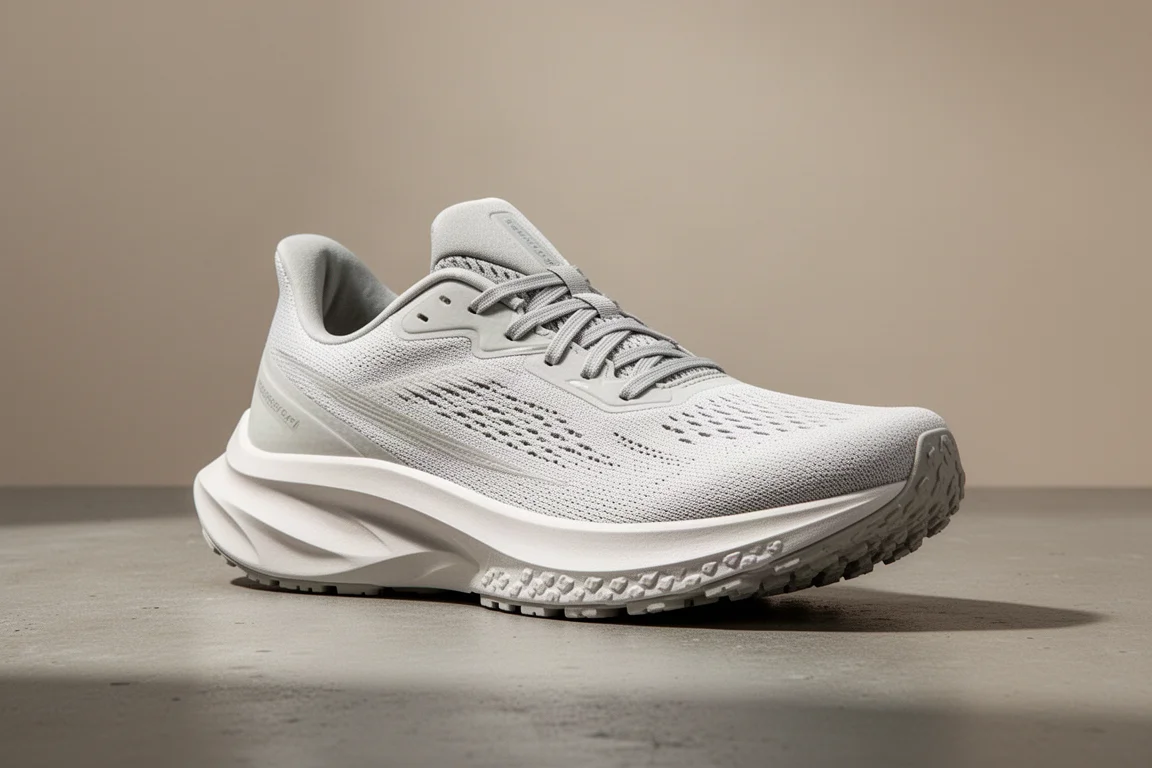
The Deviate Nitro Elite takes the same concept to the top tier at $200. Its plate is a thermoformed full carbon plate, which makes it stronger and lighter than the layered composite in the standard Deviate. Thermoforming is expensive to produce, which is the main reason for the price gap.
The result is a plated trainer-racer hybrid that keeps meaningful cushioning while adding a sharper, stiffer lever underfoot. If you want the Deviate experience with more propulsion for faster days or longer goal races, this is the version to look at.

Buying Advice
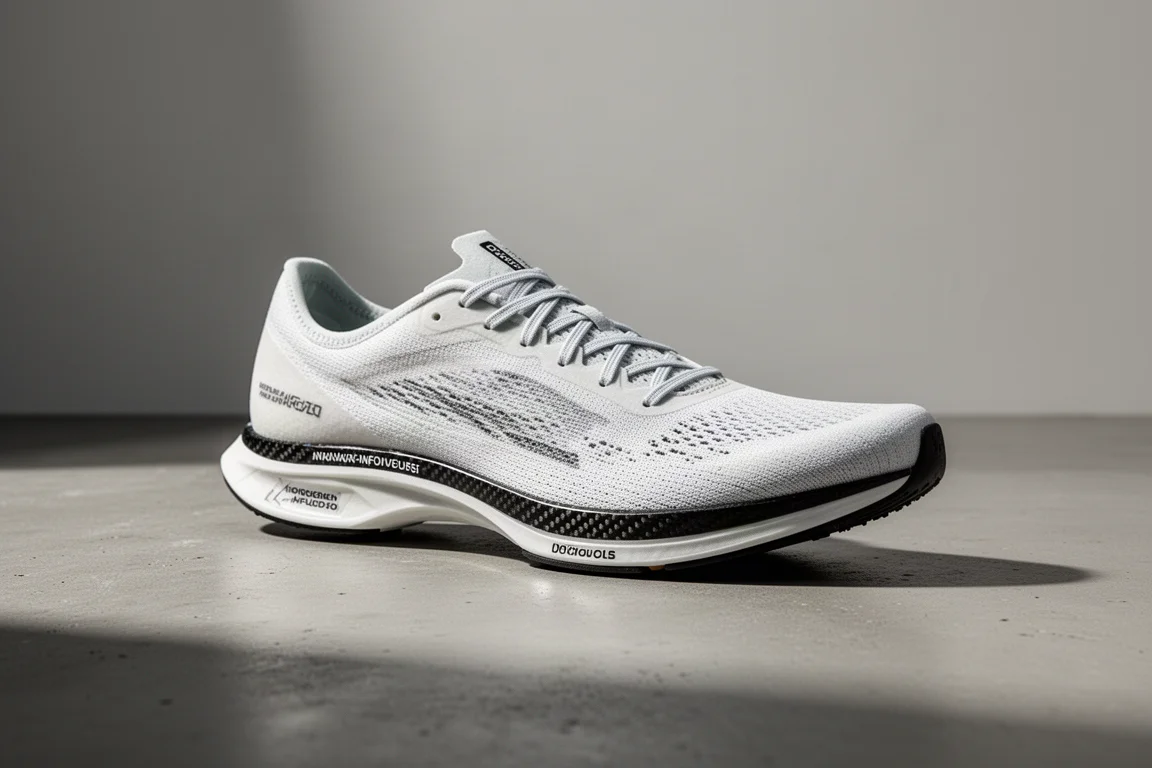
The lineup maps cleanly onto how you run. If you want one shoe to try first, the Velocity Nitro 2 is the value pick and the safest daily trainer. If you run mostly in the five to ten mile range and want a fit built around a woman’s foot, the Run XX Nitro is the most purpose-built option here. If you are curious about plates but want something you can wear every day, the Deviate Nitro is the gentlest entry point, while the Deviate Nitro Elite adds a full carbon plate for faster work. And when race day arrives, the Fast-R Nitro Elite is the shoe the elite team is lining up for.
Conclusion
Puma’s Nitro line now covers nearly every running use case with distinct, thoughtful engineering rather than minor reshuffles. Consistency in fit and ride across updates, standout grip rubber, and genuine women-specific design are what set this lineup apart. Pick based on the miles you actually run, and any of these five should serve you well.
Further reading
Related Reviews

Running Shoes
Best Road-to-Trail Running Shoes: Three Versatile Options for Mixed Terrain
A practical guide to three road-to-trail running shoes that handle both pavement and mild trails, with clear strengths and trade-offs for different runner types.

Running Shoes
Best Running Shoes for Achilles Tendonitis: Three Options Explained
Three running shoes with different heel drops and support features designed to help reduce Achilles tendon pain during walking and running.

Running Shoes
Best Running Shoes for Women: Five Top Choices Ranked
A ranked guide to five women's running shoes, from versatile daily trainers to high-performance racing options, with real strengths and trade-offs for each.