Running Shoes
Puma Running Shoe Lineup Guide: Six Shoes From Daily Trainer to Marathon Racer
A full breakdown of Puma's main running shoes, from the budget-friendly Velocity Nitro 5 to the top-end Fast-R Nitro Elite 3, with what each shoe is for and who should buy it.
Introduction
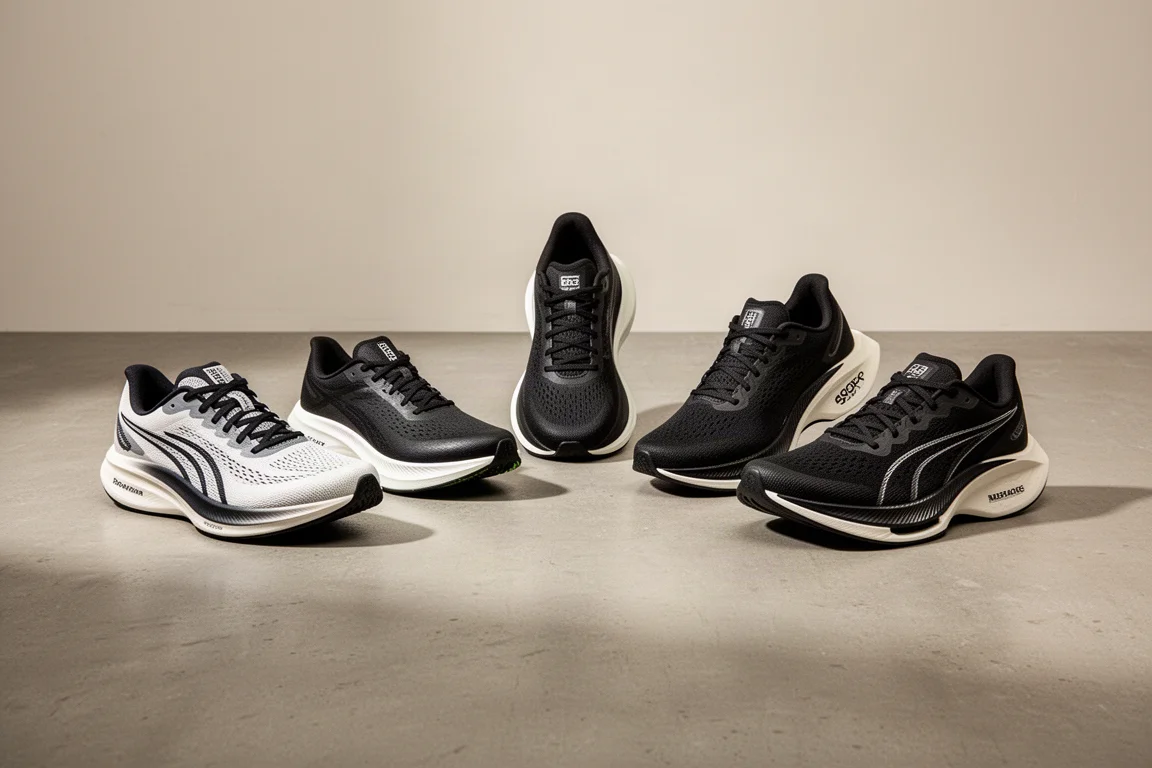
Puma has quietly become one of the most interesting brands in running. Over the last couple of years the company has staged a genuine resurgence, and its lineup now sits alongside the best in the industry: innovative, good quality, and usually priced a little kinder than the competition. This guide walks through the six main shoes in Puma’s running range, from the cheapest to the most expensive, explaining what each shoe is designed for, what works, and what to watch out for before you buy.
Puma Velocity Nitro 5: The Best Budget Daily Trainer
The Velocity Nitro 5 is the most recently updated shoe here and sits at the bottom of the price range at around £110. It is a standard daily training shoe with a 35 mm heel stack, an 8 mm drop, and just over 300 g in a typical size. The midsole is Puma’s Nitro ATPU foam with no plate, and the outsole carries a thick layer of Puma grip rubber.
The standout change is a wider toe box than version 4, plus a wide fit option, which opens the shoe up to far more runners. It is also excellent value, often found well under £100, and it is genuinely versatile: easy runs, recovery jogs, tempos, thresholds, and a fast parkrun are all well within its comfort zone. Durability is strong too, and the grippy outsole makes it a confident wet-weather and cornering shoe. The main limitation is cushioning for anything over about 90 minutes, where you will likely want more stack.

Puma Deviate Pure: The Plateless Speed Shoe
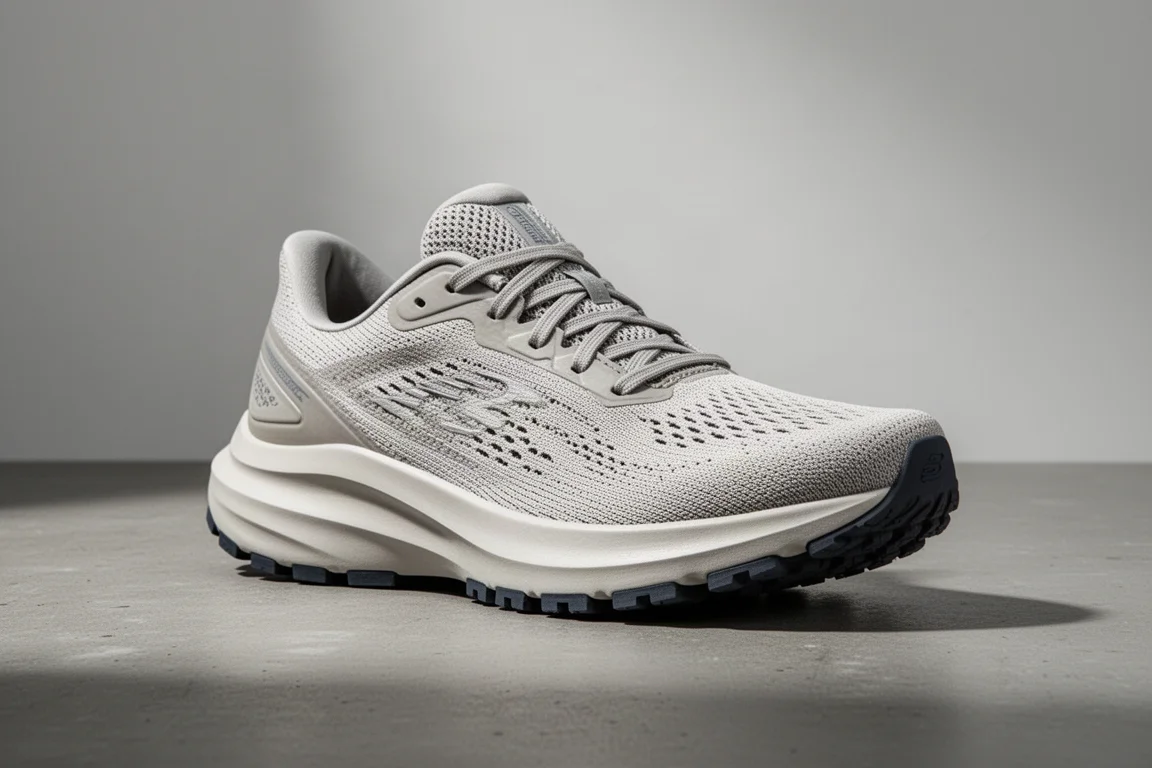
The Deviate Pure is Puma’s plateless speed shoe, sitting in a similar space to the Adidas Evoride. At around £130, it pairs a 38 mm heel stack and 8 mm drop with a very light 263 g weight. The midsole uses a 100% Pebax version of Puma’s Nitro foam, and the shoe suits interval sessions, tempo runs, and races up to around the half marathon, while still handling daily miles comfortably.
It is extremely versatile across paces and distances, lightweight yet nicely cushioned, and a 24K run straight out of the box was comfortable throughout. Outsole coverage is generous for such a light shoe, and the ride is snappy and fun without being aggressively rocker shaped, which makes it more stable than some rivals. Two caveats: the tongue tended to slide down until the lacing was adjusted, and the fit runs narrow, so wide-footed runners may need to pass.
Puma Deviate Nitro 4: A Friendly First Plated Shoe
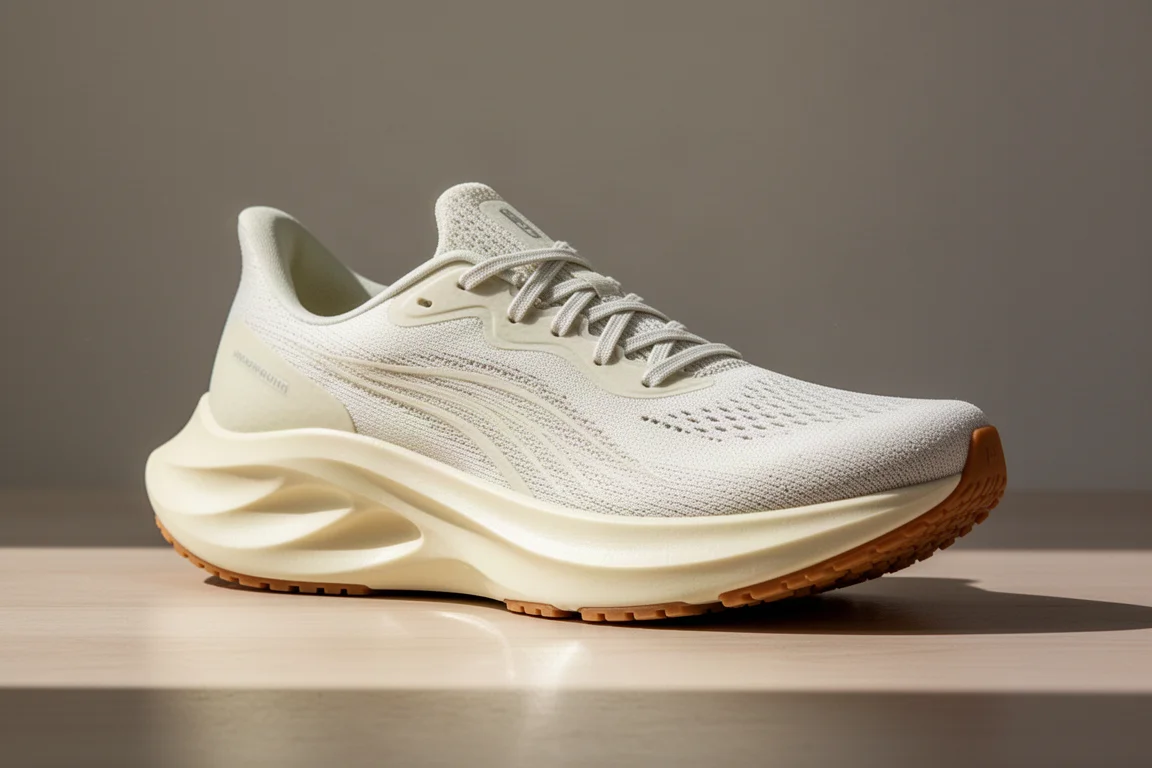
The Deviate Nitro 4 is the up-tempo option in the range, and at £150 it doubles as a more budget-friendly race day shoe thanks to the plate in the midsole. Specs include a 38 mm heel stack, 8 mm drop, and 308 g, a touch heavy for the category but not unreasonable. Underfoot you get a dual-layer Nitro foam setup with a carbon composite power plate: soft PEBA on top, a firmer PEBA blend below for stability.
This is a very approachable plated shoe. The plate is flexible and delivers a smooth, user-friendly ride that beginners can enjoy without being fast runners. The toe box has more room than previous versions, and the shoe feels nimble with good grip, making it a solid parkrun or winter race option. On the downside, the ride is responsive and peppy rather than bouncy, which some runners will miss, and the pricing sits awkwardly in the middle. If you can find it around £120, it becomes a much better deal, but many will prefer the Deviate Pure, which is lighter, just as fast, and potentially cheaper.
Puma Magma X 2: The Max-Stack Long Run Shoe
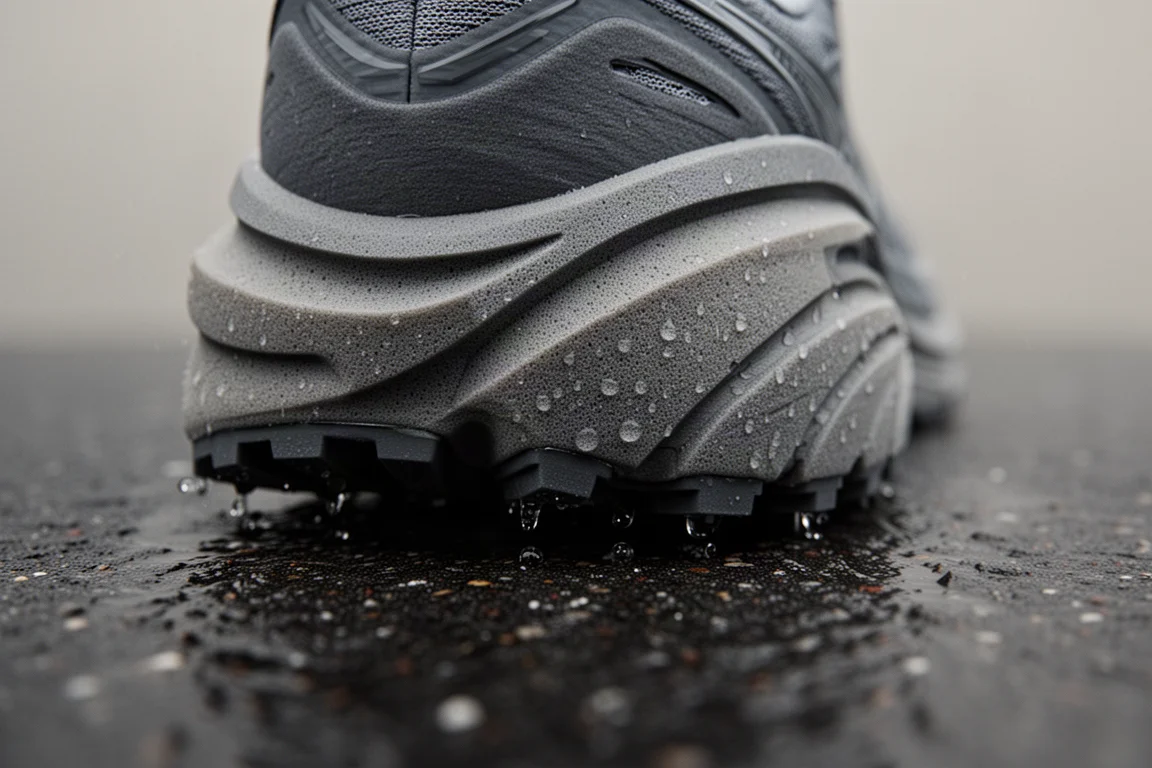
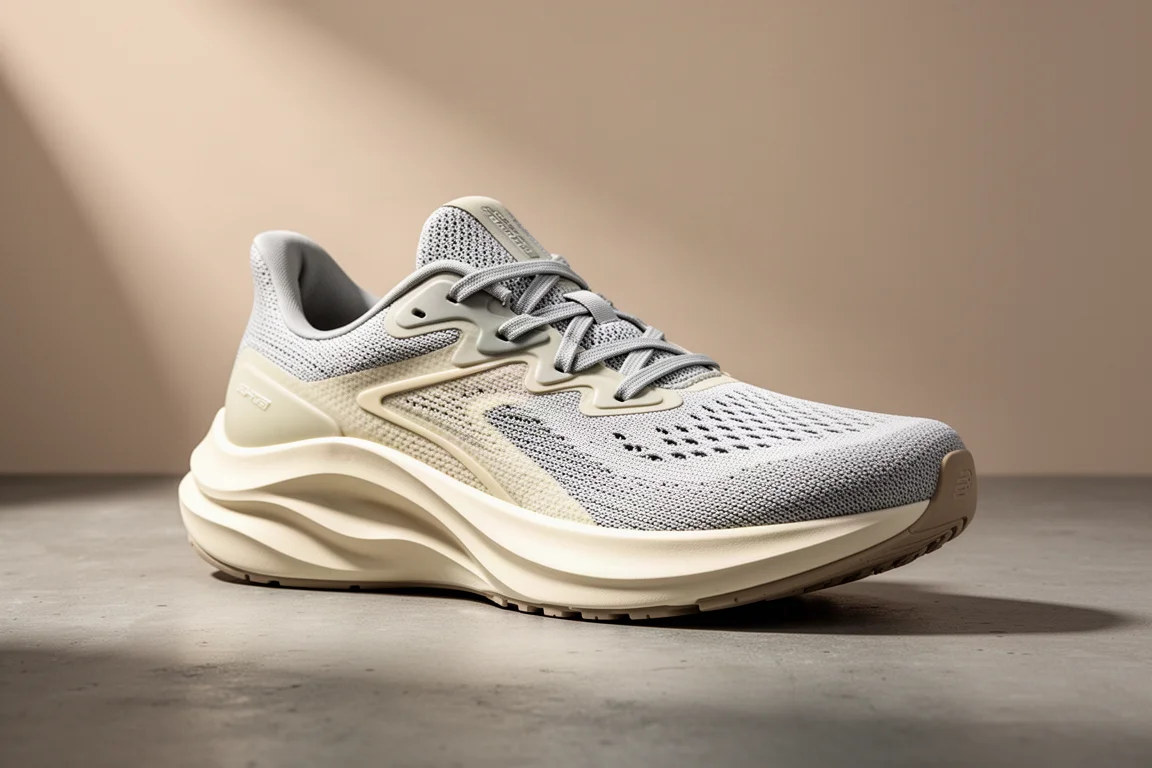
The Magma X 2 is Puma’s max stack shoe, built for easy running and long efforts. It costs around £170 and delivers a huge 46 mm heel stack with an 8 mm drop and a 324 g weight, which is reasonable for this much shoe. The midsole is Nitro foam with no plate.
As a long run shoe it excels: there is a huge amount of foam to cushion your legs over marathon-training mileage, and the ride is responsive and surprisingly bouncy, so it can handle race-pace blocks during long runs. The toe box is generous in width, the cushioning is durable, and the stable platform means you will not bottom out the foam, which also makes it a great pick for heavier runners. The main drawback is price: at RRP it is a little more expensive than popular rivals such as the Vomero Plus, which undercuts it by around £15, so it is worth shopping for a deal.
Puma Deviate Elite 4: The Ultra-Lightweight Race Day Shoe
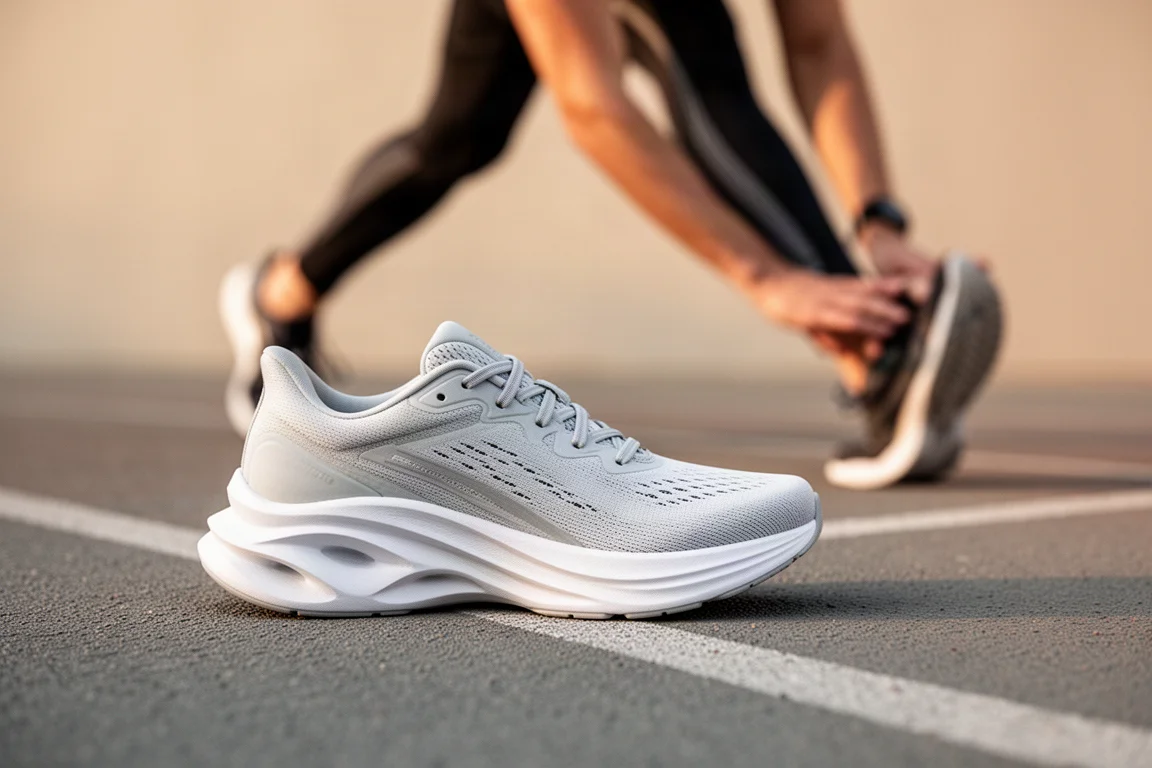
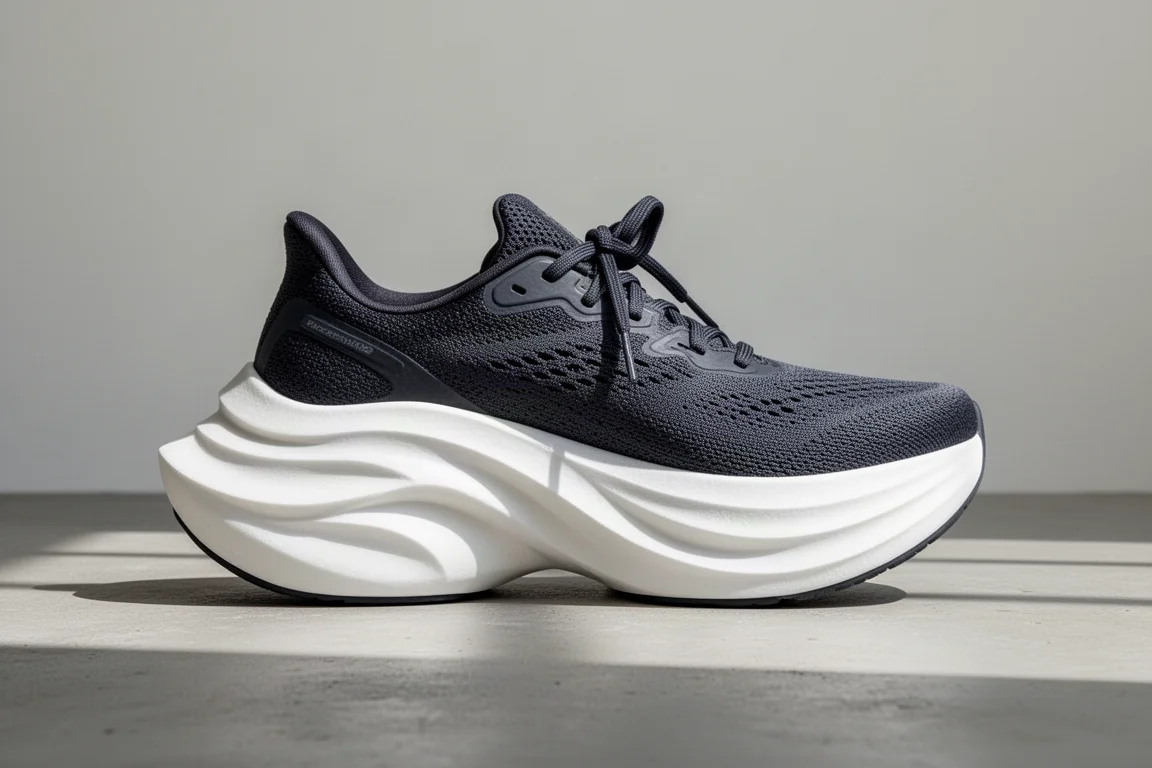
The Deviate Elite 4 is Puma’s race day shoe for a wide range of distances, in practice up to around the half marathon. It crosses the £200 mark at £210, with a 40 mm heel stack, 8 mm drop, and an incredibly light 190 g weight. The midsole combines Nitro Elite ATPU foam with a carbon fiber power plate, softer foam above the plate and a firmer density below for stability.
The headline is the weight: this is one of the lightest shoes around, and your feet simply disappear underneath you as you run. Despite being stripped back, it is surprisingly comfortable, very breathable, with good lockdown, excellent laces, and solid rearfoot stability that should suit heel strikers. It is also very fast, snappy, and responsive. The trade-off for that lightness is a thinned-down outsole, so durability will not match the more robust shoes in the range. The plate is quite flat with little rocker at the front, so the shoe favors a mid or heel strike rather than tipping you forward.
Puma Fast-R Nitro Elite 3: The Top-End Racer
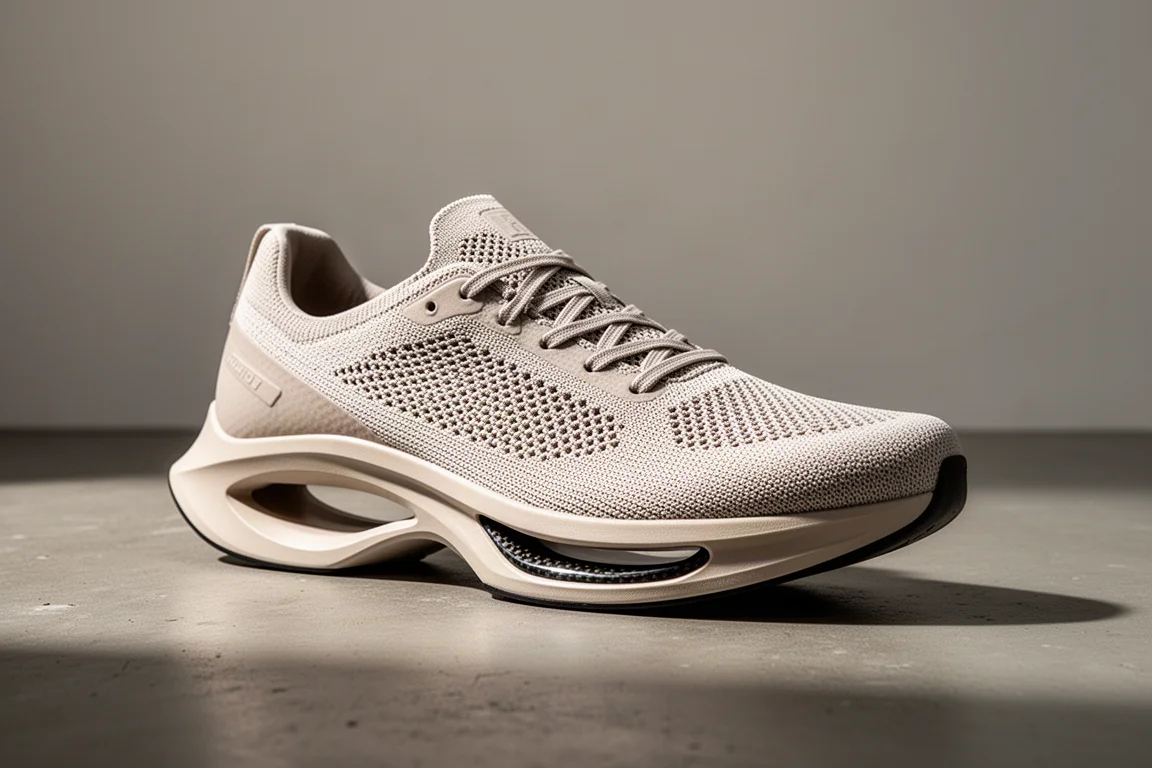
The Fast-R Nitro Elite 3 is Puma’s flagship racer, covering race day from 5K all the way to the marathon, and it is arguably one of the fastest road racing shoes ever made. That performance costs £260 in the UK. Specs include a 40 mm heel stack, 8 mm drop, 214 g, and a midsole of nitrogen-infused Nitro Elite ATPU foam with a carbon fiber power plate. Sizing tip: going half a size down produced the best dialed-in race fit.
The ride is wild in the best sense: extremely fast, bouncy, and responsive with remarkable energy return, helped by a long carbon plate and pronounced rocker geometry that lets you rip through reps and races. The ultraweave upper breathes very well in warm conditions, comfort is respectable for this type of shoe with padding in the right places, good lockdown, and two sets of laces in the box. The caveats are serious, though: the aggressive geometry demands strength and fitness, the soft rearfoot foam is unstable, and heel strikers will not get the benefits, so you need to land mid or forefoot. And the price is high, which makes the 5K to 10K sweet spot an expensive thrill.
Which Puma Should You Buy?
Two shoes stand out as the stars of the lineup. The Velocity Nitro 5 is the standout daily trainer for anyone on a budget, arguably the best budget running shoe available from any brand right now, especially if you can find it under £100. The Deviate Pure is the other highlight: a fast, light, fun, and good-value speed shoe that many runners will prefer over the pricier plated Deviate Nitro 4.
Beyond those, the Magma X 2 is the easy pick for marathon training long runs and heavier runners who want maximum cushioning, while the Deviate Elite 4 and Fast-R Nitro Elite 3 serve dedicated racers, with the Fast-R reserved for strong, fit runners who land mid or forefoot and are willing to pay for top-tier speed.
Conclusion
Puma’s running range now covers nearly every need, and it does so with a consistency that few brands match. Start with the Velocity Nitro 5 if you want one shoe for everything, step up to the Deviate Pure for speed work, choose the Magma X 2 for maximum cushioning, and save the Deviate Elite 4 or Fast-R Nitro Elite 3 for race days when you want to go genuinely fast.
Further reading
Related Reviews

Running Shoes
Best Road-to-Trail Running Shoes: Three Versatile Options for Mixed Terrain
A practical guide to three road-to-trail running shoes that handle both pavement and mild trails, with clear strengths and trade-offs for different runner types.

Running Shoes
Best Running Shoes for Achilles Tendonitis: Three Options Explained
Three running shoes with different heel drops and support features designed to help reduce Achilles tendon pain during walking and running.

Running Shoes
Best Running Shoes for Women: Five Top Choices Ranked
A ranked guide to five women's running shoes, from versatile daily trainers to high-performance racing options, with real strengths and trade-offs for each.