Running Shoes
Puma Running Lineup Spring 2026: Six Road Shoes and How They Fit Your Rotation
From the durable Velocity daily trainer to the Fast-R 3 race shoe, a practical look at Puma's spring 2026 road running lineup and how to build a rotation around it.
Introduction
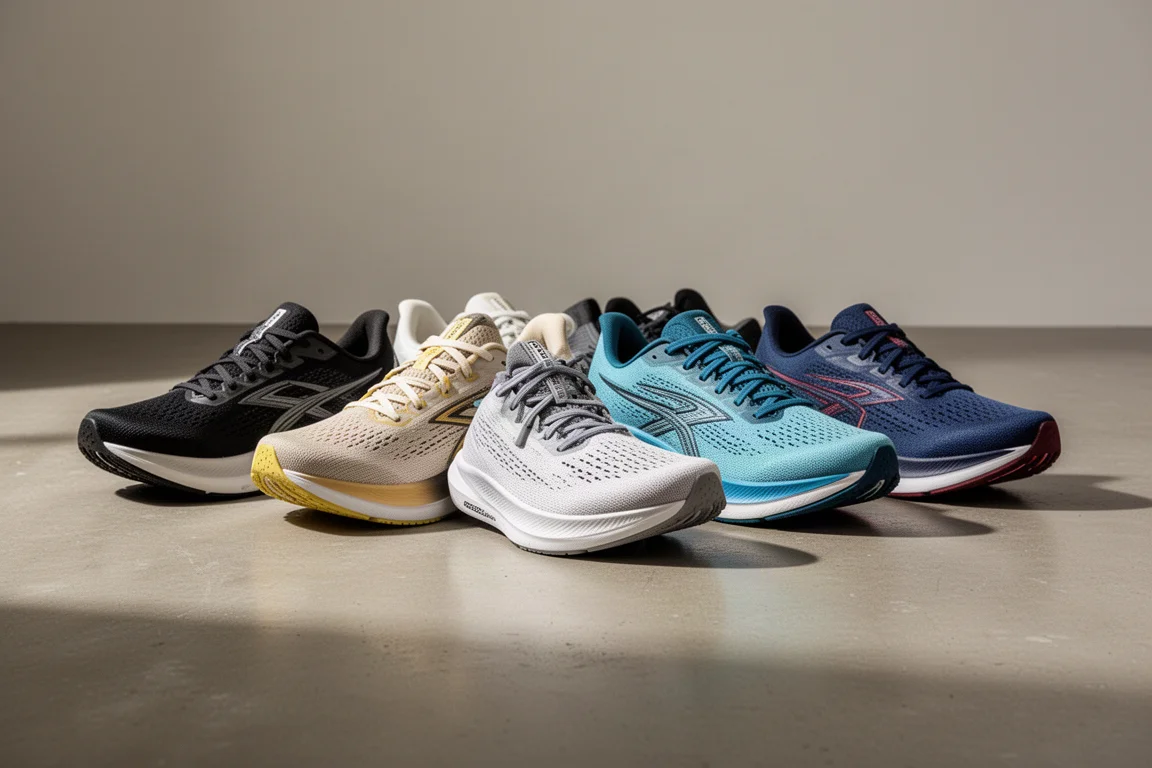
Puma’s spring 2026 road running lineup covers nearly every job a runner needs done: a durable daily trainer, a max cushion option, a tempo shoe, and two very different race day contenders. What ties the range together is Nitro foam, though the name means different things depending on the shoe. Some models use aliphatic TPU, others use PEBA, and the grade of each foam changes the ride significantly. Here is how the six shoes break down and which ones make the most sense in a real-world rotation.
The Daily Trainer: Puma Velocity
The Velocity is the centerpiece-style daily trainer of the lineup: versatile enough to handle most runs on most days, with a comfortable upper built to hold up over time. Its Nitro foam is aliphatic TPU, a material that can be light, durable, soft, and fast all at once. In this shoe the ride leans slightly firm and slightly speedy, which means it handles pace changes well. If you like a bit more pop in your everyday miles, that firmness is a feature rather than a flaw.
For runners who prefer a softer everyday experience, though, the next shoe may line up better.
The Max Cushion Option: Puma Magnify Nitro 3
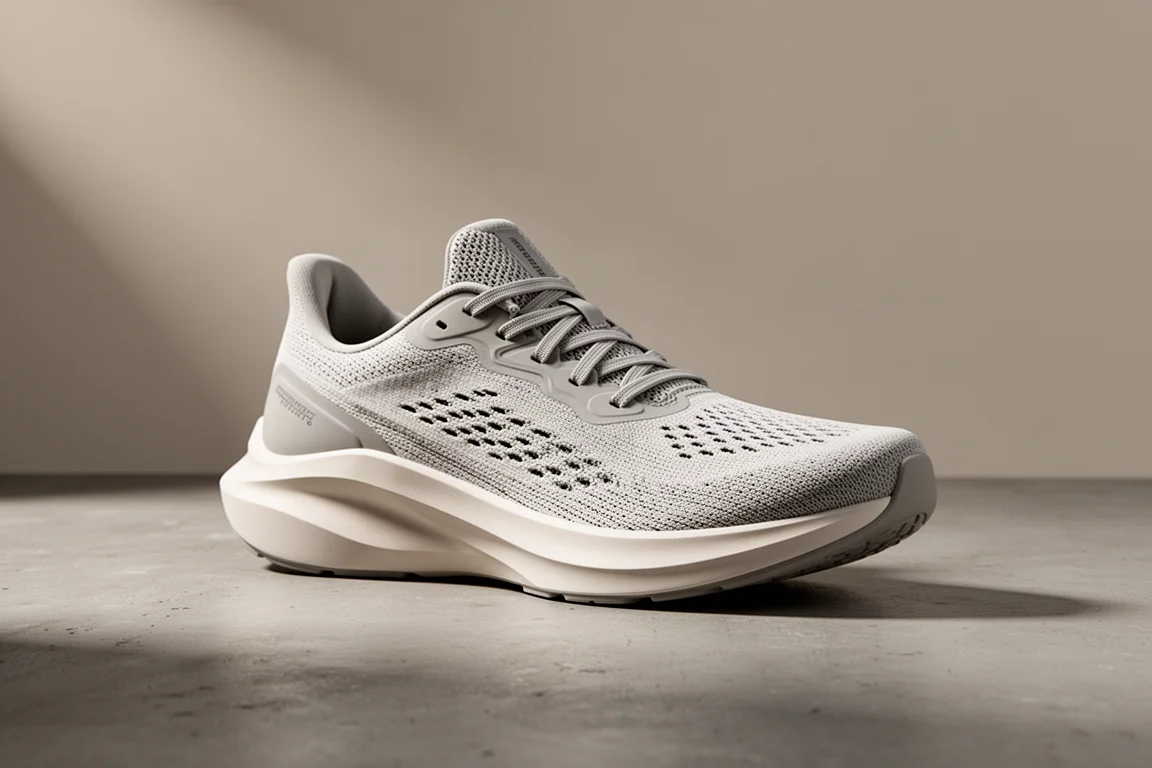
The Magnify Nitro 3 is the softer counterpart in the lineup, and it uses a different kind of Nitro: PEBA foam, a material more typically seen in racing shoes, tuned here to be lightweight but very cushioned. The shoe sits a bit taller, with extra padding and puffiness in the heel cup for added comfort.
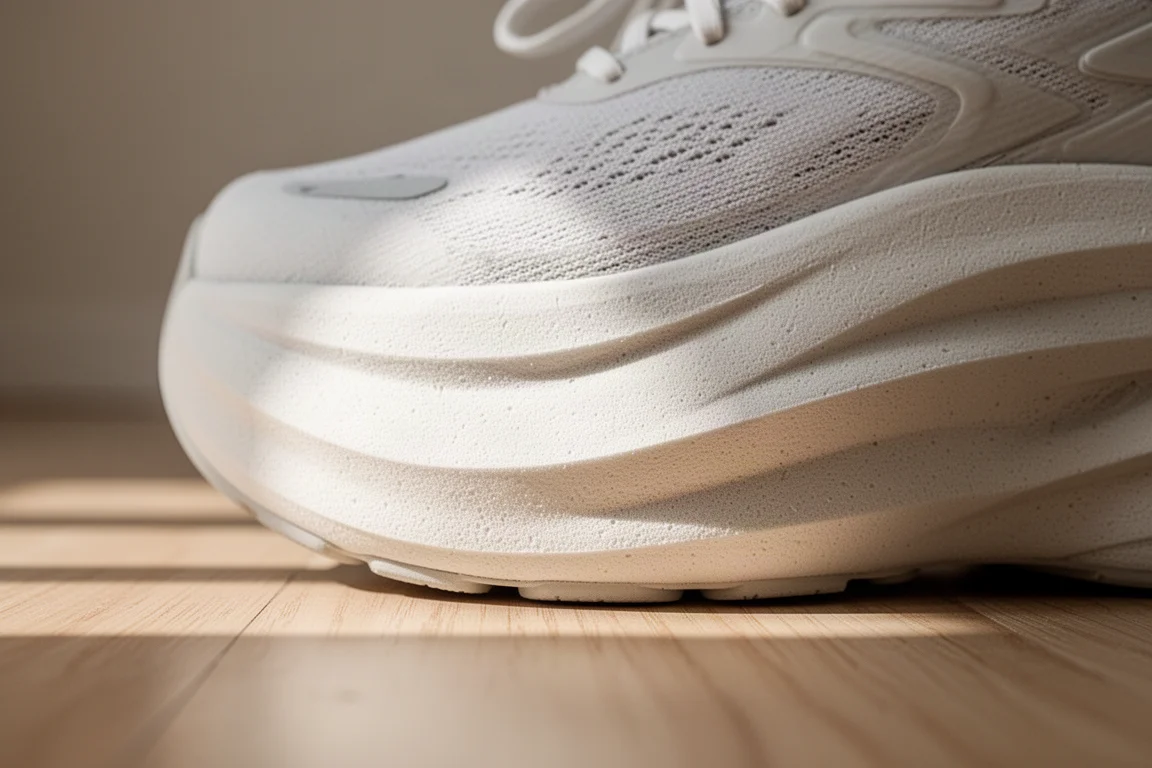
It is the shoe to reach for on long days on your feet, recovery runs, or any day you simply want a softer ride. In practice it is versatile enough that many runners could use it for a large share of their weekly mileage.
The Race Shoe for Heel Strikers: Puma Deviate Nitro Elite 4
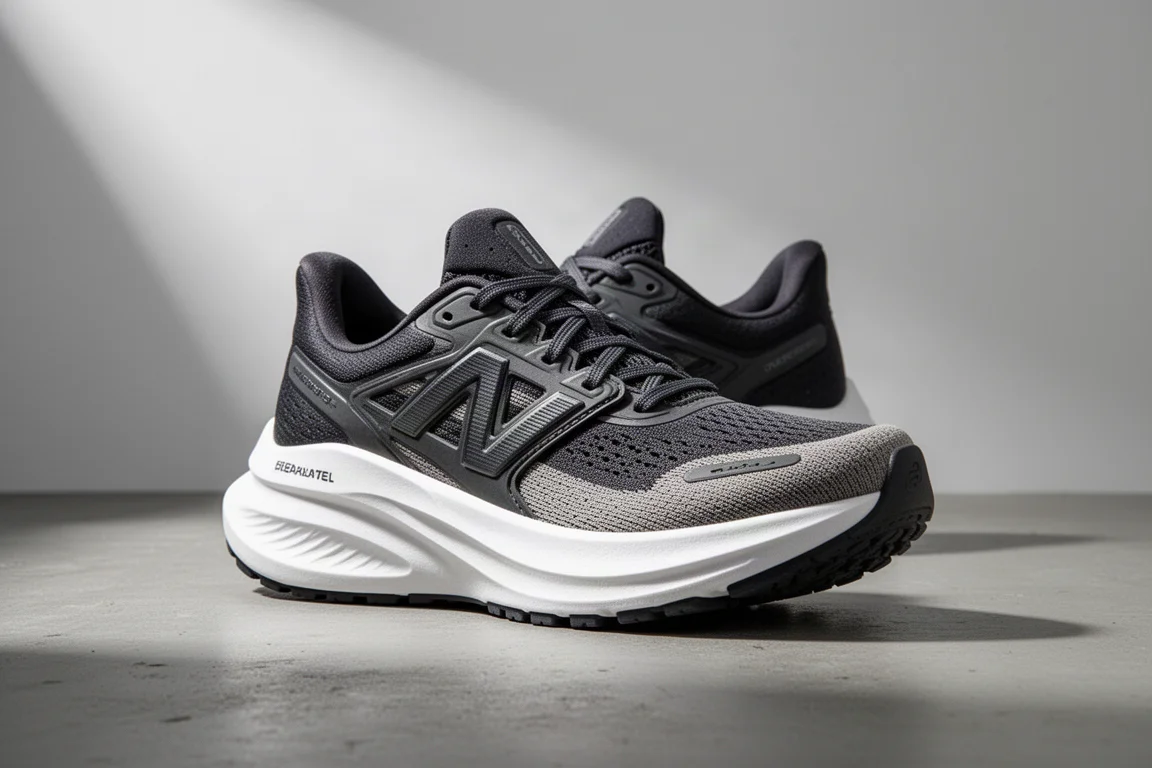
The Deviate Nitro Elite 4 is Puma’s lightweight racing option with a carbon fiber plate and a barely-there, snug upper designed for going fast. Its foam is a race-grade PEBA: very light, soft, and incredibly snappy.
Thanks to the way the shoe is set up, it is generally well suited to heel strikers. That is not a hard rule, since foot strike alone does not decide whether a shoe works for you, but it is a sensible starting point when choosing between this and Puma’s other race shoe.
The Tempo and Workout Shoe: Puma Deviate 4
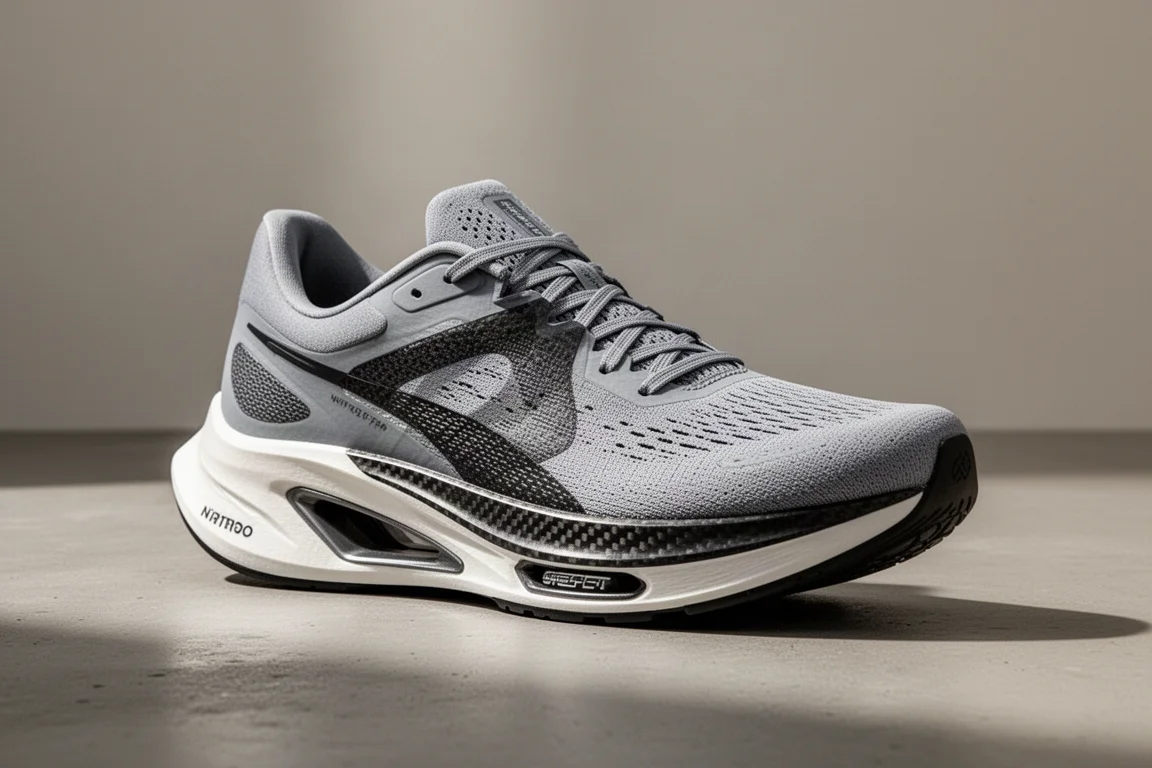
Sitting between the daily trainer and the race shoe is the Deviate 4, Puma’s tempo or workout shoe. It blends the two worlds deliberately: an upper built for more comfort and durability like a daily trainer, paired with faster components including a PEBA top layer and a carbon fiber plate, while the bottom layer uses a supercritical Nitro foam of daily-training caliber.

That mix makes it the natural pick for workouts with pace changes, fartleks, and speed sessions that do not quite justify the race shoe. It is also comfortable enough that some runners could use it for daily training, and depending on your preferences, it might even replace a dedicated daily trainer entirely.
The Extra-Tall Comfort Pick: Puma Mag Max 2
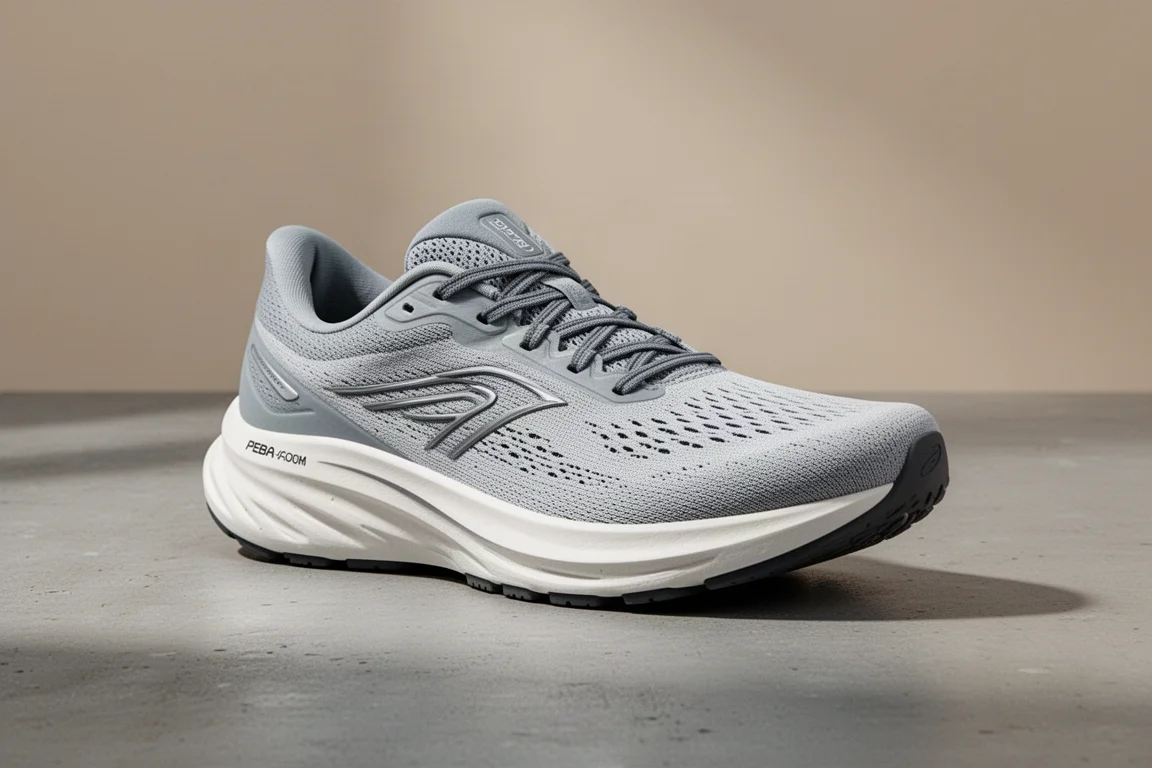
On the other end of the comfort spectrum from the Velocity sits the Mag Max 2. It is a tall, comfort-oriented shoe using supercritical daily-training-caliber Nitro foam, aimed at runners who want even more stack height than the Magnify provides.
It also tries to be a little more peppy, which makes it interesting for long runs that include some pace pickups or speed work inside the session. The main caveat is overlap: it competes closely with the Magnify Nitro 3, so most runners will likely only need one of the two.
The Race Shoe for Forefoot Strikers: Puma Fast-R 3
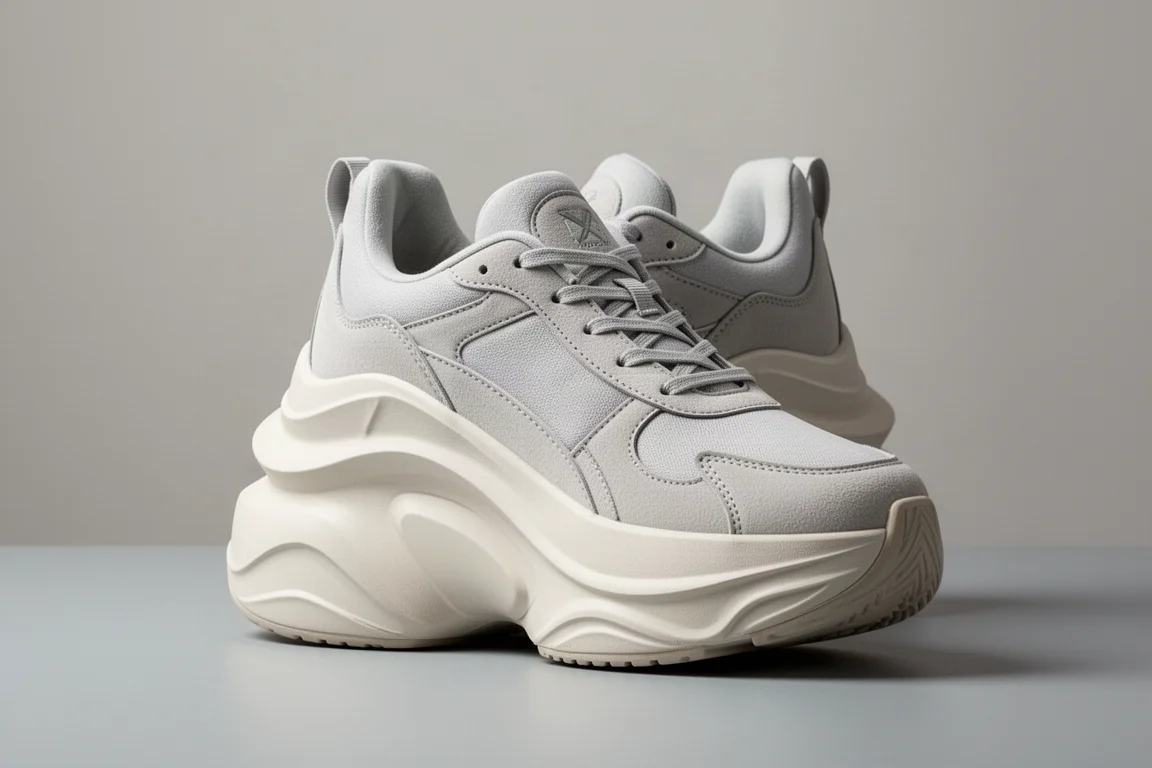
The Fast-R 3 stands out as a favorite in the lineup. It uses race-grade aliphatic TPU foam: very light, very durable, relatively soft for a race day shoe, and notably bouncy. With a carbon fiber plate and a heel separated from the forefoot, it is designed more for forefoot strikers.
That makes it an either/or choice against the Deviate Nitro Elite 4 rather than a companion: heel strikers should probably look at the Deviate Nitro Elite 4, forefoot strikers at the Fast-R 3. It is rare to see both types of race shoe coexist in one brand’s lineup at the same time. The durability of the aliphatic TPU also means less anxiety about reaching for a race shoe more often in workouts.
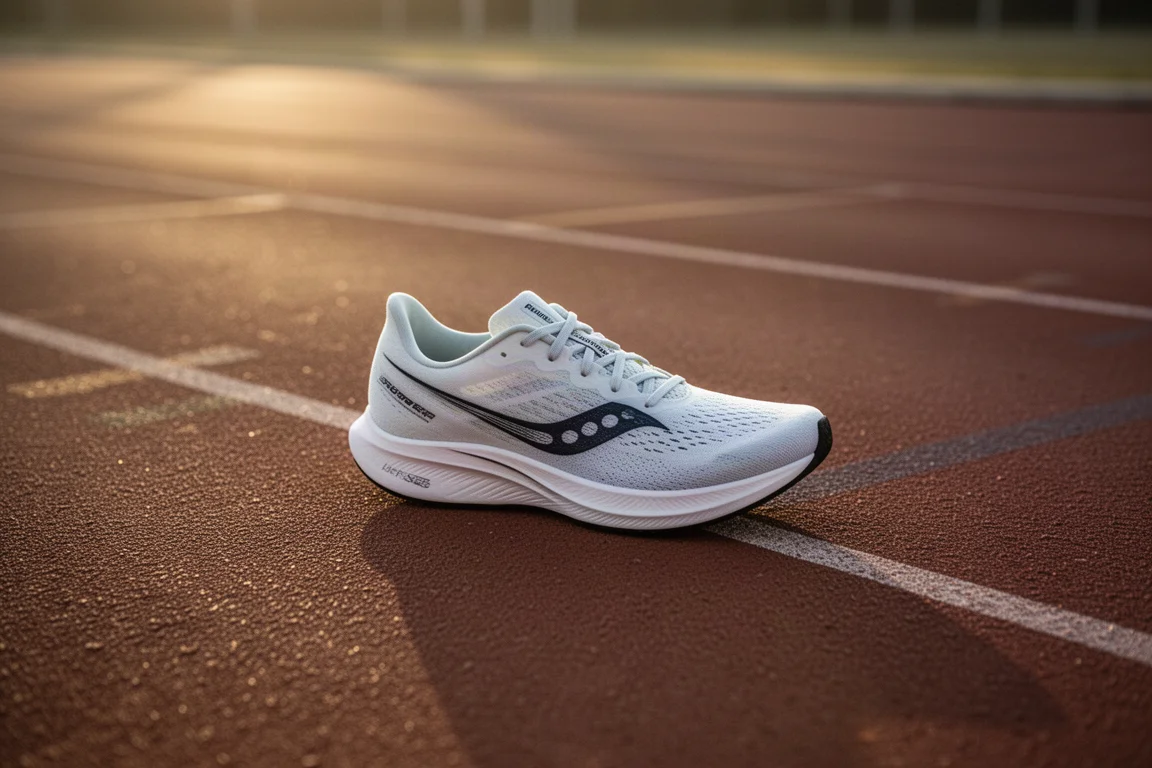
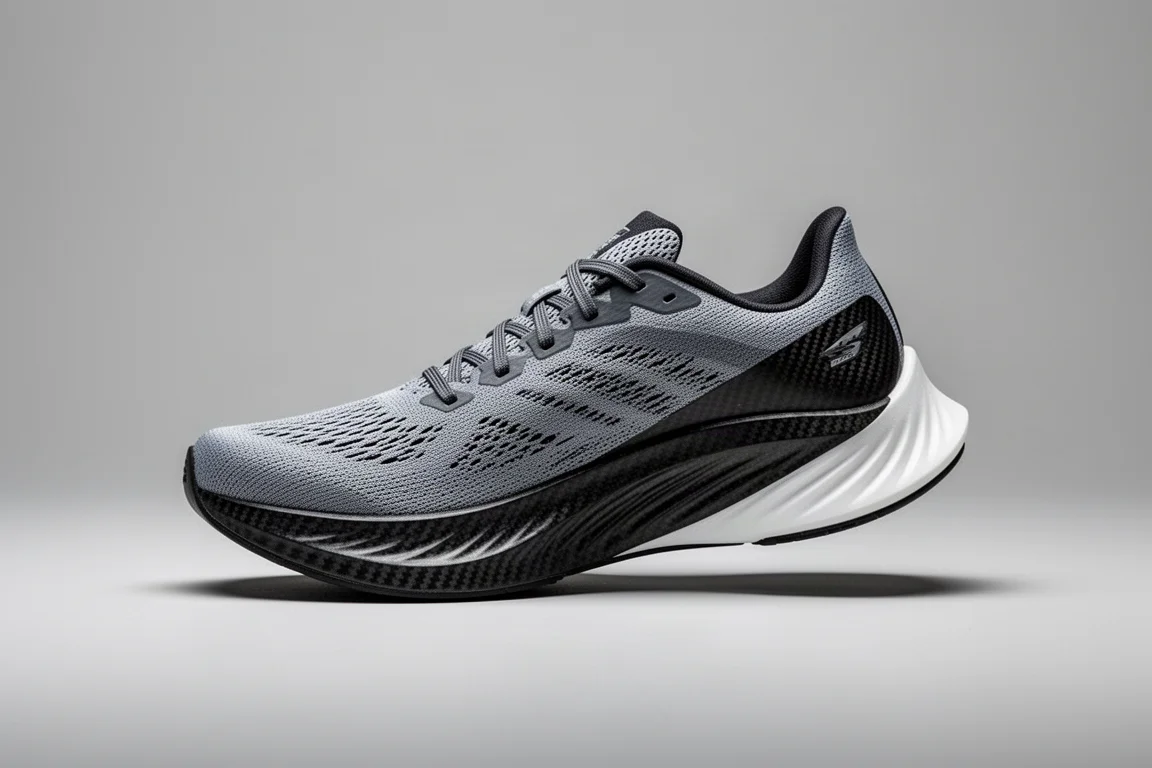
Building a Rotation: Practical Advice
Not everyone needs a full closet of shoes, and no rotation has to come from a single brand, but thinking in use cases helps. A four-shoe lineup would pair the Velocity as the daily trainer, the Deviate 4 for workouts and speed work, the Magnify Nitro 3 for max cushion and many daily training days, and the Fast-R 3 for racing.
Trim to three shoes and the Velocity is the likely cut, since its use case overlaps with the Magnify, which is more versatile and softer. The Magnify becomes the daily trainer and recovery shoe, the Deviate 4 handles anything faster, and the Fast-R 3 takes race days, hard runs, and long runs with workout paces.
Down to two shoes, the Deviate 4 drops out. Lean harder on the Fast-R 3, whose aliphatic TPU offers more durability than racing shoes typically have, making it far less risky to use in regular workouts, while the Magnify Nitro 3 covers daily training, recovery runs, and long slow distance. As a two-shoe setup, that is a strong combination.
Conclusion
Puma’s spring 2026 road lineup is unusually coherent: distinct foams, distinct use cases, and two race shoes that split neatly by foot strike. The Magnify Nitro 3 is the most versatile all-rounder, the Deviate 4 is the easy tempo pick, and the Fast-R 3 is the standout race shoe, particularly for forefoot strikers. Match the shoe to the run and the lineup makes choosing simple.
Further reading
Related Reviews

Running Shoes
Best Road-to-Trail Running Shoes: Three Versatile Options for Mixed Terrain
A practical guide to three road-to-trail running shoes that handle both pavement and mild trails, with clear strengths and trade-offs for different runner types.

Running Shoes
Best Running Shoes for Achilles Tendonitis: Three Options Explained
Three running shoes with different heel drops and support features designed to help reduce Achilles tendon pain during walking and running.

Running Shoes
Best Running Shoes for Women: Five Top Choices Ranked
A ranked guide to five women's running shoes, from versatile daily trainers to high-performance racing options, with real strengths and trade-offs for each.