Running Shoes
Puma Nitro Running Shoes Compared: Five Options From Budget Trainer to Carbon Racer
Five shoes from Puma's Nitro range tested and compared, with recommendations for one-shoe buyers and multi-shoe rotations.
Introduction
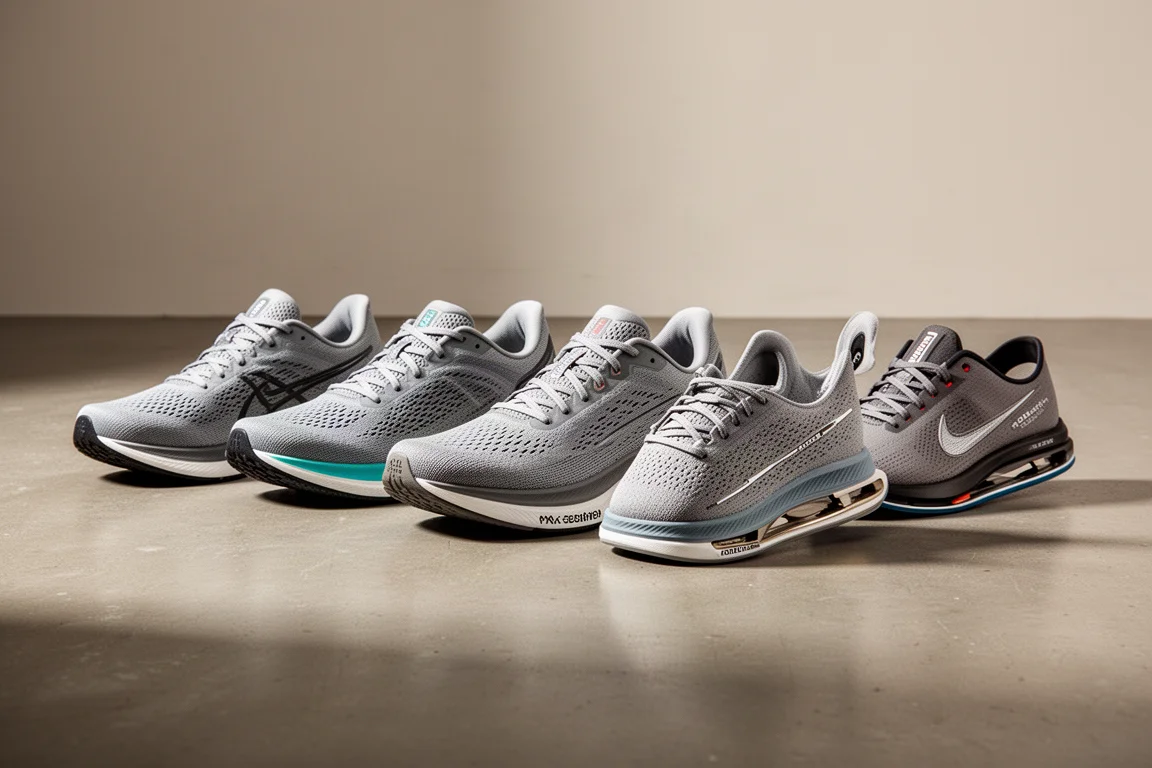
Puma has come back into long-distance running in a big way, launching an entirely new range of shoes that has impressed a lot of runners this year. A few features run across the whole range: the nitrogen-infused EVA Nitro foam in the midsole gives a poppy, lightweight ride, and the Puma Grip outsoles deliver strong traction in a range of conditions with good durability. Several options also sit at genuinely good value price points, with a couple of solid choices under 100 pounds, and most of the range shows up in sales and voucher codes fairly often.
This roundup covers five shoes we have tested: the Liberate, Velocity, Magnify, Deviate and Deviate Nitro Elite. We have not spent meaningful time in the Eternity Nitro, a stability shoe, or the cheaper Electrify Nitro, so neither is covered here. Below you will find the strengths, weaknesses and best-fit runner for each shoe, followed by advice on which to pick for a one-shoe, two-shoe or three-shoe rotation.
What Makes the Nitro Range Work
The single most important feature across the range is the Nitro foam in the midsole. This nitrogen-infused EVA provides a poppy, energetic ride while staying lightweight, which is why it appears in everything from the budget Liberate to the plated Deviate.
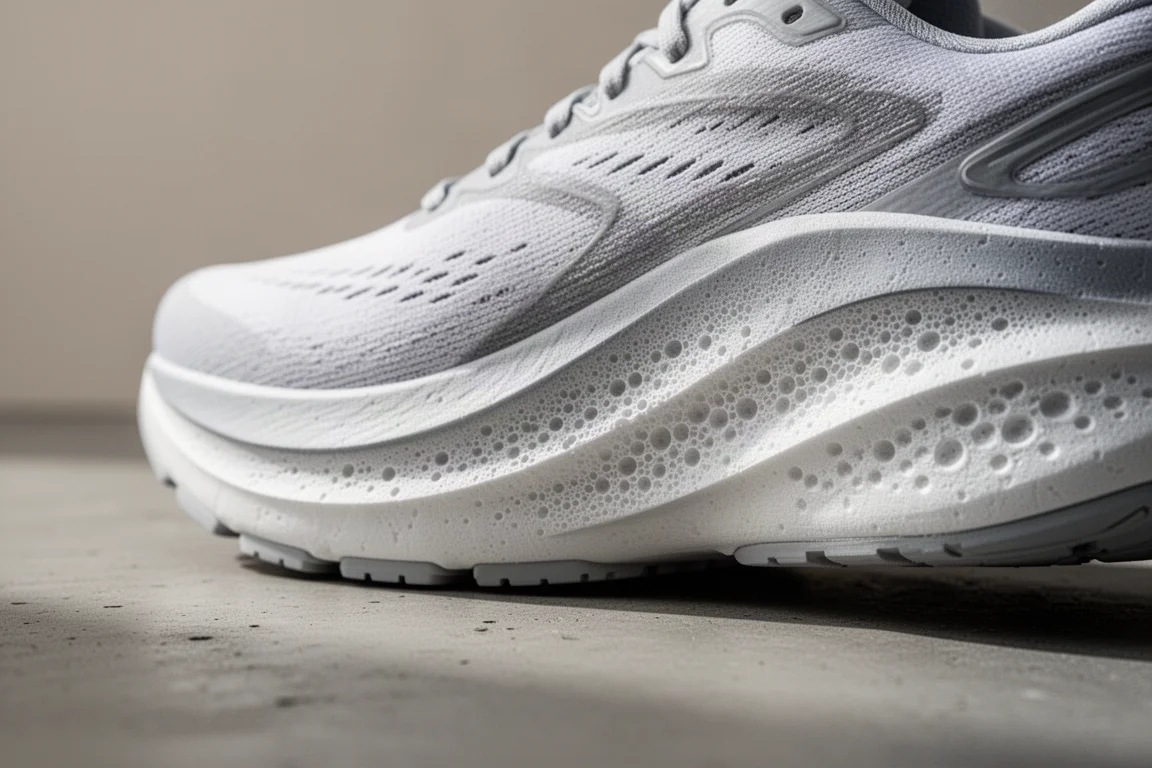
The second shared strength is the Puma Grip outsole, which has provided really good grip in a range of conditions and holds up well over time. Finally, value is a genuine theme here: some options sit under 100 pounds, and the rest of the range is frequently discounted, which is refreshing in a category where running shoes can get very expensive.
Puma Liberate Nitro
The Liberate Nitro is the cheapest and lightest shoe covered here, coming in at around 90 pounds and under 200 grams even in a UK size nine. It has a thin mono-mesh upper, a very flexible build, and a generous covering of Puma Grip for such a lightweight shoe, which together give a really great feel for the ground.
The nitrogen-infused EVA midsole delivers a nicely poppy ride. What it does not have is the cushioning and support of the more substantial shoes in the range. In practice it worked best over short distances: anything up to around 10K is covered really nicely, but during marathon training, runs beyond an hour or in the 10 to 15 mile range left it feeling under-cushioned. There were also some slight heel rub issues on longer runs, a design trait it shares with the Deviate Nitro.
Overall it is a fun, versatile all-rounder for runners who stick to shorter distances. It handles interval sessions and fast tempo runs well, provided you keep those efforts on the shorter side, and it is a genuinely enjoyable shoe to run in.
Puma Velocity Nitro
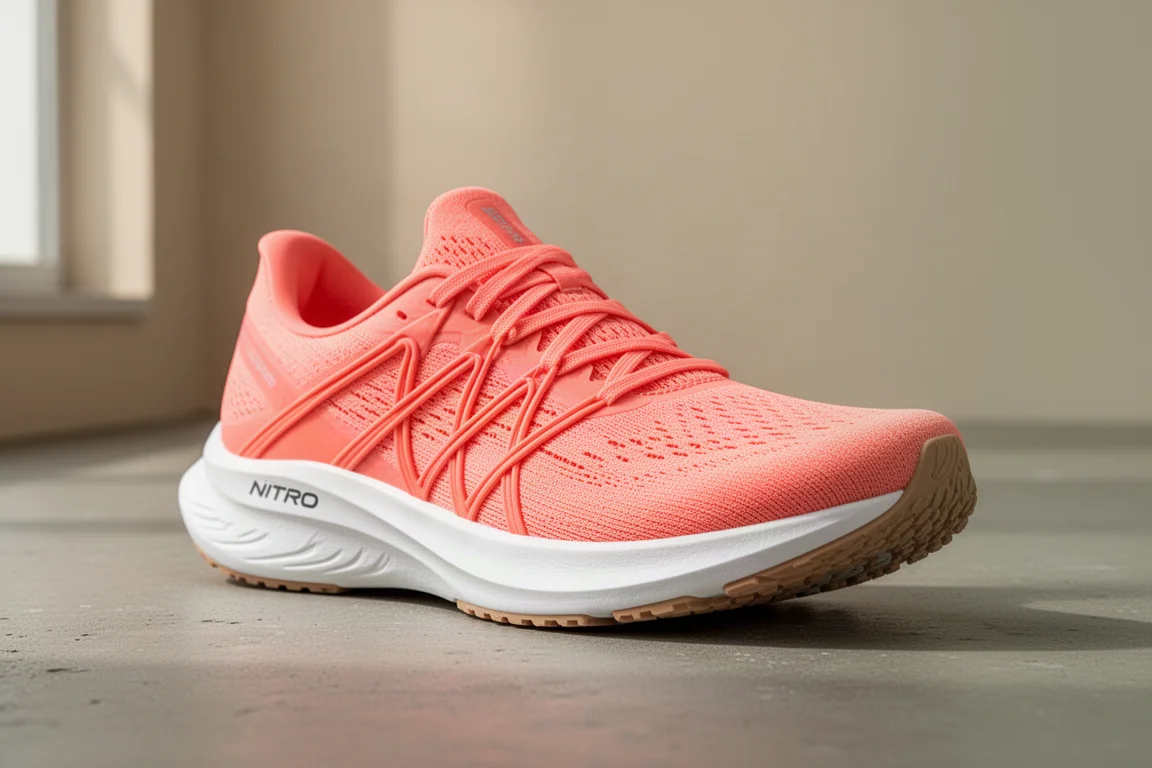
The Velocity Nitro is the most cushioned general trainer in this lineup and one of the best-value shoes here. Its RRP is 100 pounds, but it has been available in sales for well under 50 pounds for much of the year. The midsole stacks Nitro foam on top of ProFoam Lite, which adds a bit of rigidity and durability, and a heel shank adds some stability. There is no full-length plate, unlike some other shoes in the range.
Comfort is a real highlight. There is a good amount of padding around the top of the shoe, no heel rub issues at all, and a thick layer of Puma Grip underneath. Despite all that, it is not heavy at 276 grams (9.6 ounces), which makes it very versatile. It handled longer rep sessions of 2K or 3K with plenty of pop while remaining a genuinely comfortable easy-day shoe.
This is arguably the favorite of the new range simply because of how much it does for the money, and it has stuck around in rotation long after testing ended.

Puma Magnify Nitro
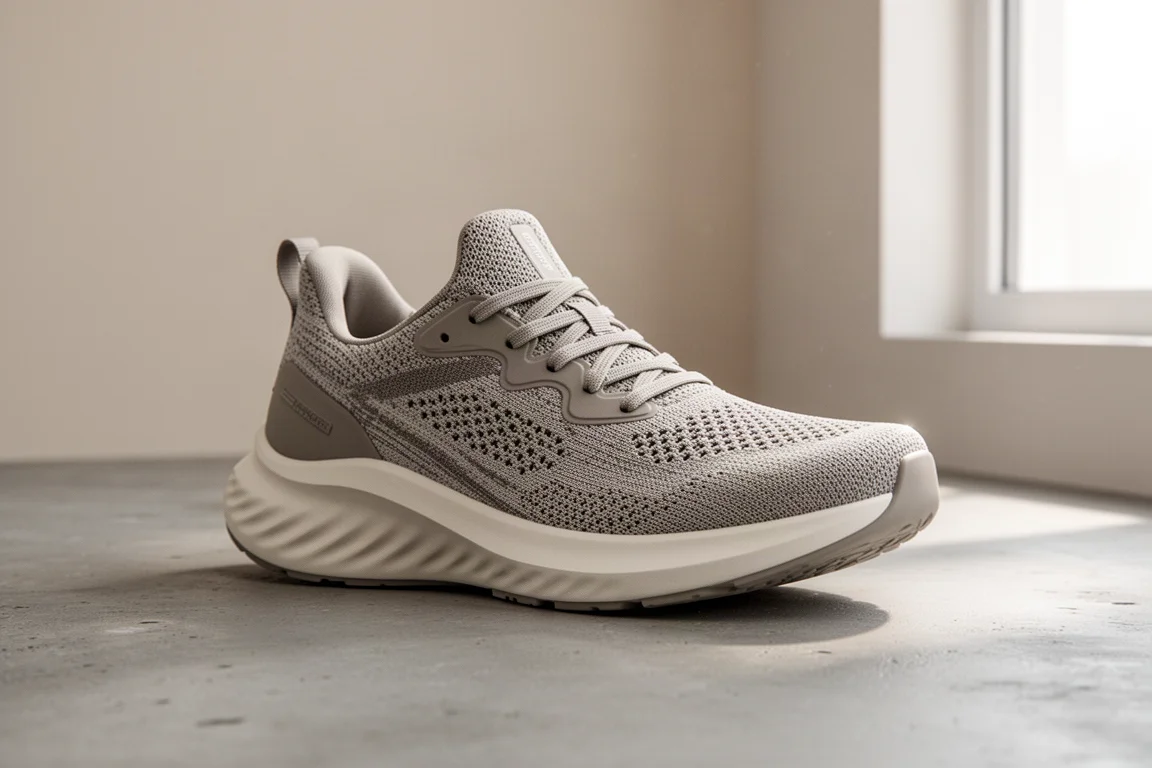
The Magnify Nitro is the max-cushioned option in the range and one of the newest additions. It carries a big slab of Nitro foam, which takes the weight up to 312 grams in a UK size nine, though that is not outrageous for a max-cushion shoe. The upper gets extra padding around the heel and tongue for a plush, comfort-focused feel.
It is a little more comfortable than the Velocity Nitro, though not a huge leap, and the upper is plusher. Grip remains excellent thanks to another generous Puma Grip covering. Even in a max-cushion shoe, the Nitro foam stays fairly poppy, so it is more versatile than most max-stack options, and it works as a general daily trainer if you pair it with something faster for short, quick sessions.
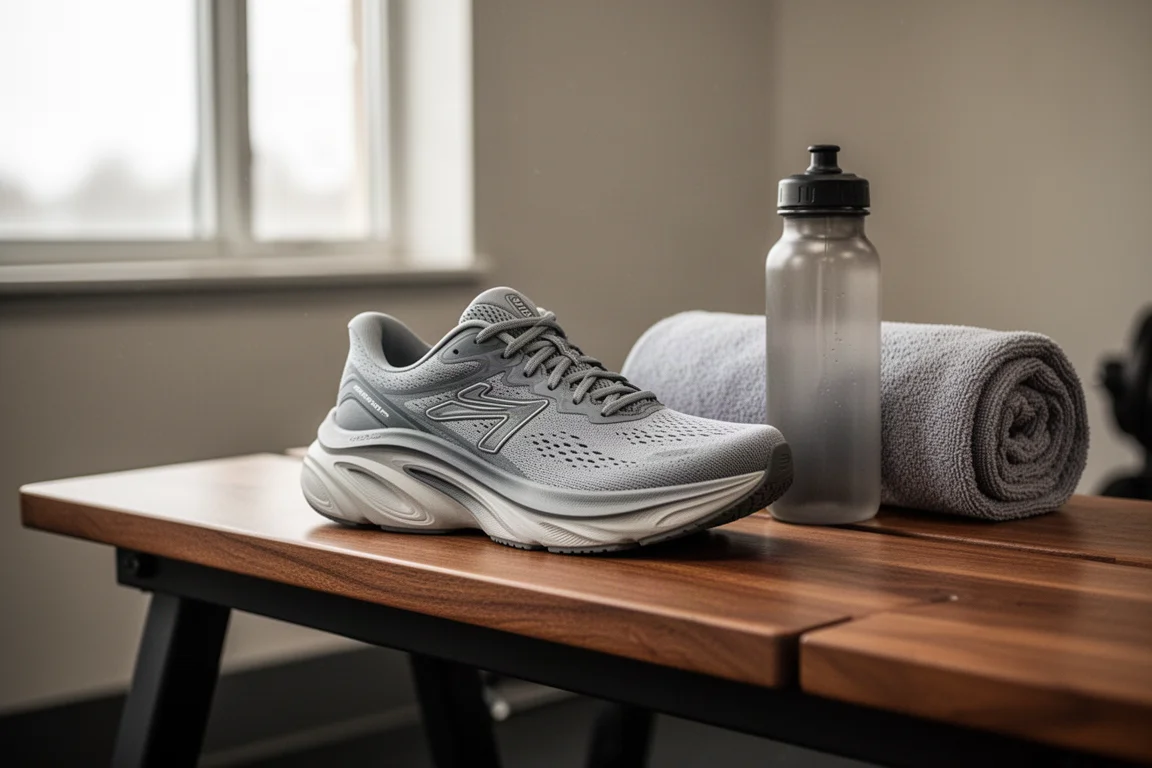
At 110 pounds it costs a little more than the Velocity Nitro, but it is still fairly cheap for a max-cushion shoe compared with what other brands charge. If you want that extra bit of cush while keeping the Nitro ride, this is the shoe for you.
Puma Deviate Nitro
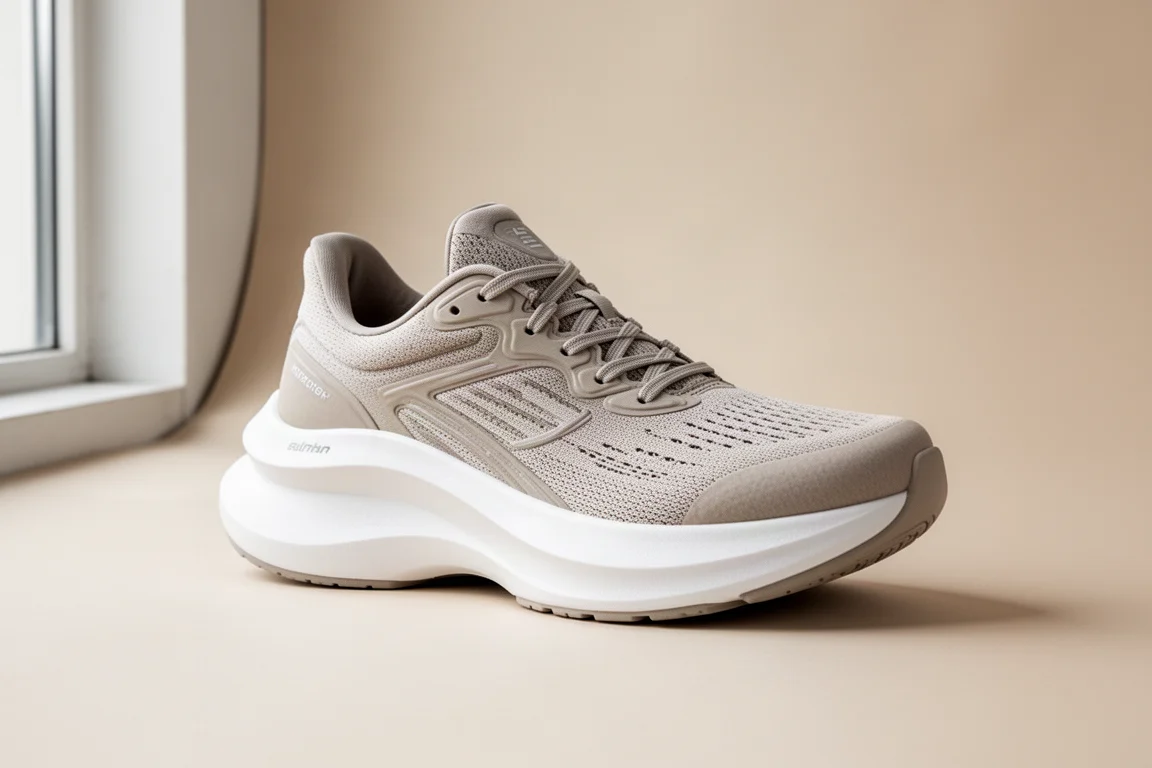
The Deviate Nitro is Puma’s plated fast trainer, and it comes with one significant caveat straight away: heel rub. The padded top at the heel has caused real problems for some testers, and it is a genuine issue to weigh up. The Spectra edition adds a little more heel cushioning and avoided the problem entirely, and trimming the padding down is a practical fix if you really want this shoe.
Set that aside and there is a lot to like. It has a full-length carbon plate, Puma’s slightly forked inner plate, with Nitro foam above and below it. The upper is more stripped back than the Velocity Nitro, with no padding around the heel, but the outsole still carries a lot of Puma Grip material. The result is a durable shoe built to be used regularly at speed, with a more propulsive ride than the non-plated options.
It is not the lightest in its class at 271 grams in a UK size nine, and it is heavier and not quite as smooth as something like the Saucony Endorphin Speed, but it sits in that same plated-trainer bracket. It is still comfortable on easy runs, handled plenty of fast sessions this year, and is the more versatile pick if you lean toward the speed end of training. The trade-off is price: 140 pounds in the UK or 160 dollars in the US, a fair bit more than the other shoes covered so far.
Puma Deviate Nitro Elite
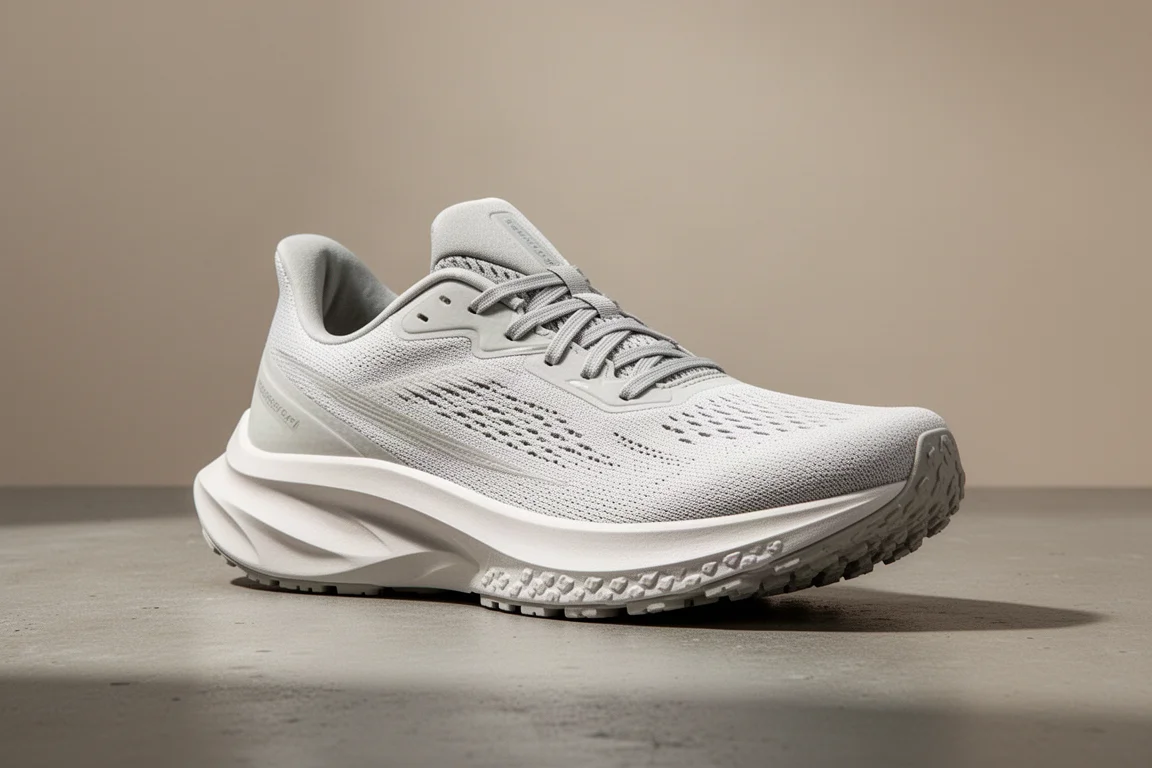
The Deviate Nitro Elite is the full-fledged carbon racer in the range, priced at 170 pounds. It has a far lower stack than most carbon super shoes, listed at 36 mm but feeling a lot lower on the run, and it uses Puma’s Nitro Elite foam, a nitrogen-infused PEBA rather than EVA. That makes it lighter and bouncier than the rest of the range, and it comes in at almost exactly 200 grams in a UK size nine.
The fit is closer and racier than the other shoes, with a slightly stiffer mesh upper, and no heel rub issues appeared over roughly 60 to 70 kilometers of testing in under a week. As a racer it has real all-out pace: it handled a 5K, kilometer reps, and a long session totaling around 27K, protecting the legs well throughout. It is probably best rated for 5K through half marathon, though lighter runners will enjoy taking it all the way to the marathon, as elite runners such as Molly Seidel have shown this year.
The outsole uses Puma Grip LT, a lighter version of Puma Grip, with amazing coverage for a 200-gram shoe, and it grips really well. The main problem is availability: it is basically impossible to get hold of. If you can find one, it is a really good racing shoe and strong value for a carbon super shoe, with a slightly more traditional feel than many rivals.
Building a Rotation From the Nitro Range
If you are buying just one shoe, the Liberate Nitro is very tempting if you stick to short distances and love a flexible, fast-feeling shoe with plenty of ground contact. If you run longer than an hour regularly, it is probably not enough shoe. The Deviate Nitro would be the top one-shoe pick for anyone with no heel issues, but given the heel rub experiences this year, the Velocity Nitro is the safer choice: a comfortable, versatile shoe that handles speed work while ticking off your base miles really well.
For a two-shoe rotation, the natural pairing is the Velocity Nitro for the bulk of training with the Deviate Nitro Elite for racing, though the Elite is very hard to find. More achievable alternatives: the Velocity and Liberate make a great value combination, with the Liberate handling short speedy work and the Velocity covering training. You could also swap the Velocity for the Magnify if you prefer a cushier easy-day ride, and any of the Liberate, Magnify or Velocity pairs well with the Deviate Nitro as the speedy option, again assuming no heel rub.

In a three-shoe rotation, the Magnify becomes much more viable as a dedicated easy-day pick, since it is the least versatile shoe in the range. A sensible three-shoe setup is the Velocity for easy miles, the Deviate Nitro for speed work with the amount of time in it balanced to avoid heel problems, and the Deviate Nitro Elite for race day if you can get hold of it.
Conclusion
Puma’s Nitro range covers a lot of ground. The Liberate is a fun, flexible budget shoe for shorter runs, the Velocity is a versatile and comfortable all-rounder that many runners could happily own alone, the Magnify adds plush cushioning for easy days, and the Deviate and Deviate Nitro Elite bring carbon-plate speed to training and racing respectively. With frequent sales across the range, there are few bad-value entry points here; just weigh the heel rub risk on the Deviate and the Elite’s availability before committing.
Further reading
Related Reviews

Running Shoes
Best Road-to-Trail Running Shoes: Three Versatile Options for Mixed Terrain
A practical guide to three road-to-trail running shoes that handle both pavement and mild trails, with clear strengths and trade-offs for different runner types.

Running Shoes
Best Running Shoes for Achilles Tendonitis: Three Options Explained
Three running shoes with different heel drops and support features designed to help reduce Achilles tendon pain during walking and running.

Running Shoes
Best Running Shoes for Women: Five Top Choices Ranked
A ranked guide to five women's running shoes, from versatile daily trainers to high-performance racing options, with real strengths and trade-offs for each.