Running Shoes
Puma Nitro Lineup Explained: Four Shoes for Four Kinds of Running
ForeverRun Nitro, Fast-R Nitro, Deviate Nitro Elite 2 and Ultra Ride compared, with guidance on which Puma Nitro shoe fits your running.
Introduction
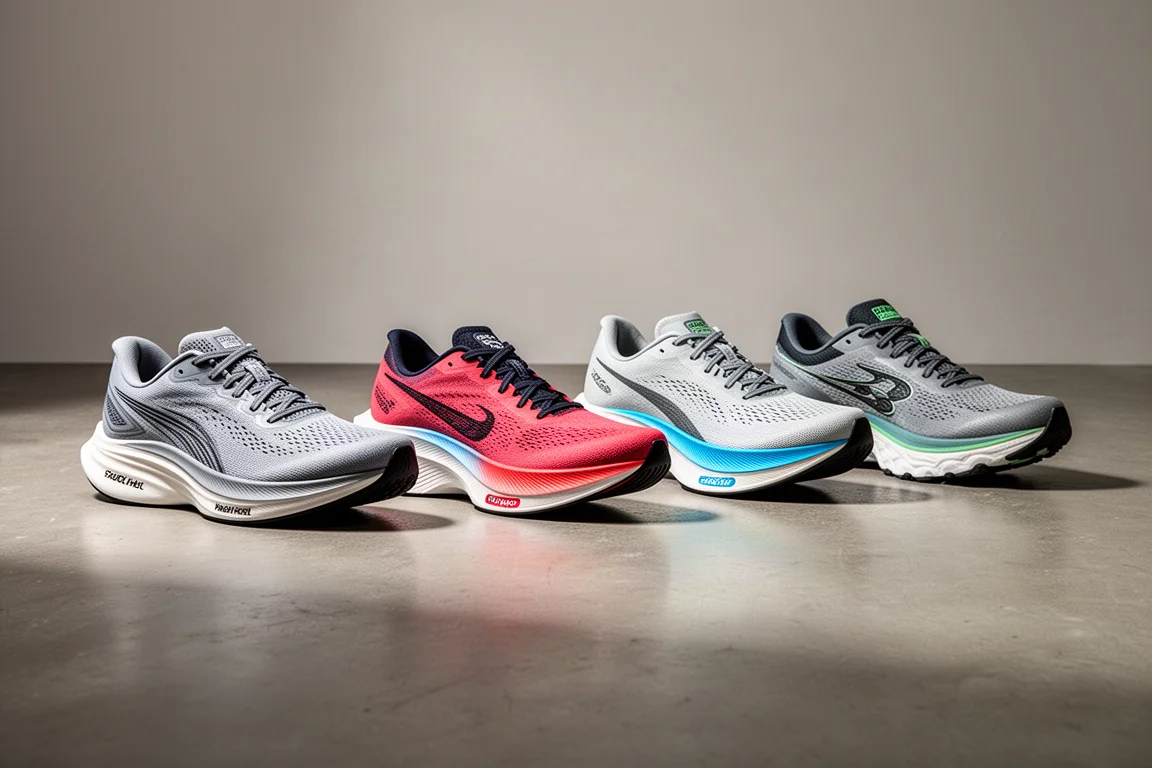
Puma’s Nitro family can be confusing on the shelf. Almost every shoe in the range says Nitro on the side, yet they feel noticeably different from one another on foot. That is because Nitro is not one single foam formula; it is a supercritical foaming process applied to different raw materials and tuned differently for each shoe’s job. This guide breaks down four shoes that cover the widest spread of use cases in the current lineup, so you can match the right Nitro to the right kind of running.
What Nitro Foam Is
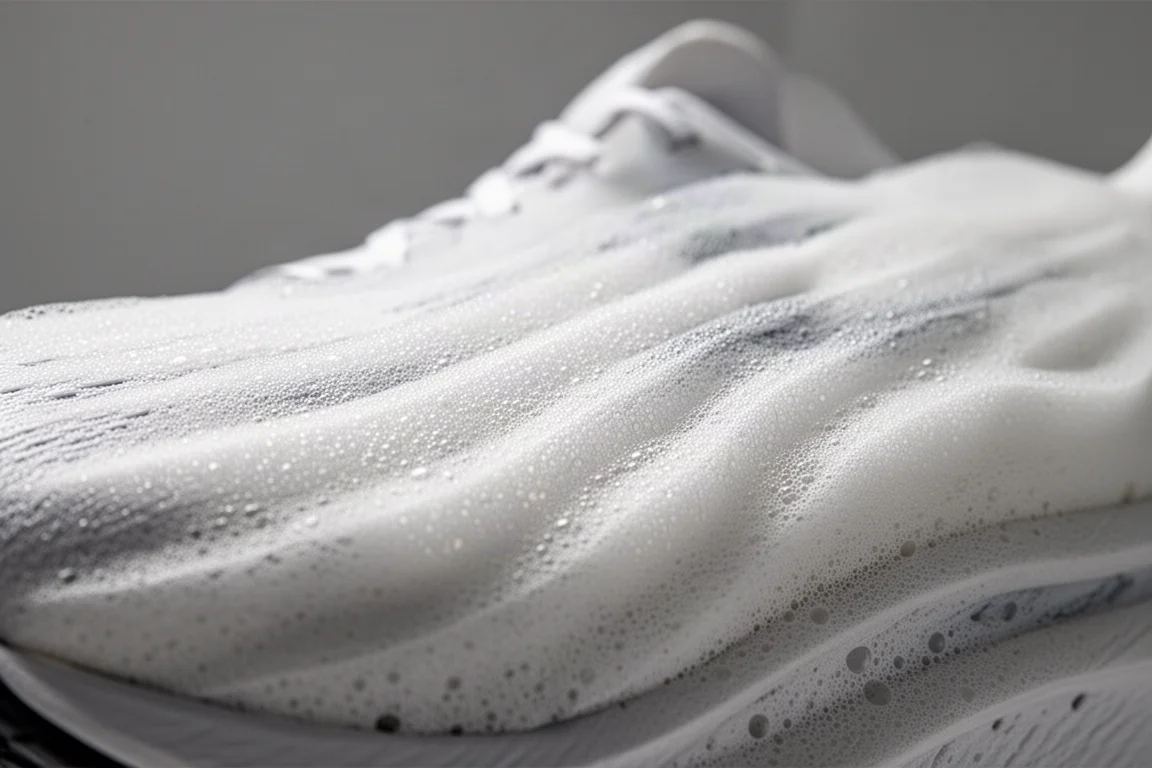
Nitro starts with a raw plastic pellet that is placed in a supercritical chamber with nitrogen gas under extreme heat and pressure. The gas becomes a supercritical fluid and expands the material into popcorn-like foam beads, which are then compression-molded into the final midsole. The result is a foam that is remarkably lightweight while still delivering the rebound and bounce runners want.
The lineup splits into two broad families. Core Nitro shoes use a thermoplastic (TPE) based foam, while race day shoes use PEBA-based Nitro, which offers higher energy return and lower weight. Different foam metrics are dialed up or down depending on the experience each shoe is meant to deliver, and that is exactly why two Nitro shoes can feel so different out of the box.
Puma ForeverRun Nitro
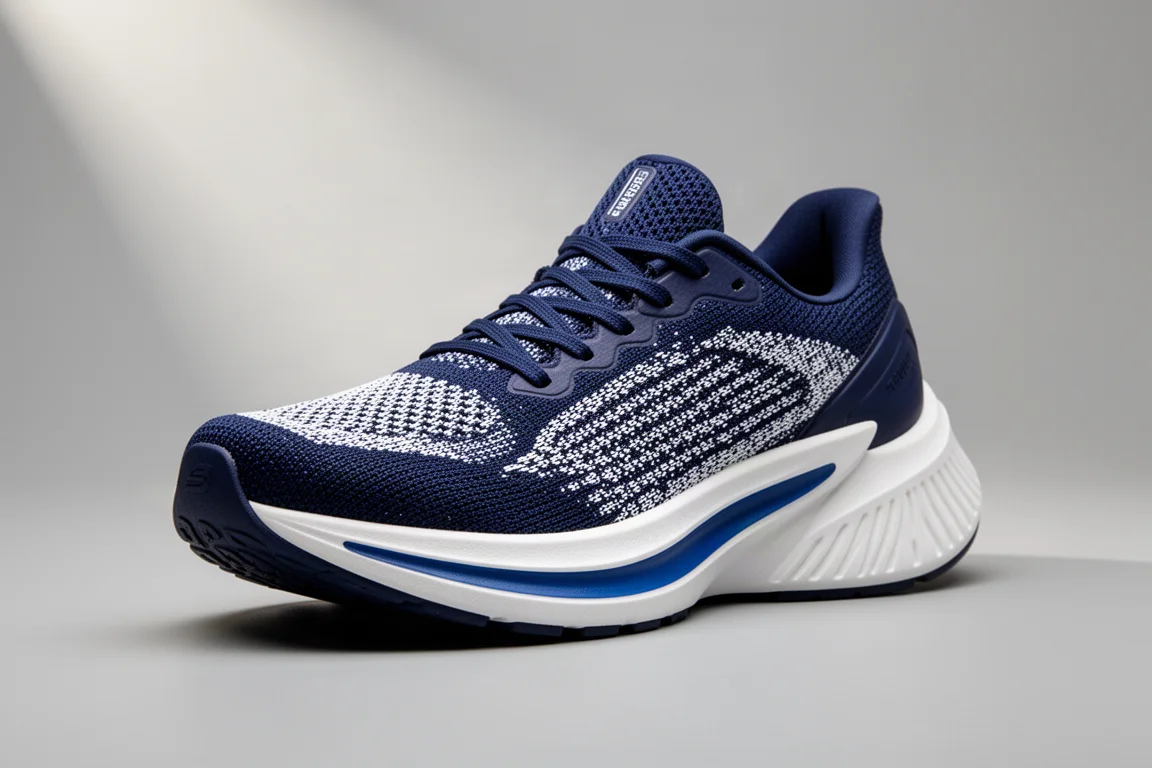
The ForeverRun Nitro uses a dual-density midsole: a firmer 47C foam rim surrounding a softer 43C core. Sink into the middle and you get plush cushioning, while the firmer rim wraps up as part of Puma’s Run Guide system to add support. The wider heel and wider forefoot geometry, a firmer heel counter and cup, and a slightly raised medial edge of the molded rubber all work together as subtle stability elements rather than one big corrective block.
That approach matters because the old-style stability shoe, with a rigid medial post under the arch, did not suit everyone. The ForeverRun is best described as a stability shoe that also works for neutral runners: if you need a hint of guidance, it is there, and if you do not, it never feels overtly rigid. It also happens to be a genuinely pleasant shoe for everyday wear and easy miles.
Puma Fast-R Nitro
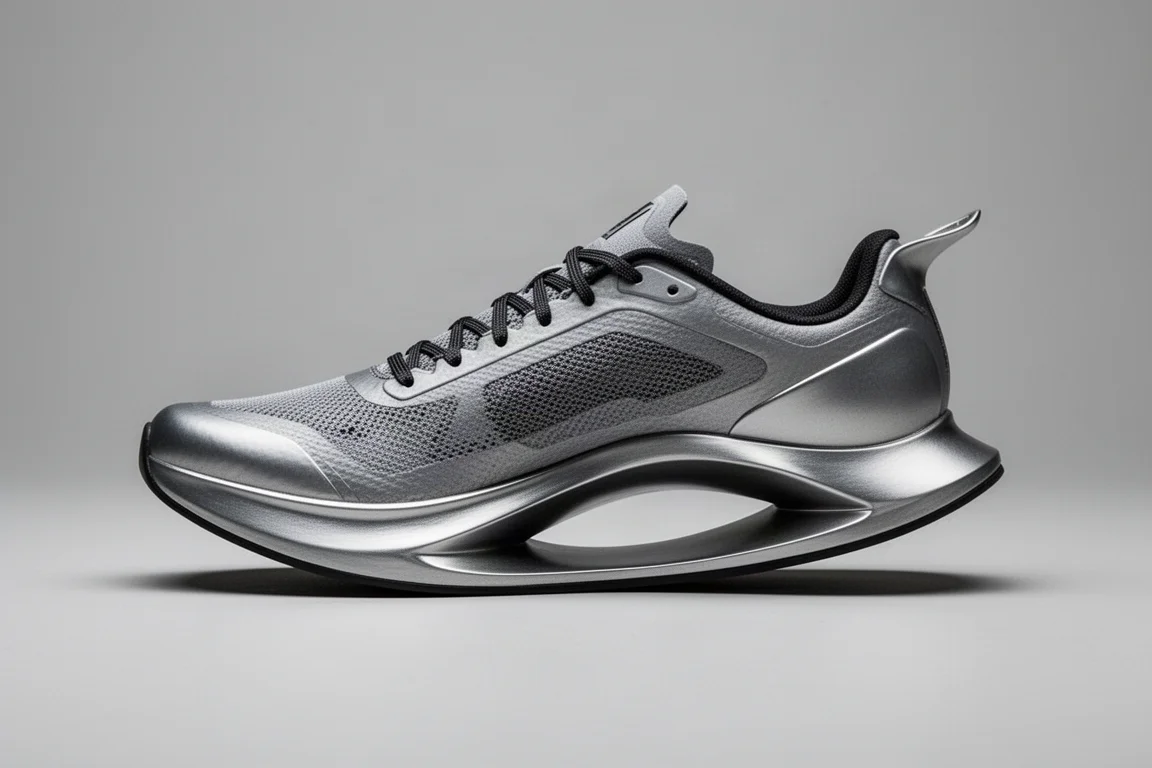
The Fast-R Nitro is built for aggressive running, particularly for midfoot and forefoot strikers. It uses what is arguably the most aggressive rocker plate shape in the category, with the plate positioned close to the ground for maximum propulsion while the heel is elevated to keep midfoot landings rolling quickly forward. The heel uses a firmer, more resilient PEBA-based foam piece so that when you rock back, you are ready to push off immediately instead of sinking in.
Micro slits on the lateral side of the midsole decouple slightly on heel strikes, softening landings for runners who occasionally catch their heel. The external heel counter fin is another speed-first choice: mounted outside the shoe, it adds structure and keeps the upper hugging the ankle bone without the bulk of an internal counter. This is not a quiet jog-around-the-park shoe; it is one that wants you to turn the pace up.

Puma Deviate Nitro Elite 2
If the Fast-R is the aggressive specialist, the Deviate Nitro Elite 2 is the versatile one. It was developed around finding the best possible foam and bringing it to life in a shoe, and it is built for lightweight propulsion rather than raw power. The plate is present but not intrusive, and the foam stays compressive and responsive across a wide range of paces, which makes it genuinely suitable for almost anyone toeing a start line.
One clear recommendation emerged from the development side: runners targeting roughly a four-hour marathon, or slower, will likely get more benefit from this lighter shoe, while the Fast-R rewards faster runners most. The Deviate Nitro Elite 2 has also proven itself at extreme distances, with team members racing it in 1500-mile road events and preparing for the 90K Comrades ultramarathon in it. For most runners choosing one race shoe, this is the safest pick in the lineup.

Puma Ultra Ride
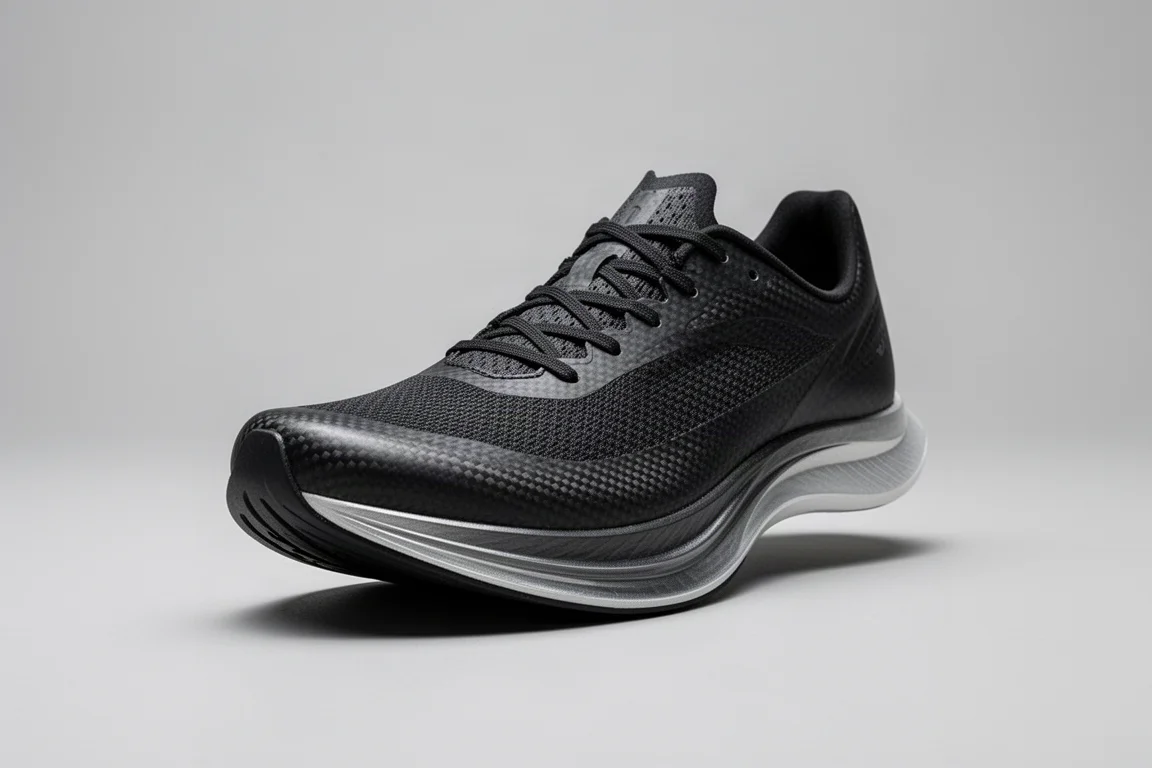
The Ultra Ride sits slightly apart from the rest. Launched just before the main Nitro collection arrived, it used a decoupled heel design aimed at mid-to-forefoot running and was praised for how well it worked at tempo-style efforts. At its original pricing it was one of the more affordable performance options around, which made it easy to overlook despite strong on-foot feel.
Its value today is largely as context: it was the last major running shoe before Puma committed to supercritical foaming across the range, and it marks the point where the brand’s running approach became consistent under one Puma and Nitro. If you find it discounted, it still makes a likeable tempo and shorter run option, but the newer Nitro shoes above it in the range represent a clear step forward.

Which One Should You Buy?
Start with your running, not with the foam badge. If you want one daily shoe that adds subtle support without forcing stability on neutral feet, the ForeverRun Nitro is the easiest recommendation. If you are a faster runner, particularly a midfoot or forefoot striker chasing propulsion on race day, the Fast-R Nitro rewards that aggression. If you want one versatile super shoe that works across paces and distances, the Deviate Nitro Elite 2 is the pick, and it especially suits runners at around four-hour marathon pace or slower. The Ultra Ride only makes sense as a bargain-hunting tempo option if you can find it at a reduced price.
Conclusion
Puma’s Nitro lineup now covers the full spectrum, from cushioned daily training with gentle guidance to aggressive race day propulsion, and the shared supercritical foaming process ties it together. Match the shoe to your stride and pace rather than to the logo on the midsole, and any of the four above can earn its place in the rotation.
Further reading
Related Reviews

Running Shoes
Best Road-to-Trail Running Shoes: Three Versatile Options for Mixed Terrain
A practical guide to three road-to-trail running shoes that handle both pavement and mild trails, with clear strengths and trade-offs for different runner types.

Running Shoes
Best Running Shoes for Achilles Tendonitis: Three Options Explained
Three running shoes with different heel drops and support features designed to help reduce Achilles tendon pain during walking and running.

Running Shoes
Best Running Shoes for Women: Five Top Choices Ranked
A ranked guide to five women's running shoes, from versatile daily trainers to high-performance racing options, with real strengths and trade-offs for each.