Running Shoes
Puma Magnify Nitro 3 After 100 Miles, Plus Two Premium Max Cushion Alternatives
A long-term look at the Puma Magnify Nitro 3, with the Nike Vomero Plus and Brooks Glycerin Max as premium alternatives for comfort-first runners.
Introduction
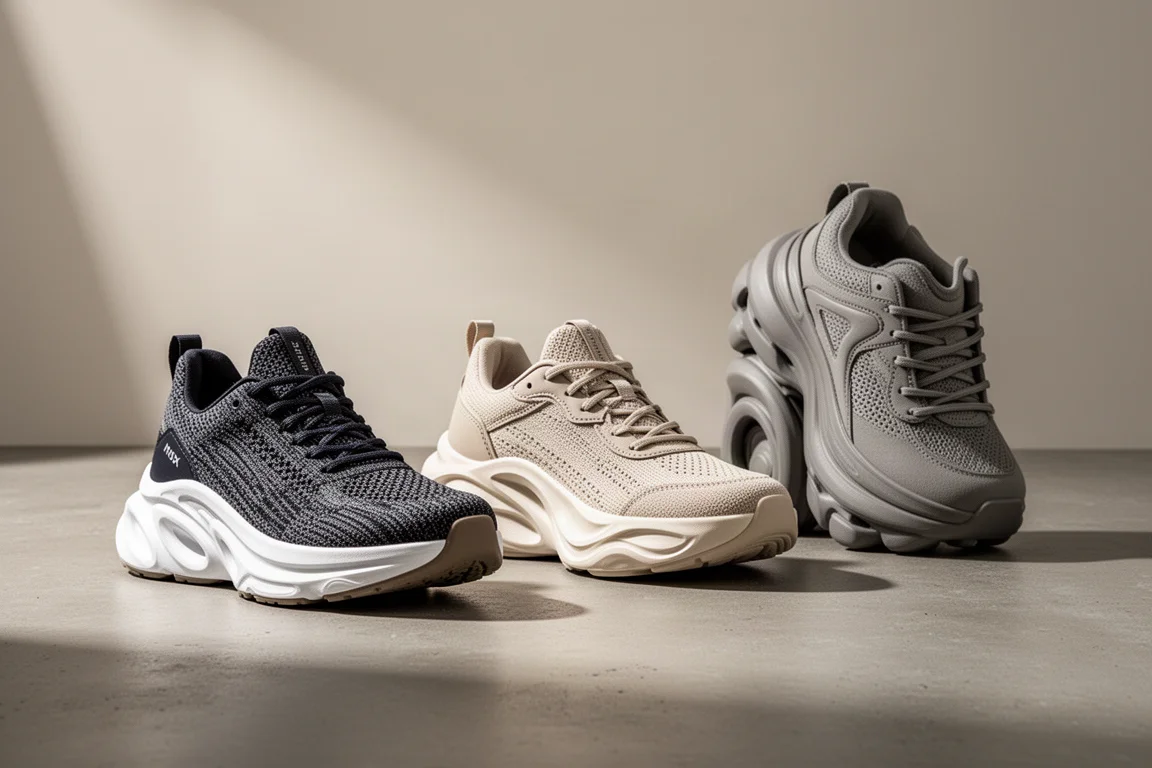
Max cushion shoes have a simple job: keep your feet comfortable when the miles start adding up. The Puma Magnify Nitro 3 is a strong example of how good this category has become. After 100 miles of mostly easy and recovery running, it has held up as one of the most consistently pleasant daily options in the max cushion space, thanks to a thick layer of soft but not mushy PEBA foam.
How It Fits Into Training
This is a tall stack height shoe, and it works best exactly where max cushion shoes are meant to: recovery runs, longer easy efforts, and daily training when your feet are feeling beat up. During a heavy marathon training block, that kind of shoe becomes genuinely useful. It is a shoe you look forward to putting on because you know it will be comfortable.
The way Puma has tuned the PEBA foam is the highlight. PEBA is typically thought of as a race-caliber material, but here it is tuned for cushioning and softness without turning into mush. The trade-off is predictable: a bigger, comfort-focused shoe is not going to feel speedy or agile. This is not the shoe for workouts or faster sessions, and it does not pretend to be. It is excellent at the things a max cushion shoe should be good at.

Durability After 100 Miles
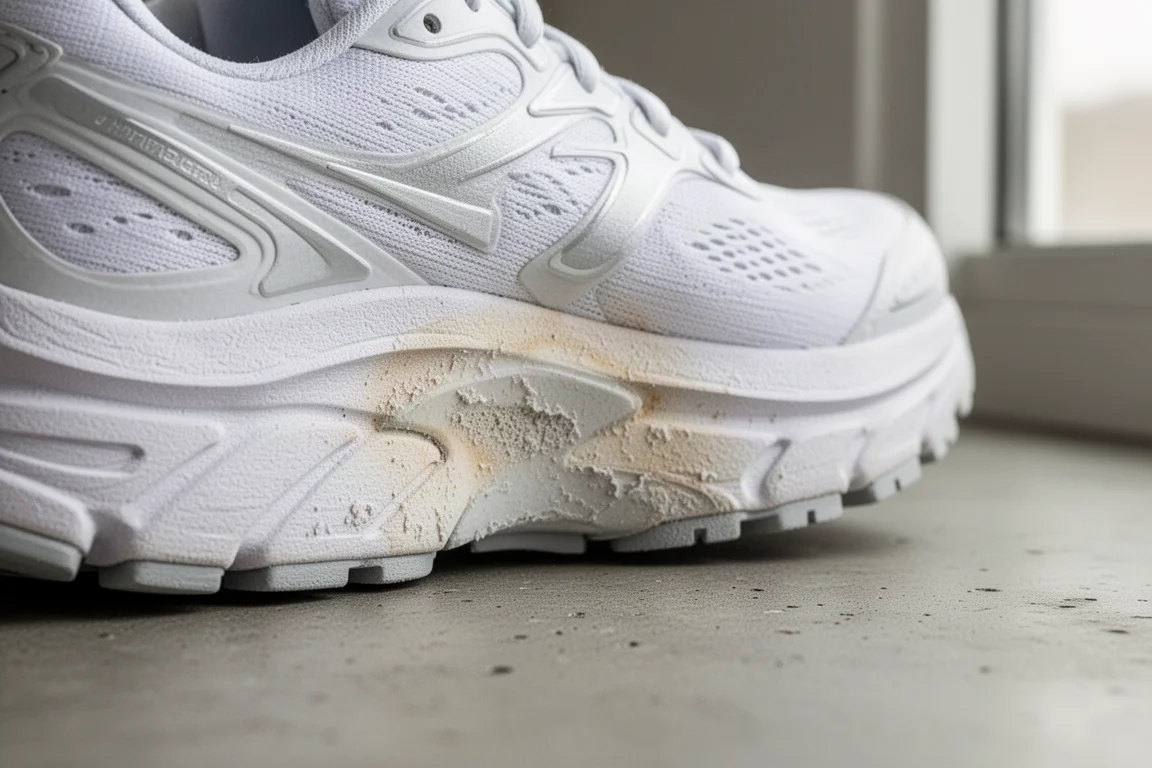
After 100 miles, the shoe is holding up well. The upper has contoured slightly to the shape of the foot, which makes it feel even more comfortable, and there are no signs of early wear, fraying, or breakdown.
The outsole shows more visible wear, particularly in the center of the shoe, which reflects relaxed midfoot landings at easy paces. The exposed foam shows some discoloration but no scratches, tears, or missing chunks, which is reassuring given that PEBA is not always a material you would want to run on directly. The rubber wear looks roughly average for 100 miles of mostly summer running, and it has not affected grip, traction, or the protection the rubber provides the foam underneath.
The main drawback sits with the upper. It runs hot, especially in summer, thanks to the thicker padding and more structured materials that max cushion shoes use to keep your foot stable on top of all that foam. It also holds on to sweat and moisture longer than most shoes, so at 100 miles it is a bit less fresh than the average pair.
Ride Feel and Long-Term Impression
Early on, the exciting PEBA foam suggests the shoe might be able to handle occasional pickups in pace. With more miles, that impression fades, and the shoe settles into its real role: a reliable, cozy companion for runs where comfort comes first. There is still plenty of life left in the foam. The formulation balances softness, a good amount of responsiveness, and long-term durability, so this is not a case of an early-generation PEBA shoe wearing out quickly. Puma generally emphasizes long-term durability in its daily training products, and this shoe is no exception.
At $160, it was a good value on release, and even at full retail in the United States it remains an extremely competitive price for a max cushion shoe. That said, it is worth seeing how it stacks up against more expensive alternatives.
Nike Vomero Plus: The Premium PEBA Rival
The Nike Vomero Plus sits one price tier up at $180 and takes a similar approach: all-PEBA construction, no plate, and a max cushion mission. Both shoes are very comfortable and enjoyable, and they can be used in very similar ways.
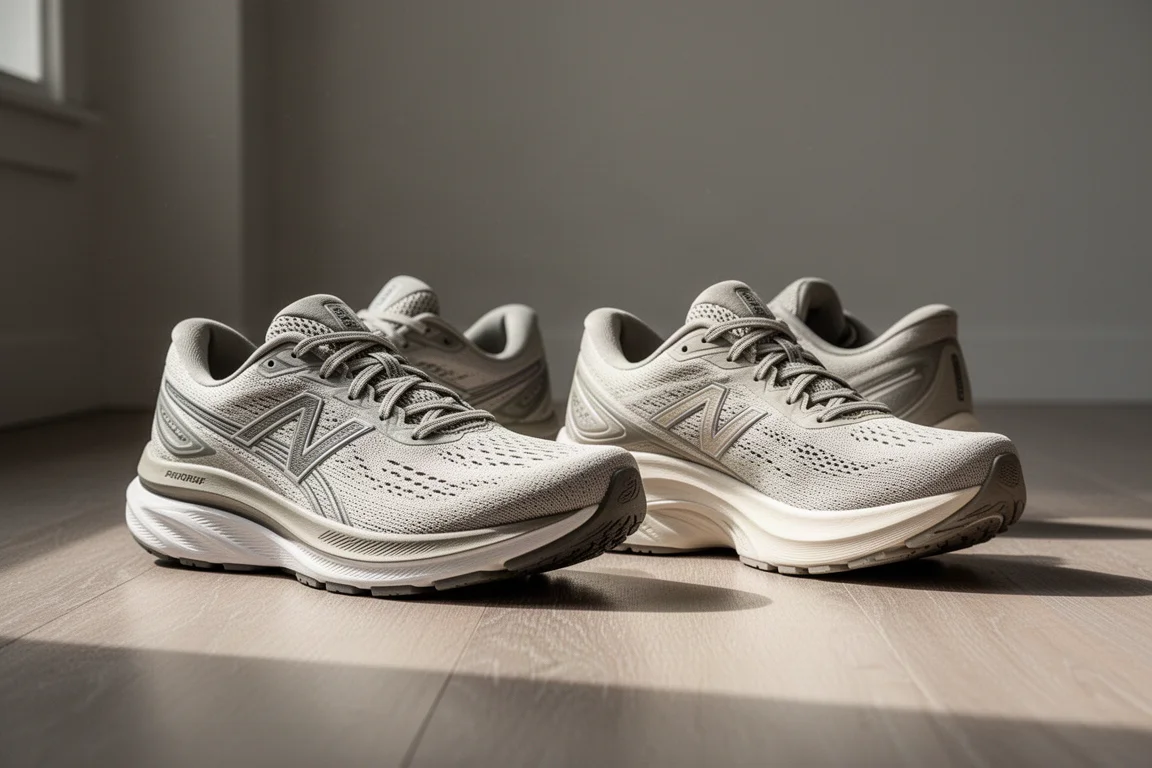
The differences come down to fit and geometry. The Vomero Plus has a much more noticeable drop, with that signature Nike sensation of tipping you forward, while the Magnify Nitro 3 feels more balanced. The Nike fit is also tighter and less plush than the Puma, which some runners will prefer and others will not.
Brooks Glycerin Max: Max Cushion Pushed Further
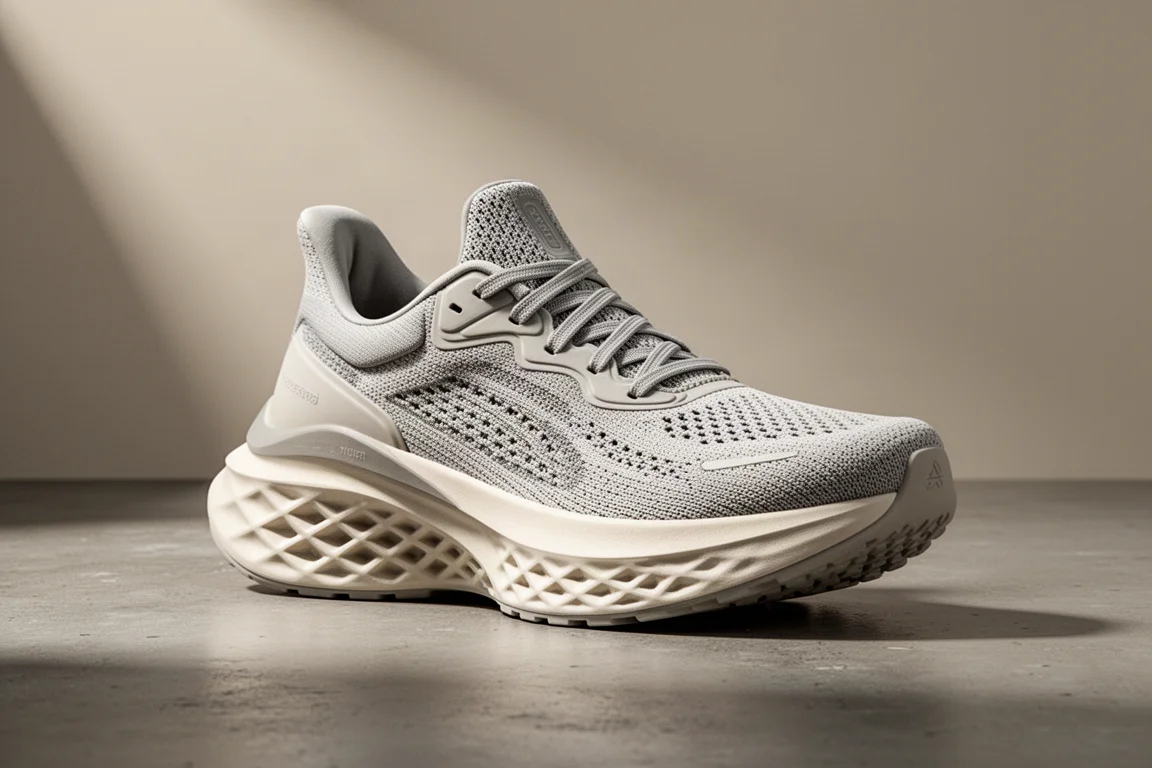
The Brooks Glycerin Max goes a tier higher still at $200, and it is arguably a max version of max cushion shoes. There is a lot of everything: a lot of stack height, a lot of squishy comfortable foam, and a lot of padding throughout the upper. Like the Magnify Nitro 3, its thick upper materials hold on to moisture when wet, which is simply part of the deal in this category.
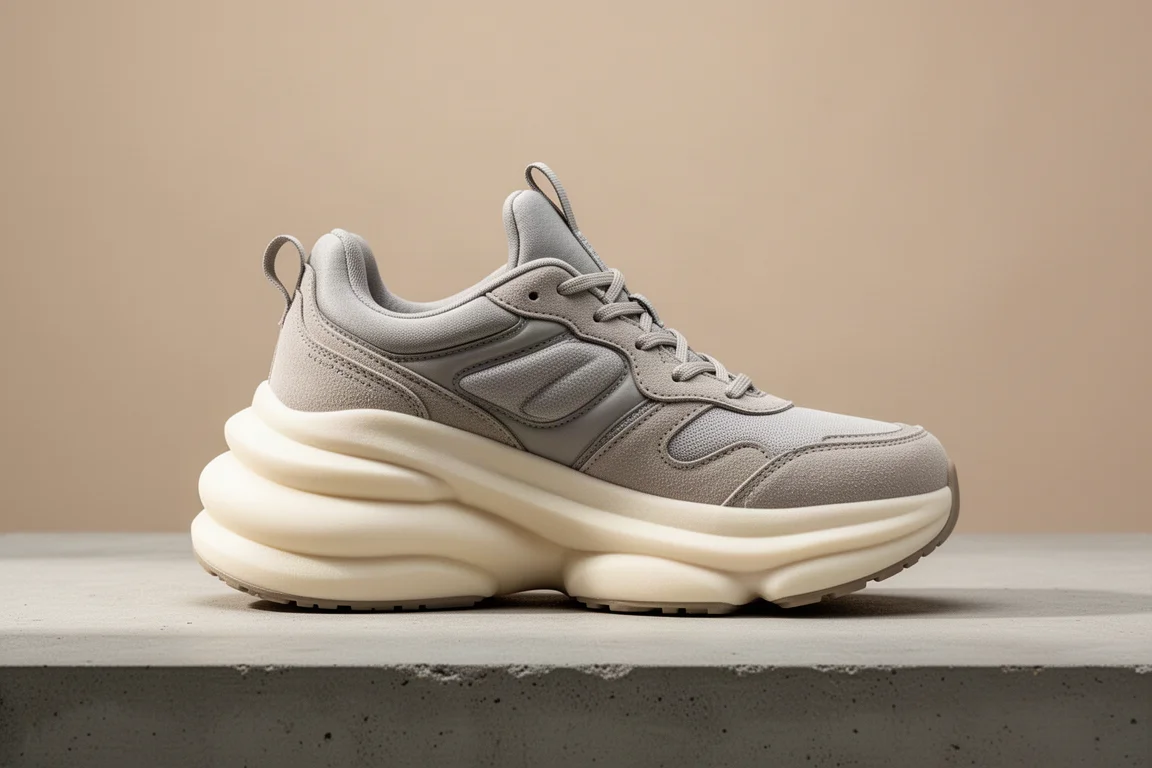
If the Magnify Nitro 3 does not feel like quite enough cushion for you, the Glycerin Max is the step up. It is a bit mushier and less peppy, but if peppy is not what you are shopping for, that will not matter. You are paying $40 more than the Puma purely for that maximum level of comfort.
Overall Buying Advice
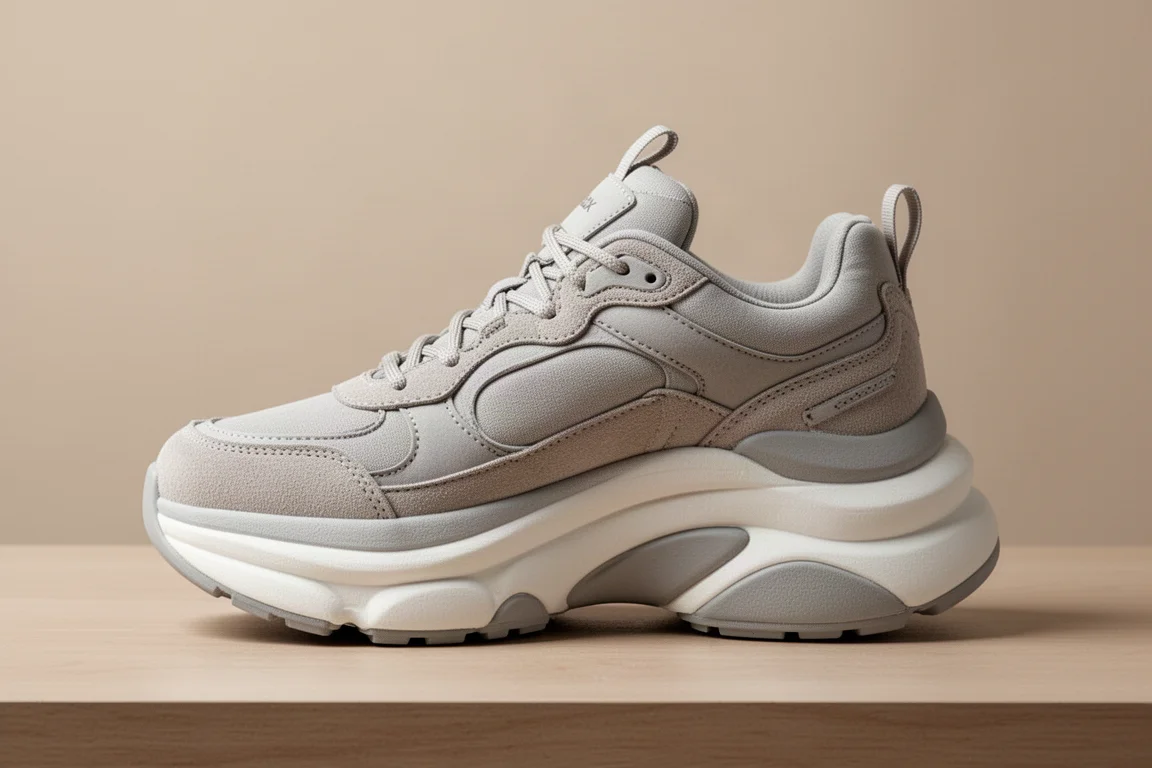
If your priority is a comfortable max cushion shoe for easy days and recovery runs, the Puma Magnify Nitro 3 is the value pick of the three, with durable construction and a balanced, less aggressive drop. Choose the Vomero Plus if you like a higher, more forward-tipping ride and a snugger Nike fit and do not mind paying $20 more. Choose the Glycerin Max if you want the absolute deepest cushioning available and are happy to trade some pep and $40 more for it.
Conclusion
After 100 miles, the Puma Magnify Nitro 3 has proven itself as a comfortable, durable max cushion daily trainer with a foam that stays soft and lively for the long haul. Its hot upper and average grip wear are worth knowing about, but they do not undercut what makes it special. Against the Vomero Plus and the Glycerin Max, it stands out as the most balanced option at the friendliest price, and it earns its place as one of the more memorable max cushion shoes in recent memory.
Further reading
Related Reviews

Running Shoes
Best Road-to-Trail Running Shoes: Three Versatile Options for Mixed Terrain
A practical guide to three road-to-trail running shoes that handle both pavement and mild trails, with clear strengths and trade-offs for different runner types.

Running Shoes
Best Running Shoes for Achilles Tendonitis: Three Options Explained
Three running shoes with different heel drops and support features designed to help reduce Achilles tendon pain during walking and running.

Running Shoes
Best Running Shoes for Women: Five Top Choices Ranked
A ranked guide to five women's running shoes, from versatile daily trainers to high-performance racing options, with real strengths and trade-offs for each.