Running Shoes
Puma Magnamax After 100 Miles: Long-Term Review and the Alternatives That Matter
Eight months and 100 miles in, the Puma Magnamax still feels fresh. Here's how it holds up, where it shows wear, and how it stacks up against the ASICS Superblast 2 and Nike Invincible 3.
Introduction
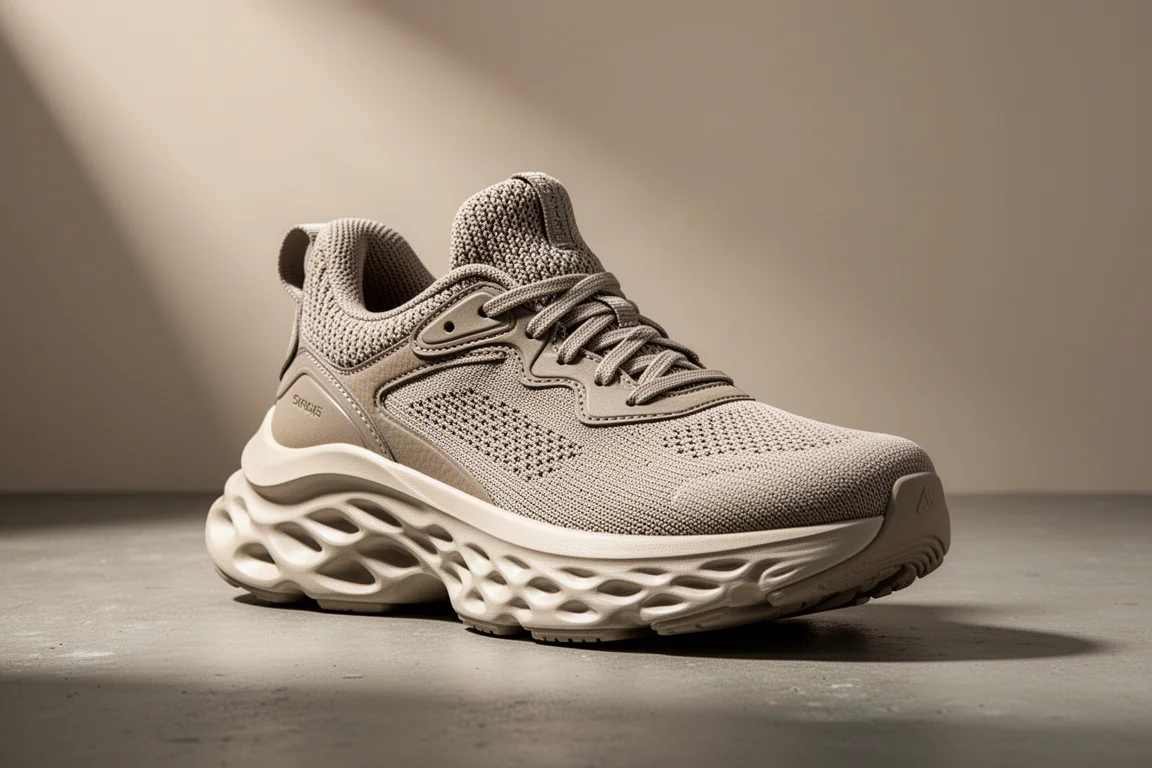
Some shoes win you over on the first run and then quietly lose their charm as the miles pile up. The Puma Magnamax was the opposite kind of surprise: big and cushy, yet nimble enough to feel fun from day one. After eight months and 100 miles of testing, the question is simple: did the honeymoon last?
The short answer is mostly yes, with a couple of caveats worth knowing before you spend your money.
How the Magnamax Fits Into a Rotation
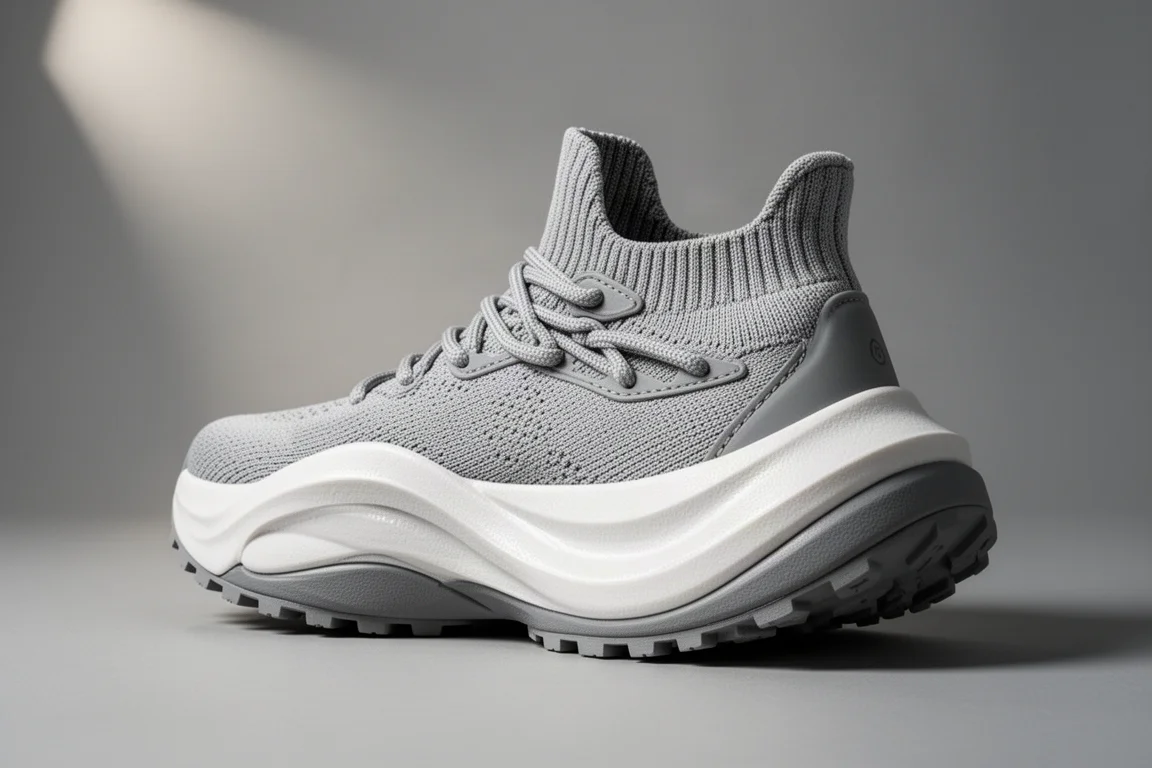
The Magnamax is built on Puma’s Nitro foam, which gives it a peppy, responsive character that you don’t usually associate with a max cushion shoe. It’s a tall shoe, with 46 mm of stack height in the heel, and a big one, coming in at a stated weight of 290 g, just over 10 oz.
Big shoes usually fall into one of two camps: pure max cushion cruisers that are low and slow, or long run shoes that stay comfy but keep some pace on tap. The Magnamax can do a bit of both. Whether Puma tinkered with the Nitro formulation or simply stacked enough of it, the foam here feels more cushioned and plush than Nitro foam typically does, without losing its snap.
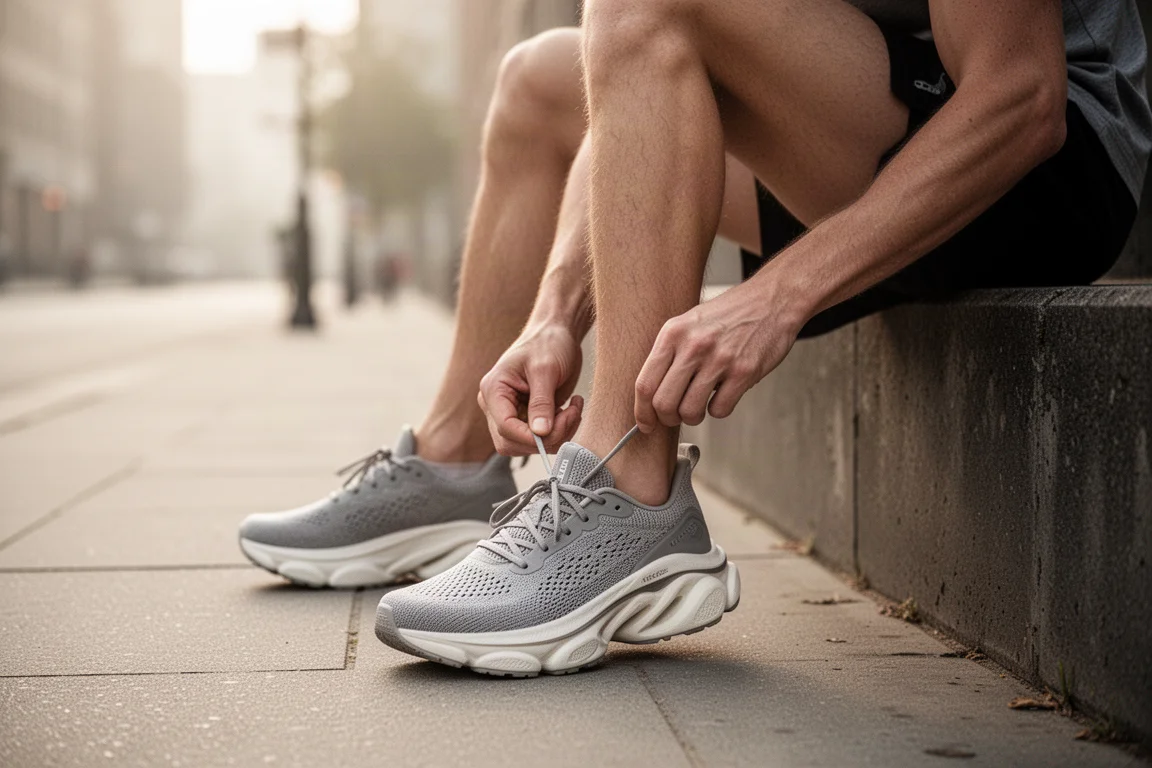
In practice, that makes it comfortable for long stretches on your feet. The longest run logged in the shoe was 16 miles, and the average sits around 7 miles, so well over an hour of running at a time. The fit is roomy and the thick knit tongue adds comfort, though a thinner tongue would have been welcome. Where the Magnamax really shines is on the days after a hard workout, when your body is beat up and begging for cushion.
Durability and Wear After 100 Miles
The good news first: at 100 miles, the foam still feels fresh, almost like it’s straight out of the box. Big cushioned shoes often shed their speed as they age, but the Magnamax remains peppy, which is consistent with how Nitro foam has held up over time in other Puma shoes. Puma rates the shoe for 500 miles of use, and the foam at least looks capable of going the distance.
The upper is also holding up well, still comfortable and roomy even after hard days. However, there are two wear areas that raise a flag. The heel cup is showing early wear near both Achilles areas, something rarely seen this early in a test pair. The outsole is the other concern. Puma Grip has a strong reputation for both grip and durability, and while the grip is still there, the wear at the forefoot pads and outer heel edges is heavier than expected at this mileage. Some exposed foam is scuffing as the midsole cavity compresses underfoot and scrapes the pavement.
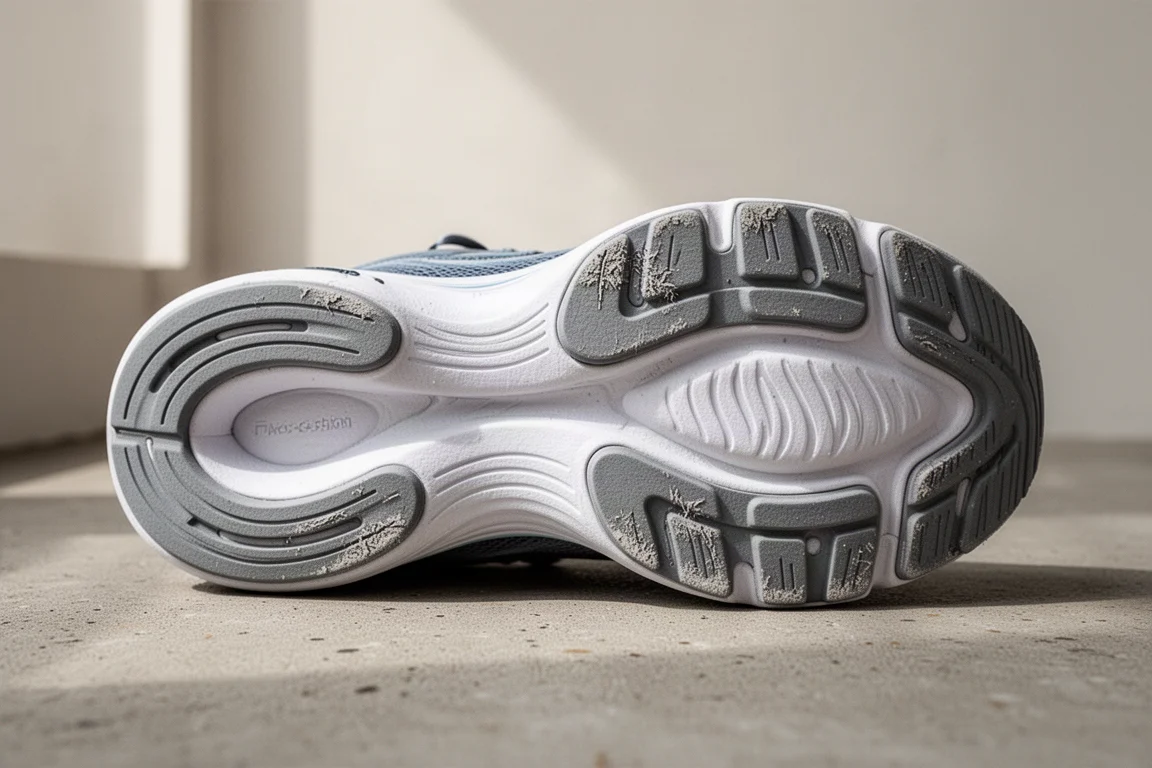
None of this means the shoe is falling apart, but at a $180 price point, the early signs of upper and outsole wear give some pause. The foam will likely make it to 500 miles. The rest of the shoe is less certain.
Long Run Alternative: ASICS Superblast 2
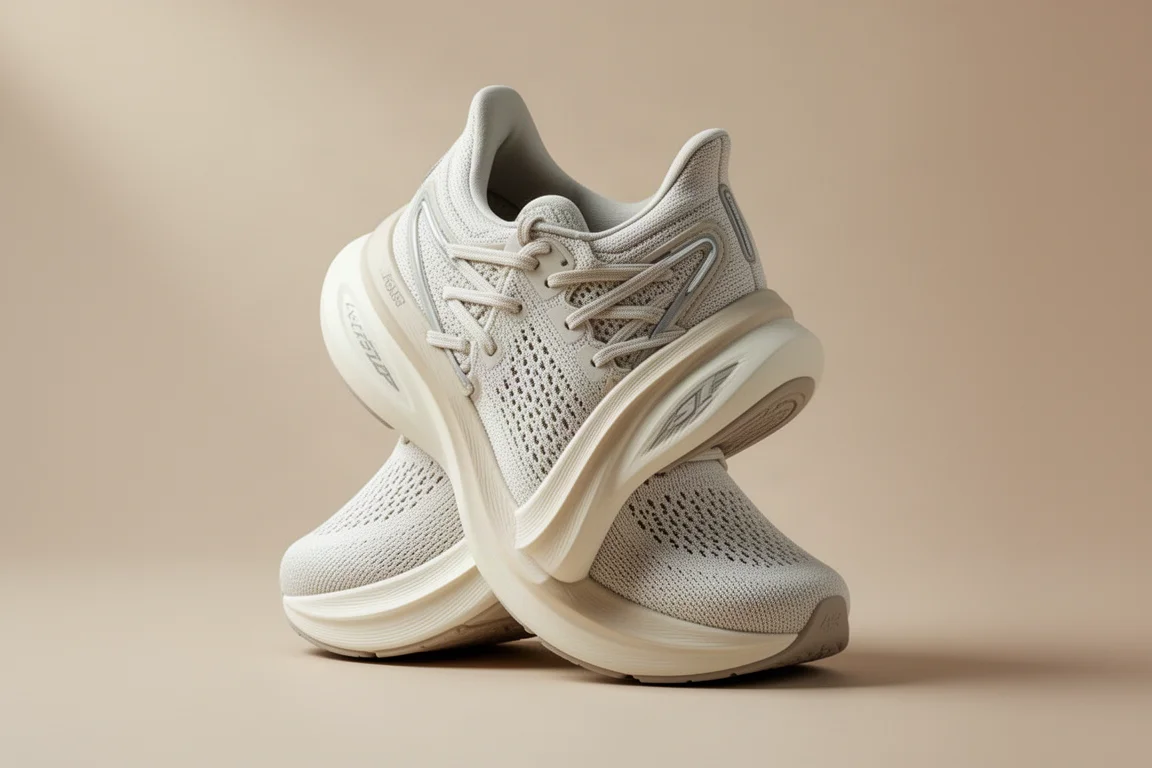
If you’re shopping for a long run shoe specifically, the ASICS Superblast 2 is the first name that comes up. The two shoes share similar stack heights and similar ambitions, but ASICS approaches the recipe differently, using a race-caliber foam for the bulk of the midsole with a layer of daily training foam underneath to add stability and tune the ride for slower paces.

Both shoes fit well and handle everything from easy running to faster work, but the Superblast 2 edges ahead as a pure long run shoe thanks to a bit more pep, and it’s holding up slightly better at the 100-mile mark. The catch is price: $200, well above the Magnamax’s already steep $180. It has been a hard shoe to keep in stock, which suggests plenty of runners consider it worth it.
Long Run Alternative: Nike Invincible 3
The other long run shoe that consistently comes up is the Nike Invincible 3. It uses ZoomX foam throughout, Nike’s race-caliber foam, though likely tweaked to shape the experience Nike wants. Depending on your foot strike, it can handle some max cushion duties, but where it truly sings is at paces from slightly faster than easy up to marathon pace. It’s a genuinely fun shoe, and it has durability built in for plenty of miles.
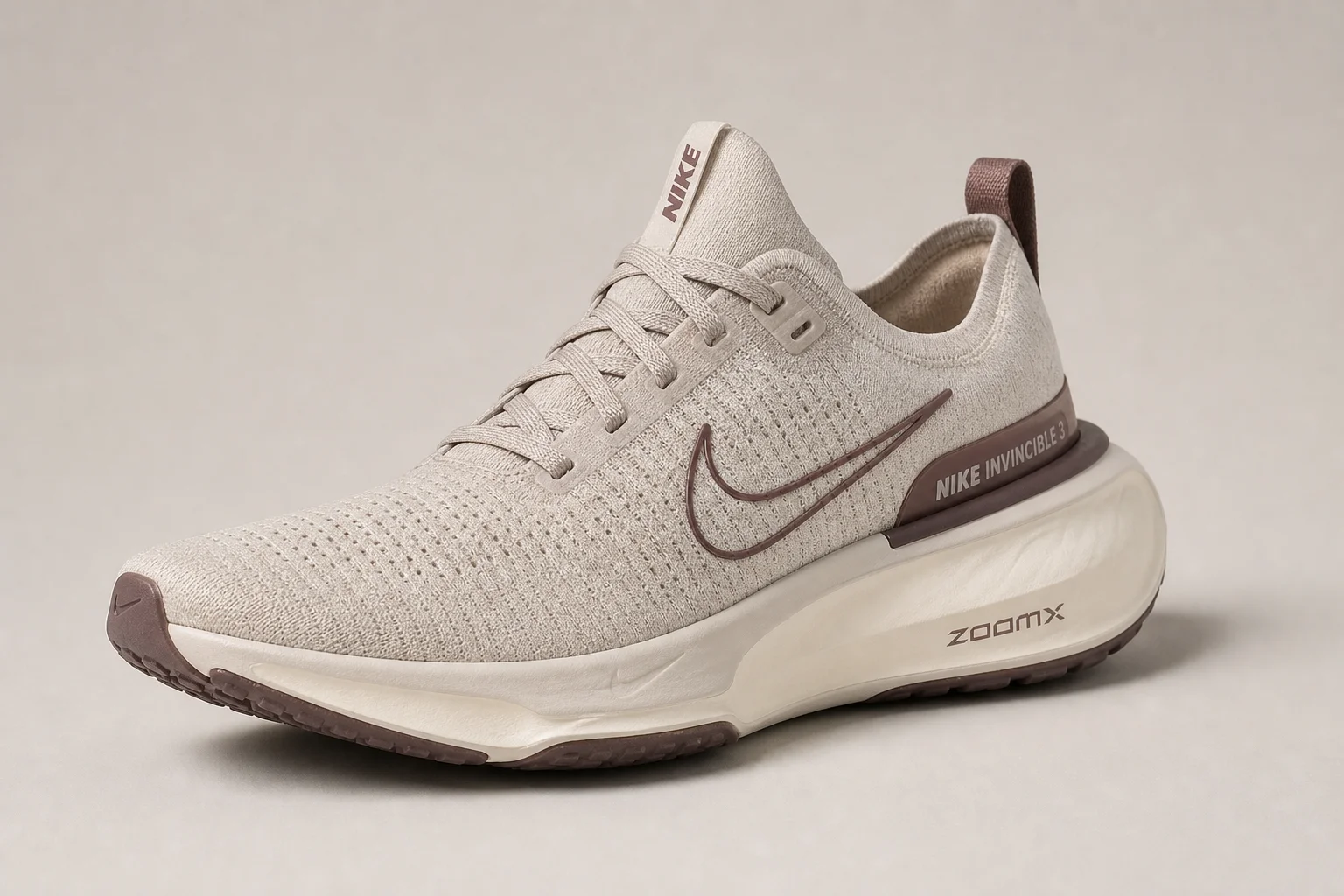
Compared to dedicated long run shoes, the Magnamax feels a little clunky and less peppy, but it handles pure max cushion work somewhat better. The Invincible 3 also carries a $180 price tag, which still feels high, but the shoe has been available for a long time, so patient shoppers may find it at a significant discount online.
Buying Advice: Which One Should You Pick
If you want one shoe that covers both max cushion recovery days and long runs, the Magnamax remains a legitimately good option, and the hype did not fade after 100 miles. Just go in aware of the early wear signals.
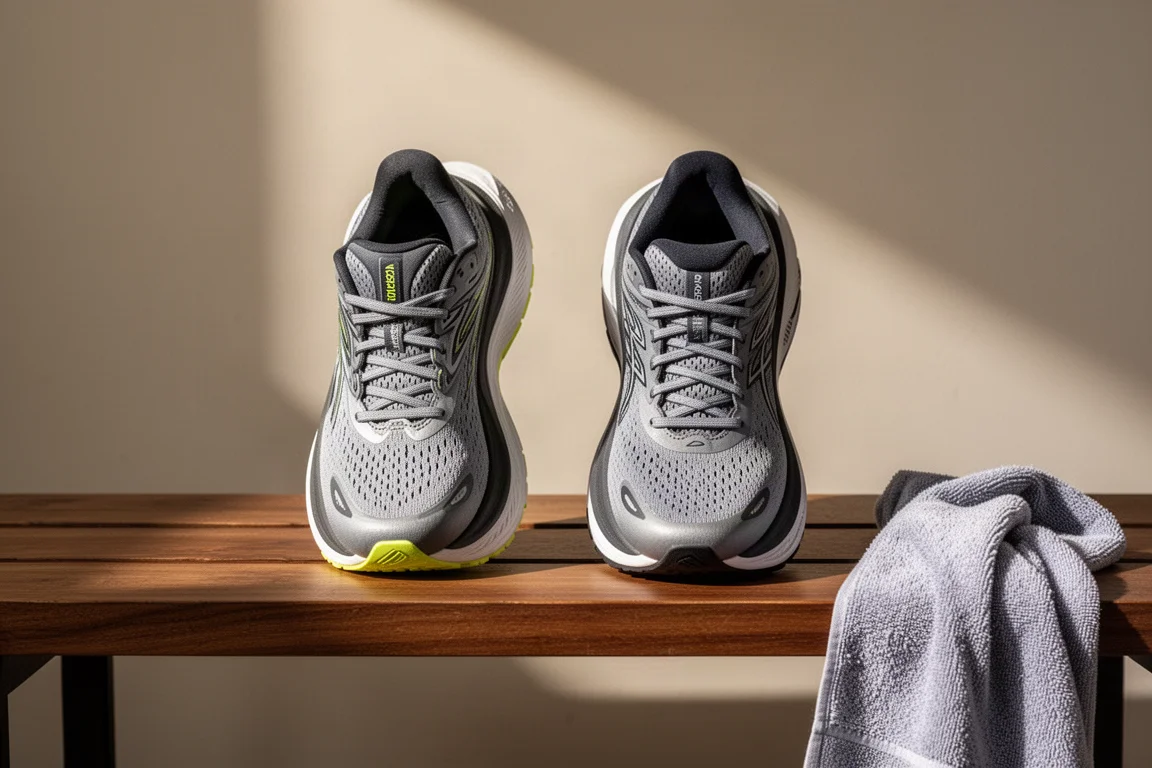
If long runs with extra pep are the priority and budget isn’t the deciding factor, the Superblast 2 is the stronger pick. If you want a durable ZoomX shoe that rewards faster paces, the Invincible 3 makes sense, especially if you can find it discounted. And if you prefer the Puma ecosystem but need a firmer daily trainer or a race day option, the Velocity Nitro 3, Deviate Nitro 3, and Deviate Nitro Elite 3 cover those slots in the lineup, with the ForeverRun 2 and Fast-R 3 as worthy substitutes.
Conclusion
The Puma Magnamax proved that a first impression can last. Eight months in, it is still cushioned, still peppy, and still comfortable for long hours on your feet. The early wear on the heel cup and outsole is the one blemish on an otherwise impressive report card, and it’s exactly the kind of thing a second version should fix. Until then, it earns its place in a rotation, as long as you choose it for what it does best: big comfort with a surprising amount of speed.
Further reading
Related Reviews

Running Shoes
Best Road-to-Trail Running Shoes: Three Versatile Options for Mixed Terrain
A practical guide to three road-to-trail running shoes that handle both pavement and mild trails, with clear strengths and trade-offs for different runner types.

Running Shoes
Best Running Shoes for Achilles Tendonitis: Three Options Explained
Three running shoes with different heel drops and support features designed to help reduce Achilles tendon pain during walking and running.

Running Shoes
Best Running Shoes for Women: Five Top Choices Ranked
A ranked guide to five women's running shoes, from versatile daily trainers to high-performance racing options, with real strengths and trade-offs for each.