Running Shoes
Puma MagMax Nitro Review: A Max Cushion Cruiser That Gets Softness Right
A tall 46mm stack of Nitro foam that stays plush without feeling mushy. Here's how the Puma MagMax performs for easy, recovery, and long slow distance runs.
Introduction
Puma’s MagMax arrives with a double-tall dose of Nitro foam and a name that promises exactly one thing: max cushion. For years, the max cushion genre has had a recurring problem. Shoes kept getting bigger and taller, but the cushioning did not always keep pace, leaving some big trainers feeling firmer than their stack heights suggested. The MagMax sets out to prove that you can get bigger, taller, and genuinely softer all at once.
This is a big, plush, easy-day shoe, and it does a remarkably good job of balancing softness with a daily-trainer feel. If you have been waiting for a max cushion shoe that is comfortable without being mushy, this one deserves a close look.
Specs on Paper
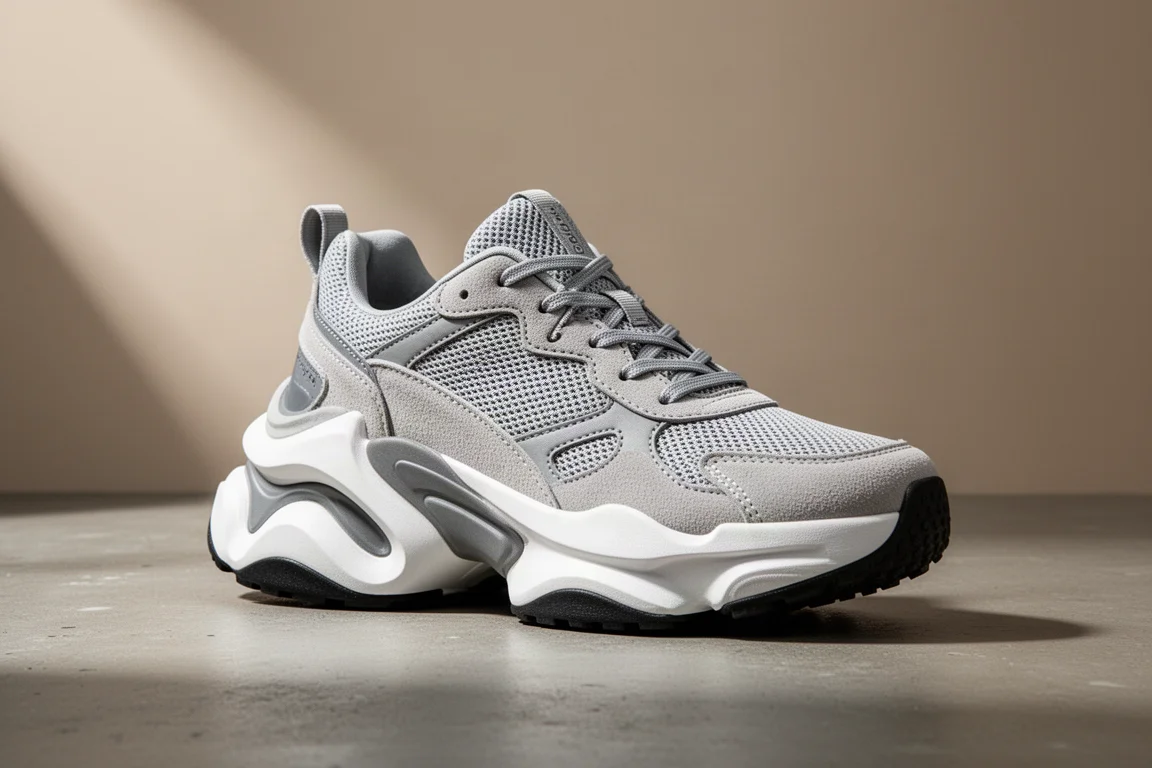
The MagMax is a very tall shoe. It starts at 46mm of stack height in the heel and drops to 38mm in the forefoot, giving an 8mm drop. The midsole uses Puma’s Nitro foam, a platform historically known for being lightweight, fast, and durable, though not always the softest. Puma has apparently tuned the formula here, because the result reads much softer than typical Nitro.
Protecting all that foam is Puma Grip, a thick rubber outsole layer. Puma is targeting 500 miles or more of durability, and the outsole rubber plus Nitro’s track record of durability suggest that target is realistic. The upper is an engineered mesh supported by power tape, with a comfortable knit tongue and relatively minimal padding for a shoe of this size. A touch of rigidity in the heel cup, foam that scoops up around the back of the heel and ankle, and a very wide footprint help keep the foot steady on landings.
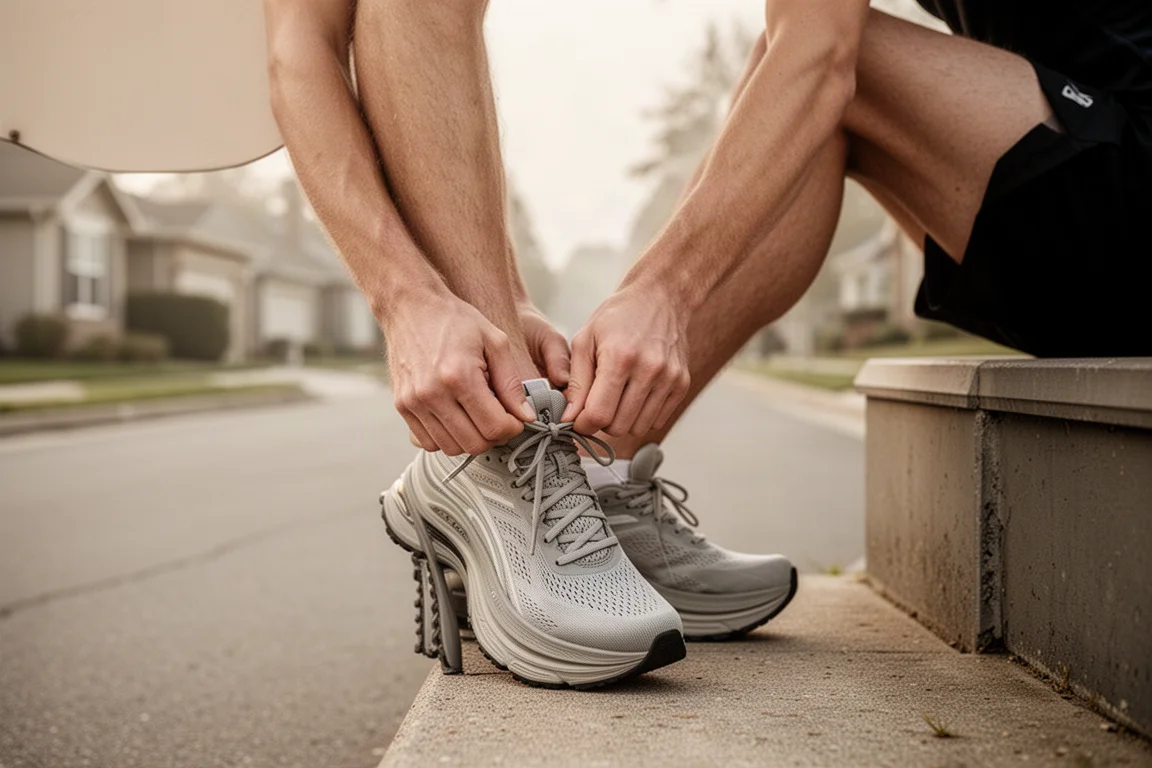
On fit, there is one practical note. A US men’s 9 is this tester’s usual size, but the half-size-up 9.5 felt comfortable enough that the difference was easy to forget during testing. If you are the type who sometimes sizes up in running shoes, size up on this one.
Weight comes in at a stated 290g for a US men’s 9. The 9.5 tested actually measured 302g (10.6 oz), so expect a little more in larger sizes.
What It’s Like to Run In
This is where the MagMax makes its case. It is a big, soft shoe that does not feel mushy underfoot, which is a rare combination in this category. Mushiness is usually the accepted trade-off in max cushion trainers, but the MagMax manages to keep a daily-trainer feel alongside the extra comfort and cushion.
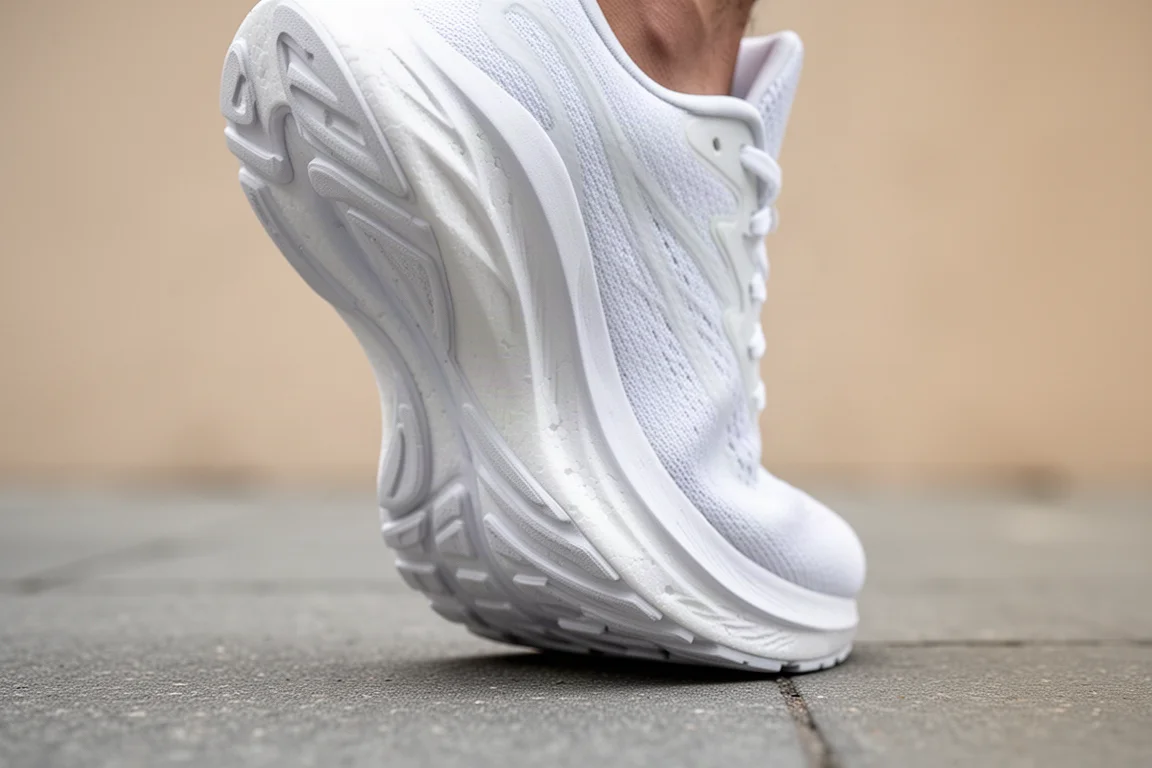
The foam’s balance of cushioning and bounce makes it genuinely fun for long slow distance runs, regular easy days, and recovery runs. It tested well both in the lead-up to a marathon block and as the post-race recovery shoe, exactly the situations where extra cushioning matters most.
You can even throw in a few short strides at the end of an easy run, and the foam responds reasonably well for a couple of bursts. Anything beyond that, though, and the size and weight of the shoe become cumbersome. This is not a shoe for workouts or sustained faster running, and it is clearly not designed to be one.
Where It Fits in the Puma Lineup
Within Puma’s running lineup, the MagMax sits at the relaxed end of the spectrum. The Velocity Nitro 3 is the anchor daily trainer, a little lower to the ground and versatile across a wider range of paces. The Deviate Nitro Elite 3, with its Nitro Elite foam and carbon fiber plate, is one of the lightest, most nimble racing shoes on the market, with the Fast-R 2 as an alternative race day option. In between sits the Deviate Nitro 3, which blends daily trainer DNA with race DNA for faster workouts.

The MagMax completes that picture on the other side of the speed spectrum: the shoe for time on feet, extra cushioning, and runs where pace can slip a little. It rounds out the lineup as a comfy recovery and easy-day option.
Buying Advice and Alternatives
This is the first year of the MagMax, so there is no previous version to save money on. Expect to spend $180, which is a significant figure for a max cushion shoe, though it is in line with the current premium end of the category.
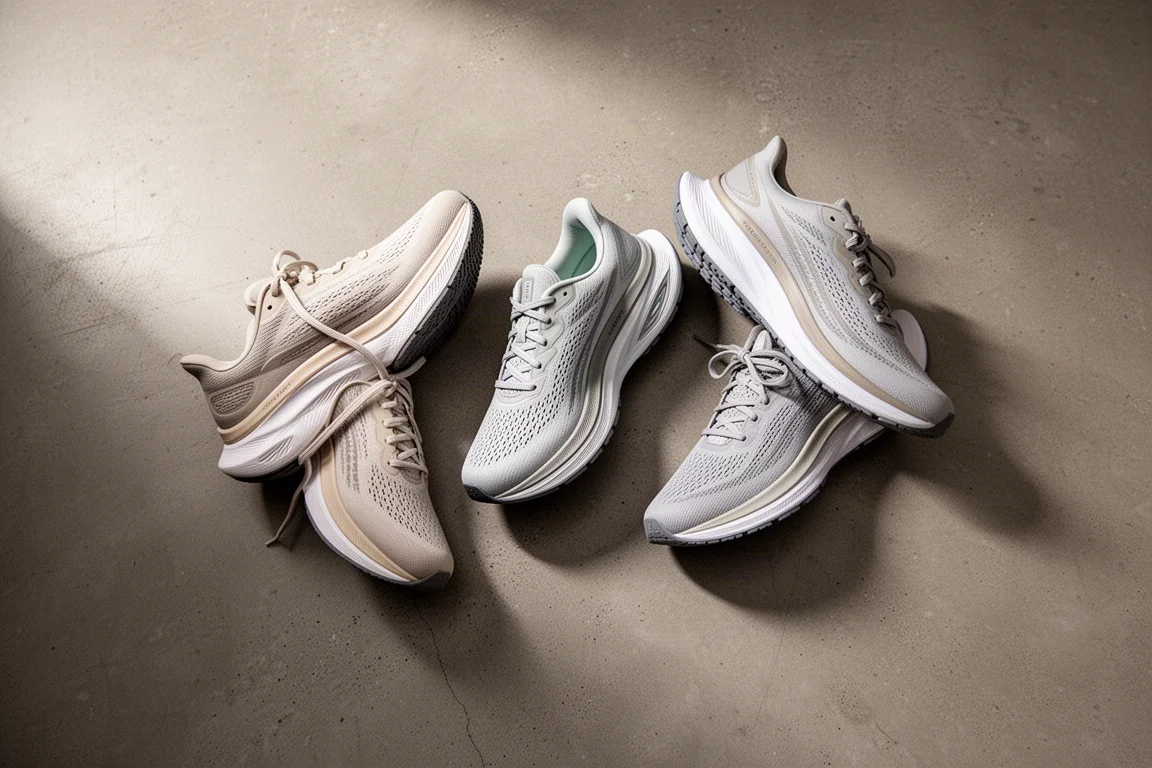
The obvious alternative is the Brooks Glycerin Max at $200. The two line up closely: both are exceptionally soft while remaining surprisingly nimble, and both are strong contenders in the max cushion class. If previous Brooks Glycerins have not worked for you, the Glycerin Max is still worth a try.
Slightly cheaper is the ASICS GlideRide Max at $170, $10 under the MagMax. It is also a very soft shoe, but it leans a bit more toward the firm, stable side. If not for the MagMax and the Glycerin Max, it would be a leading max cushion pick of the year.
Conclusion
The Puma MagMax is one of the most refreshing max cushion shoes to arrive in a long time. It delivers genuine softness at 46mm of stack, keeps a stable and composed ride thanks to its wide footprint, and holds up as a daily trainer rather than a one-note recliner. Its weaknesses are honest ones: it is heavy, it is not built for workouts, and the price is full retail with no older version to discount. For easy days, recovery runs, and long slow mileage, it sets a high bar for what max cushion shoes should feel like.
Product link
View more details for Puma MagMax Nitro
This product is mentioned in the review. Check the specifications, options, and compatibility before buying.
View more details for Puma MagMax NitroFurther reading
Related Reviews

Running Shoes
Best Road-to-Trail Running Shoes: Three Versatile Options for Mixed Terrain
A practical guide to three road-to-trail running shoes that handle both pavement and mild trails, with clear strengths and trade-offs for different runner types.

Running Shoes
Best Running Shoes for Achilles Tendonitis: Three Options Explained
Three running shoes with different heel drops and support features designed to help reduce Achilles tendon pain during walking and running.

Running Shoes
Best Running Shoes for Women: Five Top Choices Ranked
A ranked guide to five women's running shoes, from versatile daily trainers to high-performance racing options, with real strengths and trade-offs for each.