Running Shoes
Puma MagMax Nitro First Run Review: Maximum Stack, Bouncy, and Built to Protect
A first-run look at Puma's tallest trainer yet: 47 mm of foam, a wide stable base, and a bouncy ride that wants you to run faster.
Introduction
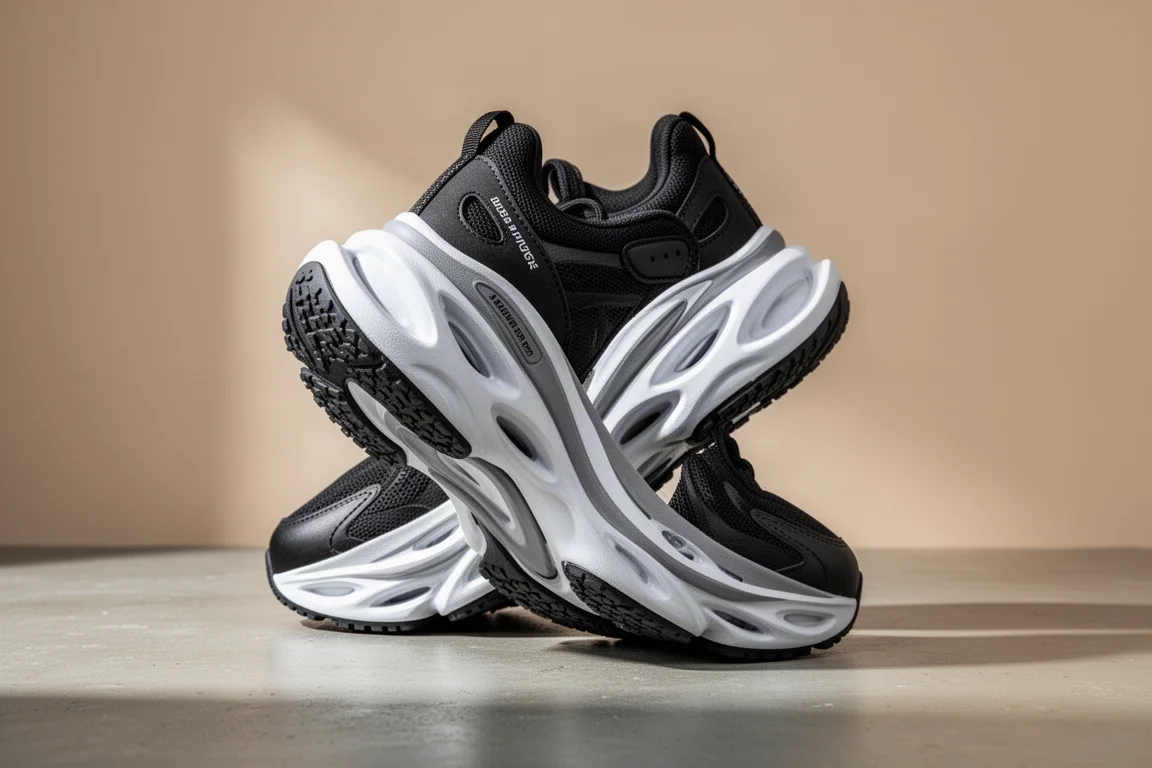
Few recent releases have generated as much anticipation as the Puma MagMax Nitro. It launched into the hottest category in running right now: max cushion training, where every brand is racing to build the tallest, most protective daily shoe. Puma has taken its standard Magnify platform and added the max treatment, amping up the stack and softening the feel to create its answer to shoes like the Saucony Hurricane 24, Hoka Skyward X, and New Balance Vos.
The short version after a first outing of 10 miles, followed by a double that brought the total to 18 miles: this is a hugely protective, genuinely fun, bouncy shoe that asks you to run with some force before it comes alive. It is heavy, it is bulky, and it is not the most versatile trainer on the market, but it left tired legs feeling great.
Who This Shoe Is For
This is a shoe for runners who want maximum protection and are willing to accept weight and bulk in exchange. At 325 g in a size 10.5 with 47 mm of foam in the heel and 39 mm in the forefoot, it is one of the tallest and most substantial trainers available. For comparison, the Saucony Hurricane 24 sits around 40 mm at roughly 340 g, the Hoka Skyward X comes in at 334 g with a carbon plate, and the ASICS Superblast is dramatically lighter at about 265 g despite its 45 mm-ish stack.
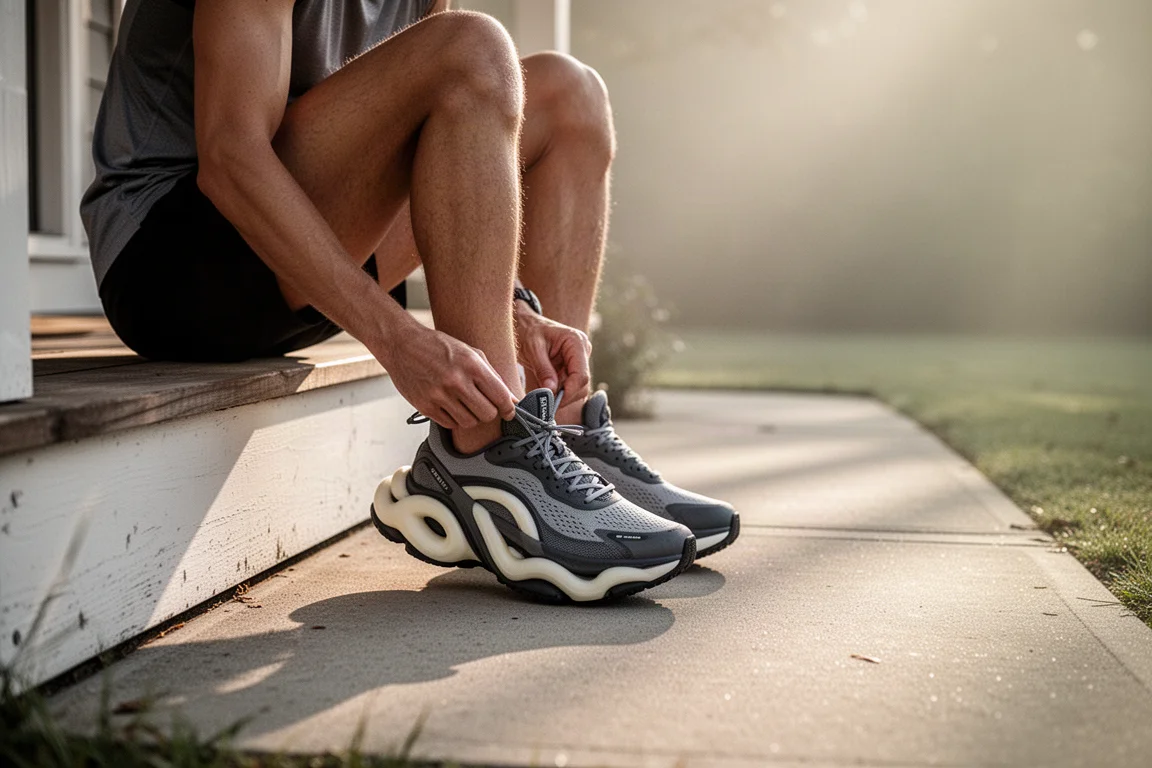
If you are a bigger runner, or someone who liked the Hurricane for daily miles and wants more uptempo capability, this shoe makes a lot of sense. If you prefer a lighter, nimbler ride at easy paces, look elsewhere.
Design and Stack Height
The defining feature is the foam. The midsole is a new compound that feels unlike any other Puma trainer, bouncier and more responsive than the foams in the Deviate Nitro 3 or Velocity Nitro 3. Puma calls its race foam Nitro Elite, and this sits somewhere between a training foam and that race compound. Push on it and it feels lively, similar in character to the midsoles in the Superblast and Skyward X.
The foam wraps dramatically up the sidewalls, creating cradles that hold the foot in place. Your foot does not sit directly on top of the full 47 mm; it nestles into the shoe with foam rising up around it. That sidewall architecture is what gives the shoe its stability despite the enormous height. There is also a pronounced rocker in the front, a departure from the flatter profiles Puma has historically used, and plenty of Puma Grip rubber coverage on the outsole that points toward good durability.
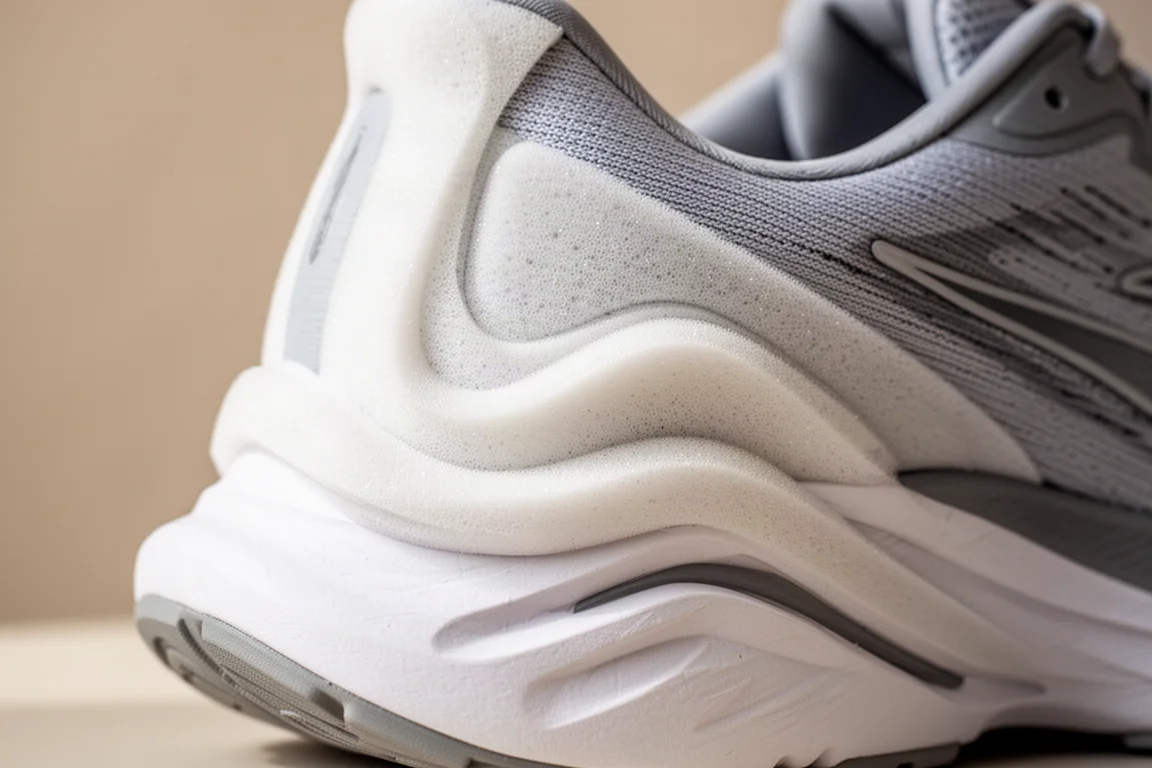
Notably, there is no plate. That is the same approach as the Superblast, and it means the foam has to do all the structural work, which explains why it is not the softest option in the category. It is not a firm shoe either; it sits right in the middle zone.
Fit and Upper
The upper is a pleasant surprise. The material feels well built and quality, with a nicely padded tongue that is stretchy and thick, closer in spirit to the Skyward X than to a thin performance racing tongue. There is performance material across the top of the foot with good padding around the heel collar.
The catch is classic Puma: the fit runs narrow and low volume. The toe box in particular feels tight, and the length runs true to size even when the width pinches. If Puma widened its last slightly, these would be far easier shoes to recommend broadly. Expect some break-in for the upper to mold to your foot and for the foam to soften into its true character; visible creasing after the first run suggests it will evolve over the first 30 miles or so.
The launch colorway, a royal blue and green combination, is underwhelming, and the black and white alternative is equally divisive. An all-white option exists on Puma’s website and may be the pick for anyone who cares how the shoe looks off the run.
How It Runs
The first impression on foot is simply a lot of shoe. There is essentially no ground feel, and the ride is disconnected from the surface, but the payoff is protection and bounce in spades. This is one of the bounciest training shoes in recent memory, at Skyward X and Superblast levels of spring.
The catch: the foam needs force to compress. At true recovery pace around 7:30 to 8:00 per mile, the ride can feel like running in moon boots or stuck in mud, with the chunky heel refusing to bounce back without meaningful input. Pick up the pace to around 7:30 to 7:10 and the shoe transforms. It locks into a natural rhythm and actively pushes you along, holding marathon pace comfortably and even dipping toward 6:30 and 6:00 flat on straights without feeling maxed out. Only at 10K pace and faster does a limiter appear, so this is not a true speed work shoe.
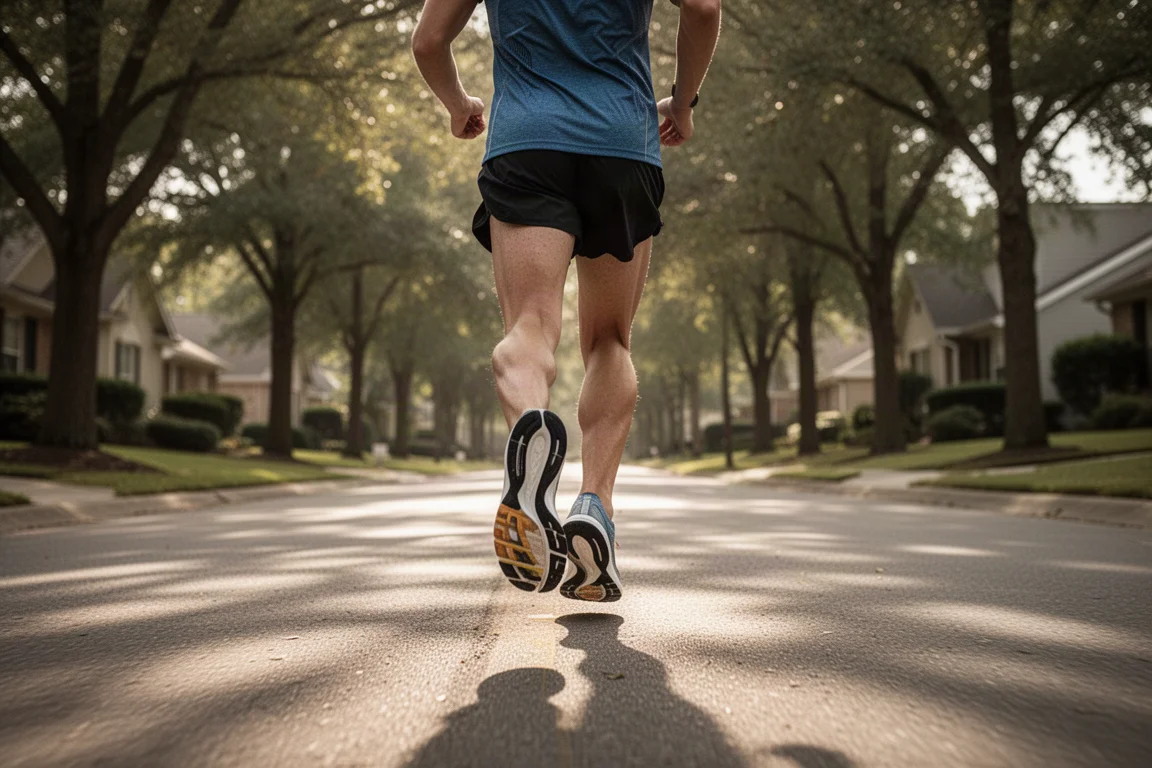
Downhill it is excellent, offering massive protection over the kind of descents that beat up legs. Stability is another strength: despite the height, the wide base keeps the foot planted, aided by those foam sidewalls. After 10 miles on legs that had already covered 25 miles the previous day, the legs felt fresh, which speaks to how much punishment this shoe absorbs.
One quirk worth flagging: despite being an 8 mm drop on paper, it feels significantly higher, almost like a 10 to 12 mm platform, slanting you forward slightly and encouraging an aggressive, faster cadence.
Things to Consider Before Buying
The obvious trade-off is weight. At 325 g it is heavier than the Superblast’s roughly 265 g, and that weight is exactly why it cannot match the Superblast’s magic weight-to-performance ratio. Unlike the Superblast, which uses legitimate race foam to defy physics, the MagMax gives you the stack you expect at the weight you expect.
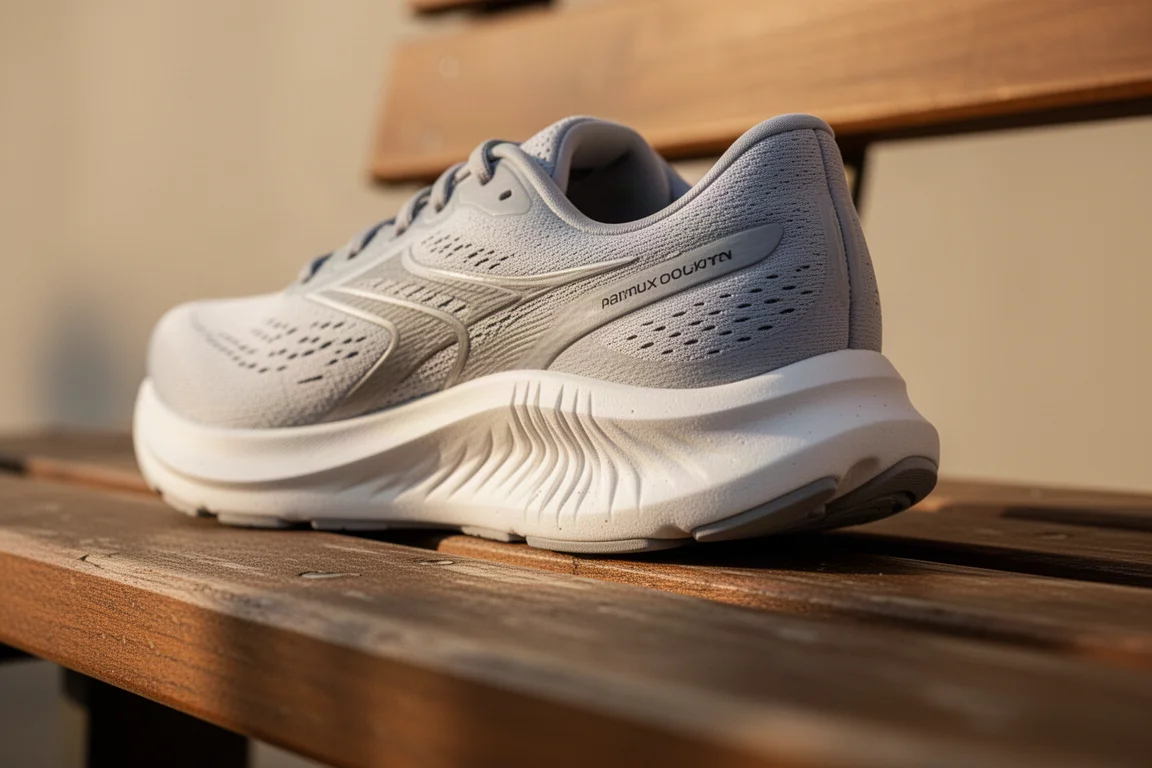
The second trade-off is versatility. This is a pace-limited shoe. If your easy days are genuinely slow and relaxed, you will fight the foam rather than enjoy it. The ideal rotation slot is alongside a light, aggressive trainer, using the MagMax for faster steady miles, long runs, and quality work where you want speed plus protection.
Durability looks promising. Puma builds durable shoes, and the thick rubber coverage suggests this could comfortably reach around 400 miles while continuing to protect your legs. The foam should also soften slightly with break-in, which may make relaxed miles friendlier, though physics will always demand some force with this much foam underfoot.
Buying Advice
If you love maximum cushioning and want the tallest, bounciest ride Puma has ever made, the MagMax Nitro at $180 delivers exactly that. Buy it if you run faster steady miles, log big weekly mileage, or want a protective long run shoe that stays fun and lively. Skip it if you want a soft, squishy recovery cruiser, a lightweight do-it-all trainer, or a roomy toe box. More high-mileage testing will refine the picture, but the early signs point to a mileage eater with real character.
Conclusion
The MagMax Nitro is a bold, slightly strange shoe: enormously stacked, surprisingly bouncy, stable for its height, and clearly happiest when you run with intent. It is not the most versatile trainer, and the narrow fit holds it back, but as a fun, protective companion for faster mileage, it earns its place. This is max cushion taken right to the limit.
Product link
View more details for Puma MagMax Nitro
This product is mentioned in the review. Check the specifications, options, and compatibility before buying.
View more details for Puma MagMax NitroFurther reading
Related Reviews

Running Shoes
Best Road-to-Trail Running Shoes: Three Versatile Options for Mixed Terrain
A practical guide to three road-to-trail running shoes that handle both pavement and mild trails, with clear strengths and trade-offs for different runner types.

Running Shoes
Best Running Shoes for Achilles Tendonitis: Three Options Explained
Three running shoes with different heel drops and support features designed to help reduce Achilles tendon pain during walking and running.

Running Shoes
Best Running Shoes for Women: Five Top Choices Ranked
A ranked guide to five women's running shoes, from versatile daily trainers to high-performance racing options, with real strengths and trade-offs for each.