Running Shoes
Puma MagMax Nitro 50-Mile Review: A Max Cushion Workhorse, Plus Four Alternatives Worth Knowing
After 50 miles of testing, the Puma MagMax Nitro proves to be a protective, stable max-stack trainer. Here is how it compares to the Saucony Hurricane 24, ASICS Novablast 4, Hoka Skyward X, and New Balance More v5.
Introduction
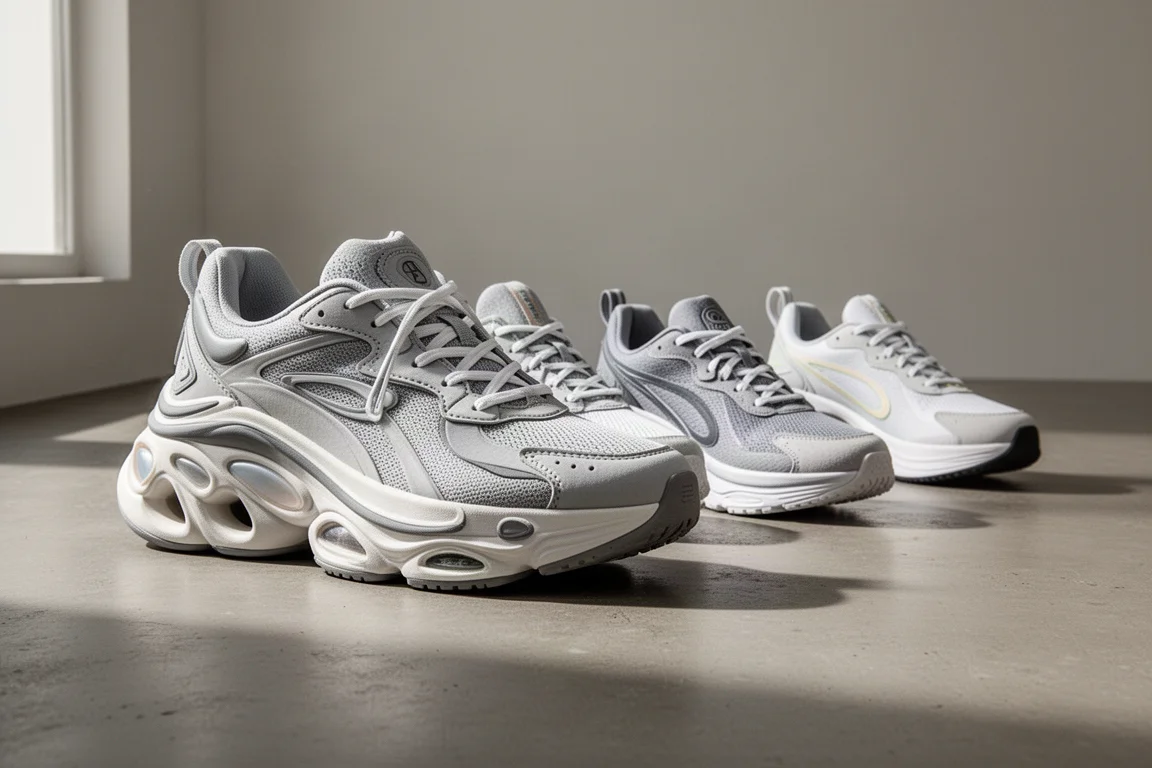
The Puma MagMax Nitro has been put through a 50-mile test block built from an 18-mile double day, a 23-mile long run, and a few relaxed morning runs. The short version: this is not a super soft squishy shoe, and it is not a speed shoe. It is a versatile, protective workhorse with one of the tallest non-plated foam stacks on the market, and it earns its place as one of the top max stack shoes for long, comfortable miles.
If you are deciding between the MagMax Nitro and its closest rivals, four alternatives come up again and again: the Saucony Hurricane 24, ASICS Novablast 4, Hoka Skyward X, and New Balance More v5. Each solves a slightly different problem.
Puma MagMax Nitro: The Standout Max Stack Trainer
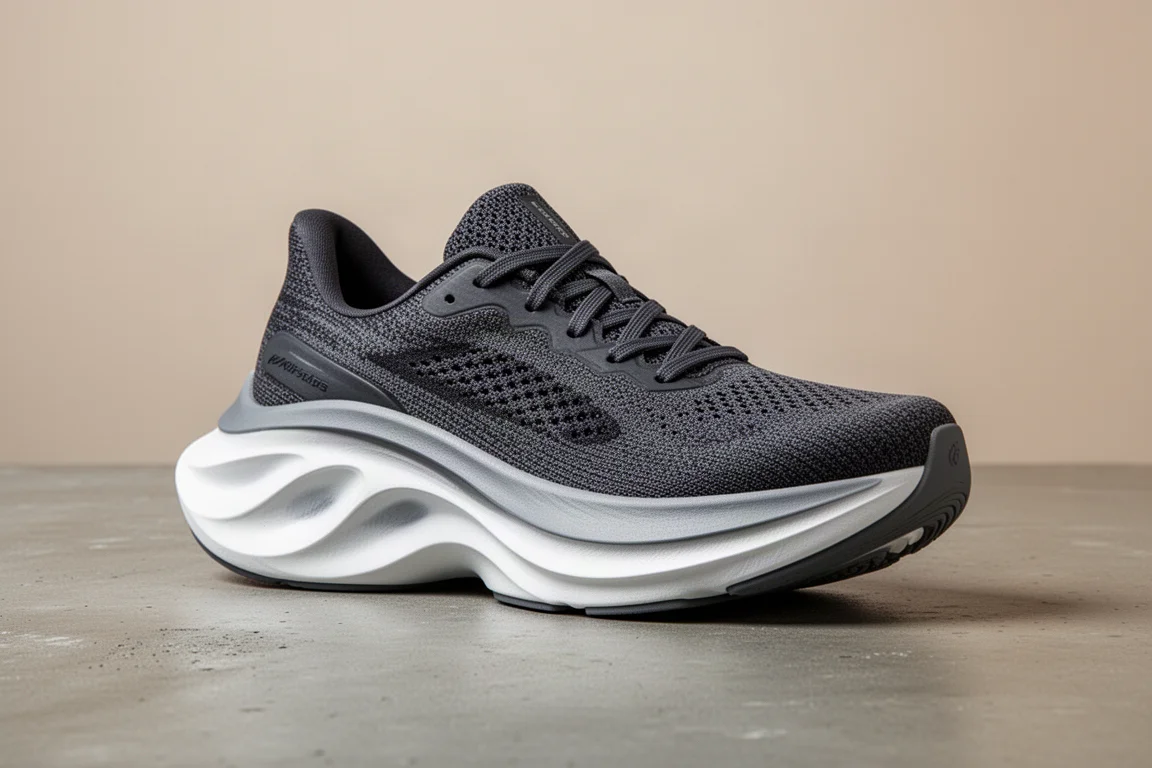
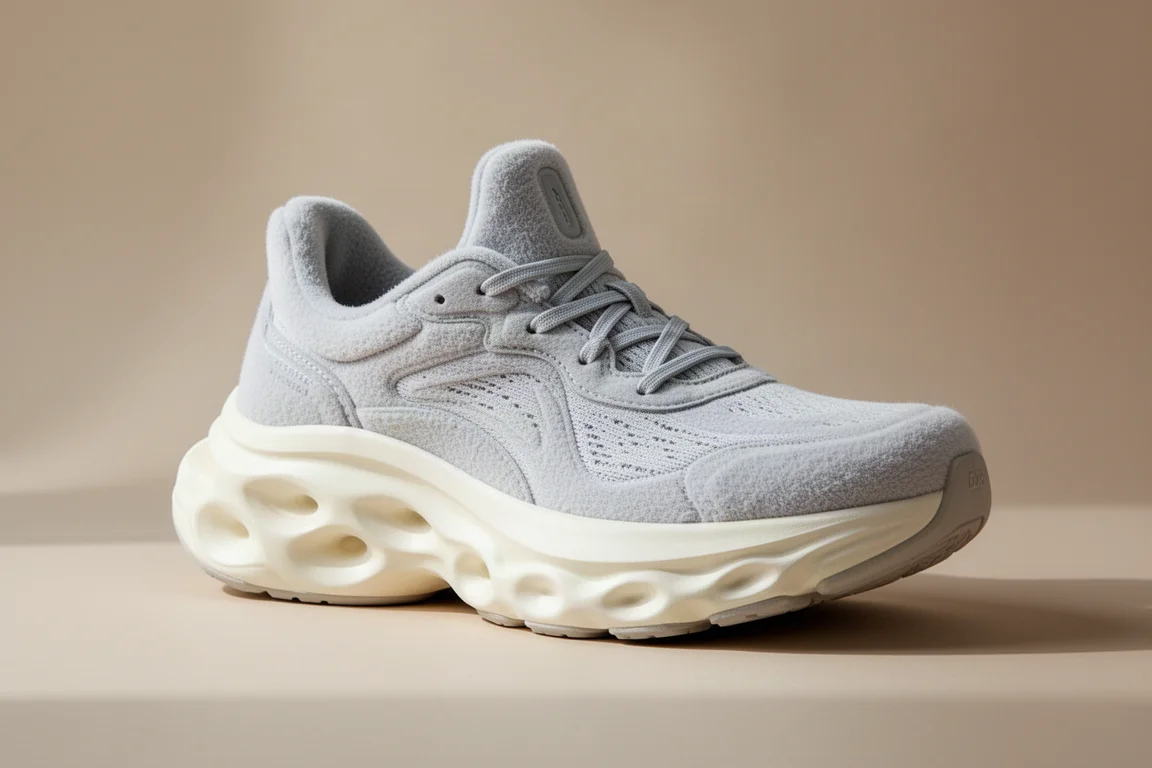
The MagMax Nitro is a highly cushioned everyday running shoe with a big, tall stack of foam. It is one of the tallest non-plated shoes on the market, measured at around 46 mm in the heel, with a nice wide base of foam underfoot. At $180, it sits against shoes like the Saucony Hurricane and New Balance More v5 rather than plated options.
The character is the key thing to understand. With that much foam and that much width, the MagMax is not super soft and it is not super fast. The Nitro supercritical foam gives it a lighter, bouncier character than basic EVA, but the ride locks you into a steady everyday pace. For runners who spend most miles between 7 and 8 minutes per mile, it settles right into that zone.
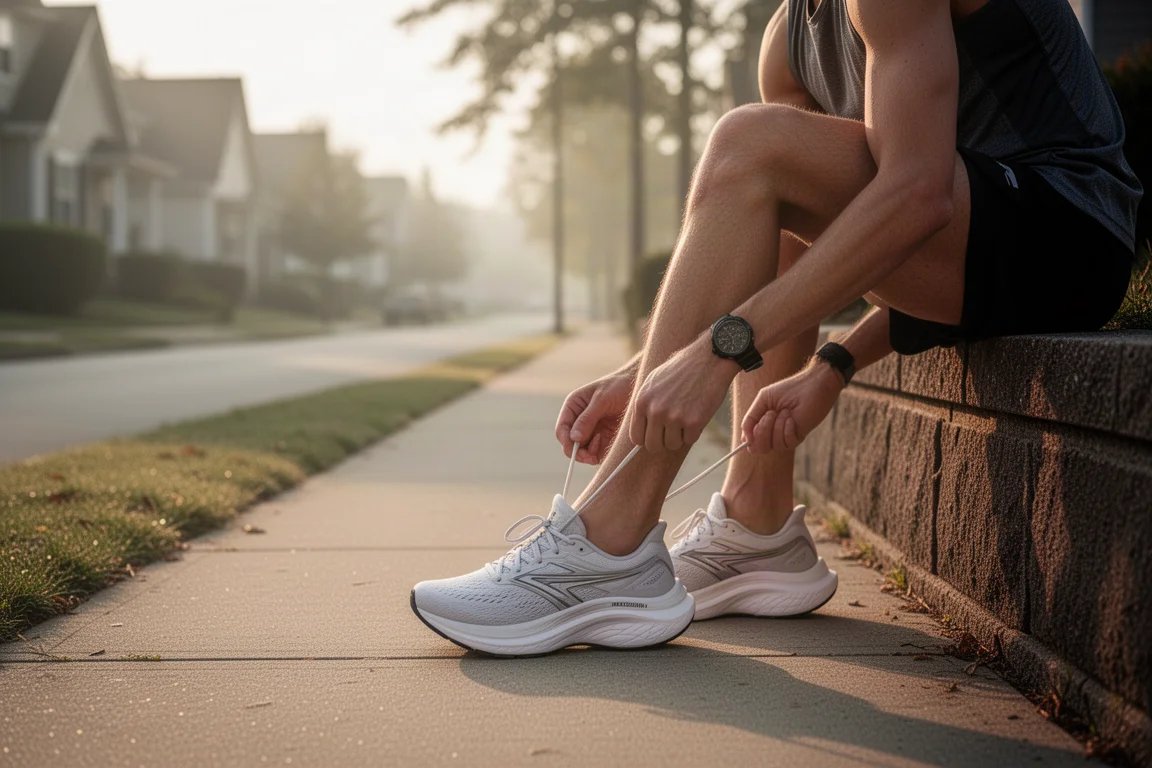
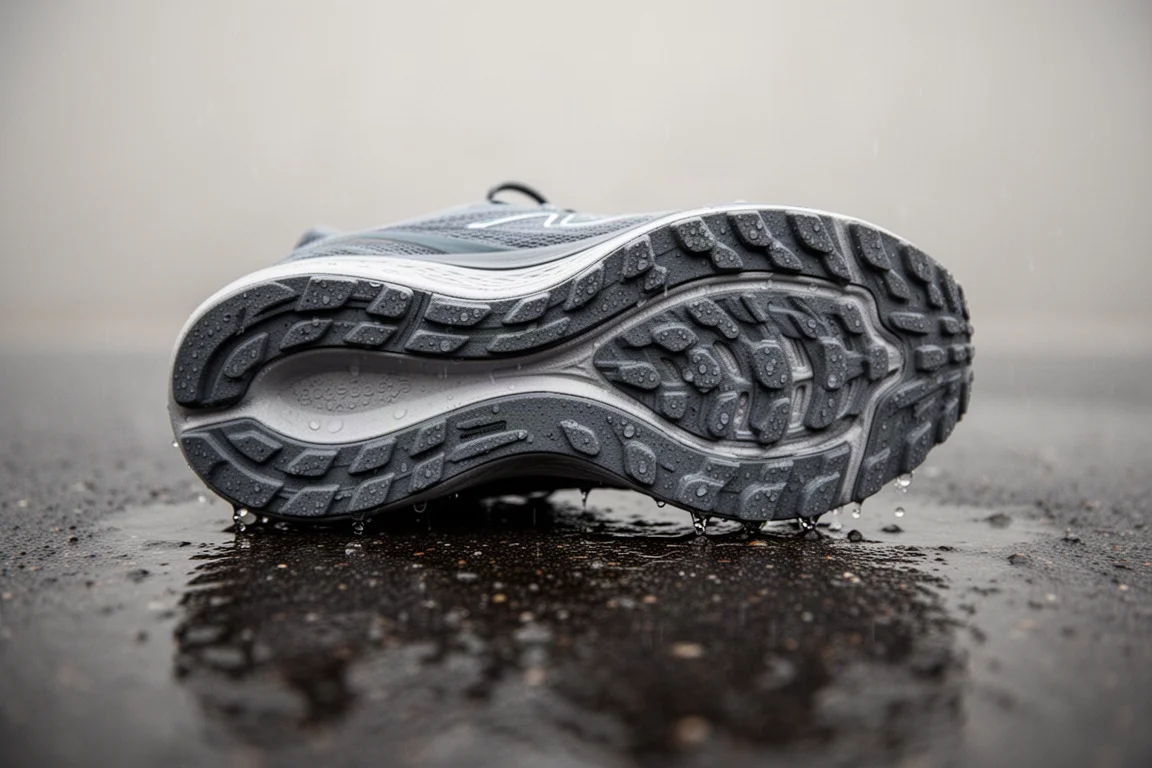
Where it pulls ahead of most other max cushion shoes is grip and stability. The Puma grip outsole is genuinely good in the rain, something several rival max cushion shoes handle badly, and the structured, supportive feel through the back of the shoe makes it more stable than the squishier options. Durability looks solid at 50 miles, though expect 20 to 30 miles of break-in before the foam shows its true character, and the fit runs true to size with a slightly narrower toe box.
It is also not a walking shoe, despite what the massive stack suggests. On foot it feels like strapping up a moon boot: a lot of foam, not streamlined. And it should not be your only shoe. Pair it with something lighter or faster, and it makes a great companion for long runs and marathon training at 3:30 to 4:30-plus paces.
Saucony Hurricane 24: Better for Walking and Stability
The Hurricane 24 is the pick if you want a more streamlined daily trainer. Both shoes have good stability, but the MagMax is the max stack behemoth while the Hurricane feels like less shoe on foot. It has a slightly more prescriptive stability character with a locked-down heel feel, plus a rocker tuned for a smooth rolling stride.
It is also easier to walk in. If you want a comfortable, protective shoe that doubles for daily walking, the Hurricane 24 is the better choice of the two.
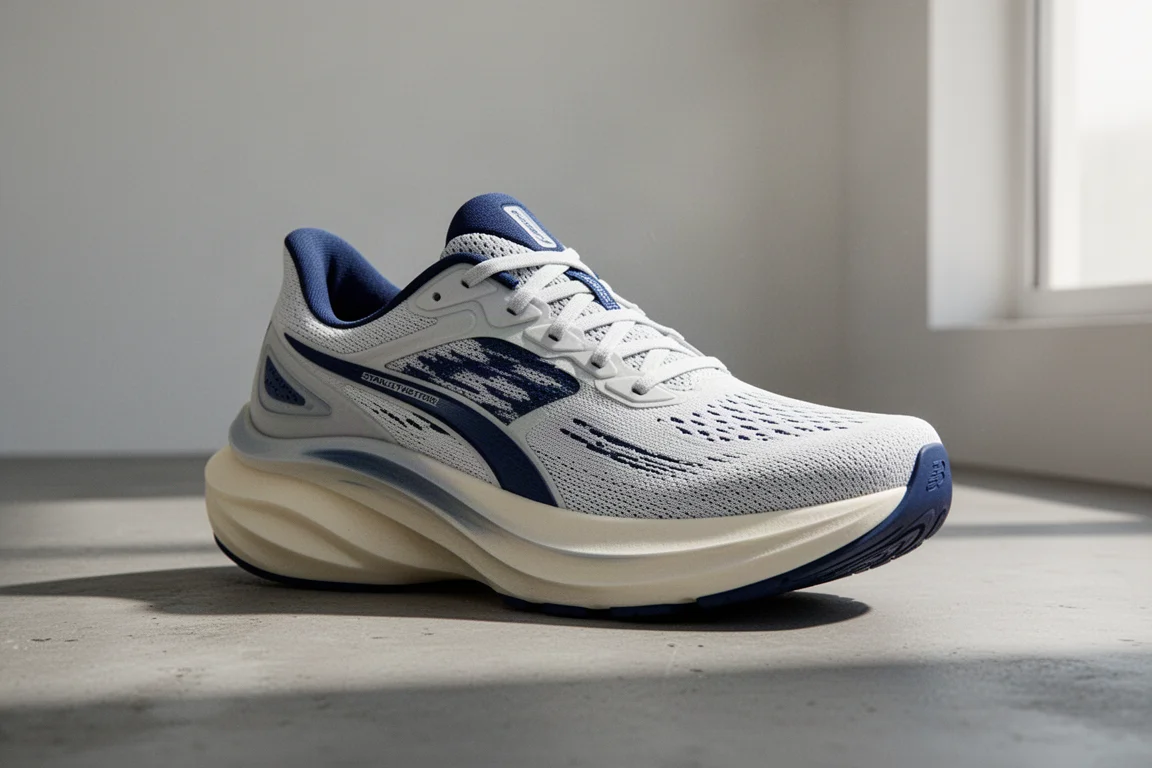
ASICS Novablast 4: The Lighter, Cheaper Long Run Option
If you do not want to pay $180, the Novablast 4 at $140 is the value play. It has a similar character to the MagMax with a lot of protective foam, just a little less of it, less rocker, and less bounce. The trade-off is weight: it comes in roughly 50 grams lighter, which you can genuinely feel on foot.
The big downgrade is wet weather grip. The Novablast is not good in the rain at all, so the MagMax wins that matchup decisively. If your long runs stay under an hour and you want a smoother, more streamlined shoe, the Novablast is arguably the better marathon training daily trainer: comfortable, supportive, light enough to occasionally pick up the pace, and priced at the entry point for more technologically advanced trainers.

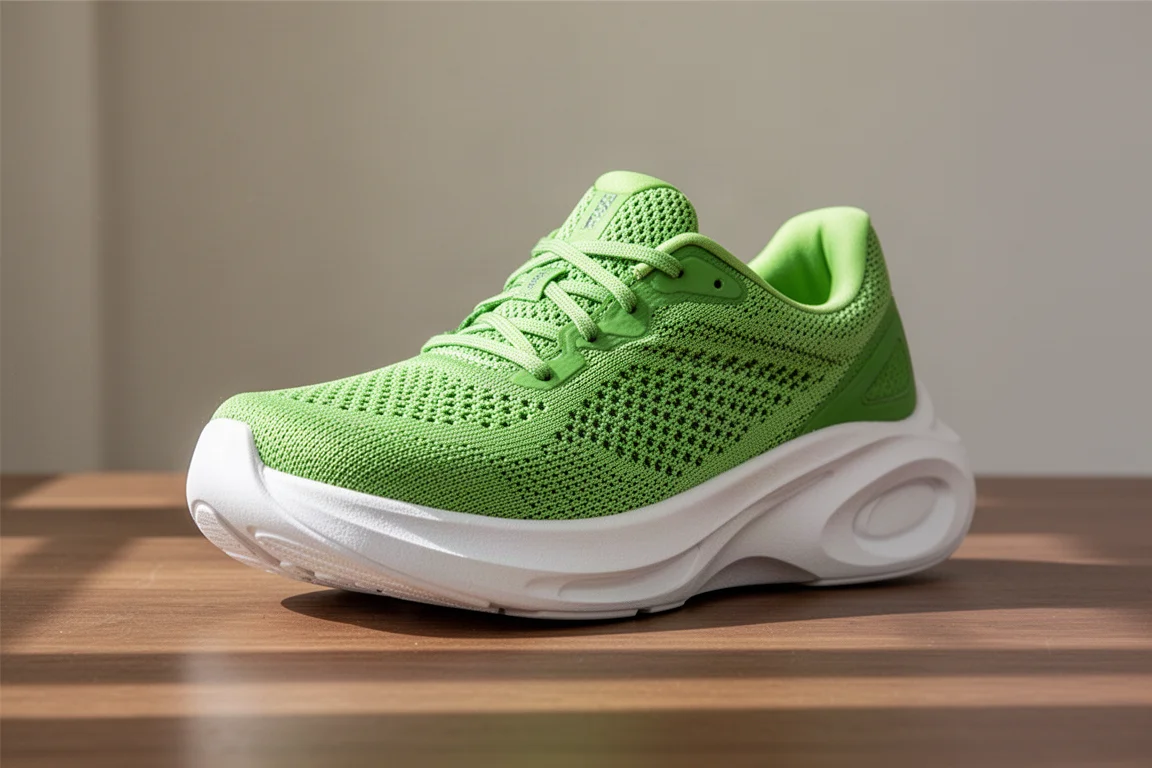
Hoka Skyward X: When Bounce Is the Priority
If bounce is what you were hoping for from the MagMax, go for the Skyward X instead. It is one of the bounciest training shoes of the year, with a similar weight and similar on-foot feel, a ton of foam, and a construction pairing a carbon plate with supercritical EVA topped by race foam. For many runners, the ride is simply that much better when fun and bounce are the goal.
The Skyward X costs $45 more than the MagMax, which is considerable, but the energy return justifies it for runners who want a lively ride. The MagMax, by contrast, is about stability, protection, comfort, and time on feet, not fun.
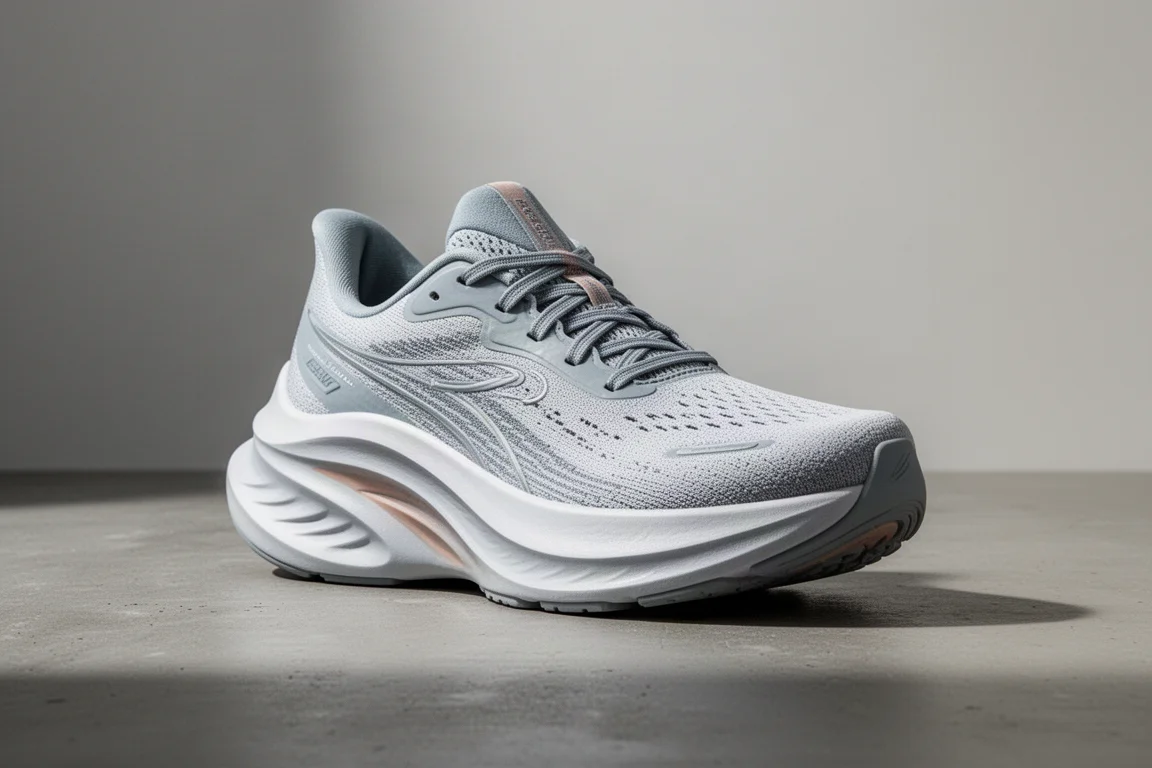
New Balance More v5: When You Want Super Soft
None of the shoes above are truly super soft, and neither is the MagMax. The More v5 is the very soft max cushion shoe in this group, so if plushness was what you were chasing, this is the one to pick.
Sizing matters here: the toe box runs narrow for some feet, and several runners have reported blisters, so consider the wide version or going up half a size if you have a slightly wider foot or are blister-prone.
Buying Advice
Match the shoe to what you actually need. If you want lots of foam, protection, stability, and support for big mileage and marathon training, and you already own something faster, the MagMax Nitro is an excellent pick. If you expect super bounce, it will probably let you down. If you expect super speed, it might too.
You also do not need a specialized shoe for every type of run. One to three well-chosen shoes can carry you a long way, even at high weekly mileage.
Conclusion
The MagMax Nitro is one of the best max stack shoes for time on feet, wet weather performance, and comfort. The Hurricane 24 wins for walking, the Novablast 4 wins on value and weight, the Skyward X wins on bounce, and the More v5 wins on softness. Pick the one that matches your training, and the miles will take care of themselves.
Further reading
Related Reviews

Running Shoes
Best Road-to-Trail Running Shoes: Three Versatile Options for Mixed Terrain
A practical guide to three road-to-trail running shoes that handle both pavement and mild trails, with clear strengths and trade-offs for different runner types.

Running Shoes
Best Running Shoes for Achilles Tendonitis: Three Options Explained
Three running shoes with different heel drops and support features designed to help reduce Achilles tendon pain during walking and running.

Running Shoes
Best Running Shoes for Women: Five Top Choices Ranked
A ranked guide to five women's running shoes, from versatile daily trainers to high-performance racing options, with real strengths and trade-offs for each.