Running Shoes
Puma MagMax Nitro: 100-Mile Review of a Bouncy Max-Stack Workhorse
After 100 miles of everyday miles, long runs, and even a threshold session, here is how the Puma MagMax Nitro holds up as a protective, versatile max-stack trainer.
Introduction
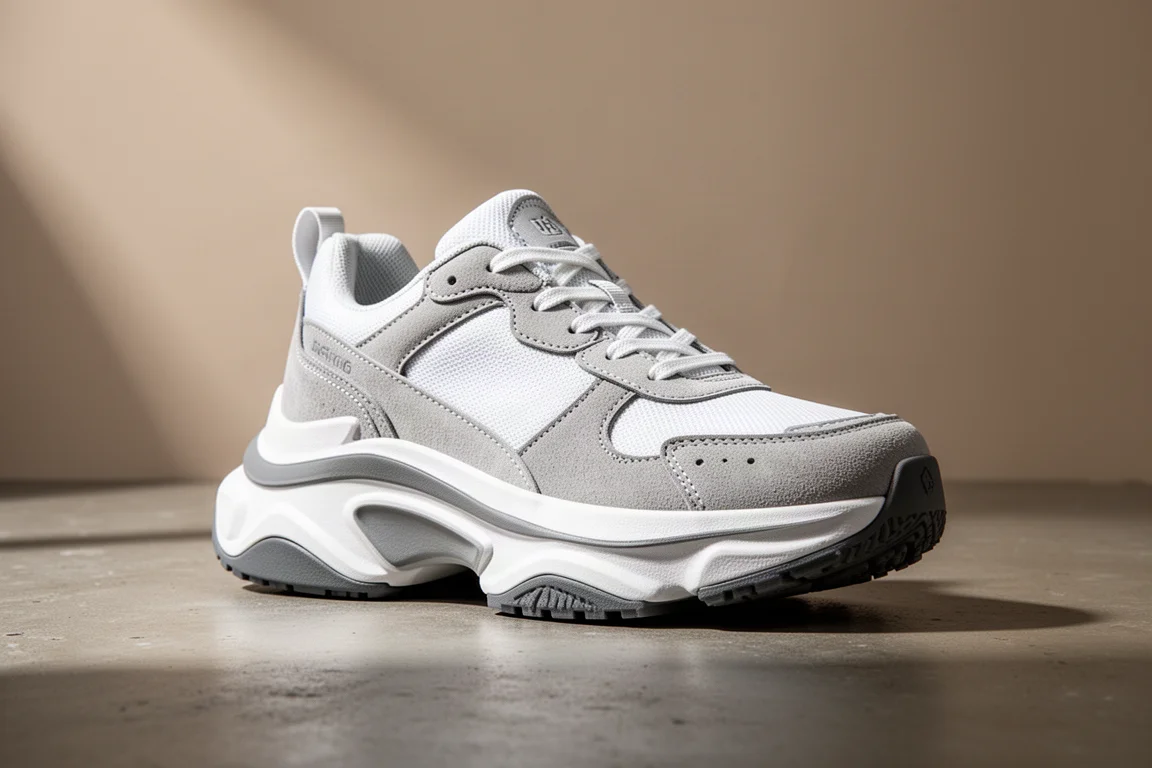
Some shoes win you over on the first run. The Puma MagMax Nitro is not that shoe. Out of the box it felt like a lot of foam, and the initial impression was that this might be where non-plated max stack goes too far. One hundred miles later, the verdict has completely flipped: this is one of the most comfortable, protective, and versatile daily trainers of the year, and it keeps getting better as the foam breaks in.
This review covers everything from 10-minute family jogs to 5:40 threshold reps, a 23-mile long run, double days, and a final 16-mile two-hour run to close out the mileage.
Who This Shoe Is For
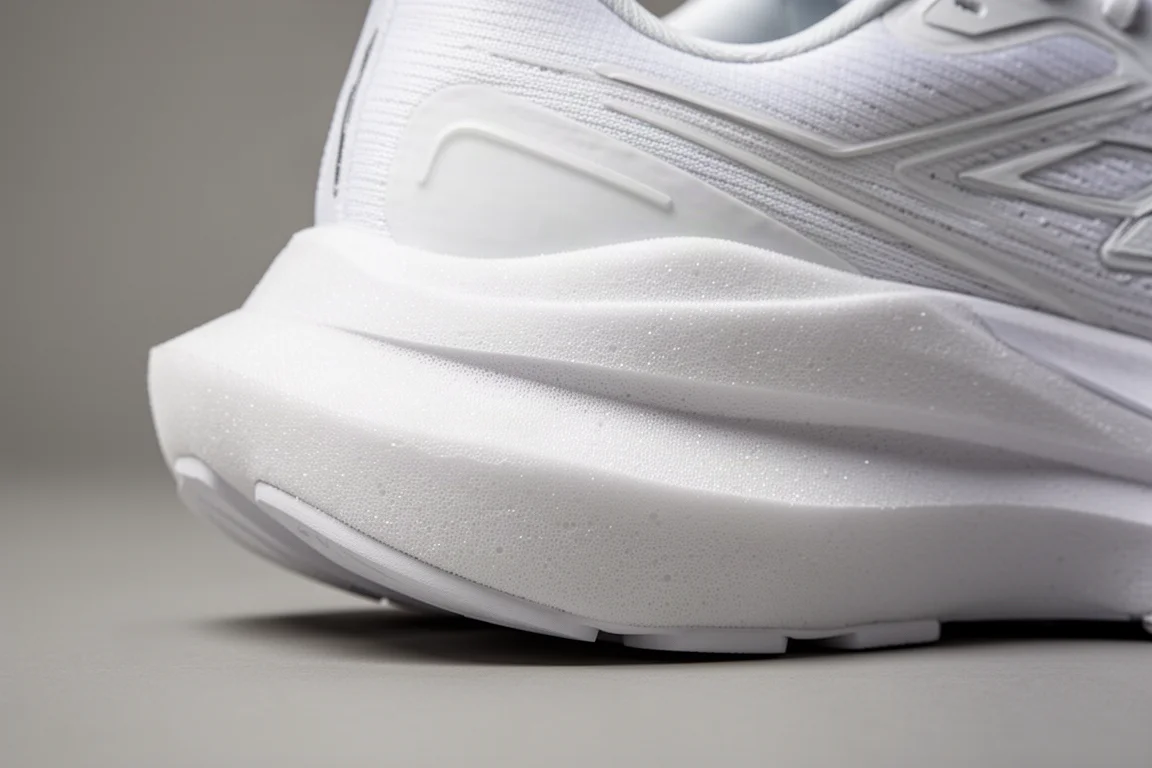
The MagMax Nitro is built around a very tall stack of Puma Nitro foam, roughly 47mm in the heel and about 39mm in the forefoot, with a wide, stable base and no plate. That places it in the same conversation as shoes like the Skyward X, Glycerin Max, and Neo Vista, but with a more forgiving feel underfoot. It is a do-it-all daily trainer: cushioned, bouncy, and protective without being too soft or squishy.

If you are a heavier runner, a mid-foot striker at everyday paces, or someone who logs big aerobic mileage and wants a shoe that makes time on feet easy, this is squarely your shoe. Runners who plot along at very slow paces or lighter runners who do not put much force into the ground may not get the full benefit, since the foam rewards force and responds better the harder you load it.
How It Rides After Break-In
The first 10 to 20 miles were the rough patch. The sheer volume of foam felt unnatural, almost like the shoe was running its stack height. That sensation faded as the miles accumulated. Between 50 and 70 miles the foam genuinely came alive, opening up and delivering a bounce that was not there at mile zero. By 100 miles it feels better than it did at 50.
Weirdly, despite a massive stack and a base wider than seems reasonable, it never felt clunky or awkward. It does not run its stack height, which is exactly why it disappeared on foot during a 23-mile long run. It is on the heavier side, and that weight is noticeable below everyday pace, around 7:30 to 7:40 or slower. At 7:00 to 7:30 the bounce overcomes the weight and the ride feels smooth and effortless.
The heel strike feels good, picking up the pace feels surprisingly good, and relaxed miles feel great. Through 85 miles it had handled short relaxed runs, a threshold workout with 5:40 reps, a 10-mile progression run ending at 6-flat pace, and plenty of everyday 7-minute-pace miles. It is an absolute mileage crusher.
Performance at Faster Paces
This is not a workout shoe, and the higher drop (listed around 8mm, but it feels like more) worked the hips when pushing the pace, forcing extra digging onto the forefoot. That said, of all the max-stack shoes tested, this is the only one that felt confident enough to pull for a real workout. It handled 5:40 threshold reps and strides in the 4-minute range without complaint. Faster shoes exist, but none in this category combine this level of comfort with that much pace versatility.
Durability and Grip
Puma’s grip compound is one of the stickiest rubber formulations around, shared with the Deviate Nitro 3 and proven in plenty of wet-weather runs. It makes this an excellent winter trainer, and it is a real differentiator if you are considering the Adidas Adizero Nova Blast 4-style alternatives instead.
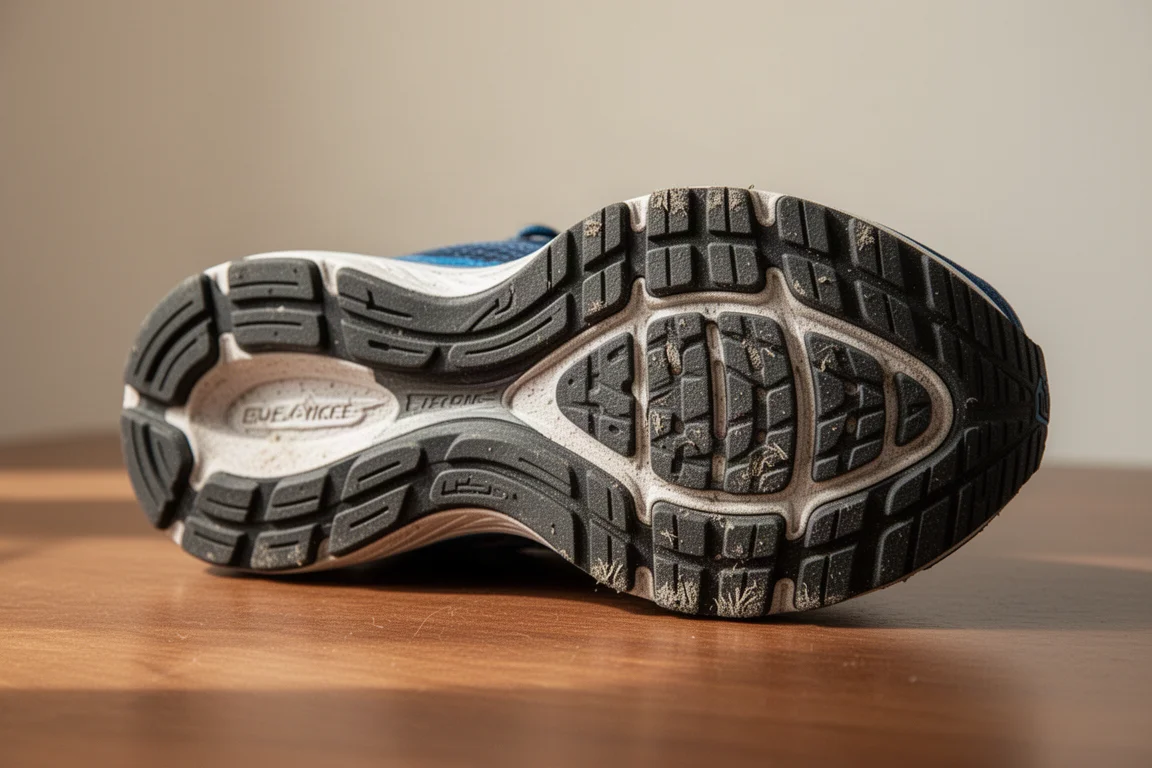
At 100 miles, the outsole shows only surface texture wear in the highest-abrasion zones. The rubber underneath remains thick and unbroken. This is a shoe that should comfortably reach 300 miles or more, possibly 350 to 400, making it one of the more durable max-stack options available.
Things to Consider Before Buying
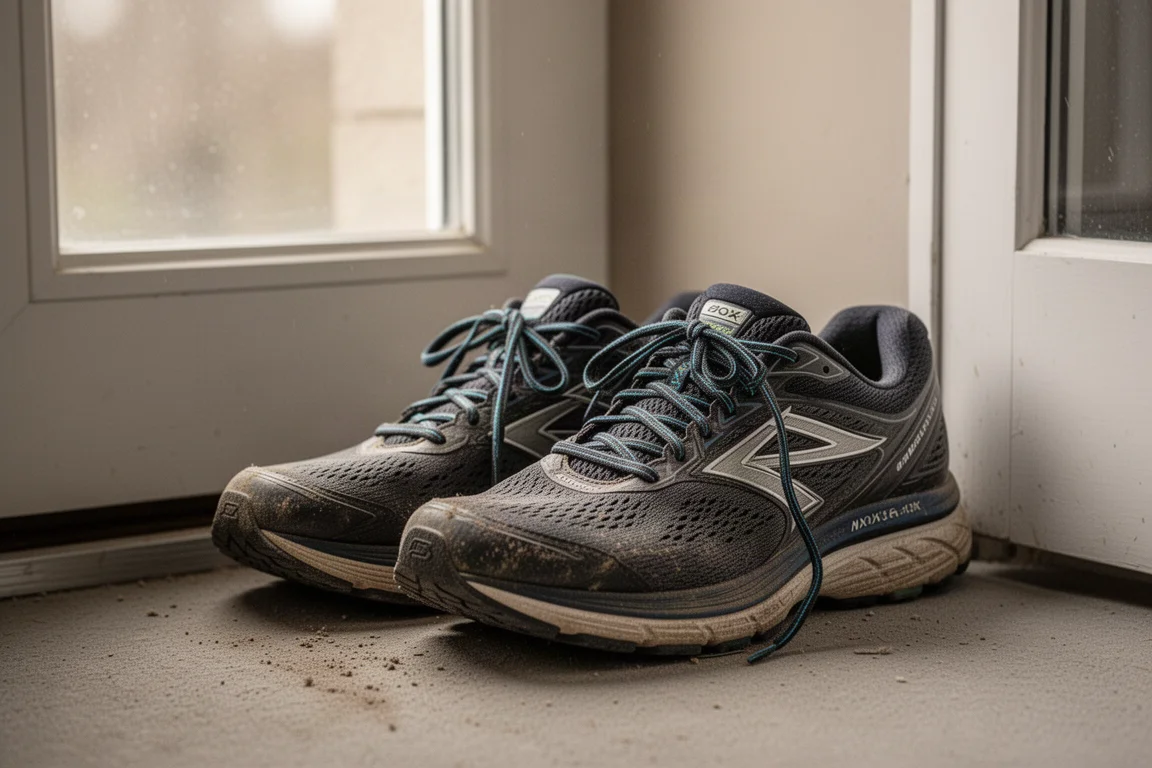
At $180, expectations should be calibrated. This is a workhorse, not a thrill ride, and it needs break-in time before it shows its best. It is also a substantial shoe on foot, and runners who prefer minimal ground feel will not find it here; this is one of the most protective shoes tested, with essentially no ground feedback.
If you want the same bounce and protection at a lower price point, the Nike Vomero (for the bouncy, durable workhorse feel), the Adidas Adizero Nova Blast 4 (for the wide, stable, cushioned platform), or the Saucony Triumph 20 (for a moderately soft, bouncy long-run shoe) are all reasonable alternatives. But if you want the ultimate in protection, bounce, and versatility once broken in, the MagMax Nitro earns its place.
Buying Advice
Buy this shoe if you are a bigger or mid-pack runner training for a marathon, need a shoe that can absorb 20-plus-mile long runs comfortably, or want one reliable trainer that can genuinely do every type of run. Skip it if you are a lighter runner at slow paces, want a dedicated speed workout shoe, or prefer a low-drop, ground-feel-heavy ride.
Conclusion
The Puma MagMax Nitro is a shoe that rewards patience and mileage. Early skepticism about too much foam and not enough excitement turned out to be wrong on both counts. Bouncy, grippy, protective, and durable, it is one of the best max-stack daily trainers available right now, and a legitimate candidate to hold up well past 300 miles.
Product link
View more details for Puma MagMax Nitro
This product is mentioned in the review. Check the specifications, options, and compatibility before buying.
View more details for Puma MagMax NitroFurther reading
Related Reviews

Running Shoes
Best Road-to-Trail Running Shoes: Three Versatile Options for Mixed Terrain
A practical guide to three road-to-trail running shoes that handle both pavement and mild trails, with clear strengths and trade-offs for different runner types.

Running Shoes
Best Running Shoes for Achilles Tendonitis: Three Options Explained
Three running shoes with different heel drops and support features designed to help reduce Achilles tendon pain during walking and running.

Running Shoes
Best Running Shoes for Women: Five Top Choices Ranked
A ranked guide to five women's running shoes, from versatile daily trainers to high-performance racing options, with real strengths and trade-offs for each.