Running Shoes
Puma MagMax 2 vs Nike Vomero Plus: Two Max Cushion Trainers, Two Very Different Moods
Both around $180 with huge foam stacks, but one is built for stability and relaxed miles while the other rewards pace pickups. Here's how to pick.
Introduction
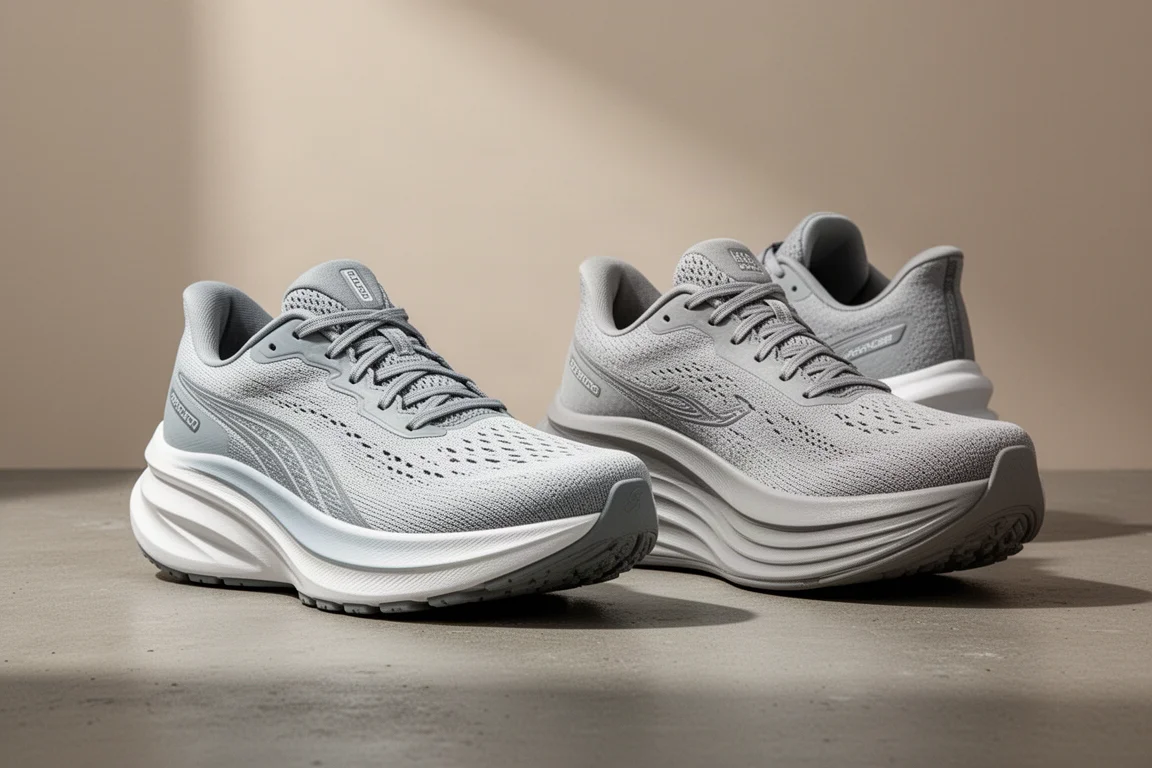
Max cushion has become the most competitive corner of the running shoe market, and these two trainers sit right at the center of it. The Puma MagMax 2 is the follow-up to the shoe that reset expectations for what big, un-plated foam platforms could do. The Nike Vomero Plus, meanwhile, has quietly become the default max cushion choice for a huge number of runners, thanks to a tall stack that somehow feels light and quick on foot.
Both retail at the same $180 price point, both fit true to size, and both are built around enormous bouncy midsoles. But the similarities mostly end there. These are two shoes with genuinely different personalities, and the one that suits you depends heavily on the paces you actually run.
Underfoot Feel and Heel Geometry
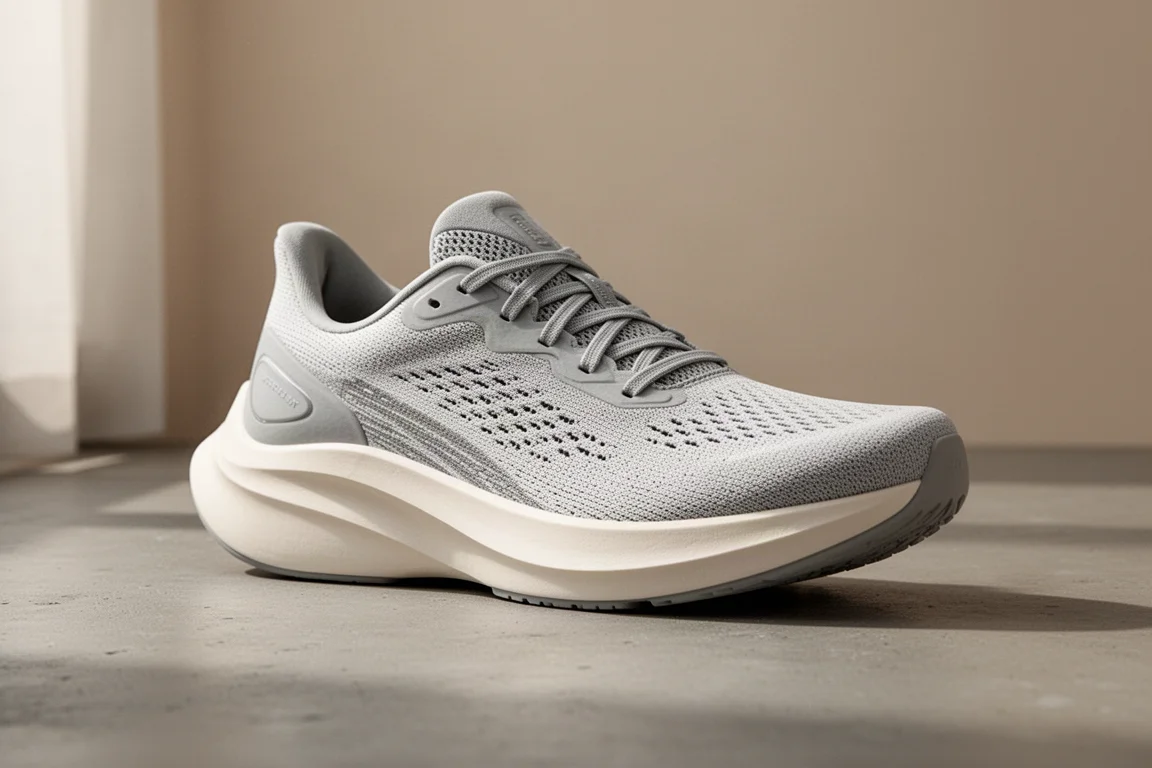
The single biggest difference between these shoes is geometry. The Vomero Plus has a pronounced rocker with a curved heel bevel and a full roll through the stride. It aggressively positions you on the midfoot and forefoot, which encourages a quicker turnover and makes pace pickups feel natural. The foam is plusher too, compressing visibly under pressure with a soft, give-y step-in feel.
The MagMax 2 is much flatter through the heel. There is no noticeable roll, just a wide, substantial, planted base that locks you into a rearfoot landing. First impressions can be that the heel feels slightly gummy, like you are fighting to get up onto the midfoot. That flatter profile is not a flaw so much as a design choice: it makes the shoe exceptionally stable and protective, at the cost of some of the fun.
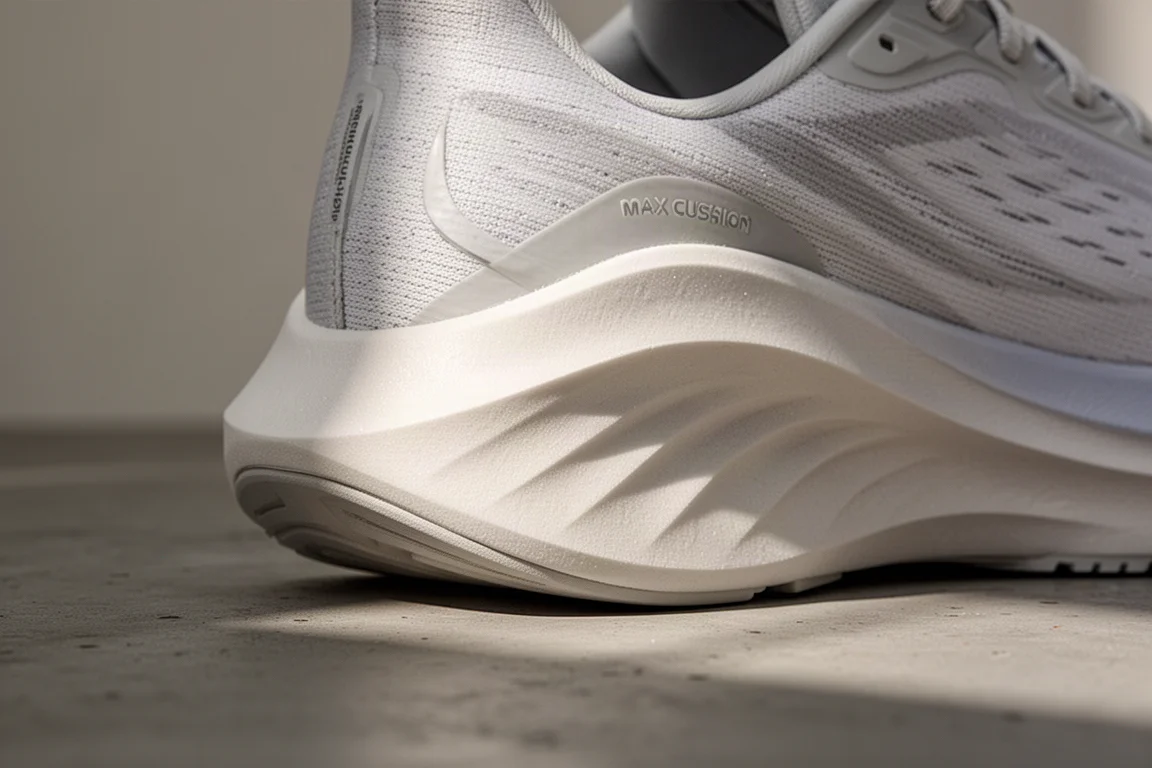
One more practical note: the Vomero Plus eyelet has shown a snapping issue on well-used pairs, while the MagMax 2 routes its lacing directly through the upper. On the flip side, the MagMax 2’s laces run short, so a replacement set is worth budgeting for.
The Nike Vomero Plus: Bouncy, Fun, Aggressive
The Vomero Plus is the shoe for runners who want their max cushion trainer to still feel peppy. Despite a scale weight of roughly 313 grams, the way the foam compresses and rebounds makes it feel far lighter than the stack suggests. It shines in that moderate daily-mile zone, encouraging quicker turnover and rewarding any surge in pace.

It is also the more comfortable shoe of the two, with a better padded tongue and a plusher overall fit. The trade-off is stability: the heel can feel slightly rolly at slower paces, and some runners report feeling that squirrelly heel on long, slow efforts. As a half marathon shoe it is an easy recommendation, and for most runners it doubles as the more versatile single-shoe pick.
The Puma MagMax 2: Protective, Stable, Relaxed
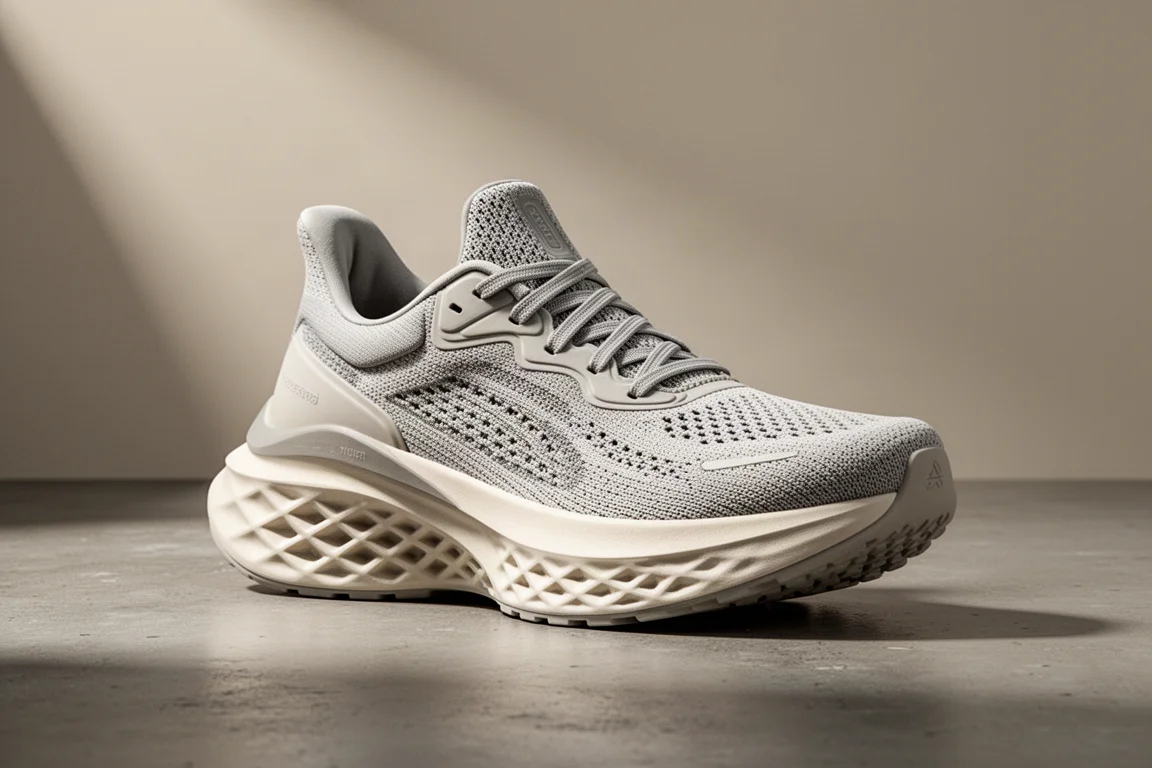
The MagMax 2 leans hard into what made the original great, then takes it further. Puma clarified the purpose of this version: it is a protective, stable, relaxed shoe for long-distance chill mileage. The Nitro foam retains its excellent bounce and protective density, giving the shoe a tank-like, bulletproof quality that made the original a go-to injury prevention shoe for many runners.

That same dense, planted character is also why it can feel harder to turn over. At moderate and faster paces, the flat geometry can produce a stuck-in-the-mud sensation compared to the Vomero Plus. Where it excels is easy days, mileage-building blocks, and recovery runs, especially in a winter block where volume is climbing and the priority is staying healthy rather than moving fast.
Buying Advice: Which One Should You Pick?
If you think in paces, the split is simple: slower paces favor the MagMax 2, faster paces favor the Vomero Plus. Most runners, who spend their time in zone 3 or above, will likely be happier with the Vomero Plus because of its speed capability and versatility. Runners who want a dedicated recovery, injury prevention, or mileage-building shoe should go MagMax 2.
For the marathon, it gets more interesting. The Vomero Plus is the better half marathon option. The MagMax 2’s improved stability could appeal for the marathon, particularly for runners landing on the heel who normally gravitate toward traditional stable trainers, though its flatter heel may not suit everyone over many hours on foot.
The two also work well as a rotation pair, since their strengths barely overlap. If you can only buy one and your training includes any real pace work, the Vomero Plus is the more versatile choice.
Winter Rotation Notes
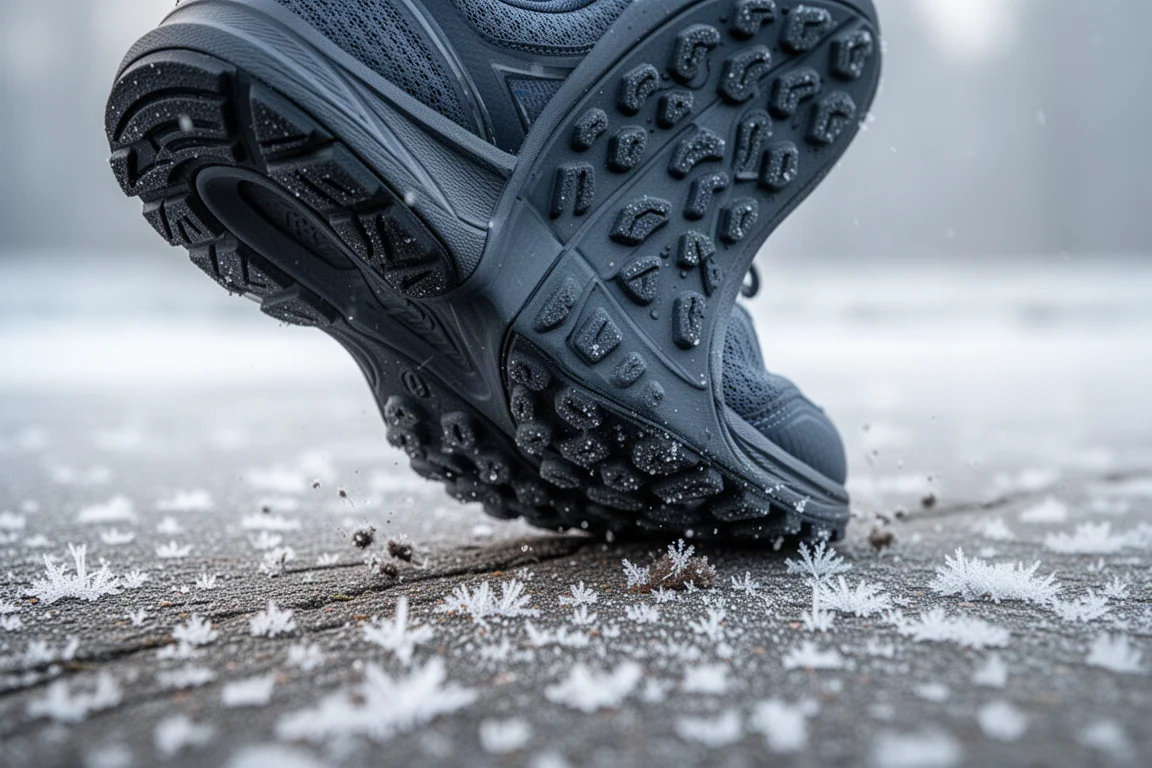
One final consideration for cold-weather runners: the MagMax 2’s outsole rubber is exceptionally durable and grippy, making it the stronger winter pick for snow and wet conditions. That stable, planted platform also happens to pair well with the cautious, relaxed running that icy roads demand, while the Vomero Plus’s lively heel is better saved for clear tarmac.
Conclusion
There are no bad shoes in this comparison, only clearly different use cases. The Nike Vomero Plus is the bouncier, more aggressive and more versatile daily trainer that rewards pace. The Puma MagMax 2 is the more stable, protective and relaxed platform built for easy mileage and injury prevention. Pick based on the paces you actually run, and either one will earn its place in the rotation.
Further reading
Related Reviews

Running Shoes
Best Road-to-Trail Running Shoes: Three Versatile Options for Mixed Terrain
A practical guide to three road-to-trail running shoes that handle both pavement and mild trails, with clear strengths and trade-offs for different runner types.

Running Shoes
Best Running Shoes for Achilles Tendonitis: Three Options Explained
Three running shoes with different heel drops and support features designed to help reduce Achilles tendon pain during walking and running.

Running Shoes
Best Running Shoes for Women: Five Top Choices Ranked
A ranked guide to five women's running shoes, from versatile daily trainers to high-performance racing options, with real strengths and trade-offs for each.