Running Shoes
Puma MagMax 2 Review: A Lighter Take on a Max Cushion Favorite
The MagMax 2 keeps the beloved formula of the original, trimming weight while keeping the grip, protection, and long-run capability that made it iconic.
Introduction
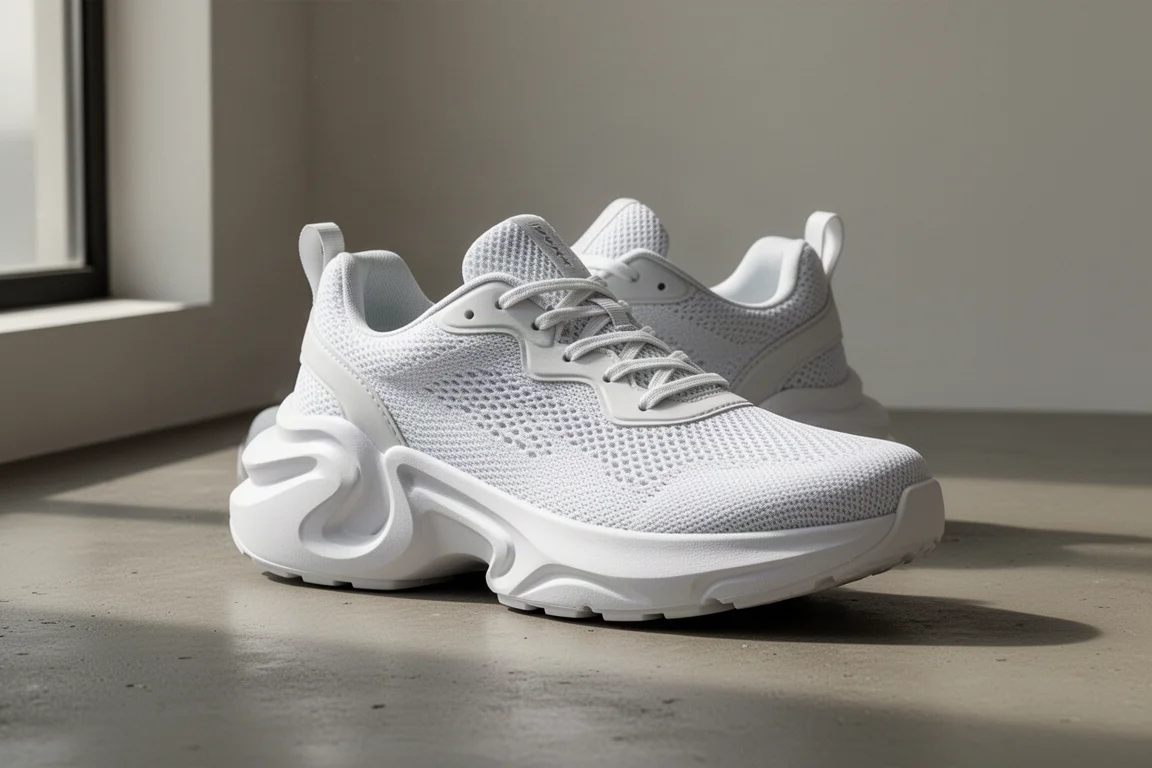
The original Puma MagMax was one of the defining max cushion shoes of its release year, and its sequel arrives with a simple mission: keep what worked and shave off weight. Puma has done exactly that. The MagMax 2 drops roughly 30 grams in the tested size while retaining the thick Nitro foam stack, wide stable base, and the excellent Puma Grip outsole that made the first version such a beloved high-mileage tank.
After a first 10-mile run in cold, wet conditions and an afternoon double, the takeaway is clear: this is not a radical reinvention. It is a cleaner, slightly lighter version of a shoe that already had a winning formula.
Who This Product Is For
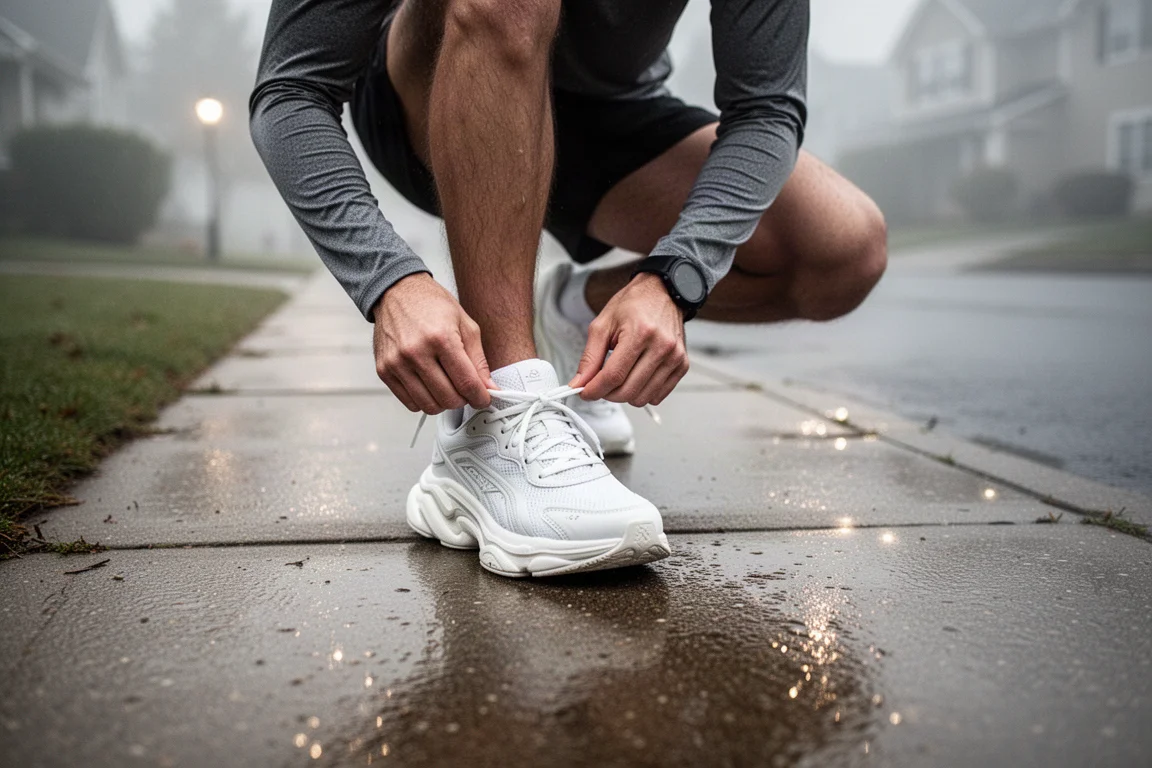
The MagMax 2 is built for runners who want maximum comfort and protection over long distances. It suits marathon and half marathon training, easy recovery days, relaxed long runs, and anyone racking up high weekly mileage who wants a shoe that absorbs impact and keeps legs fresher. Runners who land on their heel or midfoot will feel especially at home here.
If your running is mostly shorter and faster, this is probably not your shoe. A lighter, more nimble daily trainer will serve you better for quick sessions and stride work.
What Made the Original MagMax Special
The first MagMax earned its reputation on four qualities: bounce, comfort, protection, and the ability to swallow long miles. The original stacked a large volume of bouncy Nitro foam on a wide base, wrapped the foam up around the sidewalls to cradle the foot, and paired it with Puma Grip rubber that performed well in rain and slick conditions. It needed a few dozen miles to break in and open up, but once it did, it handled three-hour long runs and repeated 20-mile days with ease.
It also held up remarkably well over time, with well over 200 miles on the outsole still leaving a thick layer of rubber in the rearfoot.
Design and Updates
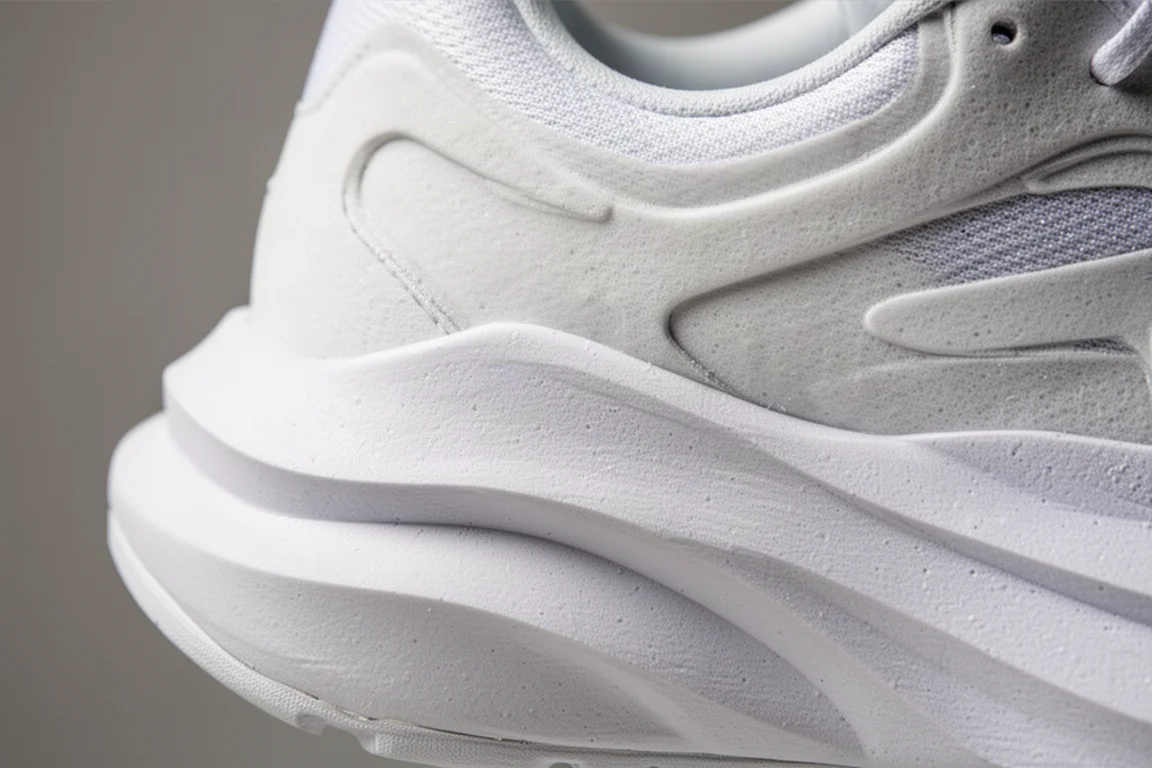
The updates here are minor and mostly mechanical. Puma removed about 15 grams per shoe compared with the original, landing near 300 grams in larger sizes and roughly 285 to 290 grams in tested pairs, down from about 315 grams. The stack remains huge, with a claimed 46 mm in the heel and measurements in the mid-40s fresh out of the box.
The foam wrap around the sidewalls has been reduced and sculpted, which trims some of the original’s bottom-heavy bulk. The upper is very similar to the original with a roomy toe box and a wide, secure base, and the padding at the heel and tongue carries over. Despite reports that the new foam is softer, the step-in feel reads only marginally softer than the original, and the shoe will likely need break-in miles for the bounce to fully open up. One small annoyance: some sizes come with noticeably short laces that make using the top eyelet difficult.
Fit and Feel
The fit is true to size with generous room in the toe box, and the persistent idea that Puma running shoes are all narrow does not apply here. This is a wide, roomy, secure platform. The ride encourages a flatter, more rearfoot-leaning landing rather than pulling you up onto your forefoot, which is exactly what many max cushion fans want from a recovery or long-run shoe.
The trade-off is size on foot. This is still a big, voluminous shoe that feels its largest at slower efforts, and it is not a natural choice for strides or fast turnover.
How It Runs

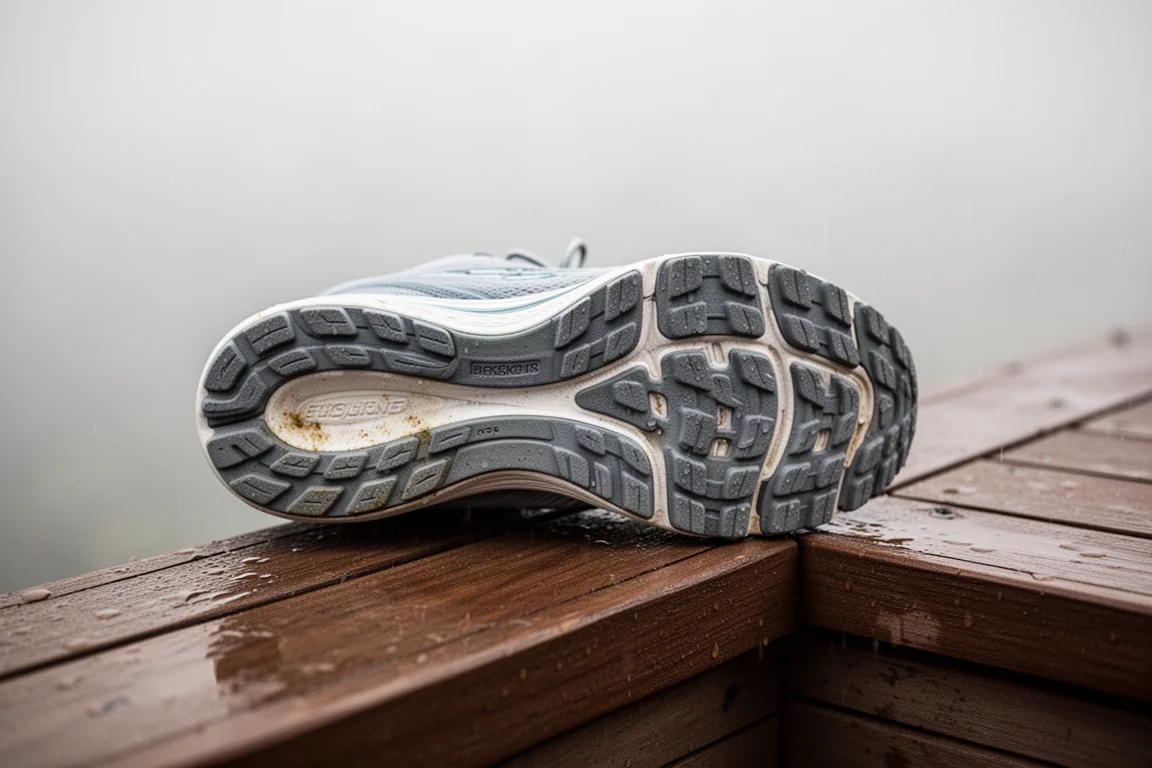
On the road, the MagMax 2 feels nearly identical to the original. The platform is protective to an almost unreasonable degree, soaking up impact on long efforts, and the shoe settles into a smooth rhythm once you get 30 or so minutes in. The Puma Grip outsole is a genuine asset in wet, cold, sloppy conditions, inspiring confidence where many midsoles feel sketchy.
It is not a speed shoe. At quicker paces it feels like a lot of shoe, and lighter, bouncier trainers handle uptempo work better. But for easy miles, recovery runs, and long weekend efforts, it does the job about as well as anything on the market.
Buying Advice
At $180, the MagMax 2 is priced identically to its closest rivals and did not go up despite the weight cut. If you have never owned a MagMax and want to save money, the original remains available at a meaningful discount and is close enough in feel that most runners should grab it first. If you want the latest version or you loved the original and want a lighter copy of it, the MagMax 2 is an easy thumbs up.
Conclusion
The MagMax 2 is a refined evolution, not a reinvention. It keeps the protection, stability, grip, and long-run capability that made the original iconic while shedding real weight. Runners who liked the first MagMax will like this one, and runners who found the original too big and firm will feel the same way here. For winter base building and high-mileage blocks, it remains one of the best choices in the max cushion category.
Product link
View more details for Puma MagMax 2
This product is mentioned in the review. Check the specifications, options, and compatibility before buying.
View more details for Puma MagMax 2Further reading
Related Reviews

Running Shoes
Best Road-to-Trail Running Shoes: Three Versatile Options for Mixed Terrain
A practical guide to three road-to-trail running shoes that handle both pavement and mild trails, with clear strengths and trade-offs for different runner types.

Running Shoes
Best Running Shoes for Achilles Tendonitis: Three Options Explained
Three running shoes with different heel drops and support features designed to help reduce Achilles tendon pain during walking and running.

Running Shoes
Best Running Shoes for Women: Five Top Choices Ranked
A ranked guide to five women's running shoes, from versatile daily trainers to high-performance racing options, with real strengths and trade-offs for each.