Running Shoes
Puma Mag Max 2 Review: A Dedicated Recovery Day Tank
After a 100-lap hill event left my legs demolished, the Puma Mag Max 2 proved exactly what kind of shoe it wants to be: a protective, relaxed-pace recovery tool.
Introduction
Some shoes win you over on the first fast workout. The Puma Mag Max 2 takes a different path: it earns its place on the days when everything else hurts. The original Mag Max was one of the most dependable recovery shoes around, and the second version has sparked debate because it shifted focus rather than simply iterating. After putting in a genuinely slow recovery run on wrecked legs, the intent behind this shoe finally makes sense.
The context matters here. After a brutal self-made hill event with around 3,000 feet of elevation gain and an equally punishing 3,000 feet of descent, my quads were demolished. Walking was painful, turnover was gone, and the pace was firmly in the 8-to-9-minute-mile range. That is precisely the use case this shoe is built for, and on that front, it delivered.
First Impressions and Specs
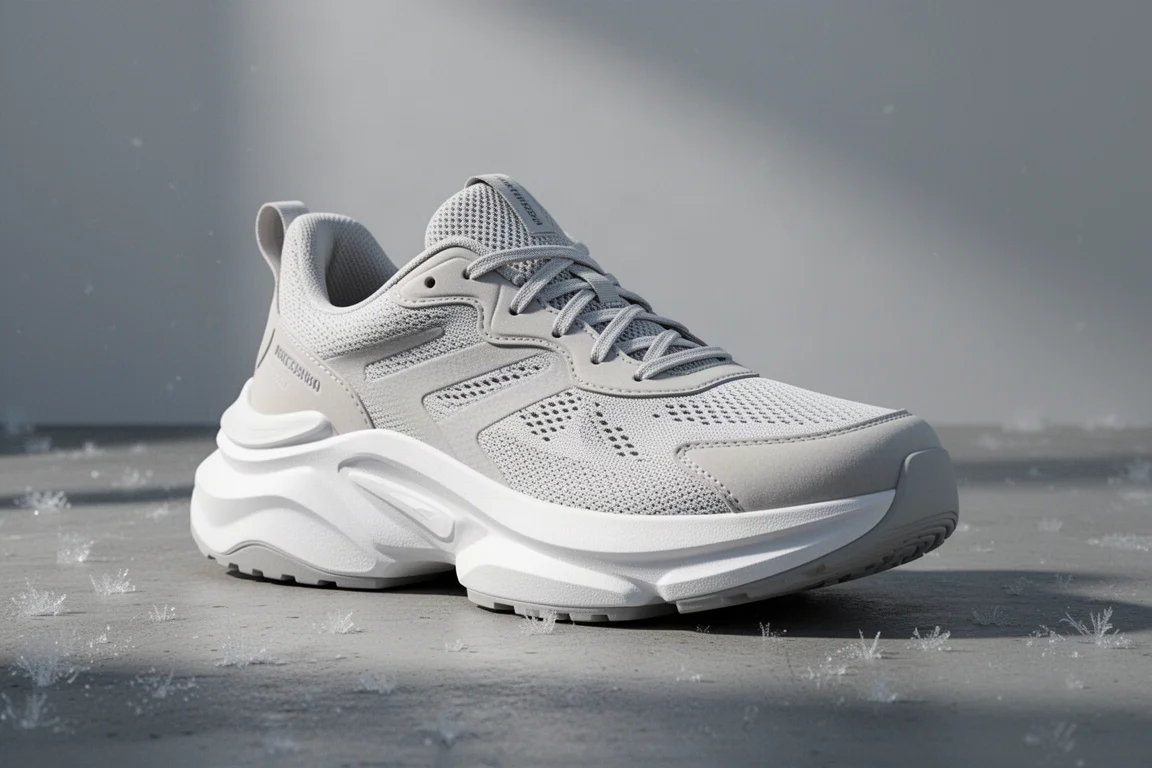
Out of the box, the Mag Max 2 is a good-looking shoe that feels lightweight for how much foam is underfoot. The updates are all comfort and stability oriented: the toe box has been widened again, a stretchy tongue improves the fit, and the heel has been chopped down to reduce overhang while keeping a nice wide base at the back. One quirk: the laces run oddly short. On a size 10.5, they feel more like size-nine laces.

The midsole is 100% Nitro foam, a bouncy supercritical compound that has not felt overly soft in testing. Grip coverage from Puma is solid. One notable weight-saving detail: the rubber no longer extends all the way back on the outsole, a small deletion that helped make this generation noticeably lighter. The result is a lighter shoe with the same foam, just shaved down a bit, and a roomier upper for wider feet.
How It Feels on Truly Slow Miles
This is where the shoe shines. On a recovery run with sore quads, the Mag Max 2 felt super sturdy, reliable, and protective, exactly the injury-prevention character the original was loved for. The geometry is flatter than the first version, with less of a midfoot bump and a less aggressive heel bevel, so heel striking and landing far back on the shoe feel natural and stable. Some comparisons in this class have a more aggressive ramp that can add quad stress; this one feels flatter and more relaxed, almost like the shoe does the work for you.
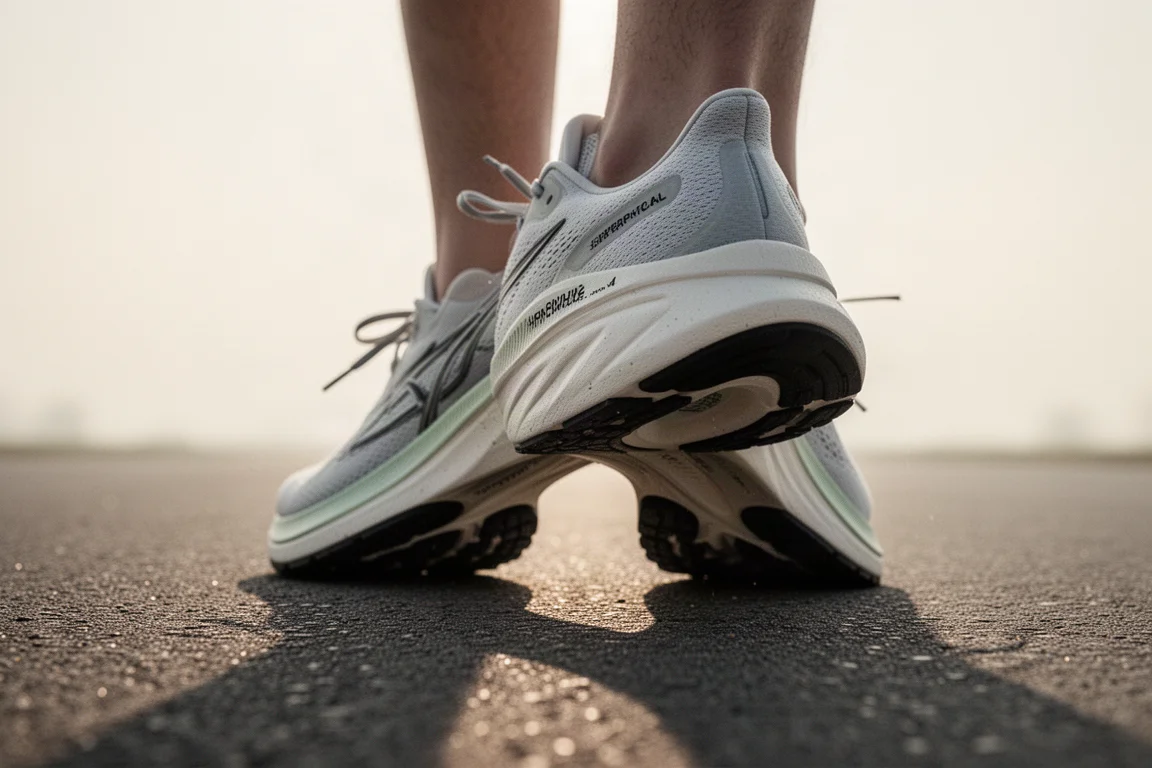
The foam strikes a genuine balance of bounce and protection. There is just enough gentle bounce to keep you moving, but it never forces a faster rhythm, and it never feels like a dead thud the way firmer shoes can at slow paces. At 8:40-something pace, it was simply effortless: comfortable, quiet, and easy to turnover, partly thanks to the weight reduction coming in around 280 g in a men’s size 10.5. The heel security combined with the wide front almost evokes an ultra or Topo-style fit in how planted it feels.
Where It Falls Short
This is not a versatile daily trainer anymore. Above roughly 7:50 pace, the shoe stops making sense for my stride, and it is clearly not the pick for strides, fartlek, or fast days. If your rotation needs one do-it-all max cushion shoe for daily miles in the 7s, there are stronger options with more aggressive geometry.
There is also a perception problem worth addressing: slower does not mean worse. This generation was changed, and different is not bad. Judged in a vacuum, purely on relaxed miles, it is excellent. Judged against faster daily trainers at daily paces, it will lose. Know which comparison actually matters for your running.
Who This Shoe Is Really For
The widened toe box deserves a mention for anyone who values room to spare, especially in winter with thicker warm socks. Combined with the stability and protection, this is a shoe you can stack serious time on feet in with a low risk of pushing too hard. It is a risk-reduction shoe: something trustworthy for the days when a nagging nick appears and you still want to test the legs, or when building big mileage toward a training peak.

Anyone building a rotation should consider keeping one pure recovery shoe like this in it. On days when the legs are absolutely trashed, nothing else in the max cushion category felt as appropriate. High-volume runners who want to protect themselves while chipping away at mileage goals will get the most out of it.
Buying Advice
The right way to think about the Mag Max 2 is simple: it is a recovery day banger, not a super trainer. If you regularly run truly slow miles, want maximum protection on deep-soreness days, or need a confidence-inspiring mileage builder, this shoe is dialed for exactly that.
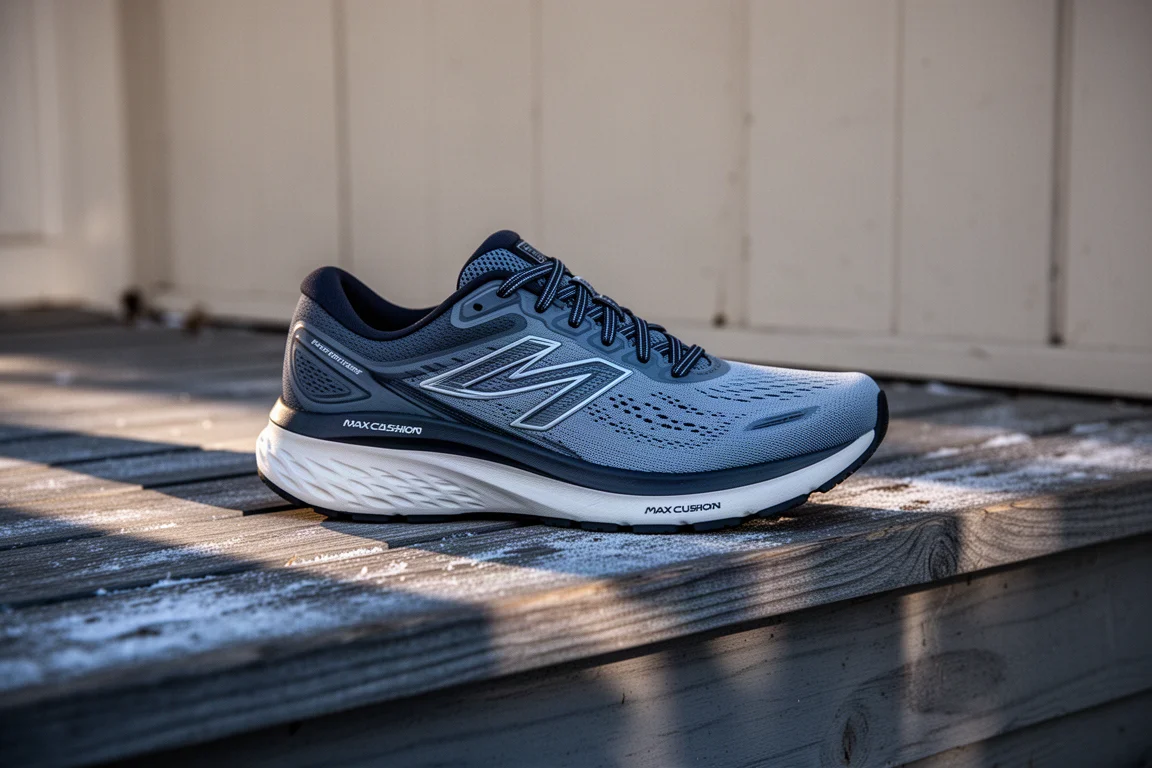
If your slow pace is faster than about 7:50 per mile, or you want one shoe covering everything from recovery to tempo, look elsewhere in the max cushion category with more aggressive geometry. But if pure recovery and mileage stacking are the goal, there is very little to criticize here.
Conclusion
The Puma Mag Max 2 did not lose the magic of the original; it narrowed it. It trades versatility for a flatter, wider, more protective platform that makes slow, beat-up miles feel genuinely good. For the right use case, deep recovery runs, injury-prevention days, and relaxed mileage building, it is about as close to perfect as a max cushion shoe gets.
Product link
View more details for Puma Mag Max 2
This product is mentioned in the review. Check the specifications, options, and compatibility before buying.
View more details for Puma Mag Max 2Further reading
Related Reviews

Running Shoes
Best Road-to-Trail Running Shoes: Three Versatile Options for Mixed Terrain
A practical guide to three road-to-trail running shoes that handle both pavement and mild trails, with clear strengths and trade-offs for different runner types.

Running Shoes
Best Running Shoes for Achilles Tendonitis: Three Options Explained
Three running shoes with different heel drops and support features designed to help reduce Achilles tendon pain during walking and running.

Running Shoes
Best Running Shoes for Women: Five Top Choices Ranked
A ranked guide to five women's running shoes, from versatile daily trainers to high-performance racing options, with real strengths and trade-offs for each.