Running Shoes
Puma Liberate Nitro 2 Review: A Lean, Fast Shoe for Speed Days
The Puma Liberate Nitro 2 is a lightweight trainer and racer built around firm Nitro foam and PumaGrip rubber. Here is how it performs, who it suits, and how it stacks up against the Saucony Kinvara 14.
Introduction
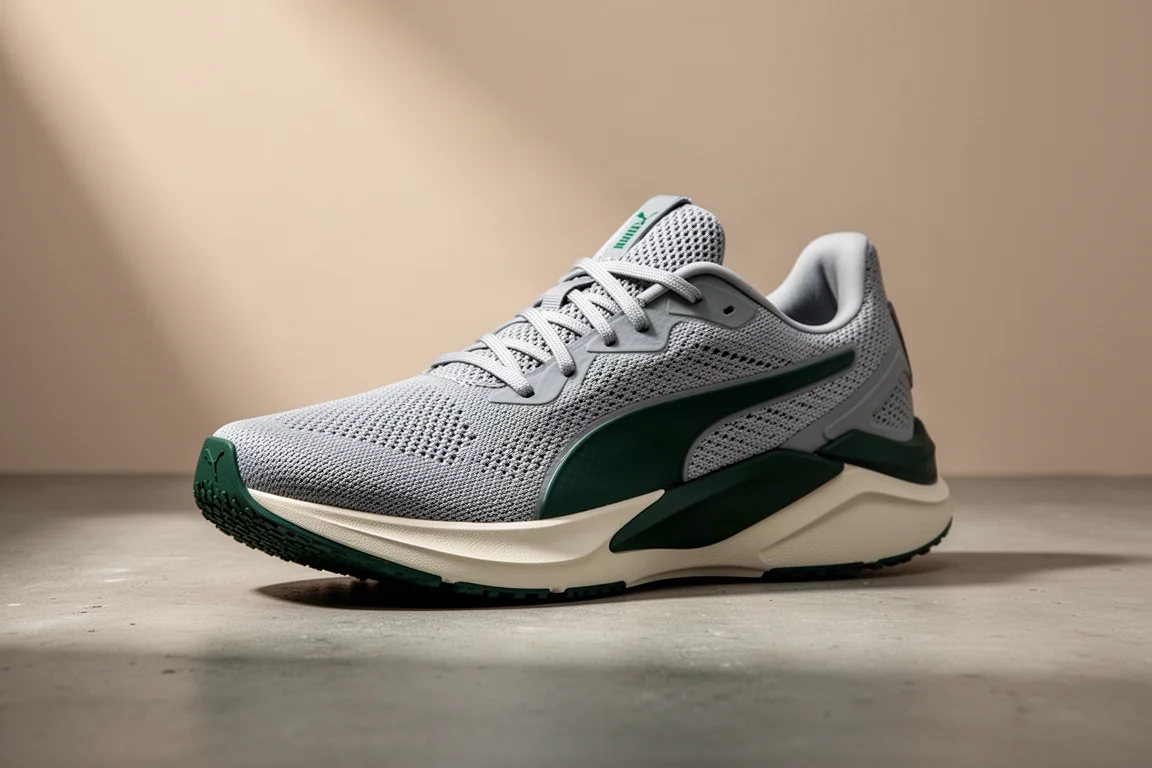
The Puma Liberate Nitro 2 is a lightweight shoe designed for shorter, faster sessions and racing. It costs £105 or $120, weighs 203 g (7.1 oz) for men in a US size 8, and has a 6 mm drop. The recipe is deliberately lean: a thin mono mesh upper, an updated nitrogen-injected Nitro foam midsole that is firmer than the first version, and PumaGrip rubber on the outsole. Reflective elements add visibility for night running.
The idea behind the shoe is simple. Strip out excess padding and features, keep the weight down, and deliver a responsive ride with just enough cushioning for speed work. After around 50 km of testing across easy runs, track sessions, intervals, and a parkrun, that concept holds up well, with a few clear limits to understand before buying.
Who This Shoe Is For
This is not a shoe for everyone, and Puma does not pretend otherwise. It is aimed at runners who want a fast, nimble shoe for shorter training runs at speed and for racing up to around 10k. It is also a strong pick for runners who like to race in carbon plate shoes but prefer not to use them for training sessions, which is a common approach these days.
If you are newer to running, or you want a well-cushioned daily trainer, this is probably not the right shoe. It is minimal by design, and you can really feel the ground underfoot. That suits a certain type of runner very well, but it is an advanced kind of feel rather than a forgiving one.
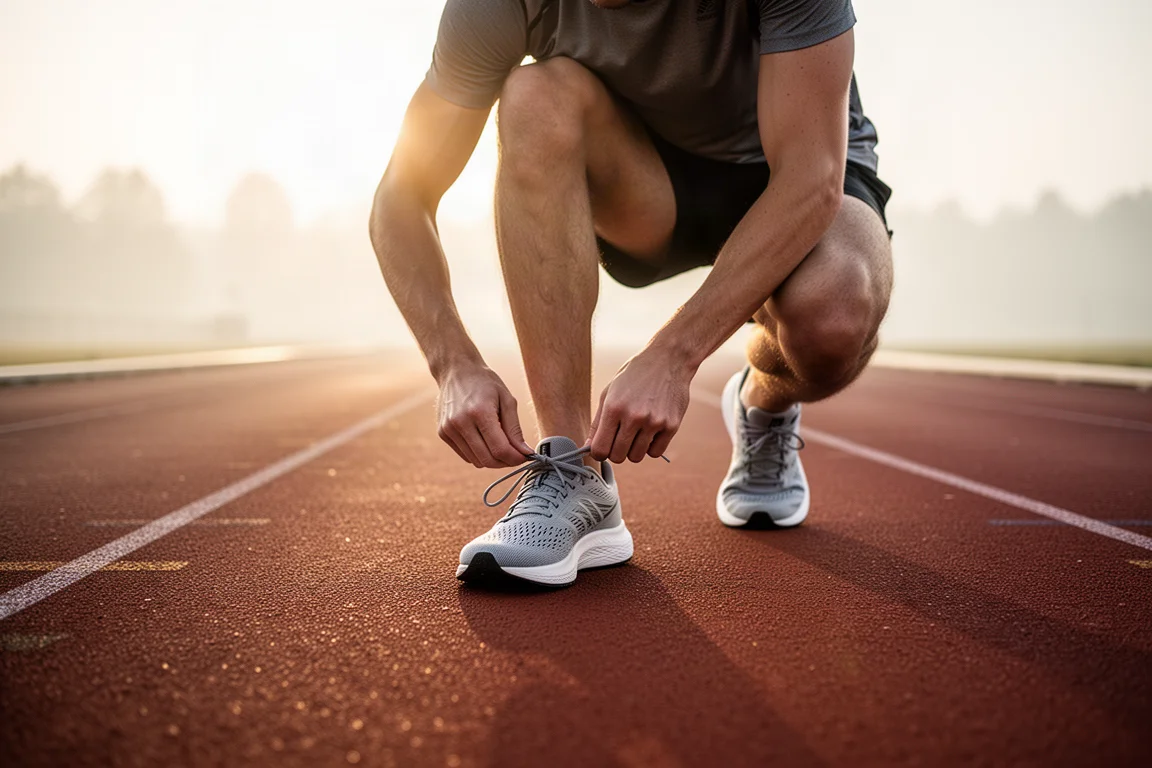
Fit is true to size in the tested size 8, with plenty of room in the toe box. The midfoot section runs narrower than some other shoes in the Puma lineup, so runners with wider feet should take note. For average-width feet, the lean upper straps the foot in nicely without any discomfort.
Main Strengths
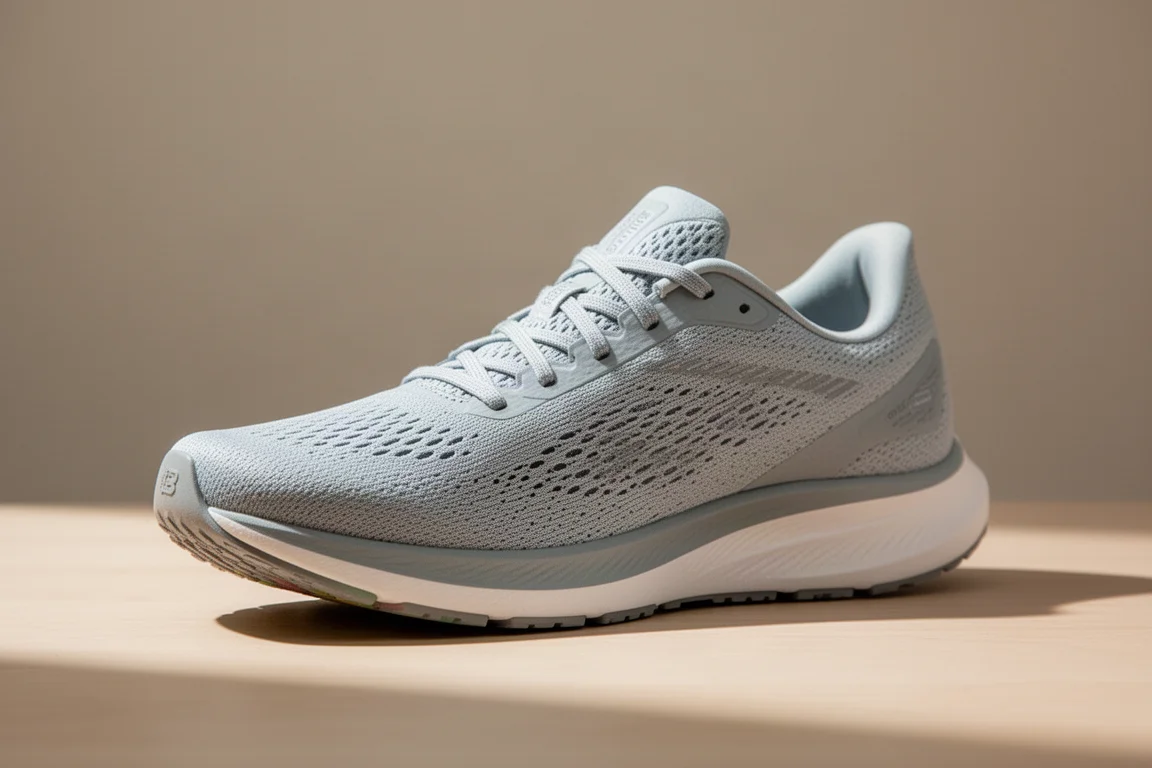
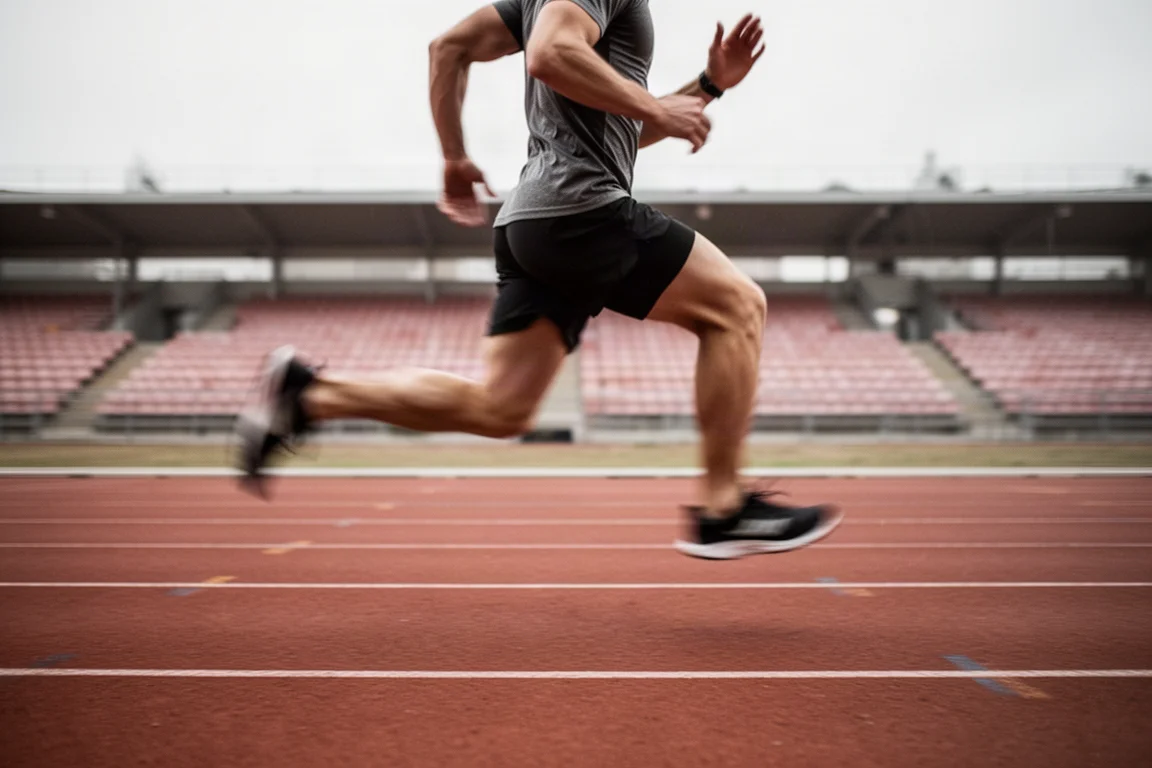
The headline strength is pace. On the track, the Liberate Nitro 2 is fantastic, with lovely pickup and a light, poppy feel that makes it easy to lift the tempo. For intervals and parkruns it is equally at home, and during the slower recoveries between repeats it stays comfortable enough that you are not counting the seconds until you can change shoes.
Despite the lean build, the cushioning is a pleasant surprise. The Nitro foam midsole offers more comfort than you would expect from a shoe this minimal, concentrated mainly in the back of the shoe. The 6 mm drop also goes unnoticed on the run; it feels even more minimal than the numbers suggest. There is a slight increase in midsole cushioning over the first version, aimed at improving comfort and energy return, and it shows.
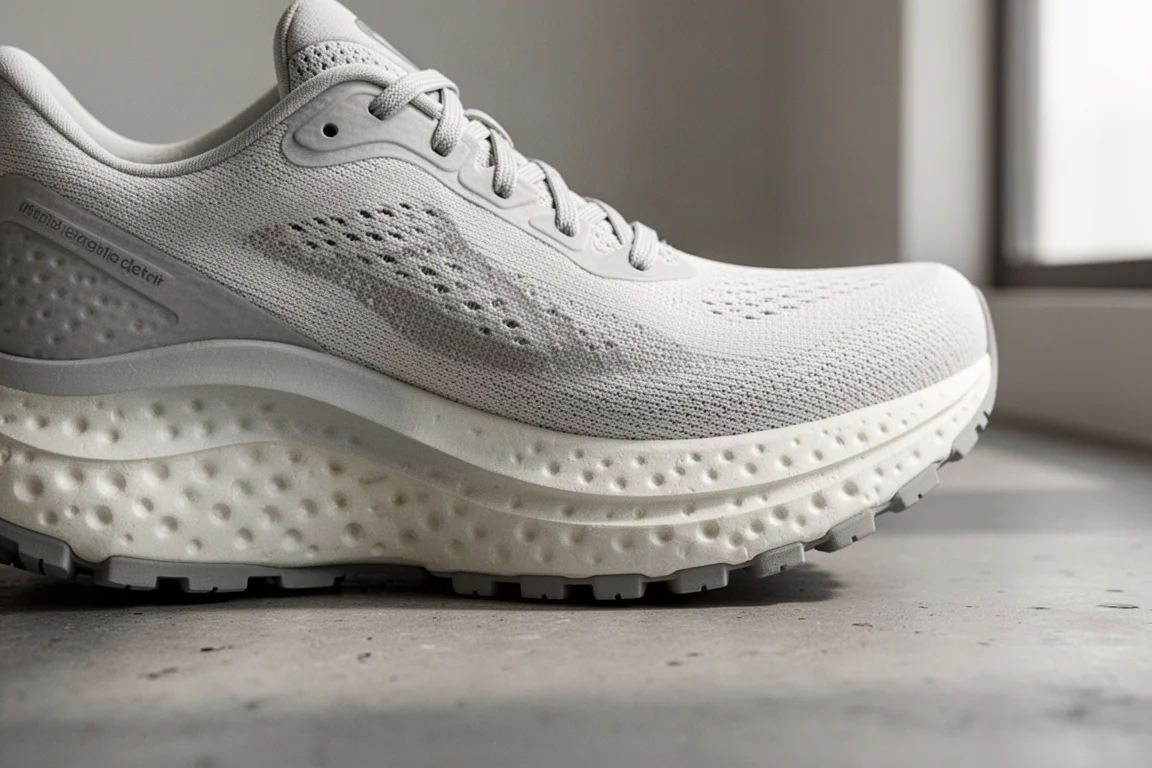
The upper deserves real credit too. Puma cleared out unnecessary fabrics and padding to hit the low weight, yet the shoe never feels harsh. There is just enough padding around the ankle collar and tongue, plus Power Tape for structure, so the upper holds the foot securely without pressure points.
The outsole is one of the leaner PumaGrip applications in the range, but there is still a lot of rubber on such a light shoe. It grips confidently through corners and tight turnarounds, which makes it excellent for interval work and back-and-forth track sessions. Durability and traction both feel formidable for the weight class.
Things to Consider Before Buying
The main limit is distance. This is a shoe best kept under roughly 15k. Beyond that, the cushioning runs out and the ride stops being comfortable for most runners. Easy runs at around 5 minutes per kilometre are fine, but it is not built for daily training, long runs, or big warm-up-and-cool-down interval sessions that stretch past 16 or 17k.
Wide-footed runners should also try before buying, because the midfoot is narrower than several other Puma models. And if you are a newer runner who has not yet decided whether you like minimal shoes, this is probably a step too advanced. It is best chosen by people who already know they enjoy a low, connected, ground-feel ride.
How It Compares: Saucony Kinvara 14
The most natural alternative is the Saucony Kinvara 14, which tries to do a similar job: flexible, lightweight, and aimed at fast training and racing. The Kinvara 14 feels a little more cushioned, but the Liberate Nitro 2 comes across as the more solid, more comfortable, and better-quality shoe, with a bit more pace in it.
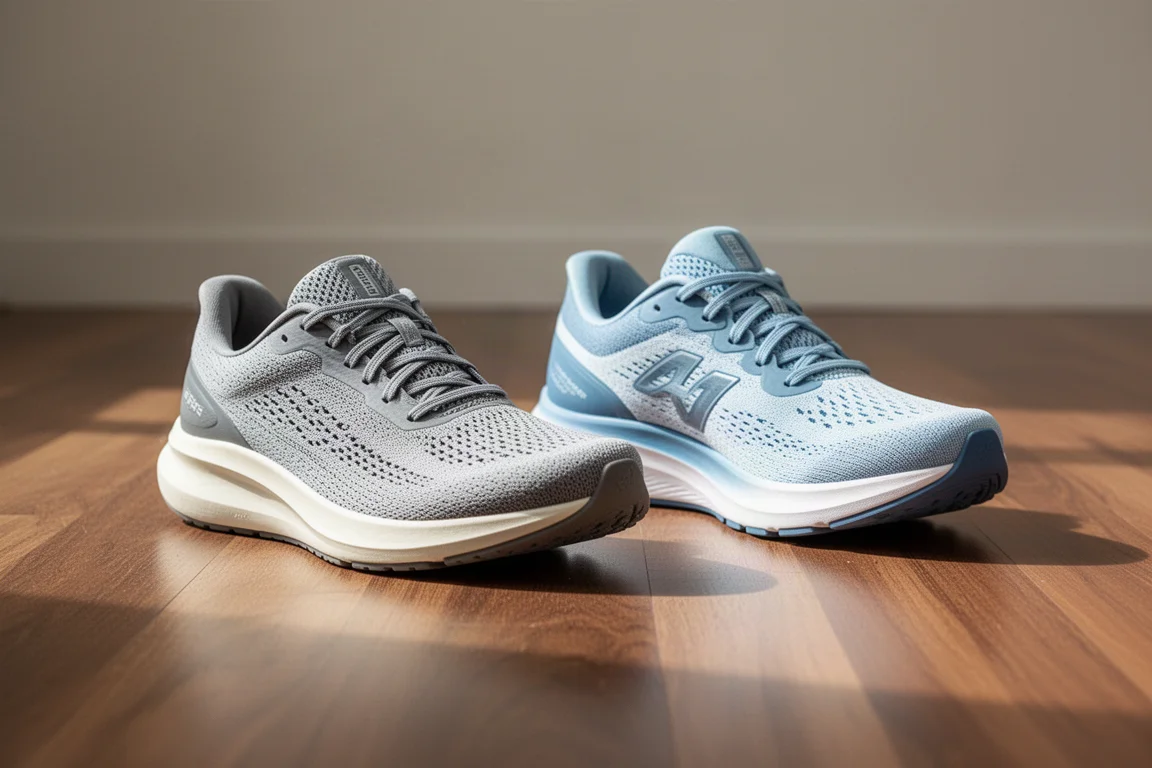
Between the two, the Puma is the stronger pick for most speed-focused runners. Both sit in a similar lightweight niche, but the Liberate Nitro 2 simply feels like there is more to it.
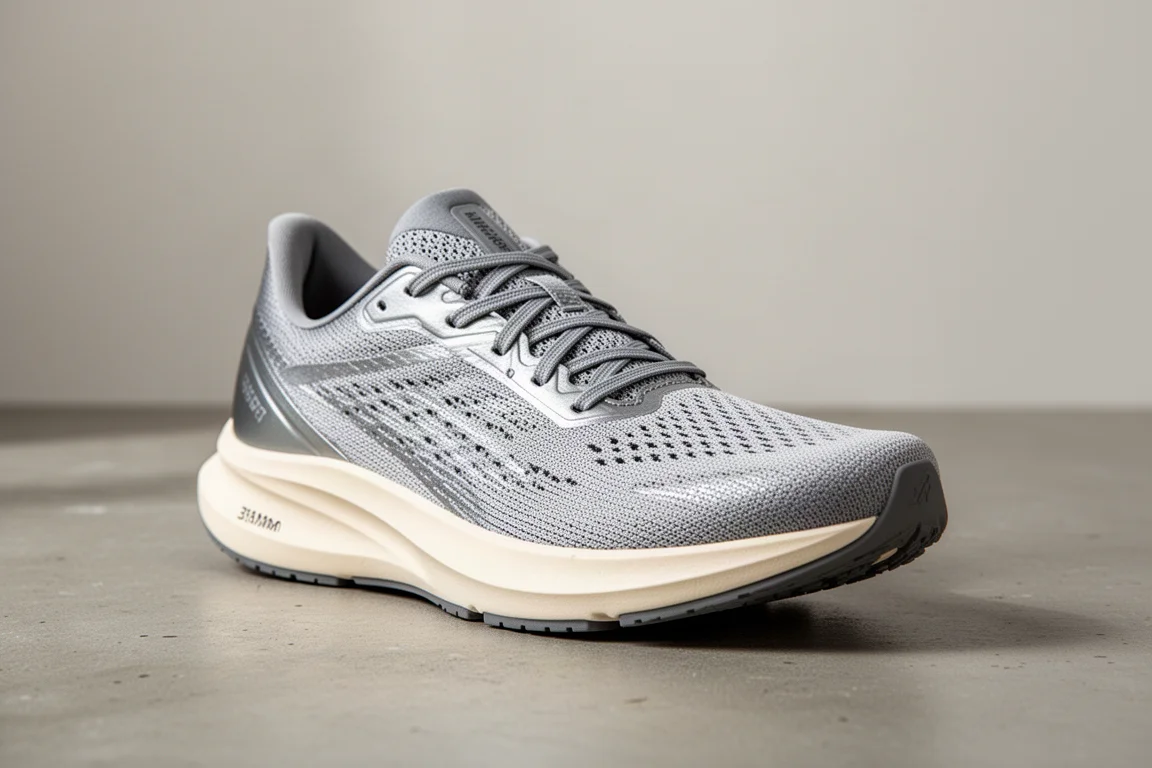
If you are willing to spend more, plated super shoes such as the Puma Fast-R or Deviate style options sit in a different bracket. The Liberate Nitro 2 is far cheaper than those and much more flexible, which is exactly the point: it gives you a genuine speed-day shoe without the cost or the plate.
Buying Advice
Buy the Liberate Nitro 2 if you want a lightweight fast trainer or racer, you enjoy old-school lightweight racing shoes rather than modern plated ones, or you need a dedicated speed-day shoe to spare your carbon racers. It suits 5k and 10k racing, track sessions, and interval work, and it is versatile enough for easy running up to a point.
Skip it if you need a daily trainer, regularly run long, prefer plush cushioning, or have wider feet. As part of a rotation, it earns its place mainly for track and speed work, and the modest price makes that an easy case to justify.
Conclusion
The Puma Liberate Nitro 2 does exactly what it sets out to do. It is lean, light, and quick, with better cushioning than its minimal build suggests and the excellent PumaGrip outsole rounding things off. Know its limits, keep it for the short and fast stuff, and it is a very easy shoe to like.
Further reading
Related Reviews

Running Shoes
Best Road-to-Trail Running Shoes: Three Versatile Options for Mixed Terrain
A practical guide to three road-to-trail running shoes that handle both pavement and mild trails, with clear strengths and trade-offs for different runner types.

Running Shoes
Best Running Shoes for Achilles Tendonitis: Three Options Explained
Three running shoes with different heel drops and support features designed to help reduce Achilles tendon pain during walking and running.

Running Shoes
Best Running Shoes for Women: Five Top Choices Ranked
A ranked guide to five women's running shoes, from versatile daily trainers to high-performance racing options, with real strengths and trade-offs for each.