Running Shoes
Puma ForeverRun Nitro 2 vs ForeverRun Nitro: Should You Upgrade?
A side-by-side look at Puma's two guidance shoes: the original ForeverRun Nitro and the far smoother, more complete ForeverRun Nitro 2.
Introduction
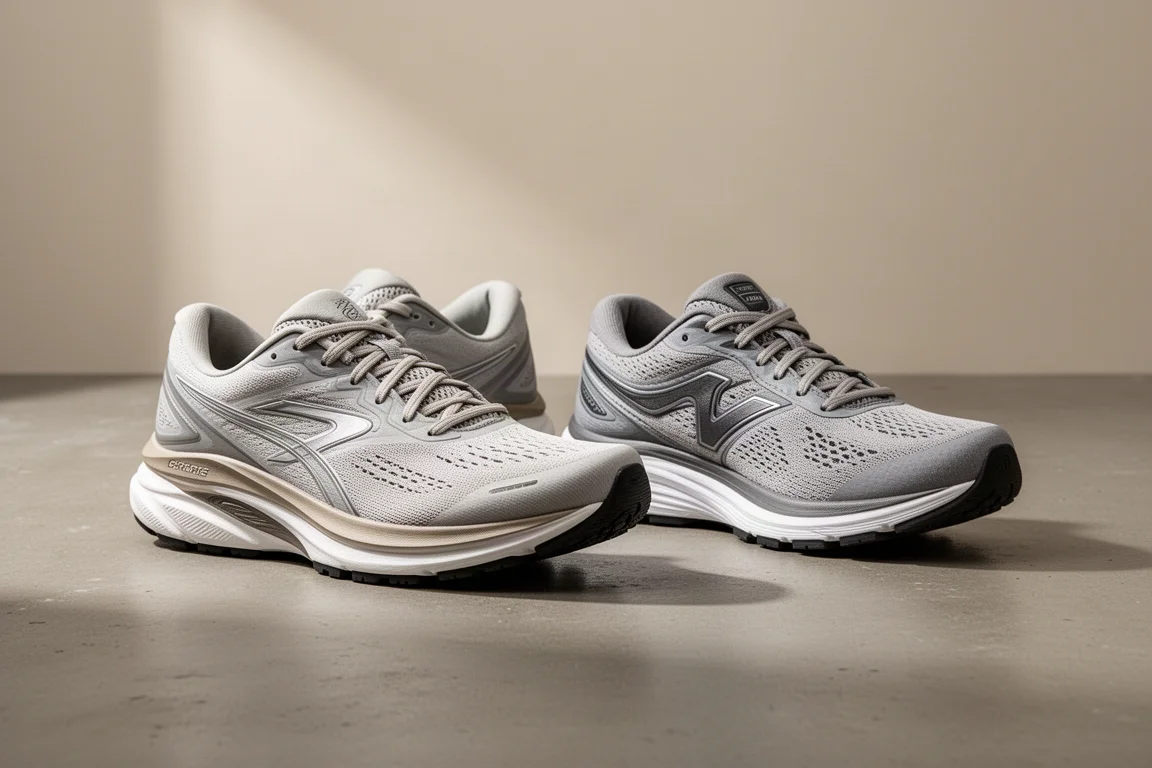
Puma’s ForeverRun Nitro line sits in the brand’s stability lineup, though “guidance shoe” is probably the better way to describe both versions. The original ForeverRun Nitro had promise, but it behaved more like a neutral shoe with slightly stable elements, and a clunky heel kept it from delivering. The ForeverRun Nitro 2 is a completely different shoe: smoother, more centered, and a genuine full-length guidance shoe. This comparison breaks down what changed and which version makes sense for your running.
Specs Side by Side
Both shoes keep a 10 mm drop, but the stacks differ. The original comes in at 36 mm in the heel and 26 mm in the forefoot, while the Nitro 2 adds 2 mm to both for 38 mm heel and 28 mm forefoot. Weight also goes up: the original measured about 290 g (10.2 oz) in men’s size 10, and the Nitro 2 comes in around 310 g (11 oz) in the same size. Part of that weight gain comes from a thicker, more substantial upper and the filled-in midfoot, which turns out to be worth the trade.
Ride and Stability
The original ForeverRun Nitro had Nitro foam with a bit of bounce, good for easy miles but never fast. The bigger issue was the heel: very little bevel, stiff, and clunky enough to get in the way of the ride. The forefoot was a bit better, and there was an interesting 1 mm medial lift acting as a wedge for mild forefoot stability, but the heel let the whole shoe down.
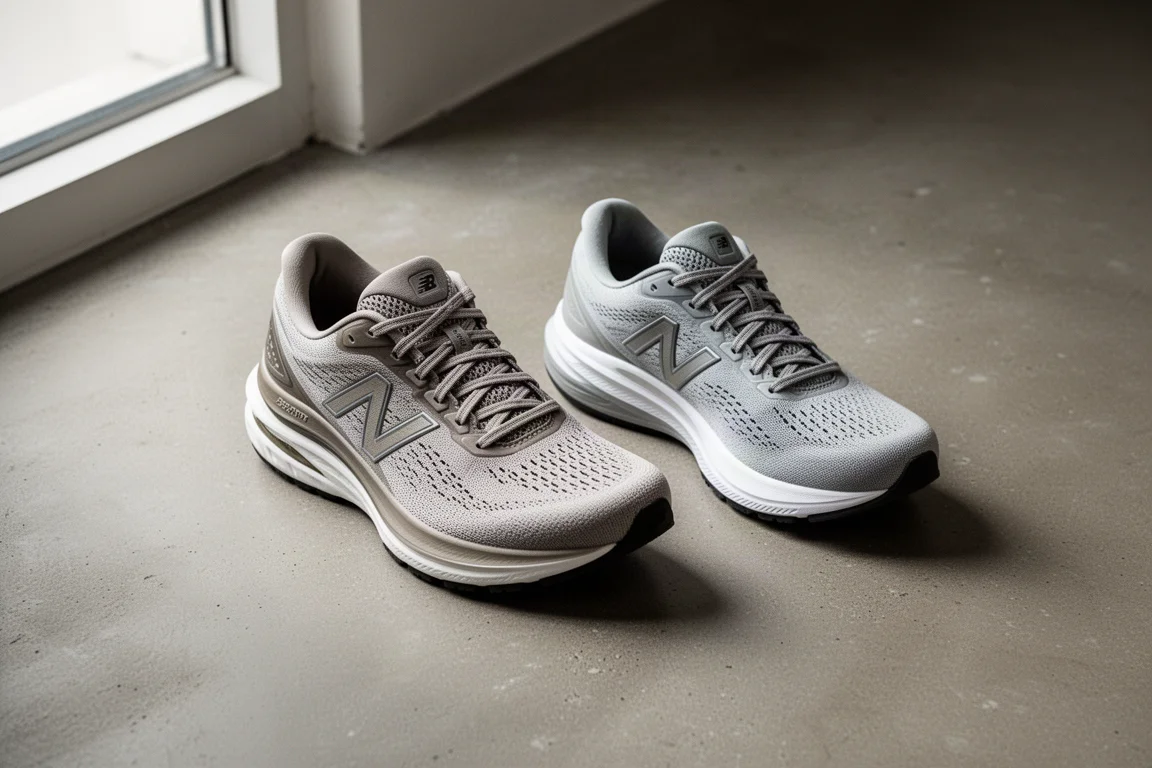
The Nitro 2 fixes this. It has a nicely sculpted heel bubble, transitions so well it does not feel like a 10 mm drop shoe, and despite the extra weight, the foam has good bounce without feeling unstable. It is not a fast workout shoe, but for easy runs, long runs, and slight uptempo efforts with fartlek or pickups, it is excellent at getting into a rhythm.
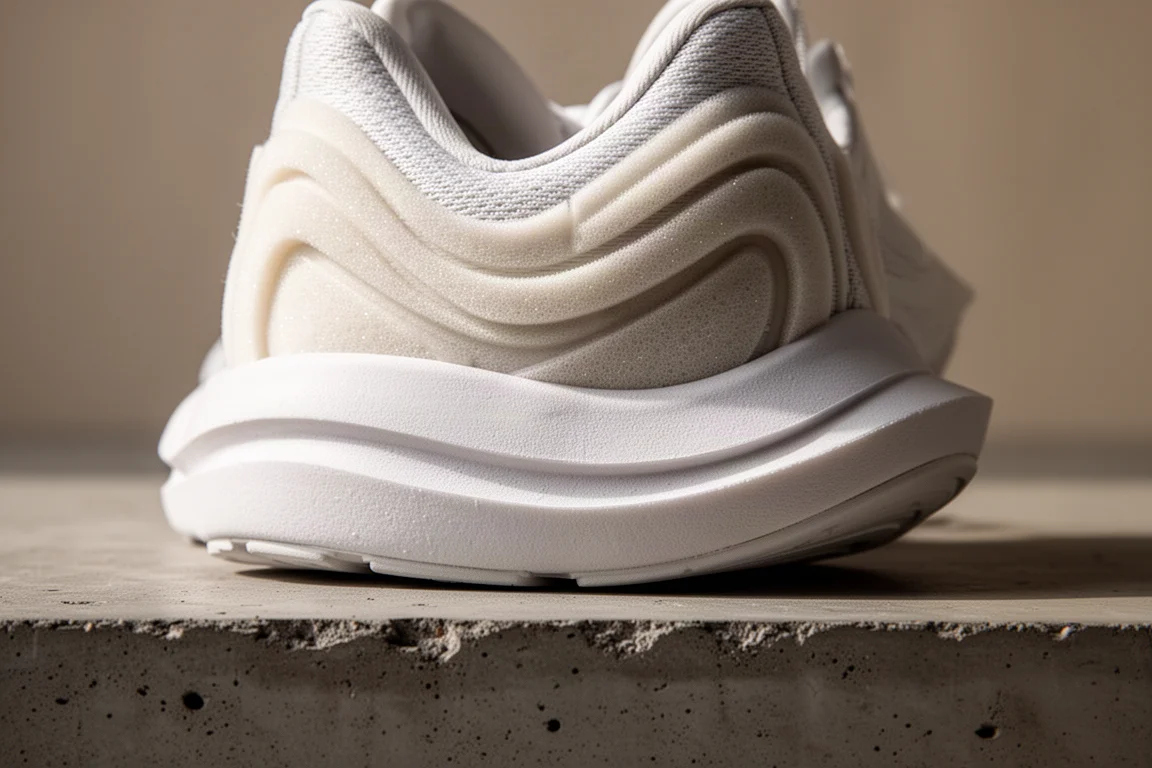
Stability is where the update really shines. The sidewalls and external heel clip remain, and the new version extends guidance from the heel all the way to the forefoot. The midfoot is now filled in with extra outsole, which also adds a mild lateral bias. The midfoot uses a softer central foam layer surrounded by firmer outer foam, creating a centralized guide on both medial and lateral sides no matter where you land or load. It is noticeably stable without being aggressive: the definition of a guidance shoe rather than an in-your-face stability shoe.

There was some initial arch pressure during the first runs, but within a mile it adapted and felt solid. Mild to moderate stability runners who want to feel centered should do well here.
Upper and Fit
The upper is where some of the added weight comes from. The original had a fairly thin upper with a padded tongue, but the volume ran slightly low and the heel was hard to lock down. Heel slip was a problem on every run. The Nitro 2 upper is much better: a little wider in the forefoot with room for toes, snug in the midfoot, and very secure in the heel with plenty of padding around a decently stiff heel counter. Go true to size and let it break in; do not size up unless you have a really high-volume foot.
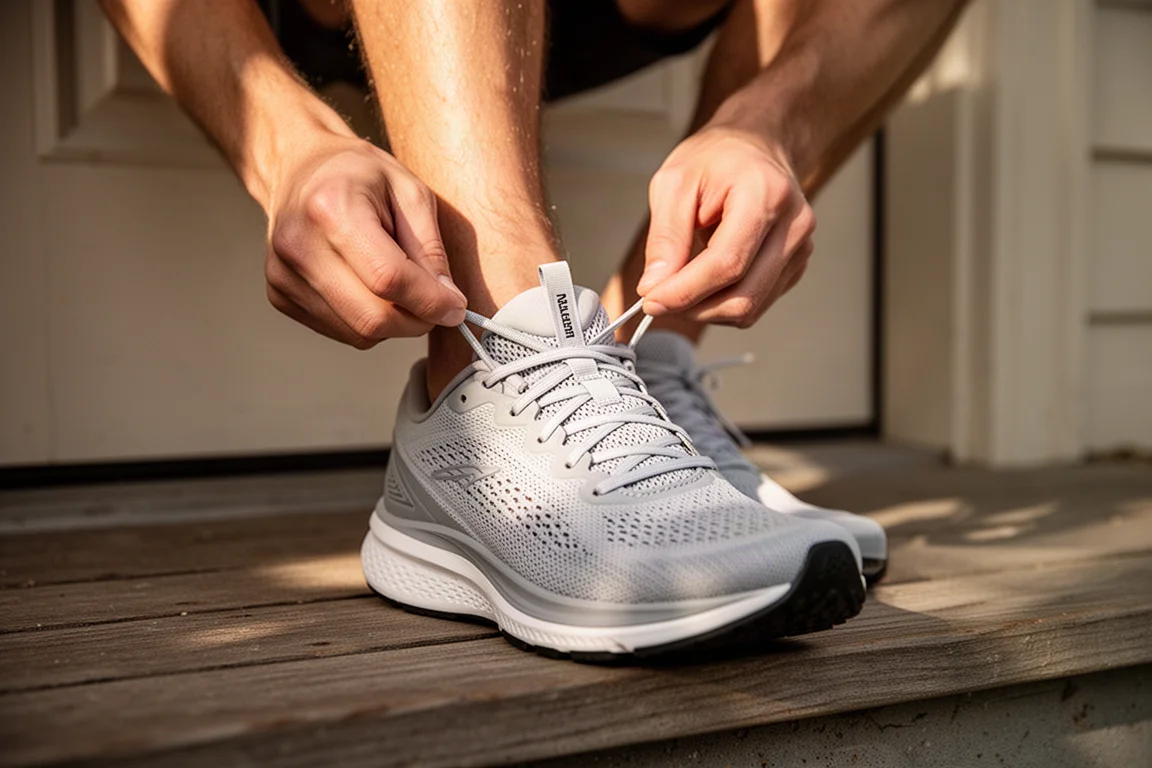
One caveat: the tongue is thin, so tightening the laces can produce some lace bite across the top of the foot. It takes a bit of adjustment to get the fit optimized, and it still pinches slightly for sensitive feet.
Should You Upgrade?
If you already own the original and only need really mild guidance, like the forefoot-weighted feel, or do not mind a clunky heel, the first version can still work for some runners. For everyone else, the Nitro 2 is the far better shoe. It is a pure daily trainer that offers full-length, centralized guidance with a wider forefoot, lower volume, and smooth transitions. Runners who find the Saucony Tempus/Tempest too narrow or awkward in fit, or the Brooks Glycerin GTS too soft or too stiff through its guide rails, will find the Nitro 2 specs very similar and a strong alternative. The weight increase is the main downside, but the smoother, more stable ride makes it worth it.
Conclusion
The ForeverRun Nitro 2 is a major update that turns a flawed, subtle, borderline-neutral shoe into one of the better centralized guidance trainers available. If you want full-length stability done well for easy and long runs, the Nitro 2 is the version to buy.
Product link
View more details for Puma ForeverRun Nitro 2
This product is mentioned in the review. Check the specifications, options, and compatibility before buying.
View more details for Puma ForeverRun Nitro 2Further reading
Related Reviews

Running Shoes
Best Road-to-Trail Running Shoes: Three Versatile Options for Mixed Terrain
A practical guide to three road-to-trail running shoes that handle both pavement and mild trails, with clear strengths and trade-offs for different runner types.

Running Shoes
Best Running Shoes for Achilles Tendonitis: Three Options Explained
Three running shoes with different heel drops and support features designed to help reduce Achilles tendon pain during walking and running.

Running Shoes
Best Running Shoes for Women: Five Top Choices Ranked
A ranked guide to five women's running shoes, from versatile daily trainers to high-performance racing options, with real strengths and trade-offs for each.