Running Shoes
Puma ForeverRun Nitro After 100 Miles: A Stability Shoe That Grows on You
After 100 miles, the Puma ForeverRun Nitro has settled into a comfortable, max-cushion daily trainer with just a hint of stability and a price that is hard to beat on sale.
Introduction
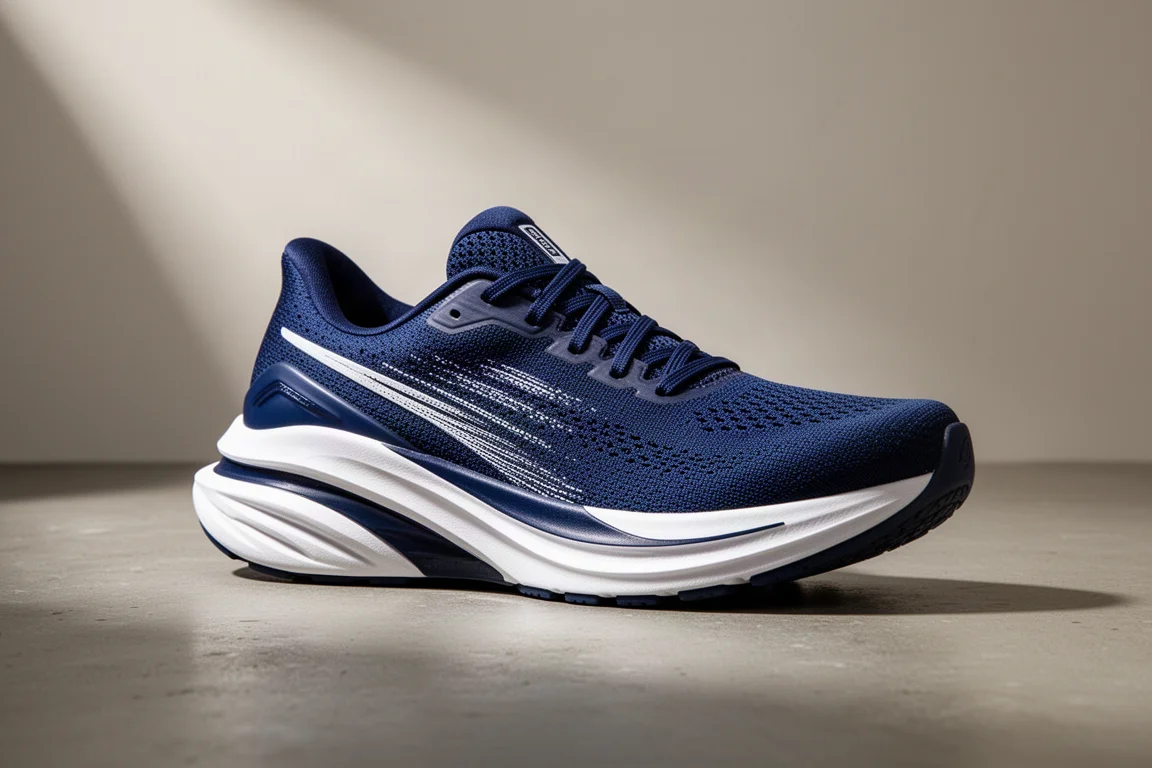
The Puma ForeverRun Nitro is marketed as a high-cushion, light-stability daily trainer. That positioning can be misleading in both directions: it is not a hardcore stability shoe, and after 100 miles it has ended up functioning more like a max-cushion recovery shoe than anything else. Here is how the shoe has performed over the first 100 miles, how it has held up, and whether it deserves a place in your rotation.
Who This Product Is For
If you are sensitive to stability shoes the way many runners are, the ForeverRun Nitro is designed to be an approachable option. The idea is light stability for people who need it, delivered in a way that should go almost unnoticed if you do not. Runners looking for a comfortable shoe for easy runs, chill runs, and recovery efforts are the core audience here.
How the Stability Works
Rather than a traditional medial post, Puma leans on geometry. There is a much wider heel and an asymmetrical piece of plastic that wraps around the bottom of the ankle and heel, keeping everything locked into place almost like a low high-top. Combined with an extra-stout, wide base at the back, it helps distribute imbalances every time your foot strikes the ground.
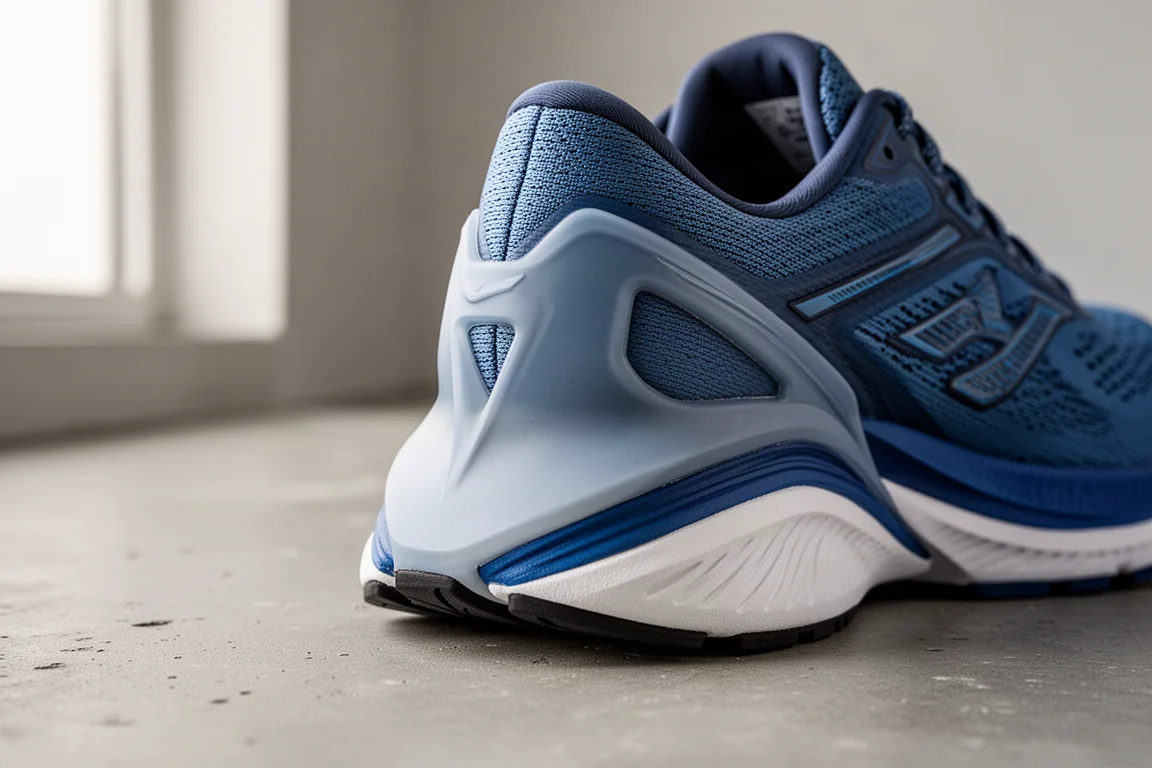
The midsole itself uses two layers of Nitro foam. A firmer white foam acts as the shell or carrier and doubles as guide rails, while a softer Nitro foam insert sits inside it so the foot lands within a rail-type system. The construction is clever, but on the first runs it felt a little clunky in the back of the foot, and the upper fit felt slightly baggy.
How It Feels Over the Miles
The story changed as the miles accumulated. The softer blue layer appears to settle in more than traditional Nitro foam typically does, and once it did, the ride became noticeably smoother and more comfortable. The upper also molded to the foot over time. Somewhere along the way, this turned into a shoe worth reaching for on days that call for a little extra comfort.
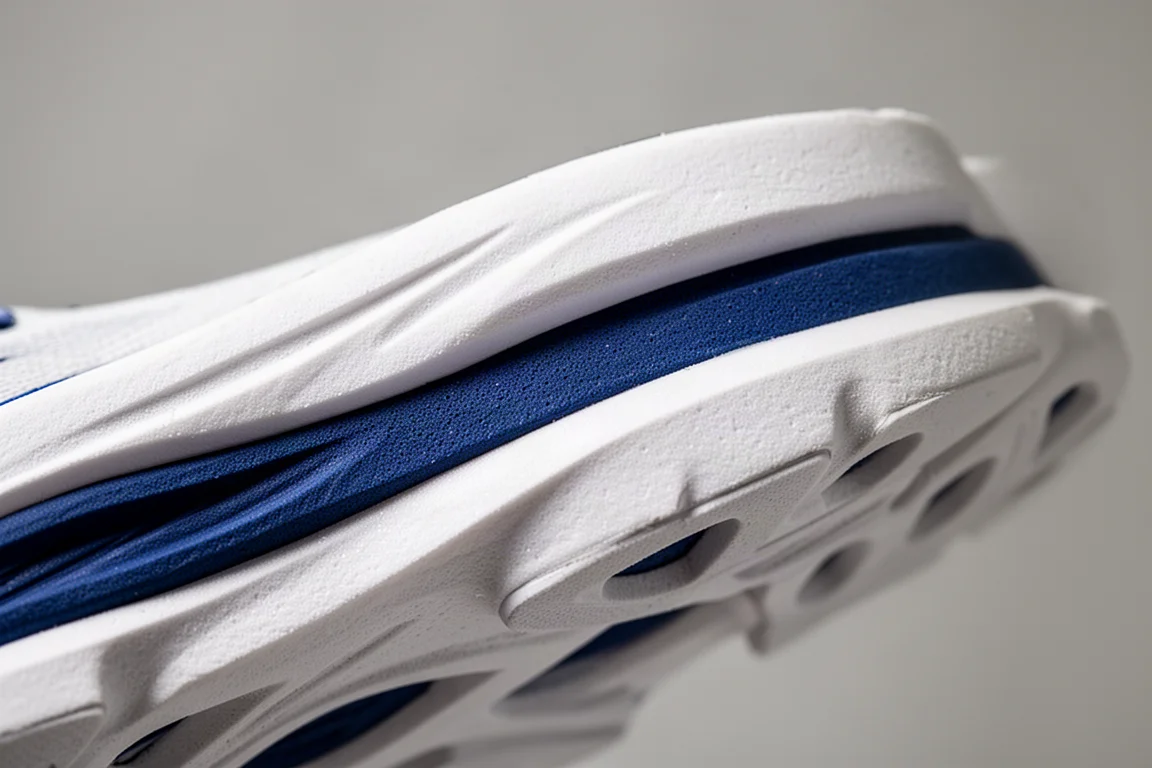
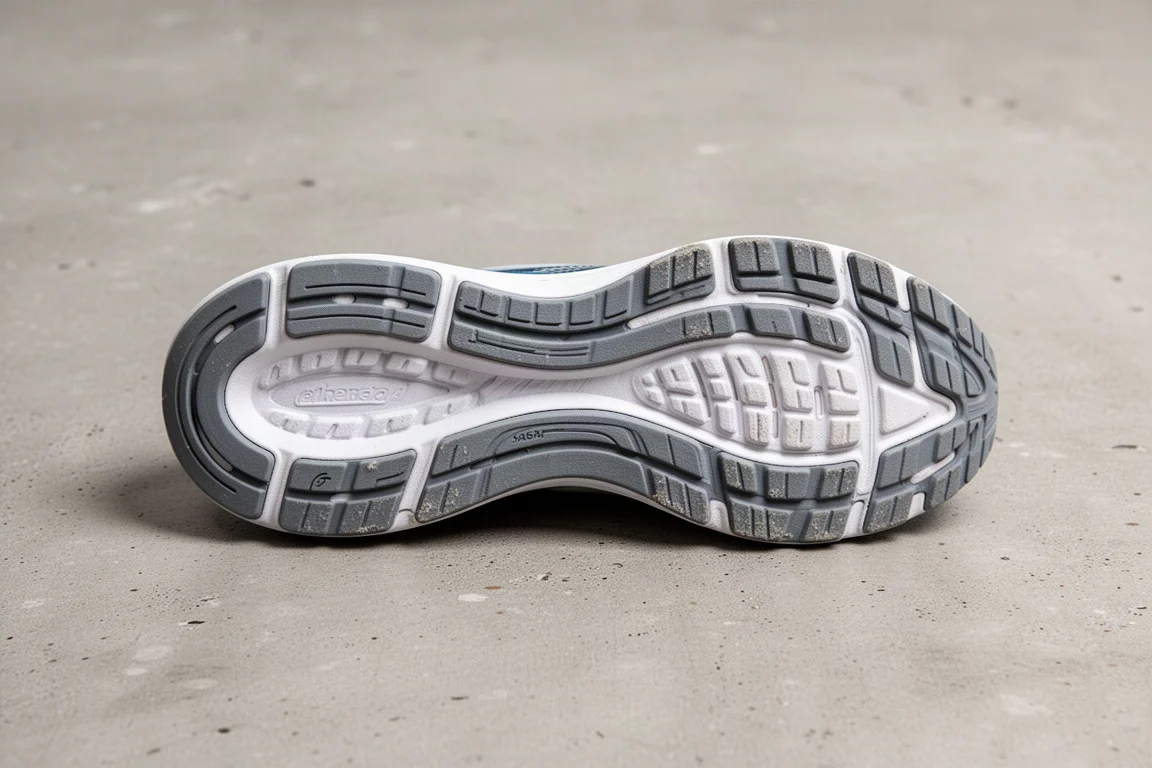
At the 100-mile mark, the foam feels fantastic and sits squarely in its sweet spot. There is a fair question about what happens from 100 to 200 miles given how much it changed in the first 100, but the rate of change has steadied, so the ride should stay consistent for a while. The outsole rubber shows very little wear, traction and grip remain excellent, and the upper shows few signs of wear and tear.
Building a Rotation Around It
For easy and recovery run days, the ForeverRun Nitro pairs naturally with the Puma Deviate Nitro 2 for faster days and light workouts. That shoe adds a layer of Nitro Elite foam on top of the same white Nitro foam in the heel, plus a carbon fiber plate, and its comfortable daily-training upper can handle a heavier workload.
For the biggest workouts and races, the Puma Fast-R 2 rounds out the trio. Its unusual decoupled heel and forefoot design changed substantially from the first version, and it shines at threshold effort, slightly faster than half marathon pace. It can also handle long runs well and go the marathon distance. Together, these three shoes cover an entire marathon training block nicely.
Durability and Buying Advice
Outsole wear after 100 miles is minimal, the upper is holding up well, and the foam, while it settled in noticeably early, has been steady since. That is a good durability profile for a shoe at this stack height.
The ForeverRun Nitro launched at $150, but since it has been out for a while, it is available at a substantial discount, as low as $60 on the Puma website. At that price, it is very difficult to beat for easy, chill, and recovery runs.
Two alternatives are worth a look. The Brooks Ghost Max is similar to the regular Ghost but with more stack height, softer foam, and a wide footprint throughout for a hint of light stability. It also retails at $150. The Saucony Triumph, available as the Triumph 21 or the Triumph RFG, sits on the thicker side, and Saucony daily trainers tend to carry a hint of built-in stability. Both Triumph versions retail at $160, a $10 premium. Given the sale price, the ForeverRun Nitro is the value pick of the three.
One forward-looking note: the next version of the ForeverRun is expected to push further into the stability category. If that does not appeal to you, the current ForeverRun Nitro is worth picking up now while it is still available in its current form.
Conclusion
After 100 miles, the Puma ForeverRun Nitro has turned from a slightly clunky first impression into one of the more comfortable shoes in a rotation, with mild stability that fades into the background and excellent outsole durability. At its discounted price, it is an easy recommendation for easy and recovery run days, especially if you prefer the current, less aggressive stability design before the next version shifts direction.
Product link
View more details for Puma ForeverRun Nitro
This product is mentioned in the review. Check the specifications, options, and compatibility before buying.
View more details for Puma ForeverRun NitroFurther reading
Related Reviews

Running Shoes
Best Road-to-Trail Running Shoes: Three Versatile Options for Mixed Terrain
A practical guide to three road-to-trail running shoes that handle both pavement and mild trails, with clear strengths and trade-offs for different runner types.

Running Shoes
Best Running Shoes for Achilles Tendonitis: Three Options Explained
Three running shoes with different heel drops and support features designed to help reduce Achilles tendon pain during walking and running.

Running Shoes
Best Running Shoes for Women: Five Top Choices Ranked
A ranked guide to five women's running shoes, from versatile daily trainers to high-performance racing options, with real strengths and trade-offs for each.