Running Shoes
Puma Forever Run Nitro 2 Review: 100 Miles of Guided, Bouncy Running
After 100 miles, the Puma Forever Run Nitro 2 proves to be a comfortable, durable guidance shoe with excellent stability, though the upper needs a little fine-tuning.
Introduction
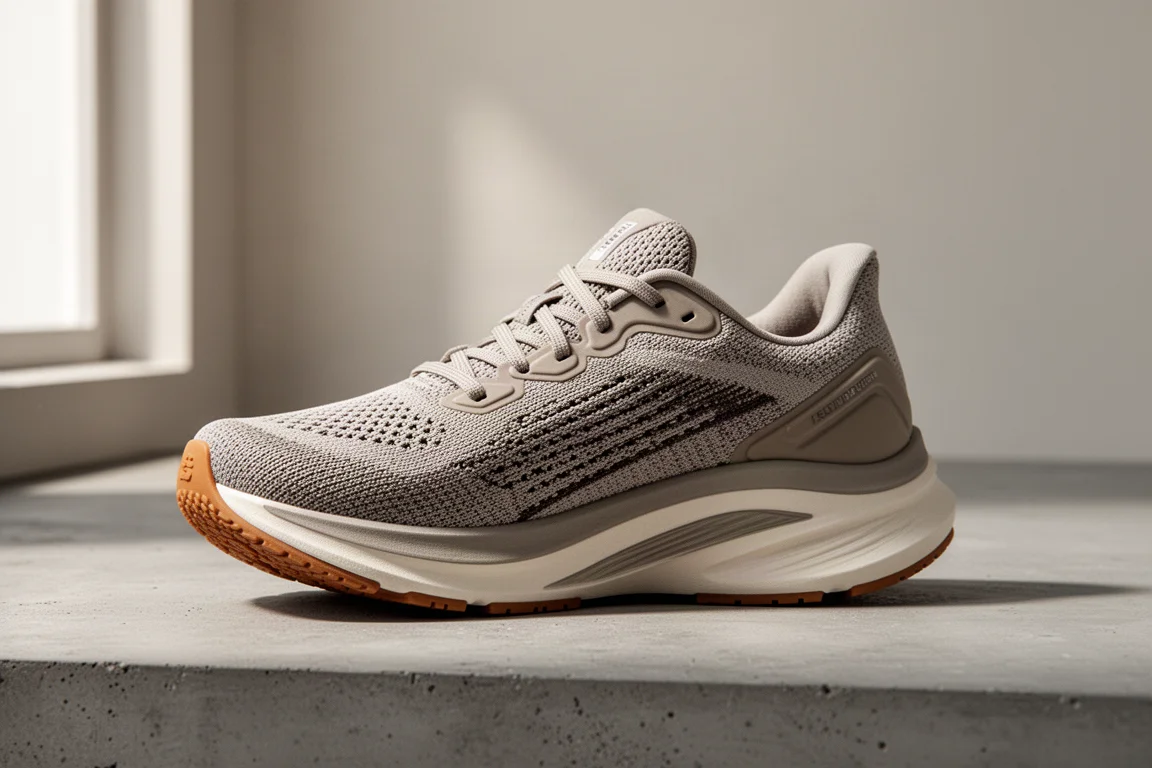
The first version of the Puma Forever Run Nitro 2’s predecessor was an interesting idea that fell short: clunky, awkward, and hard to recommend. Puma has completely redone the shoe, and the result is a genuinely enjoyable guidance shoe that holds up over real mileage. After 100 miles, it has earned a place among the top stability shoes of the year, with just one lingering fit quirk worth knowing about before you buy.
Who This Shoe Is For
This is a moderate stability, or guidance, shoe for runners who want their foot kept centered throughout the stride without an aggressive, overbearing correction. It suits runners who take a break from plated or firmer options for everyday miles, long runs, and unstructured efforts like informal fartlek or uphill tempo runs. If you need a moderate level of support with a bouncy, comfortable ride under it, this shoe fits that brief well.
Specs at a Glance
In men’s size 10, the shoe weighs 10.9 oz (310 g). That is not the lightest shoe on the market, but the Nitro foam makes it run considerably lighter than the number suggests. The stack is 38 mm in the heel and 28 mm in the forefoot, for a 10 mm drop. Interestingly, it does not feel that high if you are a heel striker, because the foam compresses noticeably under load.

Ride and Foam Performance
The Nitro foam is the standout of this shoe. It broke in quickly, has held up very well over 100 miles, and delivers a pleasant bounce that is engaging without reaching super-shoe levels of energy return. It is the kind of bounce that makes it easy to settle into a rhythm, which is why the shoe works so well for long runs and steady training.
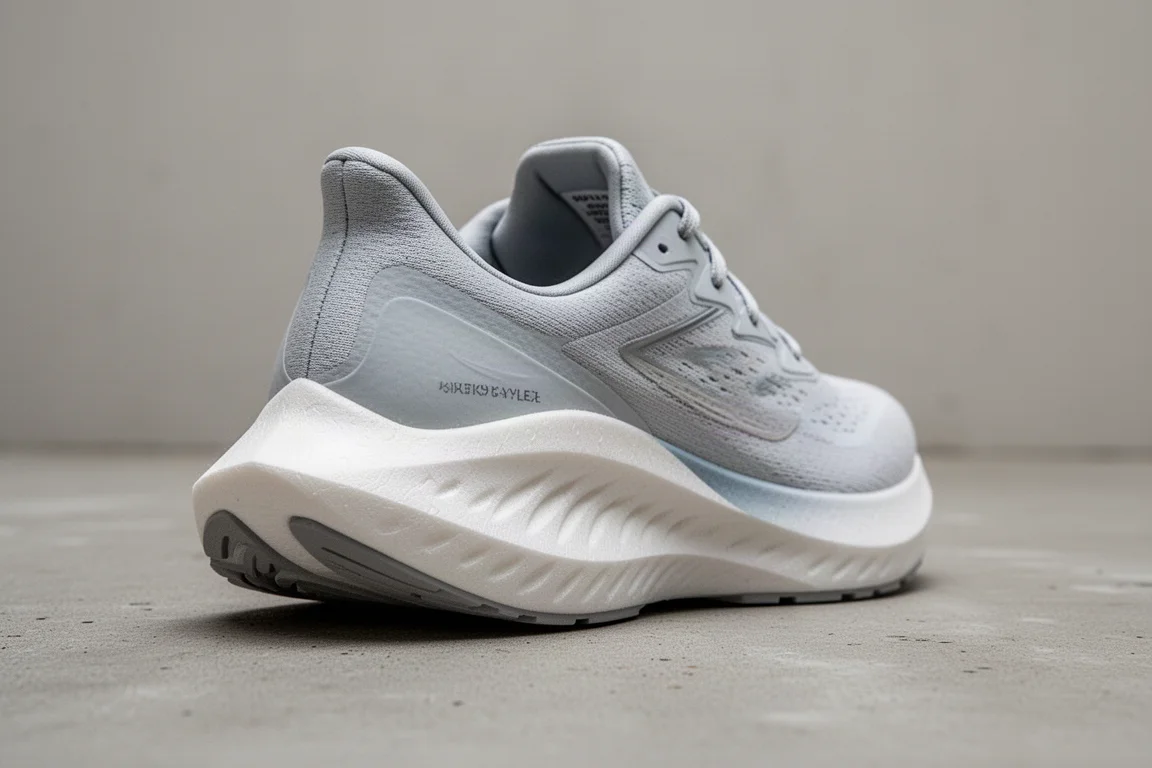
The transition through the rearfoot is smooth, helped by a slight bevel that sits just a touch posterolateral. The midfoot and forefoot are also strong: the sole is a bit wider, so the ride feels consistent along the full length of the shoe, and the forefoot rocker pairs nicely with just enough flexibility for a comfortable toe-off. The ride stays bouncy without feeling mushy or overly stiff.
One caveat: at faster workout paces, this is not the best tool. It handles a small uptick in speed fine, but there are better options for dedicated speed sessions. Runners with stiff toes who want an aggressive toe-off should also look elsewhere.
Stability and Guidance
The stability here is thoughtful and well integrated. The rearfoot has sidewalls plus external heel counter elements that lock the heel in securely without making the shoe stiff. Those with Haglund’s deformity or sensitive heels should be comfortable, since there is plenty of padding and the structure flexes just enough.
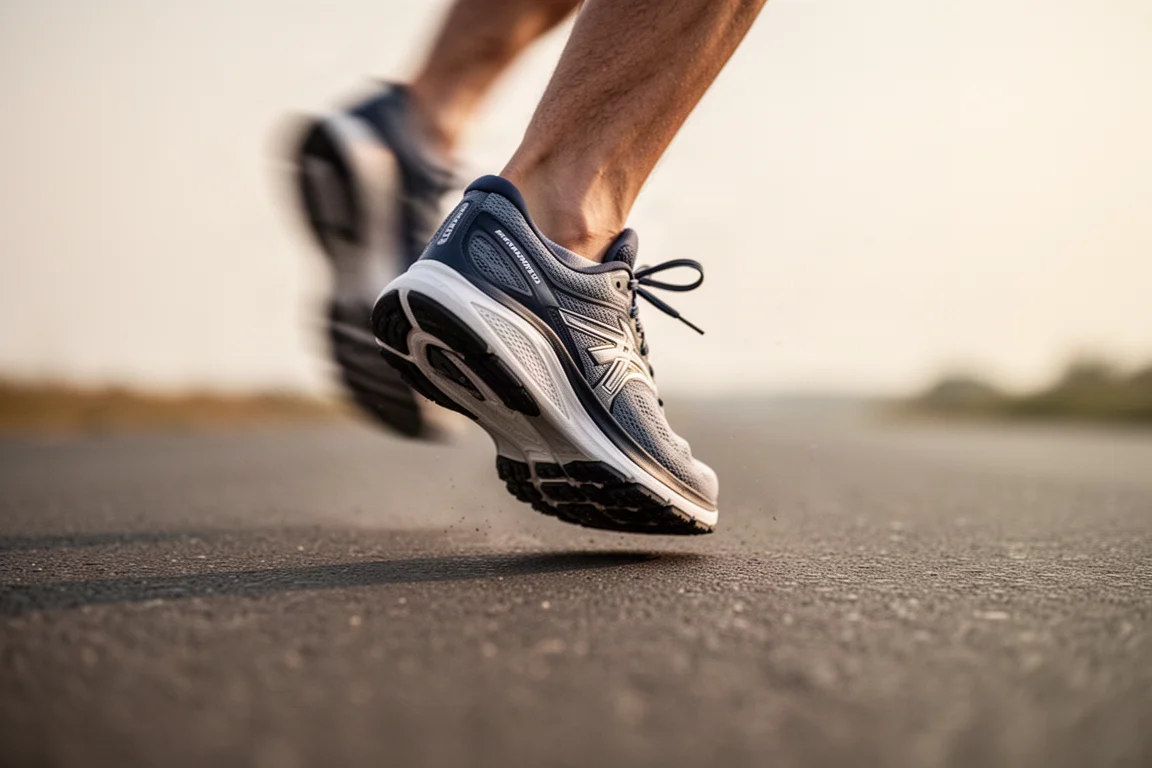
Mild forefoot sidewalls continue from the heel through the front of the shoe, slightly more prominent on the medial side, which adds useful guidance if you need it. A firmer outer foam layer runs the full length of the shoe around a softer core, creating a centered, stable ride. Overall, it sits at a moderate guidance level: a step below something as intense as a traditional max-stability trainer, and slightly softer and bouncier than shoes like the Brooks Adrenaline. It has no strong medial-post sensation, just a consistent full-length centered feel. One practical note: expect a little aching in the pronation-control muscles during the first half mile or so before everything breaks in.
Upper and Fit
The upper is mostly good but has one real issue. The forefoot is secure with a decent amount of volume and a slightly wider fit throughout, and the gusseted tongue holds the foot well. The heel is locked in nicely with extra padding. The external “Pwrline” details feel odd for about a mile, then disappear entirely.
The problem is the instep. It sits very low over a very thin tongue, so if you cinch the laces down, it is easy to develop lace bite: irritation across the top of the foot where the extensor tendons sit close under the skin. Keeping the laces relatively loose avoids it, but runners with sensitive tops of the feet should be cautious here. The upper also adds some weight, and a lighter, more refined version would make this shoe even better in a future update.
Durability After 100 Miles
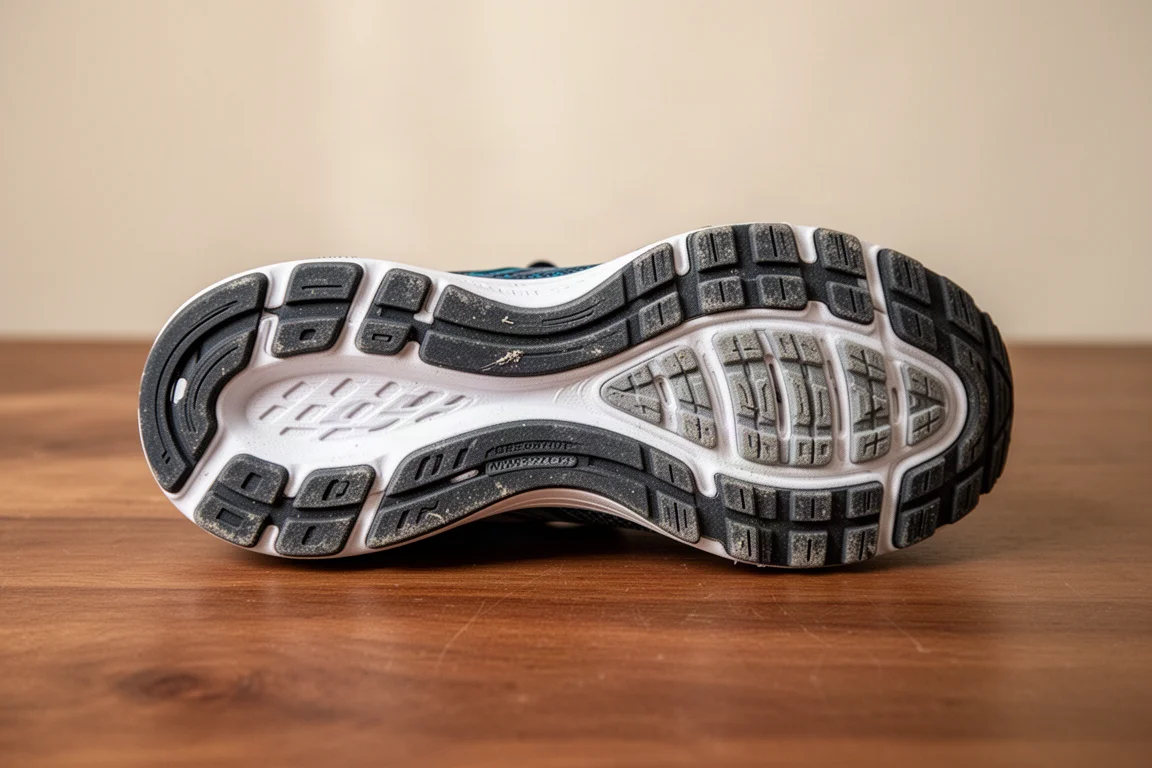
Durability is a genuine highlight. At 100 miles, the outsole is intact with only the smallest amount of wear, and the foam has held up remarkably well. For a shoe that gets pounded through everyday training, that is an excellent result, and there are clearly many more miles left in this pair.
Buying Advice
Buy this shoe if you want a moderate guidance trainer with a bouncy, comfortable ride, strong full-length stability, and outsole durability that outlasts most of the competition. It is a great pick for long runs, easy miles, and grinding up hills, and a solid choice for runners coming off plated shoes who still want some bounce. Skip it if you want a fast workout shoe, need an aggressive toe-off for stiff toes, or have sensitive insteps that react poorly to thin tongues and low volume. Try it on with an eye on how the top of your foot feels, and keep the laces a touch looser than usual.
Conclusion
The Puma Forever Run Nitro 2 fixed nearly everything wrong with the original: the ride is smoother, the foam is bouncy and durable, and the stability is effective without being overbearing. The upper still needs a little fine-tuning, particularly around the low instep and thin tongue, and the shoe carries a bit more weight than it should. Even so, 100 miles in, it stands as one of the better stability shoes available and an easy recommendation for runners who need real guidance without giving up a fun ride.
Product link
View more details for Puma Forever Run Nitro 2
This product is mentioned in the review. Check the specifications, options, and compatibility before buying.
View more details for Puma Forever Run Nitro 2Further reading
Related Reviews

Running Shoes
Best Road-to-Trail Running Shoes: Three Versatile Options for Mixed Terrain
A practical guide to three road-to-trail running shoes that handle both pavement and mild trails, with clear strengths and trade-offs for different runner types.

Running Shoes
Best Running Shoes for Achilles Tendonitis: Three Options Explained
Three running shoes with different heel drops and support features designed to help reduce Achilles tendon pain during walking and running.

Running Shoes
Best Running Shoes for Women: Five Top Choices Ranked
A ranked guide to five women's running shoes, from versatile daily trainers to high-performance racing options, with real strengths and trade-offs for each.