Running Shoes
Puma Forever Run 2 Review: A Light Stability Daily Trainer That Grows Up
The Forever Run 2 doubles down on stability while staying genuinely fun to run in. How it compares with the Diadora Nucleo 2 and Saucony Ride 18.
Introduction
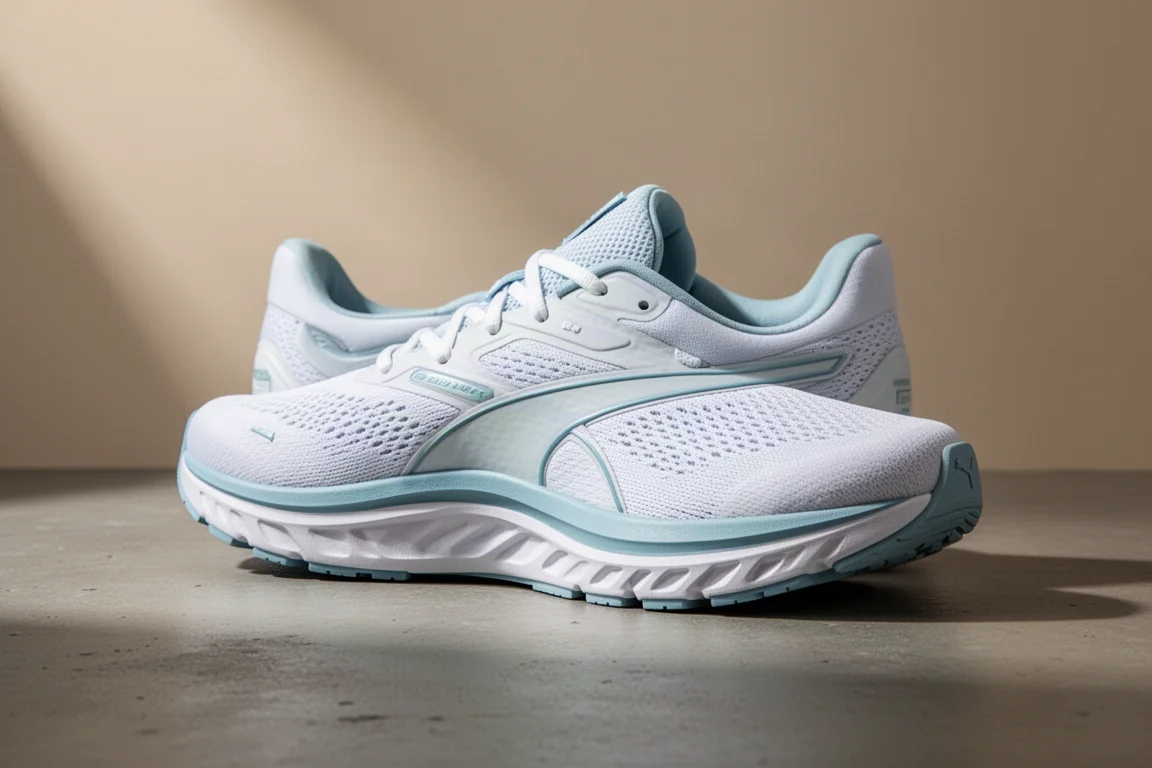
The first Puma Forever Run won a lot of people over by being a cushioned, comfortable daily trainer that happened to carry light stability elements most runners barely noticed. The Forever Run 2 changes that calculus. Puma has leaned harder into the motion control side of the shoe, and the result is a more assertive stability trainer that, surprisingly, remains genuinely enjoyable to run in.
Specs and Midsole Design
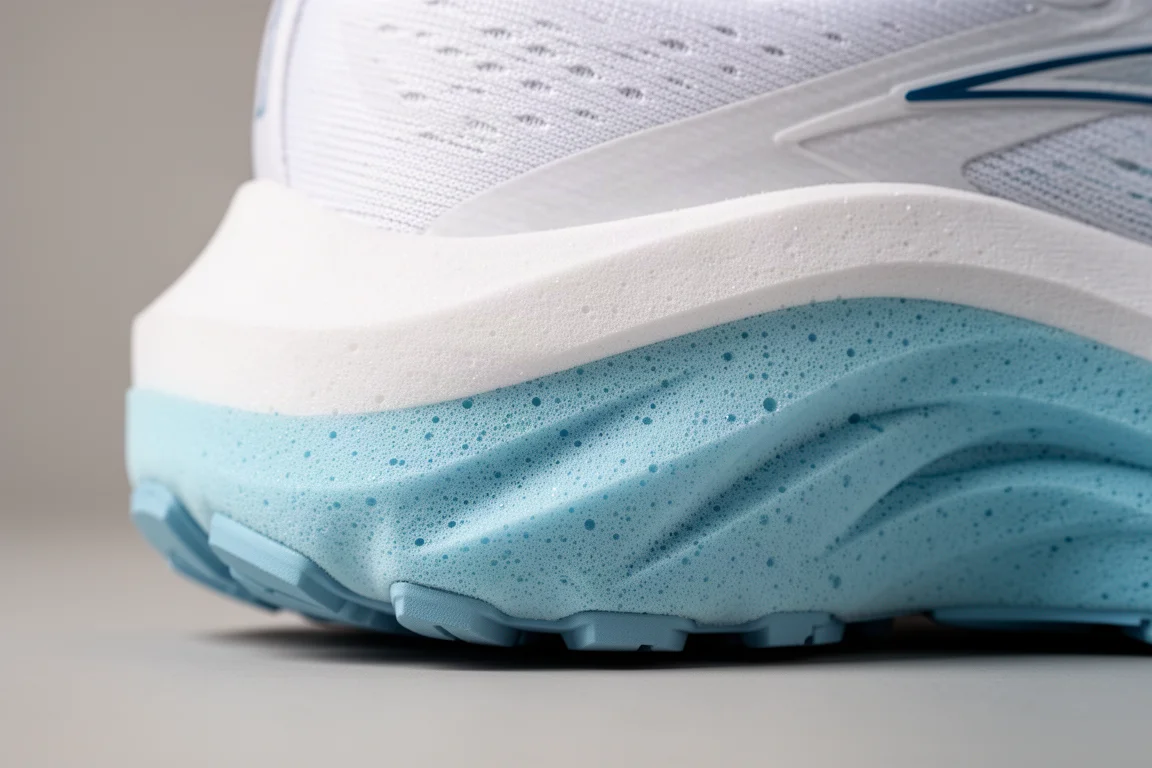
On paper, the Forever Run 2 runs a 38 mm stack height with a 10 mm drop, leaving 28 mm of foam under the forefoot. The midsole is still built on Puma’s Nitro Foam, but this generation uses a dual-density system: a softer light blue foam and a firmer white foam, fused together through a supercritical process that applies heat, pressure, and nitrogen gas to melt the materials into a single block with two densities.
The key change from the original is where those foams sit. Last year’s shoe placed a firm white layer underneath a softer insert. This time the softer blue foam runs all the way down to the ground, so more of that forgiving material sits directly underfoot, while white sidewalls still keep the foot from caving too far in either direction.
Underneath all that foam sits a thick, generously covered layer of Puma Grip rubber. There is also a small button of rubber under the arch, part of a geometry designed so the foam does not crumple in that spot on foot strike. For runners who need stability, that reinforcement is reassuring. For runners who dislike stability shoes because they bother the arches and eventually the knees, it is usually a red flag, yet in practice it never became painful here.
Fit and Upper
The upper is one of the strongest parts of this update. Puma has reworked it into a design that drapes well over the foot, with logo detailing interwoven between claw-like panels that echo the lanes of a track. The toebox uses breathable material up front, the tongue is thin and lightly padded in exactly the way a daily trainer should be, and the heel collar carries generous padding finished with a knit piece and pull tab.
A new plastic armor piece on the outer portion at the back of the shoe is another motion-control addition, intended to keep the heel seated and prevent sliding at foot strike.
Sizing is straightforward: going with normal running shoe size worked well, with enough room for the toes and volume over the top of the foot, while still feeling precise and tailored rather than overly snug. At 295 g (10.4 oz), the weight is reasonable for the category.
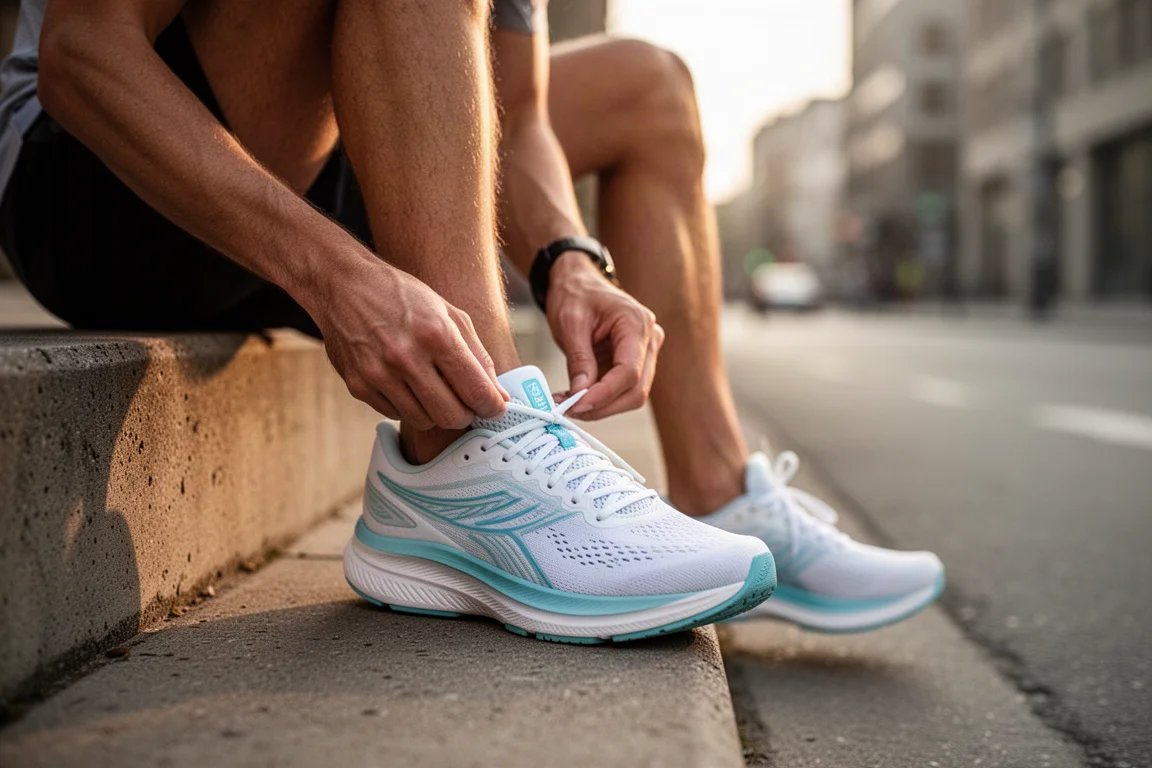
The main upper misstep is the laces. They are unusually short, making even a double knot difficult, and there is essentially no chance of getting a runner’s knot in despite the shoe having the holes for one.
Ride and Performance
The original Forever Run was almost a borderline max-cushion experience: relaxed, softer in the interior foam, and not especially eager to pick up the pace. The Forever Run 2 is a noticeably different shoe. It absorbs road impact well without feeling mushy, and it is bouncy and responsive enough to settle into a nice rhythm for daily training at a wide variety of paces.
The stability elements are present but not overbearing. There is a perceptible something under the arch and on the medial side of the heel, a signal that the shoe is keeping the foot from rolling the way it naturally wants to, but it never caused pain the way some stability shoes do.
Heel lockdown is excellent. Beyond the plastic armor, there is simply a lot of structure in the shoe, so the heel sits securely without sliding side to side or lifting out the back. One caveat: with very low-cut socks, the long tongue edge chafed against the ankle badly enough to draw a little blood. With regular-length socks, the problem disappeared entirely.
Where It Fits in the Puma Lineup
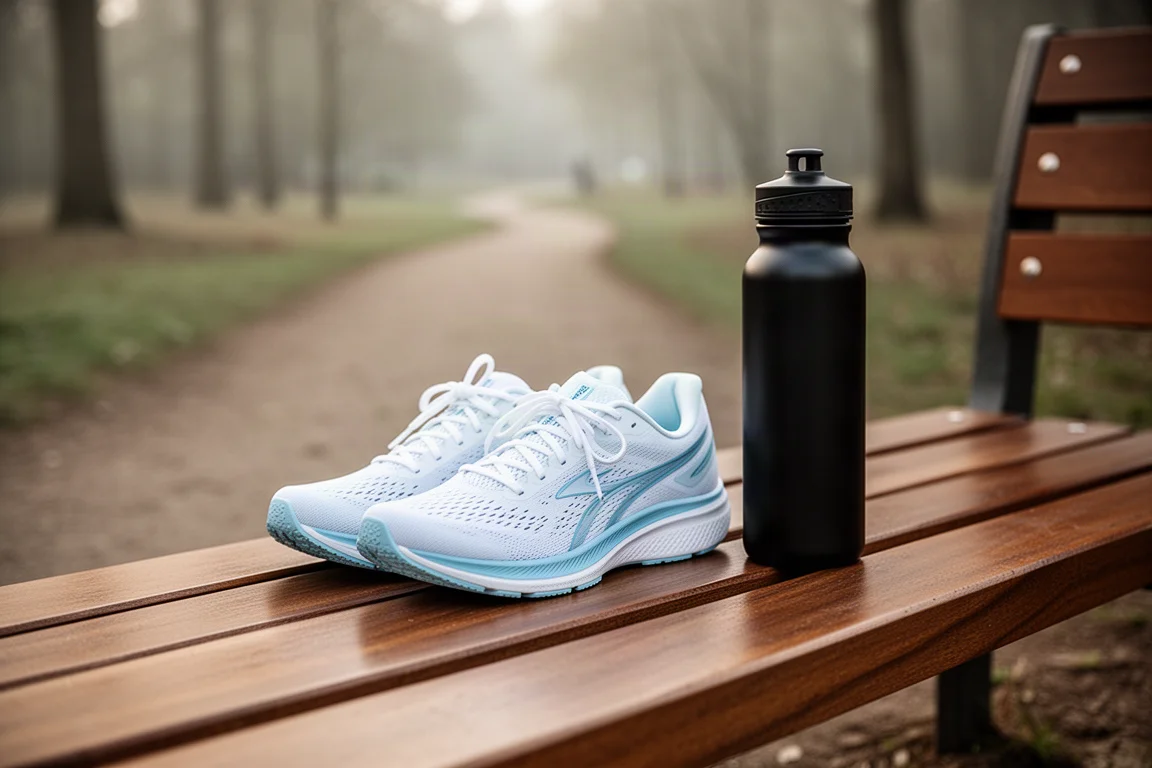
Within Puma’s range, the Velocity Nitro 3 remains the default daily trainer for most runs most days. Runners wanting more cushioning can look at the Magnify or the Mag Max, a tall-stack max cushion shoe that stays surprisingly peppy for recovery and long runs alike. On the racing side, the Deviate Elite 3 is the pro-preferred racer with elite foam and a snappy carbon plate, the Deviate 3 slots in as the durable workout shoe for training blocks, and the Liberate serves as a low, snappy option closer to a race flat for track-focused runners.
The Forever Run 2 slots in as the substitute when you need more motion control or more stack height than the Velocity Nitro 3 offers, while still functioning as a full daily trainer.
Buying Advice and Alternatives
At $150, the Forever Run 2 costs the same as last year’s version, but it feels a bit expensive when the Forever Run 1 can be found at reputable online dealers for as low as $105. Keep in mind those are two different experiences: version 1 is more chill and relaxed, while version 2 offers more pace versatility. If you want the newer, bouncier ride, the $150 asks fair value.
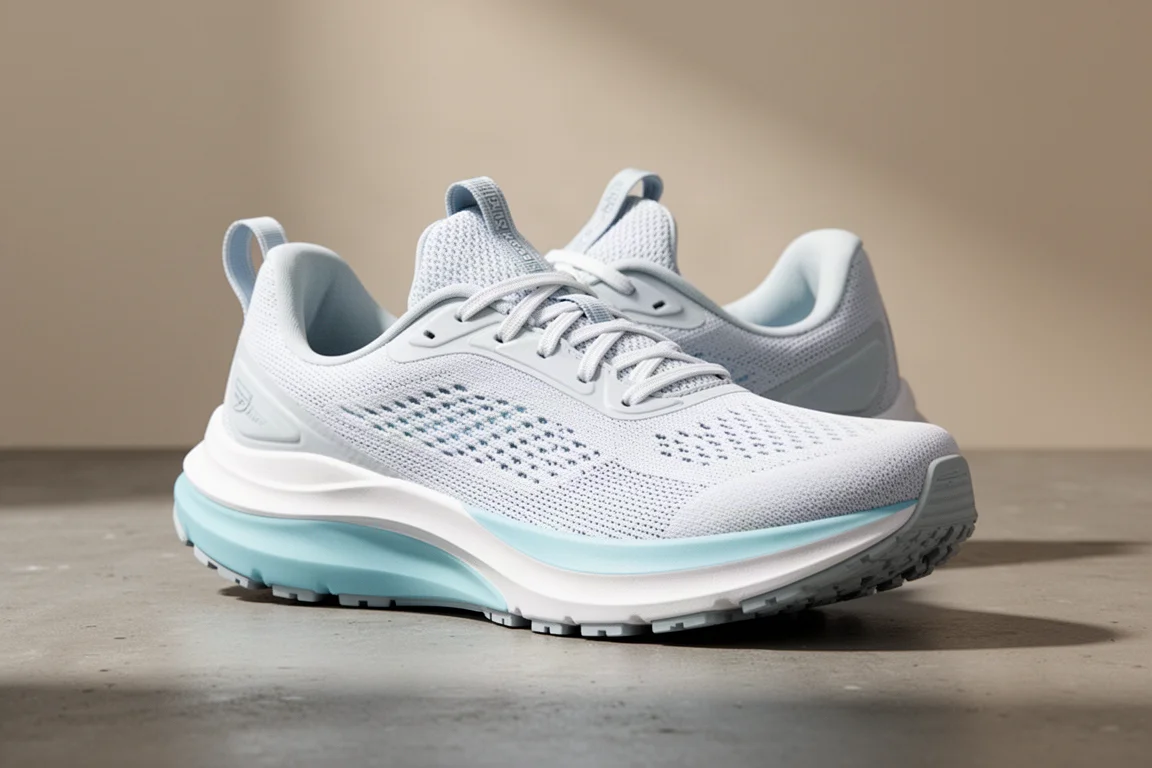
Alternative: Diadora Nucleo 2
The Diadora Nucleo 2 targets the same runner: a daily trainer for high-mileage runners who want light stability. It goes further than the Forever Run 2 in two ways. The forefoot is considerably softer, bordering on mushy compared to the Puma’s bounce, and the stability is more assertive, with a stronger push under the arch and through the heel. If you want more squish and more motion control, the Nucleo 2 is the pick, at a premium price of $160.
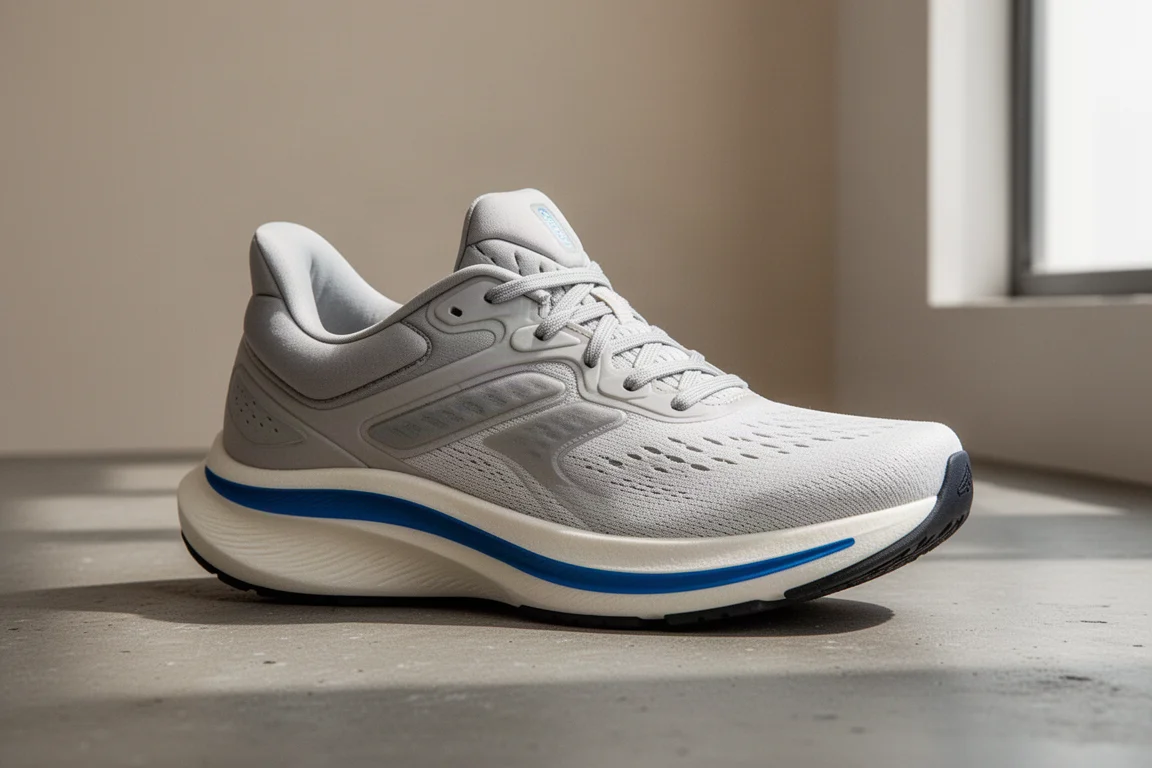
Alternative: Saucony Ride 18
The Saucony Ride 18 is not technically a light stability shoe, but Saucony builds a hint of stability into many of its neutral daily trainers, and the two shoes deliver a remarkably comparable forefoot experience despite using different foams, with the Ride 18 using a beaded PWRRUN Plus. There is visible geometry under the arch working to prevent collapse on landing. The main difference is the heel: the Ride 18 is much looser back there, with far less armor than the Puma. Runners who dislike heavy structure in the heel cup, and who are careful with their lacing, will prefer the Ride 18’s treatment. It also comes in $10 cheaper at $140.
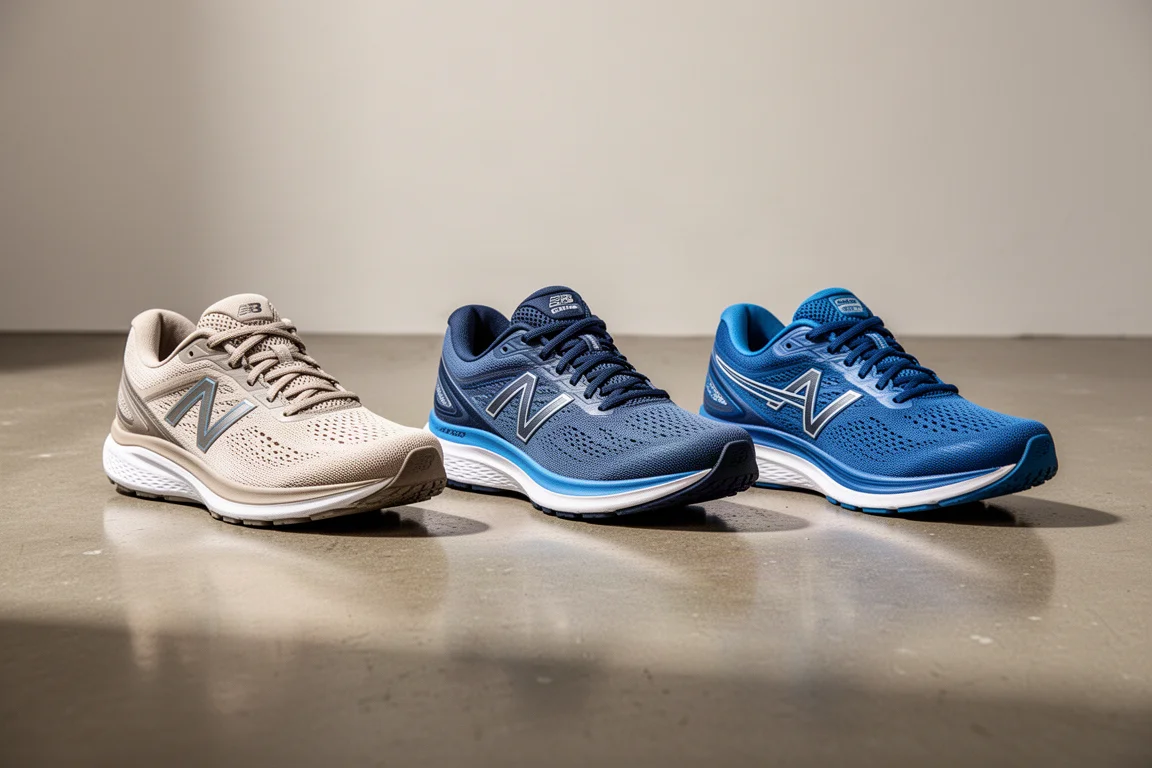
How assertive you want the stability to be is really what separates these three shoes, and that should drive the final decision.
Conclusion
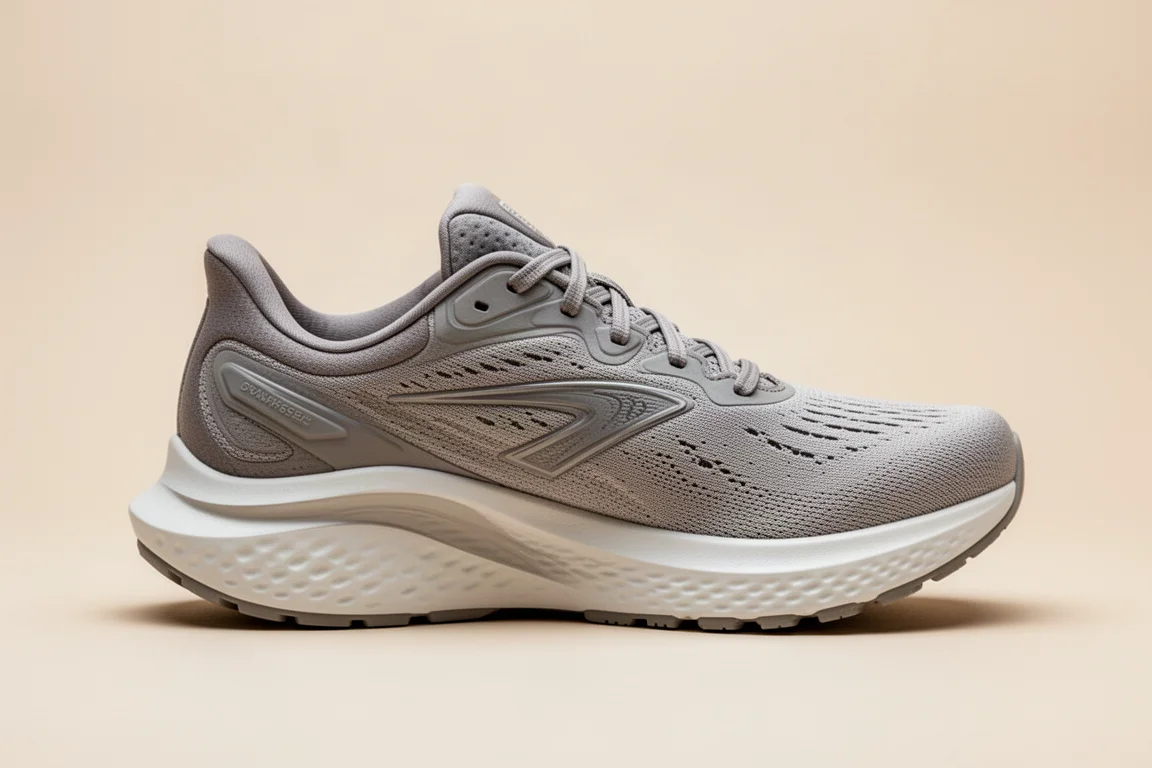
The Forever Run 2 is a light stability daily trainer that works well across a wide range of paces, fits well, and keeps its motion control from becoming overbearing. It is a clear step up in structure from the original, and while the short laces and the $150 price give some pause, it earns a place in any stability-minded rotation.
Further reading
Related Reviews

Running Shoes
Best Road-to-Trail Running Shoes: Three Versatile Options for Mixed Terrain
A practical guide to three road-to-trail running shoes that handle both pavement and mild trails, with clear strengths and trade-offs for different runner types.

Running Shoes
Best Running Shoes for Achilles Tendonitis: Three Options Explained
Three running shoes with different heel drops and support features designed to help reduce Achilles tendon pain during walking and running.

Running Shoes
Best Running Shoes for Women: Five Top Choices Ranked
A ranked guide to five women's running shoes, from versatile daily trainers to high-performance racing options, with real strengths and trade-offs for each.