Running Shoes
Puma Fast-R Nitro Elite vs Deviate Nitro Elite: Two Carbon Race Shoes Compared
A first-run look at the Puma Fast-R Nitro Elite and how it stacks up against the Deviate Nitro Elite, including ride feel, fit, and which one deserves your money.
Introduction
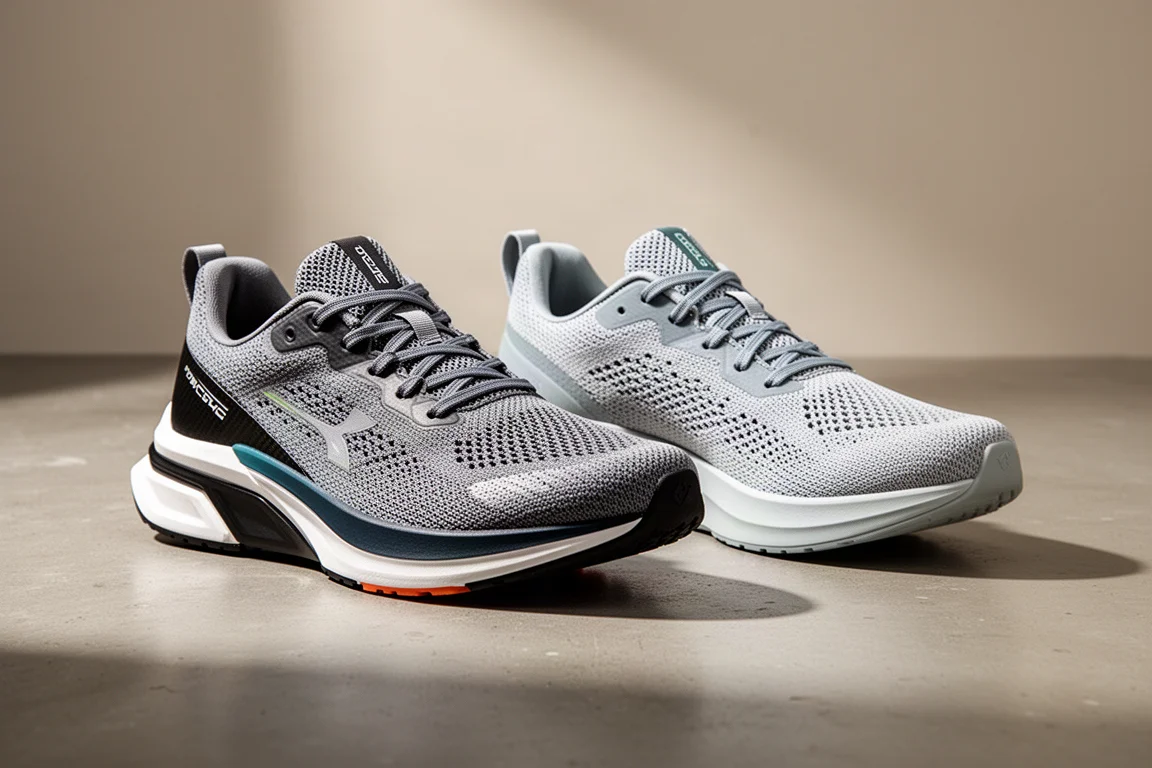
The Fast-R Nitro Elite is Puma’s second top-tier carbon plate racing shoe, following the Deviate Nitro Elite, and it arrives with one of the more unusual midsole designs in the category. We took it out for a half marathon at a strong, honest pace, close to marathon effort, to see how it behaves when it matters.

The short version: it is a genuinely fast shoe with a distinctive ride, but it is also considerably more expensive and heavier than the Deviate Nitro Elite, which remains in Puma’s lineup and is now far easier to find. Here is how the two compare.
Design and Midsole
The headline feature is the decoupled midsole, split into two very different halves. The big heel chunk is EVA foam: fairly soft, but a lot firmer than the forefoot. Its job is to give heel strikers a stable landing and get them onto the front of the shoe as quickly as possible. That heel section is broken into small segments so each piece can move a little more individually and add flexibility.
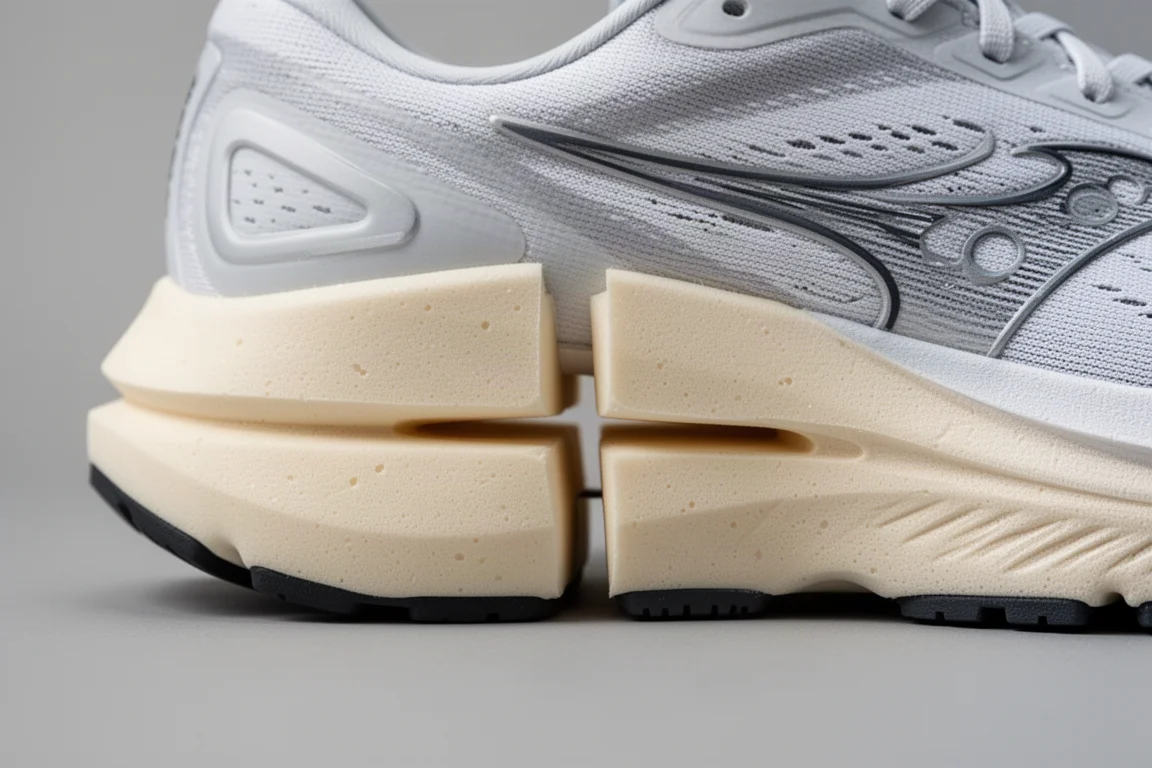
The forefoot uses a bio-based PEBA foam made partly from castor bean oil, tuned for a softer feel and a big, bouncy pickup. Connecting the two is Puma’s carbon Power Plate, which stabilizes the foams and adds extra snap through foot strike. The decoupled design allows more movement through the transition, giving a slightly more natural feel to what is otherwise a fairly aggressive carbon racing shoe.
Fit and Outsole
The upper is a mono mesh with power tape sections around the forefoot for support. It is thin and light enough that you can see your foot through it, with minimal heel padding and a small heel fin at the back for structure. Fit is true to size, and the shoe held the foot securely with no concerns on a first run.
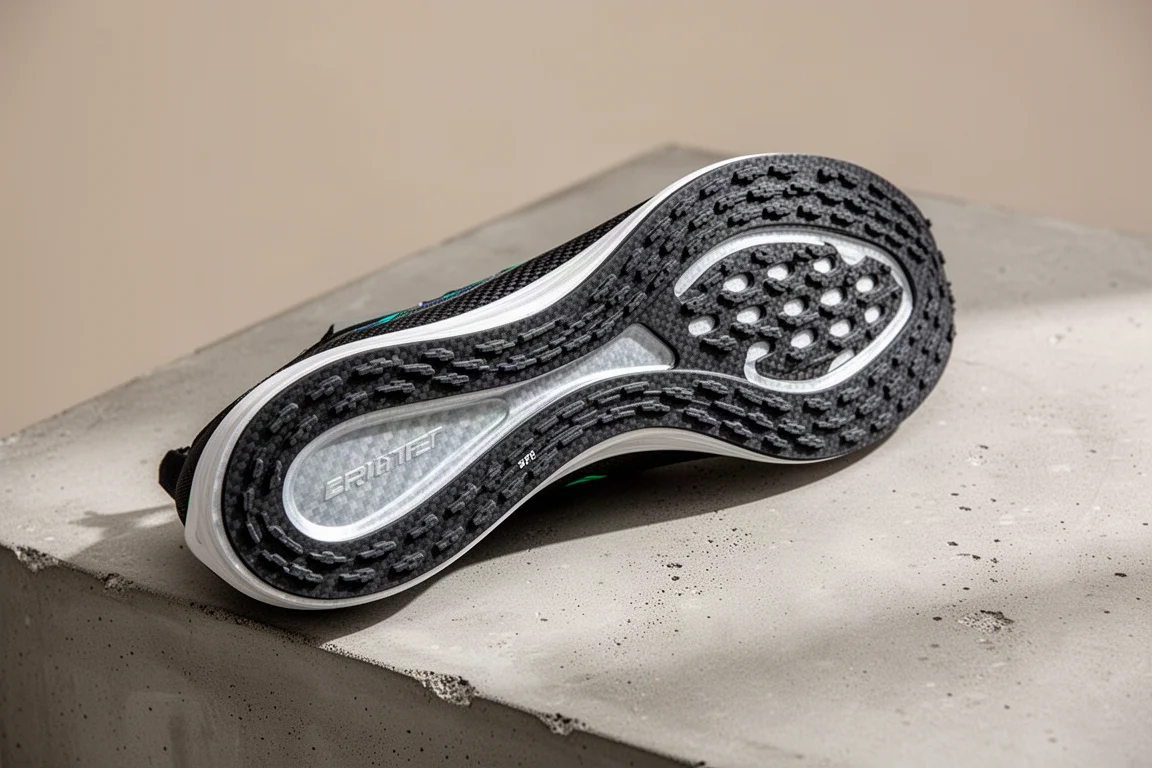
The outsole uses Puma Grip LT, the lighter version of Puma’s grip compound. Coverage is excellent and the layer is still reasonably thick for a carbon plate shoe, delivering outstanding traction. On a shoe with this decoupled construction, that grip also adds a real sense of stability when cornering, which helps you trust the ride.
Ride Impressions
The Fast-R delivers a lightning-fast transition. For a heel striker, that firm EVA heel kicks you forward onto the softer PEBA forefoot almost immediately, and the snap is strong enough to keep turnover high even late in a race when fatigue sets in. Over the second half of a half marathon, the shoe kept rolling on climbs and through long sections at target marathon pace.
There are trade-offs. At slow speeds it feels odd and clunky, and this is not a shoe you will casually wear for easy runs. The snappy transition also created some forefoot pressure for a heel striker over the full race distance, so it suits midfoot and forefoot strikers more comfortably. It is not as light as it looks either: in UK size 9 it weighs 238 grams (8.4 ounces), heavier than the Saucony Endorphin Pro 3, and clearly heavier than the Deviate Nitro Elite, which comes in under 200 grams in the same size.
The Fast-R costs £220 in the UK or 250 euros, with an 8mm heel-to-toe drop. Versatility is the other concern: it comes alive at speed, so it is best kept for races and hard sessions rather than everyday training.
The Deviate Nitro Elite Alternative
The Deviate Nitro Elite earned a strong reputation despite early stock issues that made it hard to find. It is now widely available and here to stay in Puma’s lineup. It is very light, uses an excellent midsole foam, and offers a fast ride that is not quite as forward-tipping as the Fast-R, with a more uniform midsole feel that also protects the legs well on back-to-back training days.

For many runners, that makes it the more practical pick: nearly as fast, more comfortable, more versatile, and considerably cheaper.
Which One Should You Buy?
Both shoes are best suited to shorter races, and both are very good. If you are a heel striker who loves a firm, stable, snappy ride and you are racing at your best, the Fast-R Nitro Elite is a thrilling option. If you want similar speed with more comfort, better training versatility, a lower weight, and a friendlier price, the Deviate Nitro Elite is the smarter buy.
Conclusion
The Fast-R Nitro Elite makes a strong first impression with its decoupled two-foam midsole and genuinely quick ride, but the Deviate Nitro Elite remains the better-value pick for most runners. Choose based on your foot strike, race distance, and budget.
Product link
View more details for Puma Fast-R Nitro Elite
This product is mentioned in the review. Check the specifications, options, and compatibility before buying.
View more details for Puma Fast-R Nitro EliteFurther reading
Related Reviews

Running Shoes
Best Road-to-Trail Running Shoes: Three Versatile Options for Mixed Terrain
A practical guide to three road-to-trail running shoes that handle both pavement and mild trails, with clear strengths and trade-offs for different runner types.

Running Shoes
Best Running Shoes for Achilles Tendonitis: Three Options Explained
Three running shoes with different heel drops and support features designed to help reduce Achilles tendon pain during walking and running.

Running Shoes
Best Running Shoes for Women: Five Top Choices Ranked
A ranked guide to five women's running shoes, from versatile daily trainers to high-performance racing options, with real strengths and trade-offs for each.