Running Shoes
Puma Fast Track Nitro Review: A Road-to-Trail Shoe That Gets the Balance Right
Puma's road-to-trail trainer combines Nitro foam comfort with Puma Grip ATR traction at a friendly price, and it impressed across mixed road, gravel, and light trail conditions.
Introduction
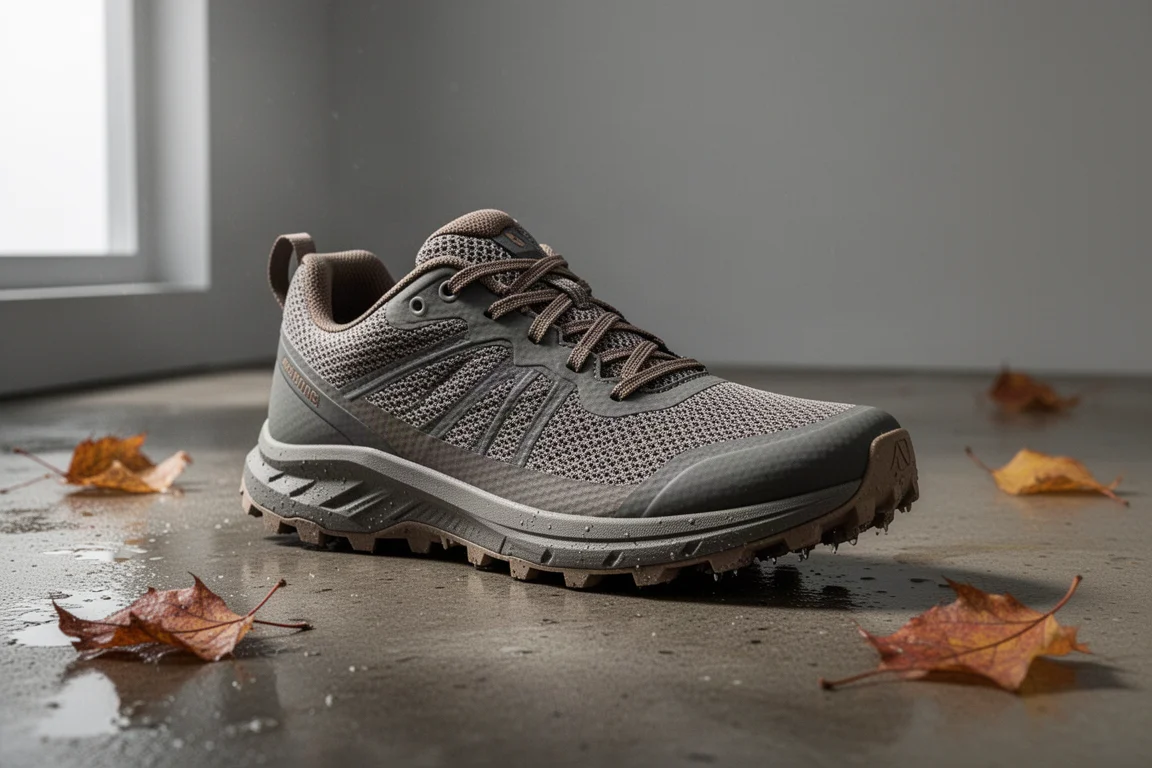
The Puma Fast Track Nitro sits in that increasingly useful space between road shoe and trail shoe: comfortable enough for steady road running, but with enough grip and protection to handle genuine trail work. At £100 in the UK and $110 in the US, it is another solid value shoe in Puma’s lineup, and at 284 grams (10 ounces) in a UK size 9, it is also notably light for the category.
The spec sheet reads like a familiar Puma recipe: an 8mm drop, 29mm of stack at the heel and 21mm at the forefoot, a Nitro foam top layer embedded in Puma’s ProFoam Lite EVA, and a Puma Grip ATR outsole. A ripstop mesh upper, an integrated eyestay with lace tuck, a gusseted tongue, and a reinforced toe box round things out, and there is a Gore-Tex version available at a slightly higher price if waterproofing matters to you.
Who This Shoe Is For
This is best understood as a semi-road shoe: it essentially feels like a road shoe with a slightly more aggressive, trail-oriented outsole. It is not a full trail shoe, and it is not trying to be. It is designed for runners who spend most of their time on public footpaths, canal paths, and gravel trails, with plenty of road mixed in.

If your week looks like easy runs on forest trails, faster sessions on mixed terrain, and the occasional race with both road and manageable trail sections, this fills that role well. In a 10-mile mixed road and trail race it proved quick on the road sections, confident on gravelly descents, and completely secure on the climbs. For runners who want one pair in the bag for a holiday where some days call for faster running and others for easy trail plods, it would have been the ideal single-shoe solution.
Main Strengths
Grip is the headline. The Puma Grip ATR outsole is a more aggressive version of the Puma Grip used on most of the brand’s road shoes, and it handles slushy roads, wet leaves, icy patches, gravel, and rocks without slipping. On wet roads it feels genuinely sticky, and on muddy-but-manageable main trails it held its line where a pure road shoe would have been uncomfortable.
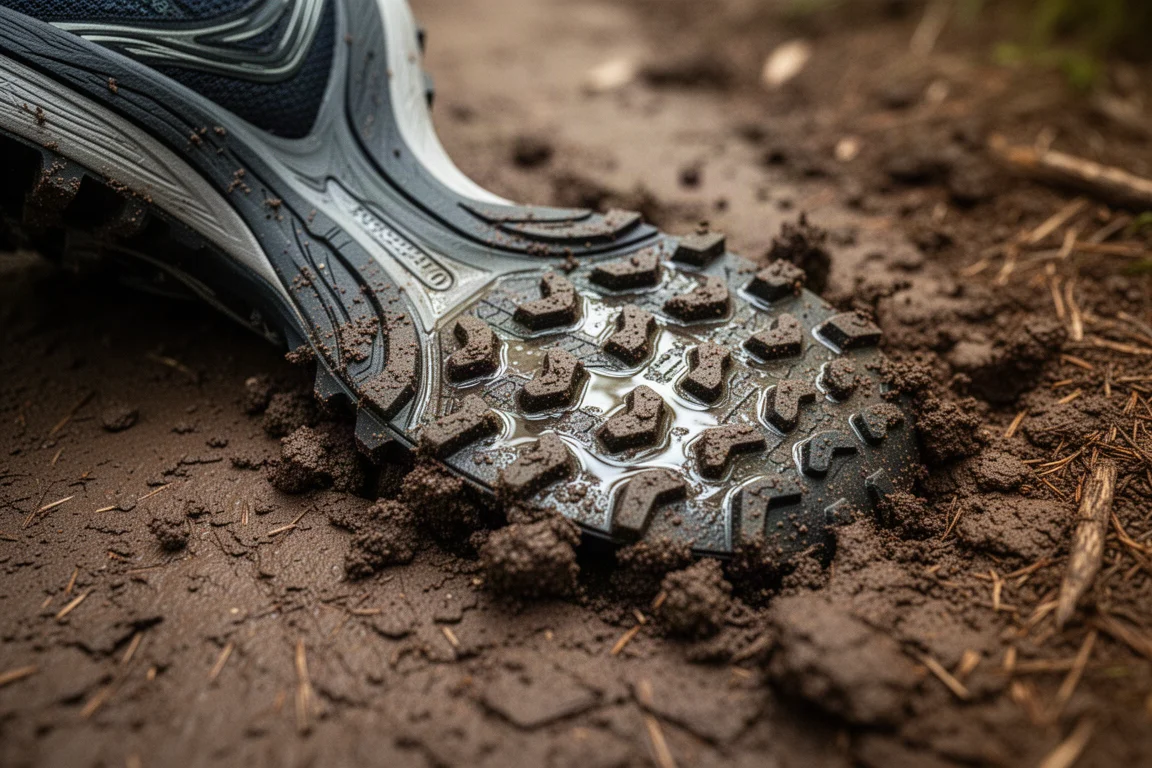
The second surprise is pace. Despite being a trail-capable shoe, it is light, partly because it skips the deep lugs that add weight to dedicated trail shoes. On a progression run over undulating forest trails, pace came out consistently faster than expected, and it handled intervals and tempo work far better than most road-to-trail options. It is firm underfoot thanks to the thicker rubber outsole and the EVA frame around the Nitro layer, which also gives it a more structured, stable ride than a soft road trainer.
Comfort is solid for long-ish runs rather than anything truly long, and the fit runs true to size with a nicely roomy toe box that suits trail work. One tester found the collar around the ankle firm and noticeable on early runs, though it never caused discomfort or hot spots.
Things to Consider Before Buying
The firmness cuts both ways. On the road alone, one tester would cap it at around 5K for easy running, though at race pace it felt fine over 6K of tarmac. The other tester, more tolerant of firmer shoes, managed about 10K on road. This is not a shoe you would use exclusively on roads.
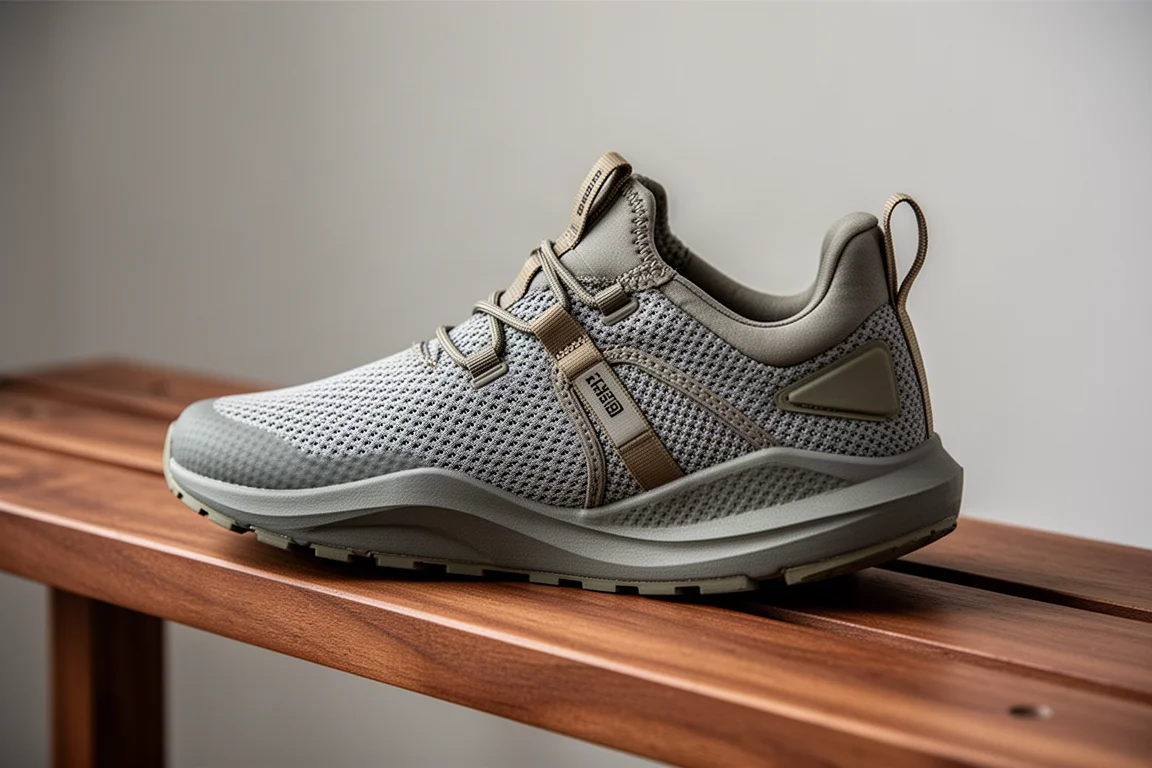
Mud shedding is the clearest limitation. The outsole grips well, but mud sticks to it rather than clearing, so a forest run means a cleanup afterwards. Dedicated mud-shedding trail shoes do this far better. On genuinely muddy singletrack, especially off the main trails, this shoe is out of its depth. If that terrain is your regular route, you will want dedicated trail shoes anyway.
There is also some internal overlap to think about: Puma’s road shoes grip so well that on dry trails something like the Velocity Nitro 2 can cover a lot of the same ground, which eats into the Fast Track Nitro’s market a little. What the Fast Track adds is a more protective upper and a slightly firmer, more stable ride.
Buying Advice
Value is central to this shoe’s appeal. It sits in the same affordable space as the Velocity Nitro 2, and Puma is generally good about discounts, so patient buyers may find it well below list price. If you have a limited rotation, it covers an impressive share of everyday terrain. If you have a big rotation, it still earns a slot as the purpose-built road-to-trail option, especially for parkruns on courses that are a bit harder than road but not real trail.

Against the obvious rivals, the trade-offs are clear. The Nike Pegasus Trail 4 is more comfortable on the road but lacks the Puma’s grip and speed. The Inov-8 Parkclaw G 280 has exceptional grip and is very comfortable on roads, but is not quite as nippy. If your road-to-trail balance tilts toward fast mixed running, the Fast Track Nitro is arguably the best of the bunch. A beginner pairing it with the Velocity Nitro 2 would have most runs covered short of aggressive trails.
Snow added a final tick in its favour: on slushy roads and a packed, nearly icy hill it gripped impressively, even if deeper lugs would have been better in the deeper stuff on turns.
Conclusion
The Puma Fast Track Nitro is not a flashy shoe, and nobody will mistake it for a max-cushion cruiser. It is a practical, well-priced road-to-trail trainer that grips superbly on wet and wintry surfaces, runs faster than its category suggests, and covers the terrain most runners actually encounter. Its limits are real: firm on longer road runs, poor at shedding mud, and outmatched on serious mud. But within its clearly defined lane, it is one of the better road-to-trail shoes available, and easy to justify keeping around.
Product link
View more details for Puma Fast Track Nitro
This product is mentioned in the review. Check the specifications, options, and compatibility before buying.
View more details for Puma Fast Track NitroFurther reading
Related Reviews

Running Shoes
Best Road-to-Trail Running Shoes: Three Versatile Options for Mixed Terrain
A practical guide to three road-to-trail running shoes that handle both pavement and mild trails, with clear strengths and trade-offs for different runner types.

Running Shoes
Best Running Shoes for Achilles Tendonitis: Three Options Explained
Three running shoes with different heel drops and support features designed to help reduce Achilles tendon pain during walking and running.

Running Shoes
Best Running Shoes for Women: Five Top Choices Ranked
A ranked guide to five women's running shoes, from versatile daily trainers to high-performance racing options, with real strengths and trade-offs for each.