Running Shoes
Puma Fast-RB Nitro Elite Review: A Concept Shoe You Can Actually Buy
Puma's most experimental carbon shoe yet: three plates, a 58 mm stack, laceless upper, and a limited run of just 1,000 pairs worldwide.
Introduction
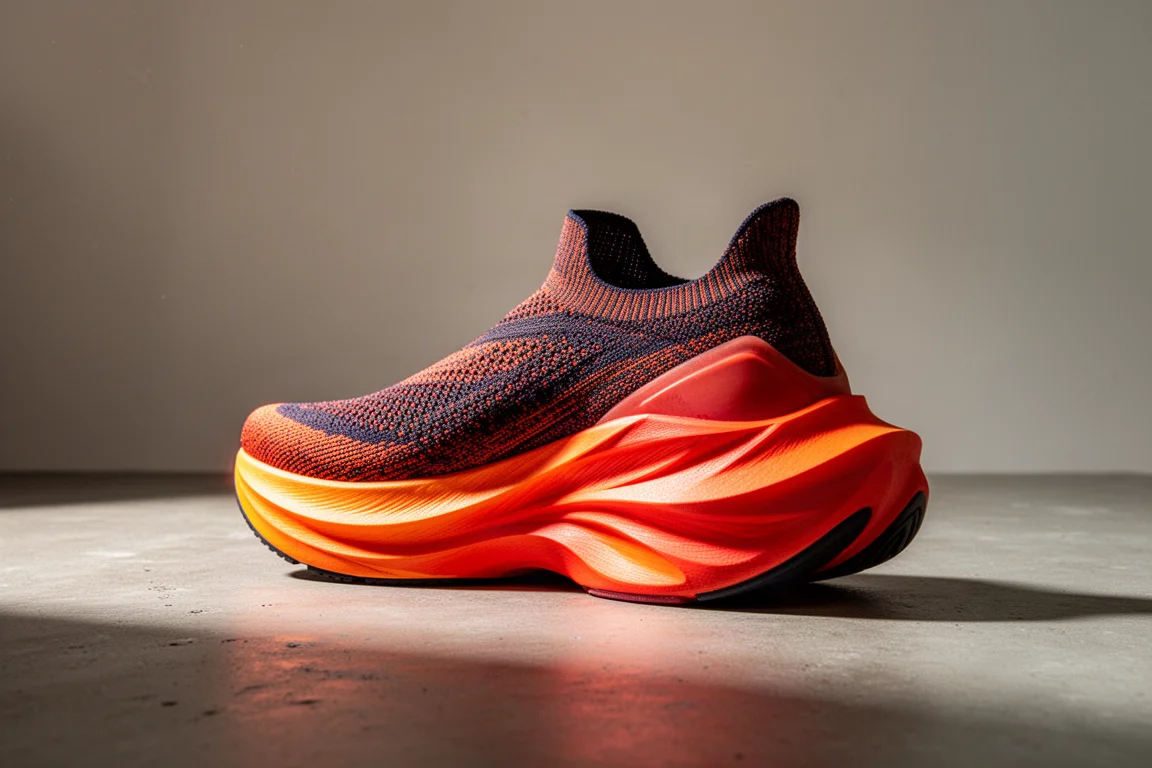
The Puma Fast-RB Nitro Elite is the brand’s most creative running shoe to date, and it makes almost no attempt to hide it. It arrives with a laceless upper, three plates in the midsole, and a 58 mm stack of Nitro foam, roughly 18 mm above the regulation stack height for professional athletes. Around $400 and limited to just 1,000 pairs worldwide, it is less a shoe for filling out your rotation and more a rolling experiment that Puma is letting a lucky few actually run in.
After time in the shoe across easy runs and interval sessions, the picture that emerges is clear: it is enormous fun at relaxed paces, surprisingly stable given how it looks, and not the right tool for anyone chasing a personal best.
Key Specs at a Glance
The Fast-RB Nitro Elite weighs 347 g (12 oz) for men in a size 8, with a technically 12 mm drop. Early pricing sits around $400, though final figures had not been confirmed at the time of testing. The shoe is deliberately over the World Athletics stack limit, which is part of why it is positioned as a rule-breaker rather than a legal racer.
What Makes the Fast-RB Different
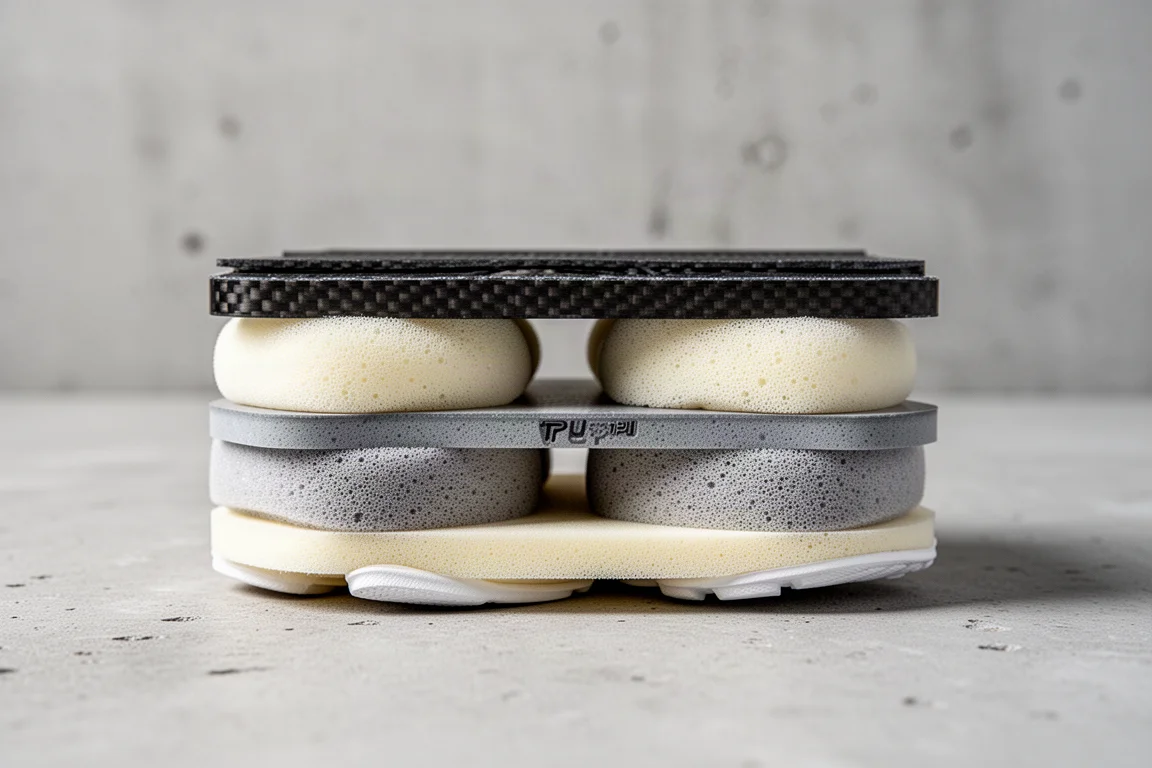
The headline construction features three power plates, one carbon and two TPU, working alongside thick 58 mm layers of Nitro Elite foam. The design is decoupled, splitting the midsole so the forefoot acts as a spring-like unit built to deliver bounce and propulsion. The heel, by contrast, mostly just tips you forward onto that springy front section.
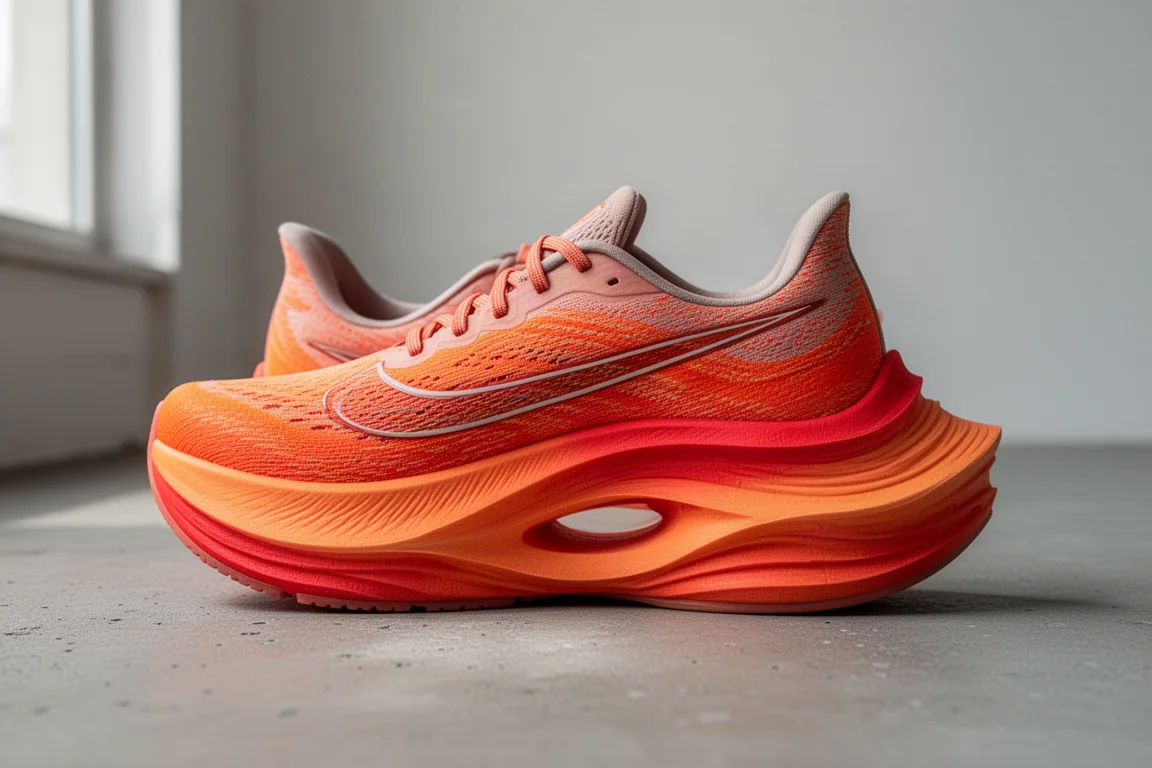
In practice, the effect is real. Even at easy paces the shoe feels very bouncy and explosive underfoot, and running at a faster pace than effort or heart rate would suggest is the classic carbon-shoe bargain. The upper is a laceless mesh reinforced with Puma power tape for lockdown, while the outsole uses Puma Grip for traction and durability.
Fit and Sizing
The one-piece laceless upper fits true to size in testing. A UK 8 tester found the toebox roomy but not overly generous, and the forefoot comfortable without feeling narrow. Small pull tabs help you slip the shoe on, since there is no lacing system to tighten it.
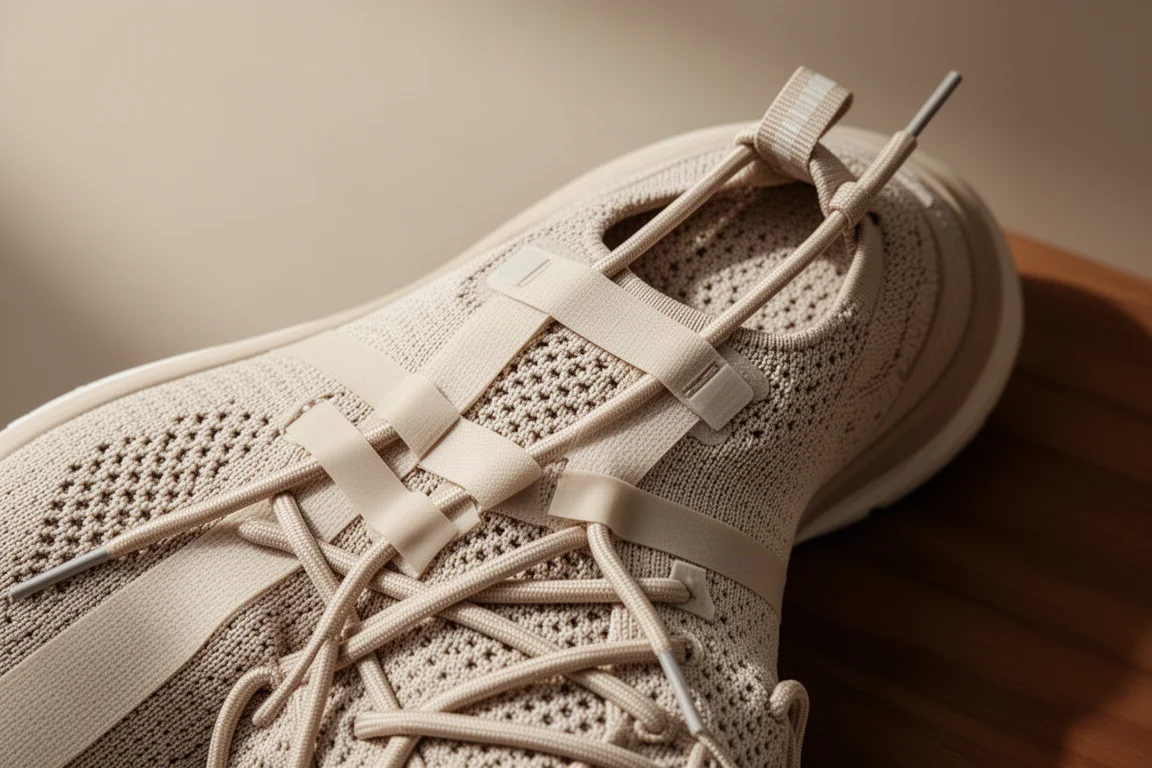
Central lockdown works well enough that the tester completed interval sessions without feeling loose, though the top of the foot is where you would notice the missing lacing most. The bigger caveat is the heel: the collar is thin, with padding mainly on the sides and little at the back, which caused some rubbing and irritation around the Achilles on longer outings.
Ride and Performance
At easy paces, the Fast-RB is genuinely enjoyable: soft, bouncy, and surprisingly stable for a shoe with cutouts and a decoupled midsole. The learning curve is shorter than the wild silhouette suggests, and the shoe rolls through the stride nicely once you adjust to the height.
At faster paces, however, the weight tells. In a UK 9 the shoe weighed 370 g, roughly double a top-tier racing shoe. Interval reps at 10K pace felt labored, and maintaining speed was a struggle. Heavier runners may unlock more of the bounce and potentially find it more rewarding, but as tested, this is not a shoe built for speed or for racing.
It is best understood as a max-cushion shoe with a playful, springy forefoot: brilliant for easy miles, questionable for tempo work, and hard to justify for any race.
Outsole and Grip
The outsole concentrates rubber on the rear of the shoe, where heel strikers are most likely to land, with less coverage across the forefoot. On pavement and road it was mostly fine, but on routes with wet roots, stones, and pebbles the front of the shoe slipped. Grip is not quite the Puma Grip quality found on the brand’s recent shoes, so care is warranted on mixed surfaces.

Should You Buy It?
For most runners, no. This is a concept shoe: expensive, extremely limited, heavy, and without a sharply defined purpose. If you want a serious racer, Puma’s own Deviate Nitro Elite 3 and Fast-R series are faster and more practical, and shoes like the Adidas Adios Pro Evo or Hoka Mach X2 serve everyday training better at far lower prices.
The case for buying is simple: you love Puma’s experimental streak, you enjoy collecting rare running shoes, and you want to own what is effectively a prototype of where carbon-shoe design might go next. Its laceless upper and triple-plate forefoot are exactly the kinds of ideas likely to trickle down into future legal racers.
Conclusion
The Puma Fast-RB Nitro Elite is designed to test ideas, make headlines, and be fun, and it succeeds at all three. It is bouncy, comfortable, and surprisingly stable at easy paces, but heavy and uncomfortable for speed, with heel-collar irritation to watch for. As a collector’s item and a glimpse of Puma’s design future, it is fascinating. As a practical shoe for your rotation, look elsewhere.
Product link
View more details for Puma Fast-RB Nitro Elite
This product is mentioned in the review. Check the specifications, options, and compatibility before buying.
View more details for Puma Fast-RB Nitro EliteFurther reading
Related Reviews
Running Shoes
Best Road-to-Trail Running Shoes: Three Versatile Options for Mixed Terrain
A practical guide to three road-to-trail running shoes that handle both pavement and mild trails, with clear strengths and trade-offs for different runner types.
Running Shoes
Best Running Shoes for Achilles Tendonitis: Three Options Explained
Three running shoes with different heel drops and support features designed to help reduce Achilles tendon pain during walking and running.
Running Shoes
Best Running Shoes for Women: Five Top Choices Ranked
A ranked guide to five women's running shoes, from versatile daily trainers to high-performance racing options, with real strengths and trade-offs for each.