Running Shoes
Puma Fast R3 vs Nike Alphafly 3: Which Carbon Racer Deserves Your Money?
Two of the best carbon plate racing shoes go head to head on weight, ride feel, fit, durability and marathon performance.
Introduction
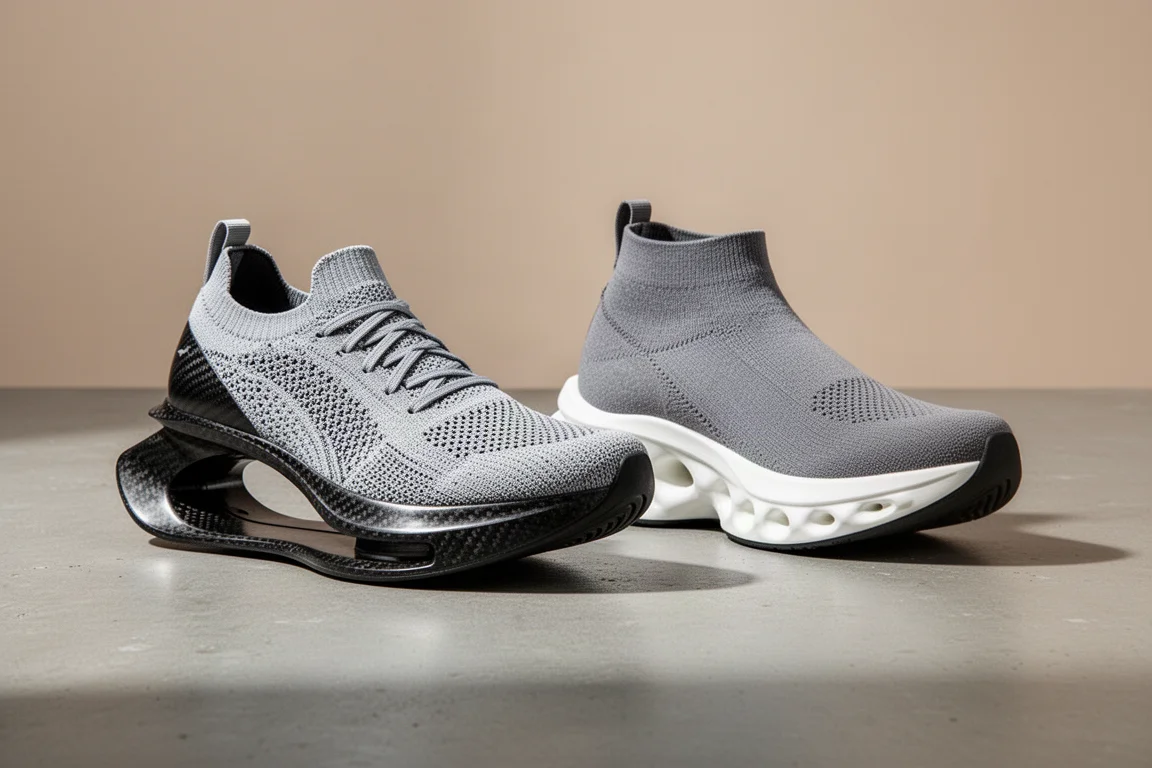
The Puma Fast R3 and Nike Alphafly 3 are two of the very best carbon plate racing shoes on the market right now. The Alphafly launched in early 2024 and has long been established as a benchmark, with elite athletes setting world records in it and amateur racers embracing it too. The Fast R3 is the newer arrival, backed by impressive launch research and plenty of hype among runners.
Both are premium-priced options. In the UK the Puma costs £260 to £300, while the Nike sits at £285, so the Puma is cheaper in the UK but the Nike is cheaper in the US. This comparison breaks down the design, fit, ride and durability of each so you can pick the right one for your racing.
Design and Construction
The Puma Fast R3 uses a very lightweight, ultra-thin breathable upper with minimal padding on the tongue, just a little padding around the collar and a small internal heel counter for structure. The midsole is Nitro Elite foam, a nitrogen-infused aliphatic TPU material and Puma’s best foam. There is not a fully decoupled midsole this time, but Puma has used plenty of cutouts and shaved weight wherever possible while keeping that big, bouncy underfoot feel. The outsole is a very thin layer of Puma Grip, an excellent material with strong traction, though the thin layer suggests durability may not match some other Puma models.
The Nike Alphafly 3 takes a different approach. Its Atomknit 3.0 upper is a one-piece bootie style that you slip into, with no separate tongue, and it focuses a little more on comfort than the Puma’s upper. The midsole is Nike’s plant-based ZoomX foam, the lightweight, springy material that set the tone for super foams. Two Air Zoom pods sit under the forefoot; they are firmer than the ZoomX and give a more responsive, powerful toe-off. A full-length carbon flyplate runs through the midsole, and the ZoomX-style rubber outsole offers good forefoot coverage with a couple of strips at the back.
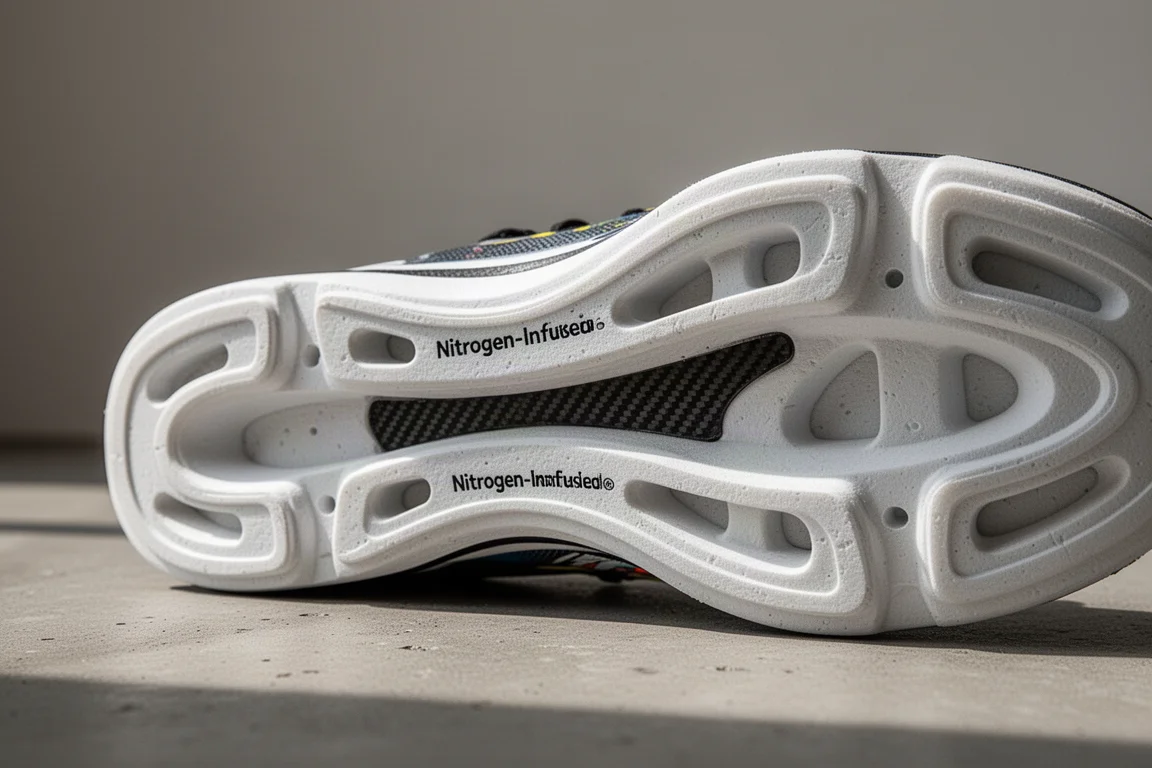
Both shoes share an 8 mm drop, and both stack heights go right up toward 40 mm at the heel, in line with World Athletics limits. The big difference is weight: the Alphafly 3 weighs 220 g (7.7 oz) in a UK 9/US 10, while the Fast R3 comes in at just 187 g (6.6 oz) in the same size, making it one of the lightest racing shoes available.
Fit and Sizing
The Alphafly 3 fits true to size with no concerns. It holds the foot well, the length is right, and the Atomknit showed no stretching over extended use. Stick to your normal size here.
The Fast R3 runs a little long. If sizing again, going half a size down is recommended for UK and US sizing. It also has a narrow, torpedo-like fit with noticeably more room in front of the toes. That said, it has been raced over a full marathon without major problems, and despite the featherweight upper there were no hot spots or rubbing. Just watch the length when ordering.
Ride Feel: How They Differ on the Run
The Nike is softer at the heel and does not feel as rocketed as the Puma, but it drives you forward onto those Air Zoom pods. You get bounce from the heel and then a punchy, responsive feel from the firmer forefoot pods. For a heel striker with high cadence, the transition from heel to toe is very quick and turnover feels excellent. It also feels cushier and more accommodating, especially at the back of the shoe, which makes it friendly to heel strikers and to anyone struggling late in a race. None of that softness turns mushy; it remains a fast, responsive shoe.
The Puma is firmer and poppier. The foam is not harsh in any way, having covered a marathon in it comfortably, but it is a little firmer than ZoomX. The design focuses on rolling you through and onto that extended carbon plate, which extends beyond the toes, for an aggressive toe-off. There is less sinking into the foam, and you barely notice the heel at all: you hit the midfoot and get rolled quickly forward. The plate has a mechanical, involved feel, positioning your foot and pushing you off, and it genuinely makes you run more efficiently. It is also dramatically lighter, and you notice that from the moment you pull it on. It feels like a very fast extension of your body.
Marathon Performance: Which Shoe Holds Up Late?
The Nike felt like a great marathon racer from day one, and any doubts about it being too big or not fast enough for shorter events were quickly dispelled: it has delivered a fastest-ever 10K plus plenty of fast 5K track sessions, while staying comfortable and accommodating over long distances. It is a genuinely great all-distance racer.
With the Puma, the initial doubt was whether such an exaggerated design would still feel good at the back end of a marathon. The opposite turned out to be true. The first half of the marathon felt great, and even as the last 10 miles got hard and the stride turned into more of a shuffle, the shoe kept rolling the foot through efficiently, delivering more speed than expected at that stage.
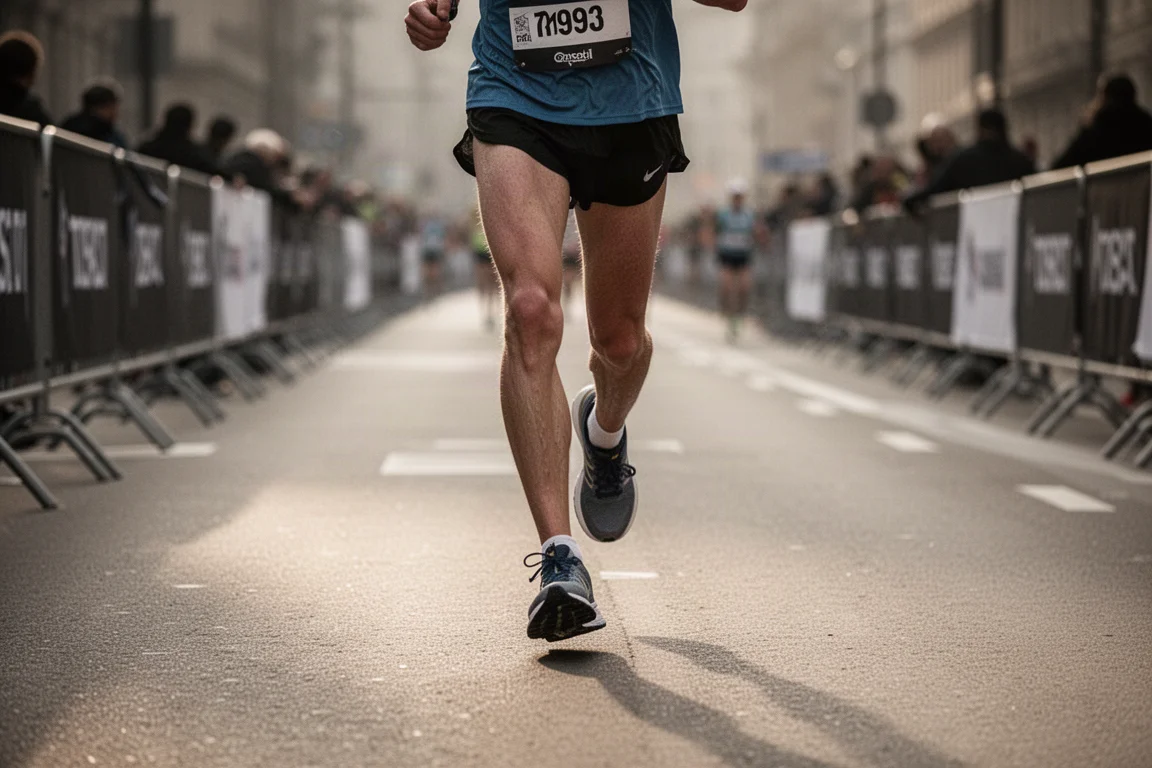
Both are fantastic shoes for running fast at any distance. If you tend to break down late in a marathon, the Nike’s slightly wider, softer and more supportive feel makes it more of a sure bet for the majority of runners. The Puma, though, is the pick for high-cadence runners who love a rocketed shoe.
Durability and Everyday Usability
The Nike may win on durability. After around 160 km (100 miles), it still feels very good: the outsole has held together well and the midsole remains bouncy. The Puma is suggested to last around 300 km (200 miles), and at 80 km a couple of small indents had already appeared on the outsole in the same place on both shoes. It is not affecting performance, but it does feel like a shoe built to run fast for a shorter period, which matters when both carry high price tags.
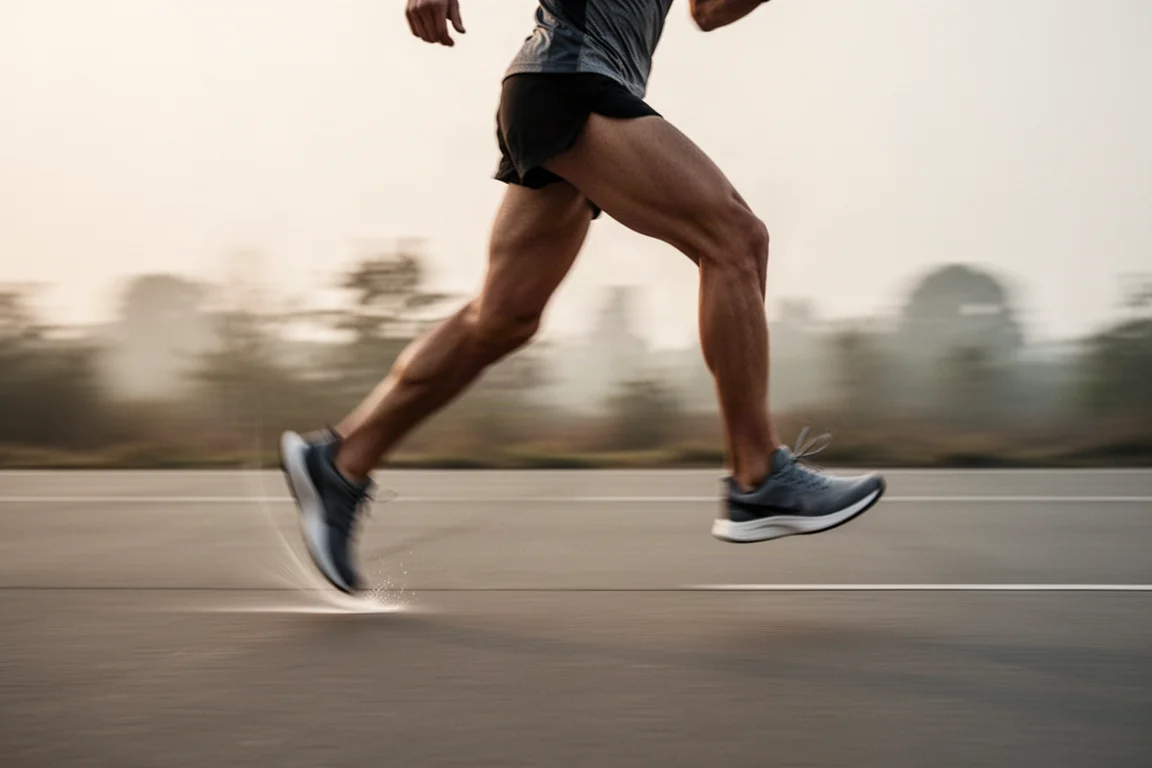
On general usability, the Nike has a slight edge. It has handled long runs through normal streets, cambered pavements, broken-up surfaces and busy sidewalks without issue. The Puma feels more set up for smooth, flat roads with lots of straights. It excels there, but it is a shoe you would likely save for races, track sessions and key workouts rather than daily use.
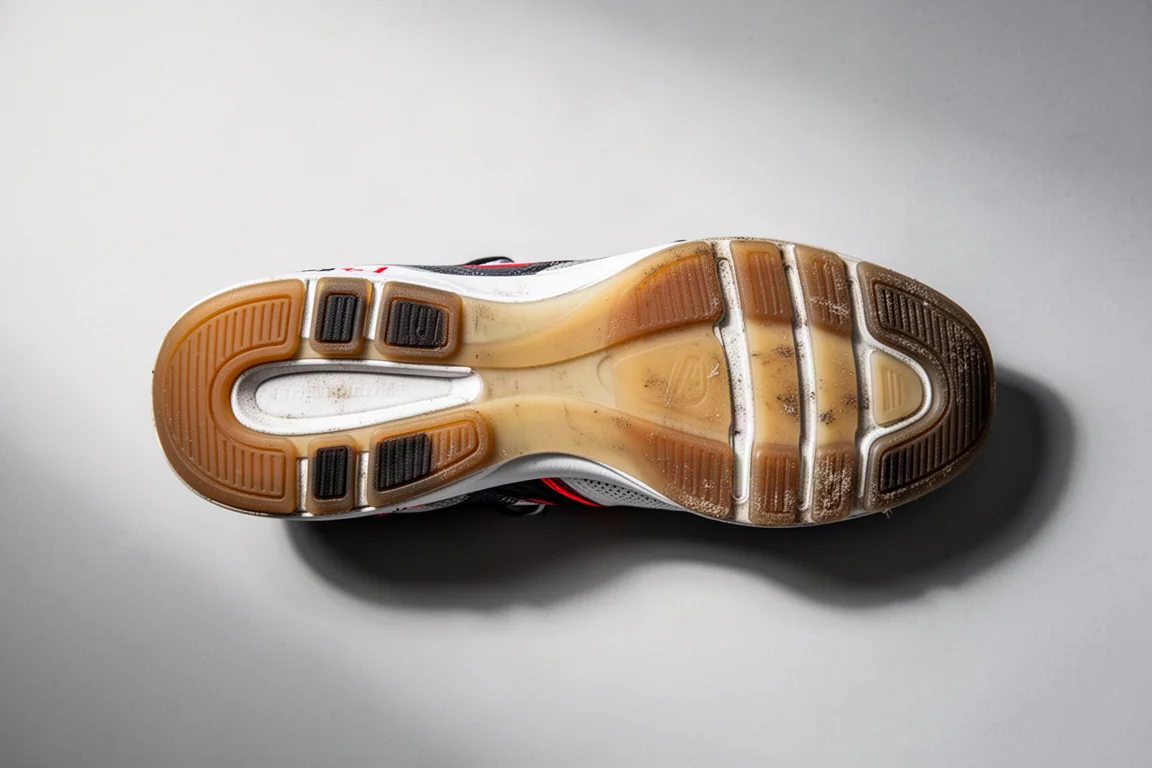
One more note from running in both back to back: the Alphafly feels wider, with a little foam either side of the foot adding a touch of stability. It is not a particularly stable shoe, but slightly more so than the Puma. It is also the louder shoe of the two, something you notice straight away. The Puma feels lighter and less noticeable on the foot, with rapid turnover quietly throwing you forward.
Verdict: Which Should You Buy?
Both are outstanding race shoes, and either could happily be the only racing shoe in a rotation for every distance. It comes down to preference on ride feel and availability.
All things considered, the Puma Fast R3 is the personal pick. It is a lightweight, rocketed shoe that gives a lot back in efficiency, and it feels like running at your best. The Alphafly 3 is arguably just as good on pure performance, slightly heavier, and geared a little more toward bounding runners who get more from very bouncy foam. It is less aggressive but springier, and if you have loved Nike shoes in the past, it will feel more familiar. It is also the safer, more accommodating choice for the marathon if you expect to struggle late in the race.
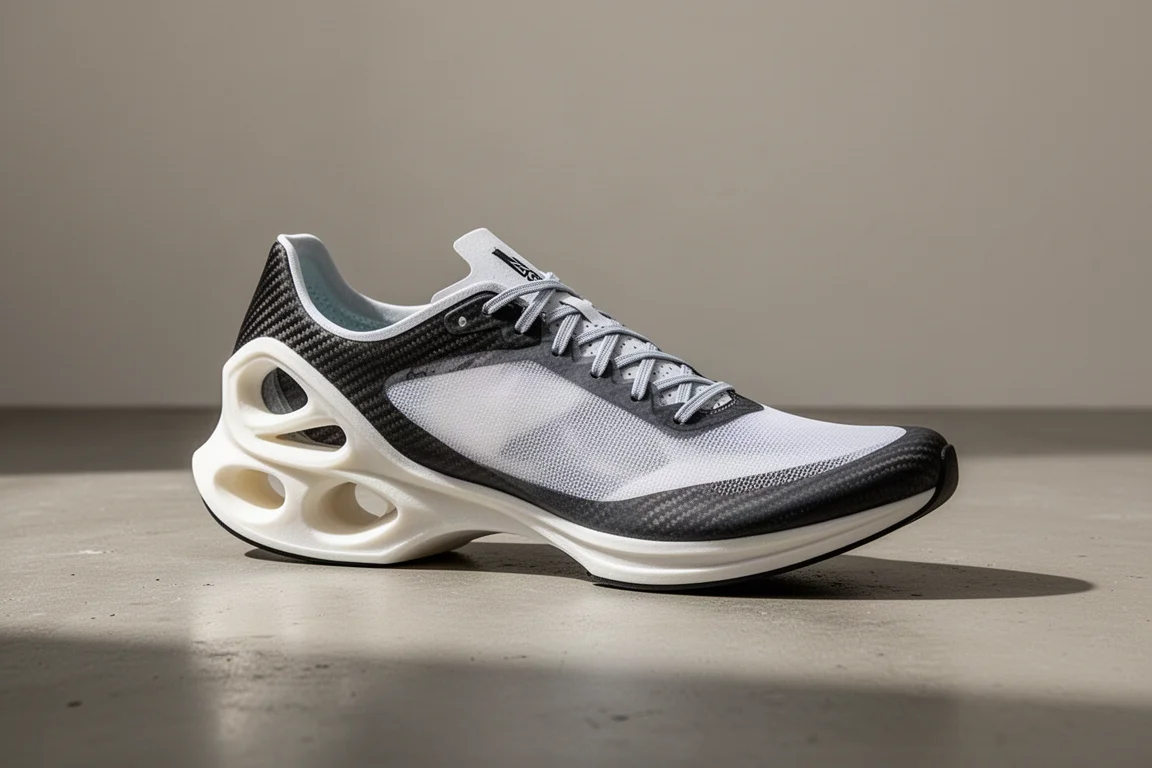
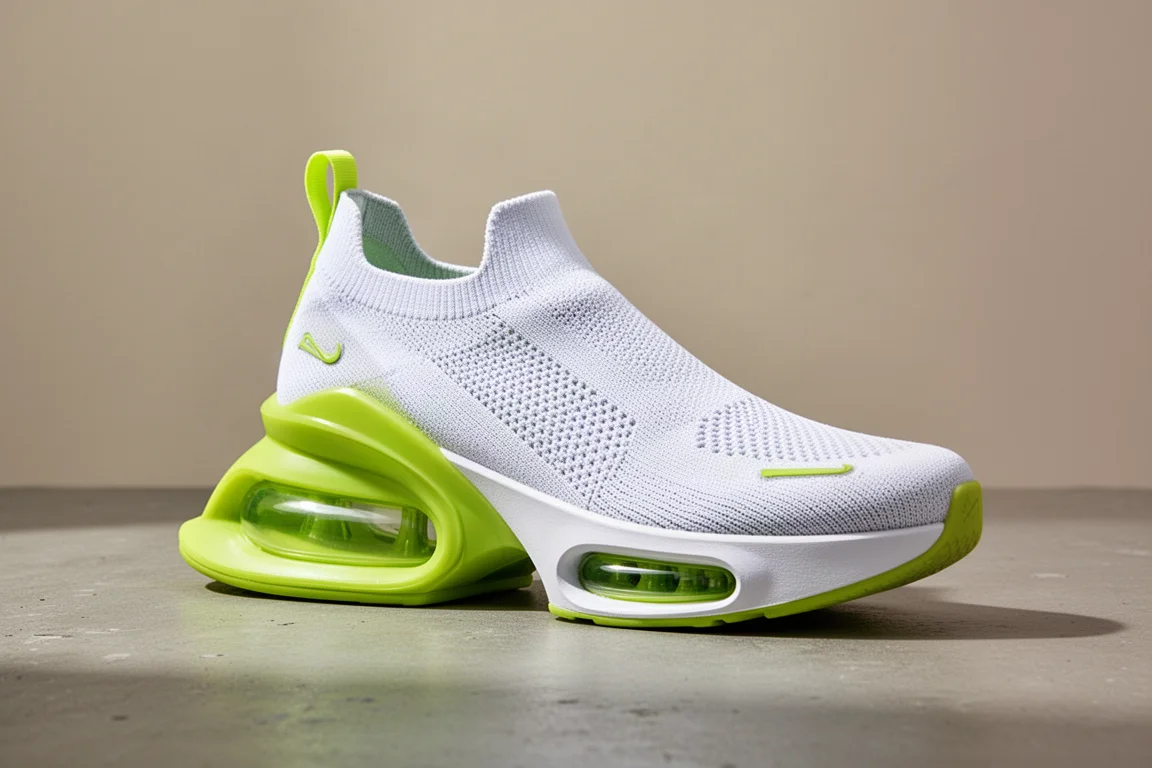
If you want the lightest, most involved, plate-driven ride and you are a high-cadence runner, go Puma. If you want a slightly softer, wider, more forgiving racer that is proven at every distance and may last longer, the Nike Alphafly 3 is the one.
Further reading
Related Reviews

Running Shoes
Best Road-to-Trail Running Shoes: Three Versatile Options for Mixed Terrain
A practical guide to three road-to-trail running shoes that handle both pavement and mild trails, with clear strengths and trade-offs for different runner types.

Running Shoes
Best Running Shoes for Achilles Tendonitis: Three Options Explained
Three running shoes with different heel drops and support features designed to help reduce Achilles tendon pain during walking and running.

Running Shoes
Best Running Shoes for Women: Five Top Choices Ranked
A ranked guide to five women's running shoes, from versatile daily trainers to high-performance racing options, with real strengths and trade-offs for each.