Running Shoes
Puma Fast R3 vs Adidas Adizero Pro Evo 2: Which Carbon Racer Deserves Your Money?
Two top-tier carbon race shoes with very different rides and very different price tags. We compare stack, weight, grip, fit and race-day feel to help you pick.
Introduction
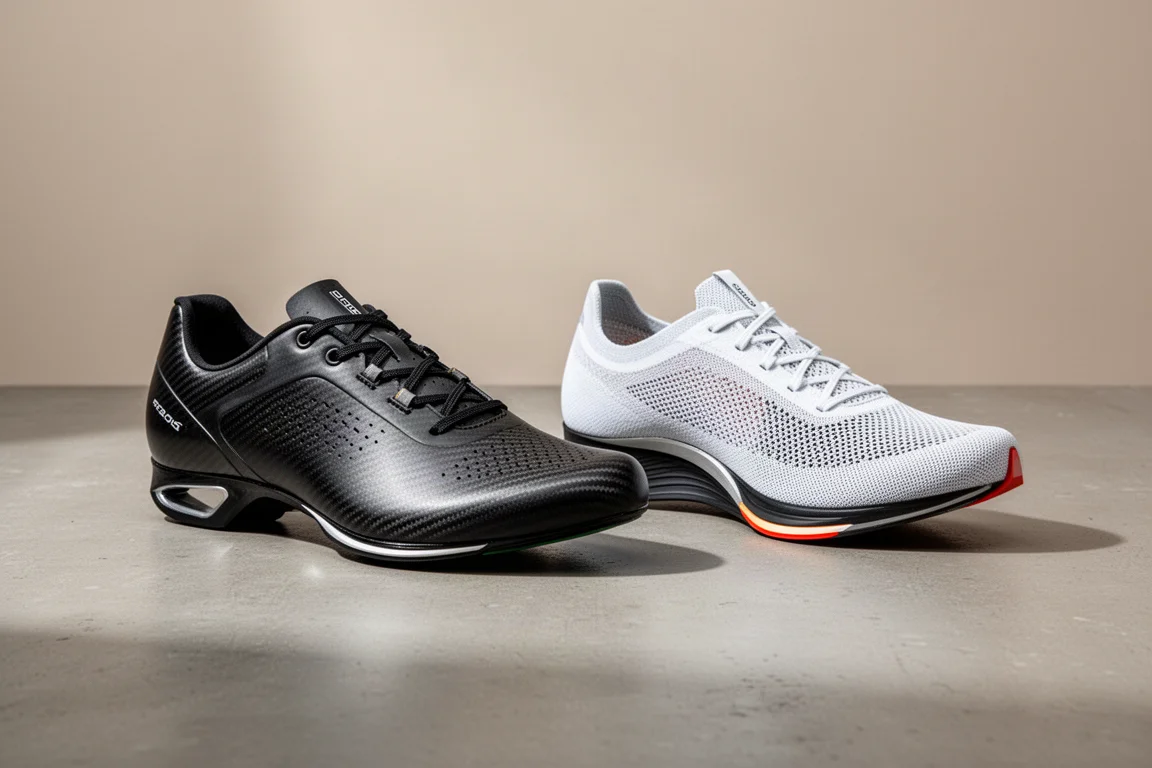
Two top-tier carbon race shoes, two very different philosophies. The Puma Fast R3 and the Adidas Adizero Pro Evo 2 both deliver genuine race-day performance, but they get there in very different ways, and they come with significantly different price tags. We have run both in hard training sessions and real races, from marathons to parkruns, and the differences between them matter more than you might expect.
Quick Specs: Stack, Weight and Price
The Puma Fast R3 packs 40mm in the heel and 32mm in the forefoot for an 8mm drop. The Pro Evo 2 comes in at 39mm heel, 36mm forefoot, for a much lower 3mm drop.
Weight is one of the big headlines. The Fast R3 is a light shoe at 6.2 oz (175g) in a UK 8.5 test size, but the Pro Evo 2 is significantly lighter at 143g (5 oz) in a UK 9 (US 9.5).
Price is the other headline. The Fast R3 costs around $300 in the US or £230 in the UK. The Pro Evo 2 is a different league entirely: $500 in the US and £450 in the UK.
Midsole and Construction
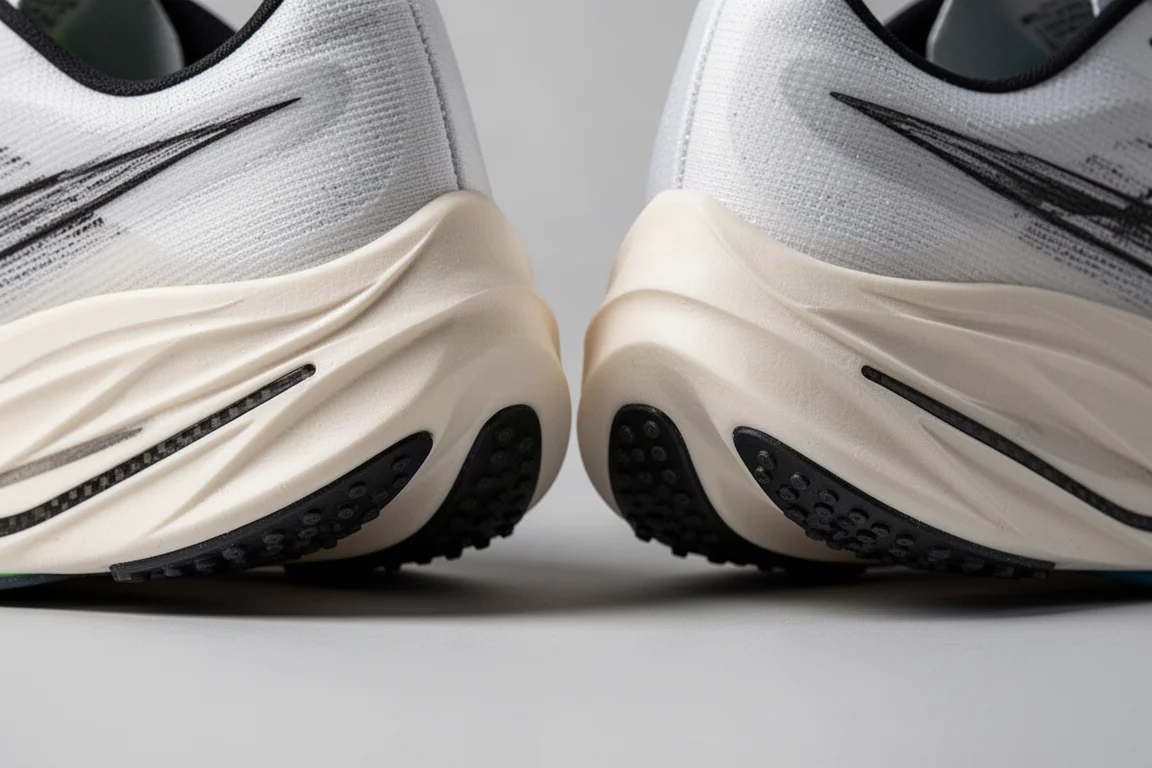
The Pro Evo 2 uses an aggressively rockered midsole with Lightstrike Pro Evo foam, an ultra-light, high-bounce foam aimed at excellent rebound and energy return. Carbon Energy Rods 2.0 are embedded in the midsole to add stiffness and a bit of extra propulsion.
The Fast R3 takes a different route. Its decoupled midsole uses Puma’s Nitro Elite supercritical foam, with a restructured carbon power plate in the middle featuring seven layers of carbon laid down for maximum benefit based on computational design. There is a lip out front that provides extra leverage at toe-off, plus a big sweeping heel cutaway informed by virtual prototyping to shave off any foam that was not doing a job.
Up top, the Adidas uses a very thin, minimal engineered mesh with a racy heel package, very little structure and a super minimal tongue. The Fast R3 has a light, breathable ultraweave upper that feels durable, with an equally thin tongue but a heel collar with more traditional padding. That adds a little weight but also a bit of comfort.
Underfoot, the Pro Evo 2 outsole has a slick-looking rubber covering with ridges and grooves for traction. The Puma has a large pad of Puma grip across the forefoot plus pads in the key heel impact zones, giving a fuller covering up front.
Ride and Race Feel
The Fast R3 delivered a real “wow” sensation out of the box. Running in it feels almost mechanical, with the plate pushing you into a certain position, and it is hyper-efficient. Steady runs have come out considerably faster than expected, and holding what amounts to around 2.5-hour marathon pace felt remarkably cruisy. It simply makes you feel like you are running faster than you think you are.
The Pro Evo 2 has a different character. It feels a lot fuller underfoot, with more foam than the fairly barebones Fast R3, and it does not roll quite so naturally. It is very fast and turns over well, but it is a shoe that some testers struggle in a bit more when fatigue sets in, whereas the Fast R3 is surprisingly accommodating when form starts to break down. The Pro Evo 2 also did not feel as wildly new as expected for such an expensive, hyper shoe. It just felt very effective and very fast.
One caveat: neither tester is a mid-pack runner, so runners coming in at slower paces may find these shoes feel very different for them.

Real Race Results
Both shoes have delivered PBs in real racing. The Fast R3 carried one tester to a fastest-ever London Marathon time (his second-fastest ever overall) and a five-mile PB, plus a follow-up fastest-ever marathon in Dublin. A lab-based oxygen exchange efficiency test at Puma’s HQ also showed it as the more efficient shoe against a control, and crucially that efficiency has translated to the real world in testing.
The Pro Evo 2 produced a half marathon PB and has been used for hard track and road sessions, ideally in dry conditions.
A notable data point: the Fast R3’s halfway split in a hot London Marathon was only about a minute slower than the tester’s eventual half marathon PB in the Pro Evo 2, and in that same race he passed around 80 runners in the second half despite a big positive split. The shoe kept delivering even as fatigue set in.
Grip: The Big Difference
This is the deal-breaker. The Pro Evo 2 simply does not grip well in wet conditions. In a mile time trial on really wet roads, grip struggles were significant, and warming up on wet London streets required walking on stretches where other shoes cope perfectly. For a shoe at this price, it is a serious shortcoming.
The Fast R3 handled a super-wet Dublin Marathon with excellent grip. Its full forefoot Puma grip pad and heel pads have also coped well with the mileage so far.
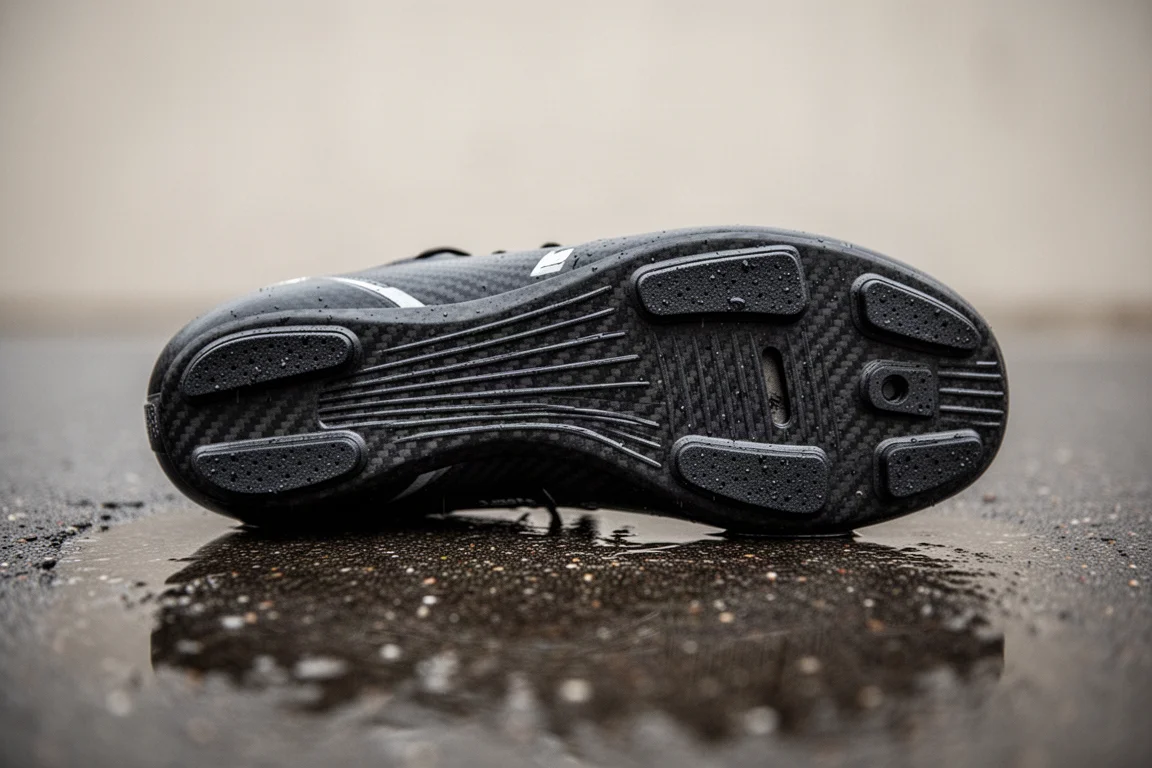
One consideration in the Pro Evo 2’s favour: there is not much going on in the Fast R3’s heel. If you think there is a chance you will end up in the last six miles of a marathon landing heavy and ragged, the Pro Evo 2’s fuller midsole may give you a bit more underfoot protection.
Durability Underfoot
The Fast R3 is more direct underfoot with less protection coming up. Even when running at your fastest, towards the end of a marathon you do feel more of the road impact. It is not uncomfortable, but you are aware of it. The Pro Evo 2 did not produce that sensation at all up to the half marathon distance, and its extra foam gives a fuller, more cushioned feel.
Fit and Sizing
The Adidas Adizero Pro Evo 2 runs a bit small. A UK 9 in Puma corresponds to a US 10, while a UK 9 in Adidas is a US 9.5. If you are in the UK, consider going half a size up in the Adidas, as it can come up cramped around the toes, especially for longer events. Elsewhere, it is effectively true to size. The toe box is narrow and still quite cramped even half a size up, with minimal heel padding and a paper-thin tongue that offers little lace padding. If you had toe problems in the Pro Evo 4, sizing up helps here too.
The Puma Fast R3 comes up quite long with a torpedo-like shape, so consider going half a size down. It is a narrow shoe with a stretchy toe knuckle area, but midfoot lockdown is secure, and the more padded heel collar adds comfort and security. The upper material also feels slightly nicer than the Adidas, which is a little plasticky to the touch.
Verdict: Which Should You Buy?
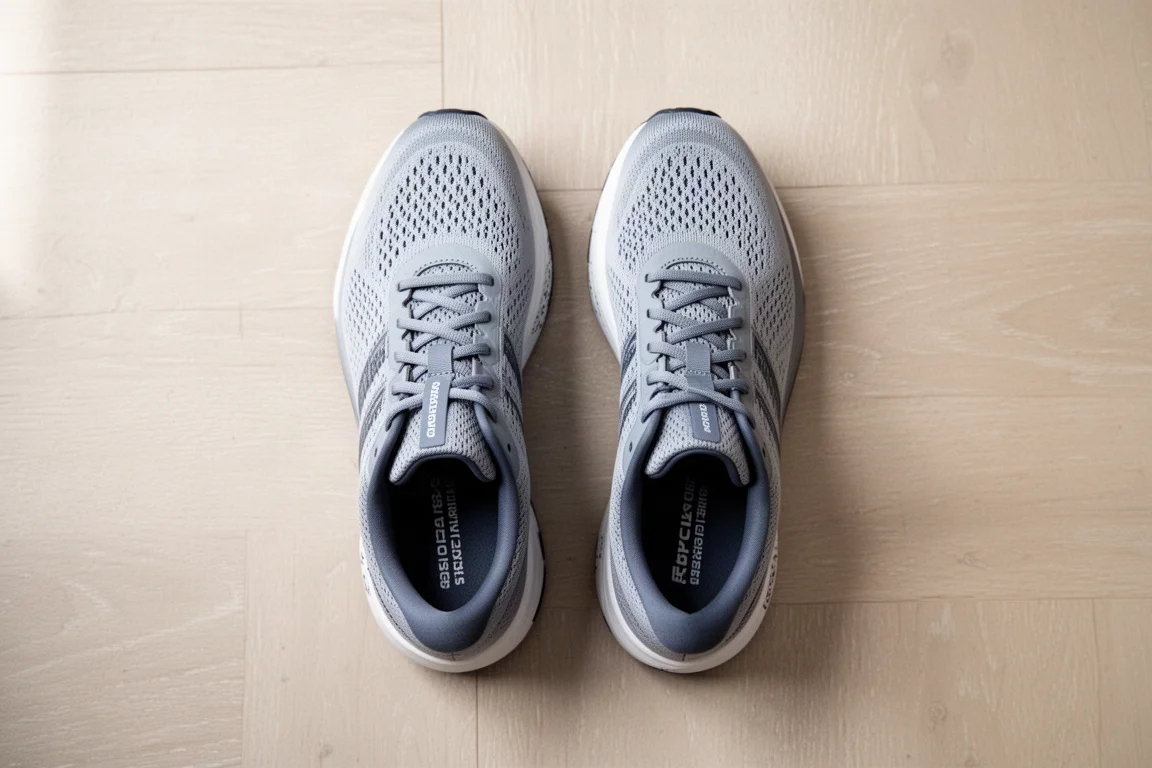
Set price aside for a moment and both testers agree: the Fast R3 is the preferred race shoe. It turns over extremely effectively, feels different to other carbon shoes on the market, kept delivering even when form was breaking down at the end of a marathon, and it grips in the wet. The Pro Evo 2 may offer more bounce with its fuller midsole when you feel great, but the grip deficiency and the price make it hard to recommend over the Puma.
It is also worth noting that if the Pro Evo 2 were the more efficient shoe for the majority of runners, we would likely have seen published data to back that up, in the same way efficiency data was published for the Fast R3.
The Pro Evo 2 is not a bad shoe. It is stellar, very fast, and gives a lighter, more cushioned ride. But at $500 or £450, with wet-weather grip that fails where other shoes get on with the job, the Puma Fast R3 at $300 or £230 delivers the more exciting, more complete package for most racers. If you are racing tomorrow, the Fast R3 is the pick.
Conclusion
Both of these are right up there among the top tier of carbon race shoes, and both have delivered PBs in real racing. The Fast R3 earns the overall verdict for its efficiency, wet-weather grip, and lower price. The Pro Evo 2 makes sense if you race in reliably dry conditions, want the lightest possible shoe, and are happy to pay a substantial premium for it.
Product link
View more details for Puma Fast R3
This product is mentioned in the review. Check the specifications, options, and compatibility before buying.
View more details for Puma Fast R3Further reading
Related Reviews

Running Shoes
Best Road-to-Trail Running Shoes: Three Versatile Options for Mixed Terrain
A practical guide to three road-to-trail running shoes that handle both pavement and mild trails, with clear strengths and trade-offs for different runner types.

Running Shoes
Best Running Shoes for Achilles Tendonitis: Three Options Explained
Three running shoes with different heel drops and support features designed to help reduce Achilles tendon pain during walking and running.

Running Shoes
Best Running Shoes for Women: Five Top Choices Ranked
A ranked guide to five women's running shoes, from versatile daily trainers to high-performance racing options, with real strengths and trade-offs for each.