Running Shoes
Puma Fast R3 vs Adidas Adios Pro 4: Two Marathon Racing Shoes Compared
A head-to-head look at two popular marathon racing shoes, the efficiency-focused Puma Fast R3 and the softer, more forgiving Adidas Adios Pro 4.
Introduction
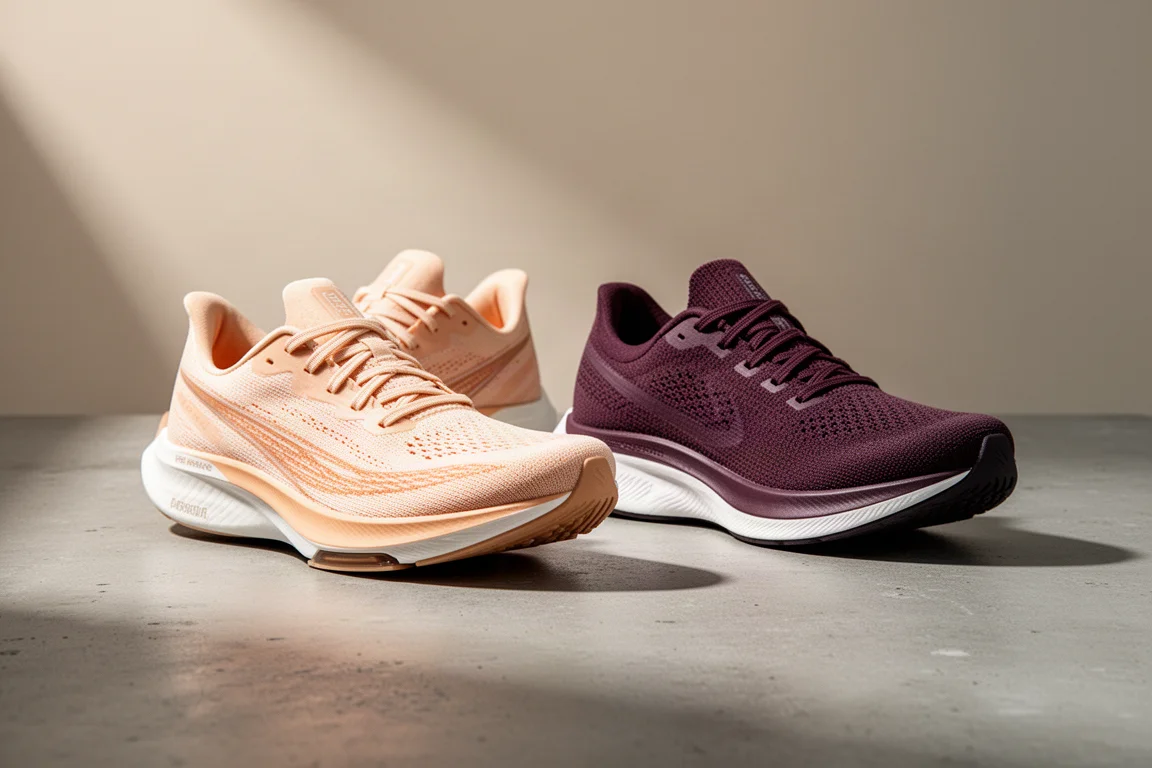
Marathon racing shoes have split into two philosophies. One chases efficiency: strip weight, sharpen the geometry, and ask the runner to bring the effort. The other chases comfort: keep the ride soft, forgiving, and easy to live with over a long race.
The Puma Fast R3 and the Adidas Adios Pro 4 sit on opposite ends of that divide, and both have produced genuinely fast sessions. This comparison looks at what each shoe is built to do, how they behave at threshold pace on tired legs, and which one makes more sense depending on how you train and race.
What Separates These Two Marathon Racers
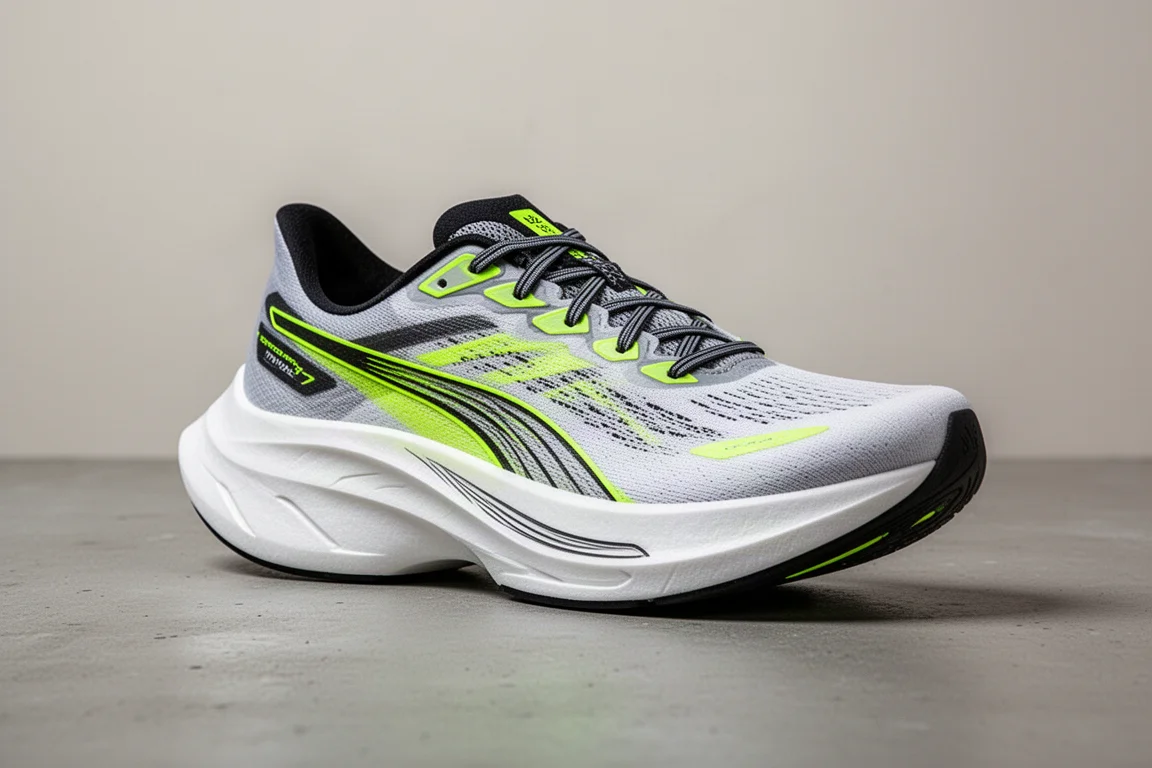
The Fast R3 is defined by three things working together: the foam, the geometry, and a plate that protrudes forward under the forefoot. The heel and forefoot are decoupled, which is unusual in this category, and the whole package has been kept very light. That combination is the core of its efficiency story, meaning more speed at the same perceived effort rather than a softer, plusher ride.
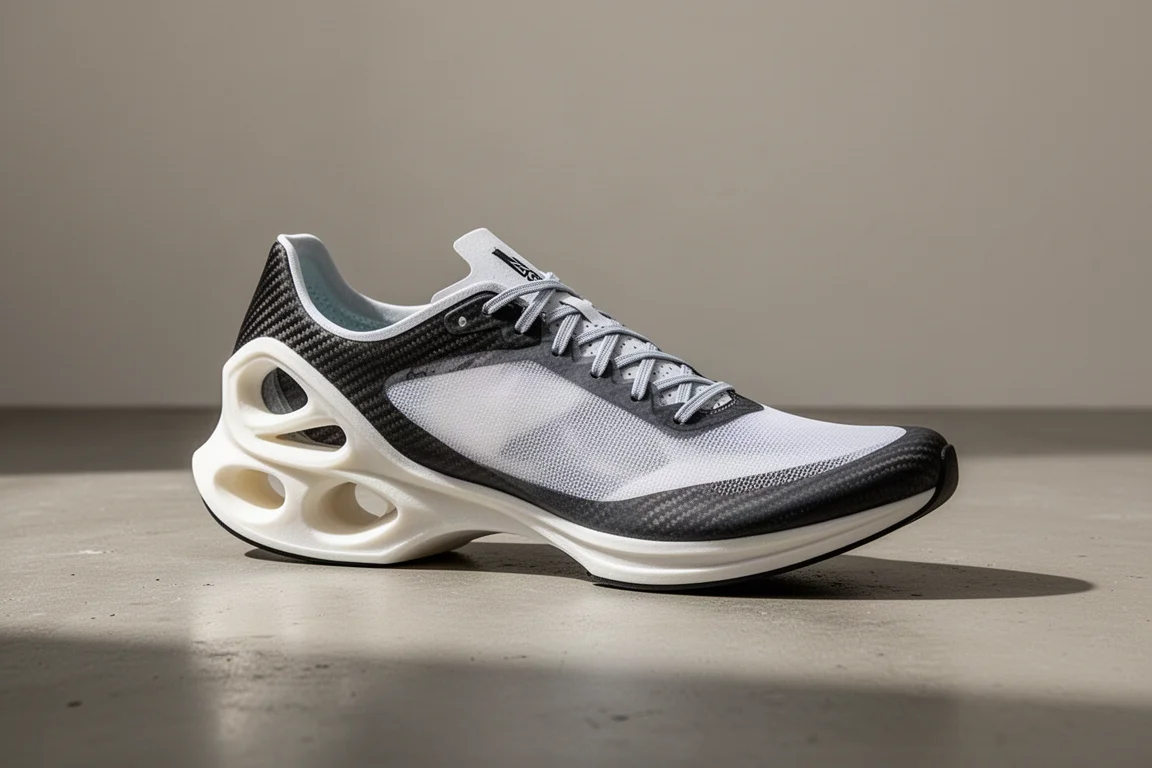
The Adios Pro 4 takes a more conventional route to the same goal. Instead of a full-length carbon plate, it uses energy rods, and it pairs them with a noticeably softer foam. The construction is not extreme in any single direction, and it feels like a relatively normal racer as long as the foam underfoot is consistent.
The weight gap is real. Measured on the same scale, the Fast R3 came in at roughly 190 g and the Adios Pro 4 at roughly 215 g, a difference of about 25 g, or roughly 10 to 12 percent. That is meaningful in a marathon shoe, but the savings have to come from somewhere.

They come from foam volume. The Fast R3 carries less foam through the midfoot and the heel, so the stack height reads similar while the actual material underneath you is thinner. Less foam means less cushioning and less support deep into a long run, which is exactly where a marathon is decided. Lighter and faster on paper, more demanding on the body in practice.
Puma Fast R3: Engineered for Efficiency
The Fast R3 is best understood as a shoe that pays you back at high effort. Run it at roughly 95 percent effort and the efficiency gains show up. Drop below that and the shoe offers less than a more forgiving alternative might. It is an aggressive, grip-and-rip kind of ride: firm underfoot, unforgiving, and not built around comfort.
The landing platform explains a lot of that. The outsole cut runs further forward than on most racers, which pushes you onto the forefoot. Runners who naturally land there will feel more at home than heel strikers or runners with a flatter foot strike, who may find themselves thinking about how they are landing rather than simply running.
There is an interesting nuance here. Published breakdowns of the design note that this generation is actually softer and less stiff than the previous version, and more flexible than several competitors. On foot it still reads as firm and rigid, which shows how much the geometry shapes the perception.
The upper is functional but not the highlight. There is a small amount of bunching across the top of the foot, and the heel position feels as though the upper sits back relative to the foam and plate, which produces an odd standing sensation. Walking and easy jogging are genuinely unpleasant, and cooldowns in it are a chore.
Adidas Adios Pro 4: Comfort Without Losing Speed
The Adios Pro 4 leans hard in the other direction. The foam is soft, the platform gives easily under hand pressure, and the shoe is designed around comfort as much as speed. Handled well, that softness translates into a ride that disappears underfoot.
Two details make it easier to live with. The heel is more substantial and extends further at the back, which helps stability at walking pace and slower running. The upper is excellent as well: the material lays smoothly across the top of the foot without the bunching found on the Fast R3, and in the correct size it fits closely and comfortably.
It is not slow. Two continuous miles at threshold landed right around 520 flat in this shoe, at the faster end of the target range. The softer platform does not seem to cost speed, and durability feedback so far suggests it holds up well over time, in line with the previous generation.
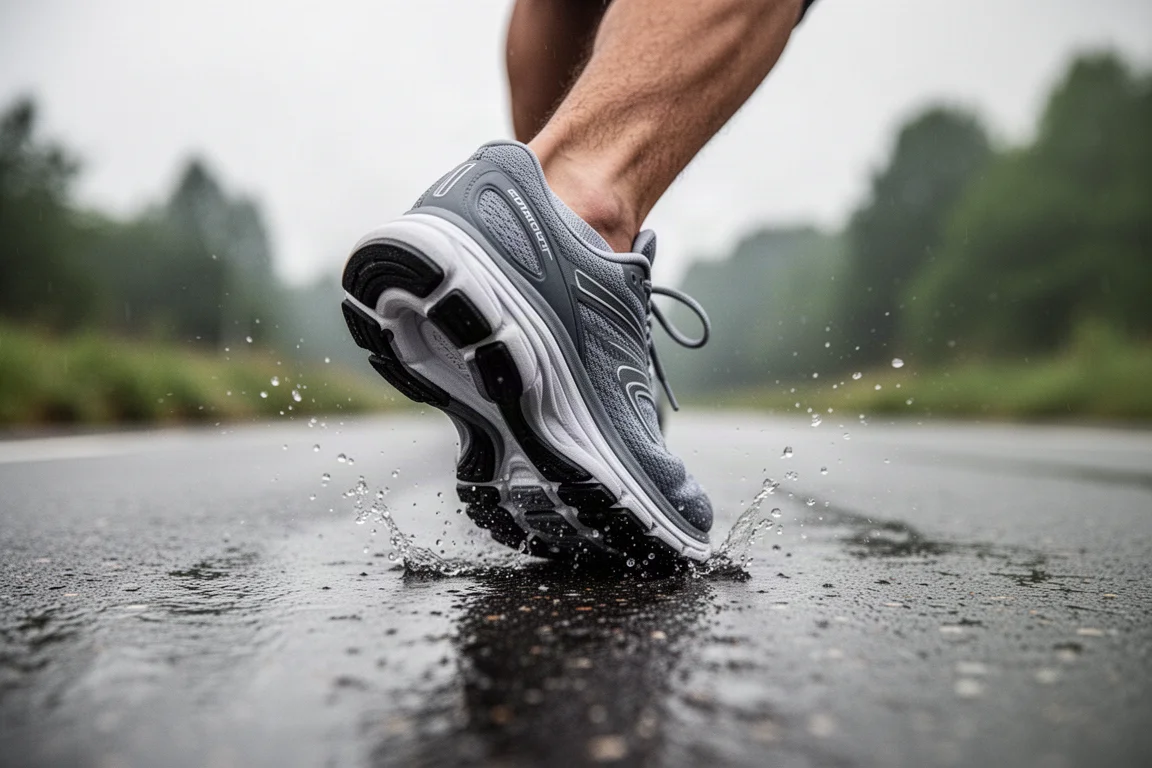
There are two caveats worth knowing. First, the heel has a split or divot at the rear, and closing it up would add only a few grams while improving the feel. It is the most obvious critique of an otherwise polished shoe. Second, softness can vary between pairs. Sizing has also been inconsistent across recent Adidas running shoes, and getting the right size mattered a great deal here: the same shoe in the wrong size felt dramatically worse than it does in true to size.
Head-to-Head at Threshold Pace
The direct test was four sets of two miles at threshold, targeting 530 per mile or faster, run in warm conditions with fatigue building.
The Adios Pro 4 handled the first half of the session with a 535 opener on an uphill mile, then 524, then a pair of miles around 520 flat. It felt smooth and controlled throughout, with no sense of fighting the shoe.
The second half was run in the Fast R3 on tired legs. The opening set was quick, but the final two-mile set came in around 537, and the more telling detail was the feel: switching into the Fast R3 did not feel faster or easier, it felt mechanical, as though the run had to be pressed out rather than flowed through. Part of that is fatigue and heat, and the pace gap is small in absolute terms. But the Fast R3 was not transformative, and its efficiency benefit only shows up when you are already running near your ceiling. On a day when the last rep is survival, the shoe does not rescue you.
Fit, Sizing, and Quality Control
Fit and feel easily go to the Adios Pro 4. It is a shoe that can be forgotten about once it is on, which is the highest compliment in this category. The Fast R3 is the opposite: it is always noticeable, and it will be most noticeable to runners who land further back.
Sizing deserves attention on both, and especially on the Adidas side. Some recent pairs have shown noticeable variation in foam softness, including differences between the left and right shoe, which affects how stable and how soft the ride feels. That is a quality consistency question rather than a design flaw, but it is a reason to try before committing to a long training block, and to buy from a source with a workable return policy.
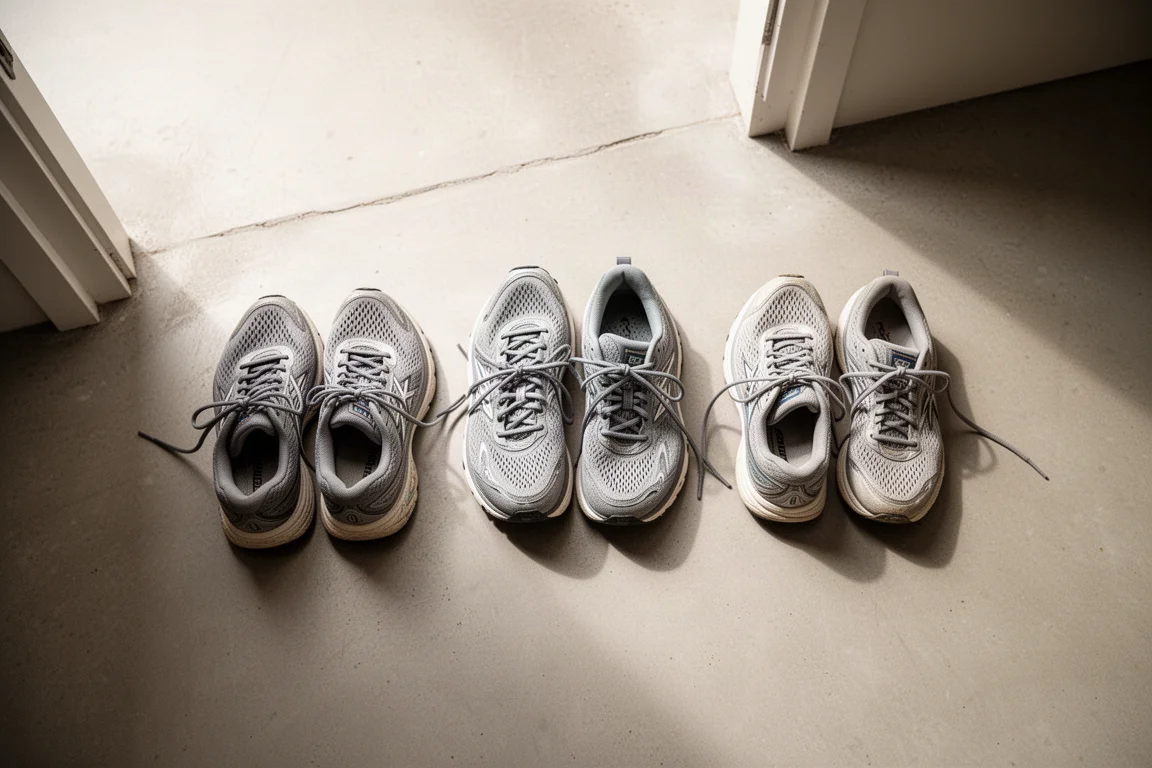
Either way, treat sizing and consistency as part of the buying decision rather than an afterthought. A marathon shoe that fits properly and rides consistently is faster than a theoretically superior one that fights your foot for hours.
Durability and the Lightweight Trade-Off
Lightweight racing shoes trade material for speed, and the Fast R3 is a clear example. Less foam in the midfoot and heel means less material to compress and lose over time, but it also means less support in the late miles of a long effort. If your form holds, the shoe keeps working. If it does not, the shoe cannot compensate.
The Adios Pro 4 sits in a more forgiving place. Durability feedback so far has been positive, and the shoe appears to handle both training and racing rather than being reserved for race day only. That flexibility is worth a lot if you would rather own one fast shoe than two.
Buying Advice: Matching the Shoe to the Session
Choose the Puma Fast R3 if your priority is top-end speed in shorter, harder efforts, and if you are comfortable landing on the forefoot and holding aggressive paces. It rewards commitment and asks a lot of you below that intensity. Whether it is the right call for a full marathon is a fair question, given how much the ride asks of you once fatigue sets in.
Choose the Adidas Adios Pro 4 if you want one fast shoe that can also handle long runs, threshold sessions, and the walking around that comes with race weekend. It is softer, more stable at slower paces, and far easier to spend time in. Its main risks are pair-to-pair variation and the rear heel split, both of which are manageable if you get the size right.
On price, the Adios Pro 4 has appeared in the resale market at around $150 and below, which lowers the cost of finding out whether it suits you.

The most useful approach is to decide based on your longest and hardest sessions. A shoe that feels fast for five miles but unlivable at twenty is a race-day tool at best. A shoe that stays comfortable deep into a long run gives you more chances to use it well.
Conclusion
Both shoes are fast, and the difference between them is not really about which is quicker in a straight line. It is about what each one asks of you.
The Puma Fast R3 delivers efficiency at very high effort with a brutally light, forefoot-oriented build. If you race short and hard, it makes sense. The Adidas Adios Pro 4 delivers a softer, more forgiving ride that still hits threshold pace, and it is the easier shoe to train and race in for most runners over long distances. For a marathon block that mixes training and racing, the Adios Pro 4 is the simpler recommendation, provided the pair you receive is a good one.
Further reading
Related Reviews

Running Shoes
Best Road-to-Trail Running Shoes: Three Versatile Options for Mixed Terrain
A practical guide to three road-to-trail running shoes that handle both pavement and mild trails, with clear strengths and trade-offs for different runner types.

Running Shoes
Best Running Shoes for Achilles Tendonitis: Three Options Explained
Three running shoes with different heel drops and support features designed to help reduce Achilles tendon pain during walking and running.

Running Shoes
Best Running Shoes for Women: Five Top Choices Ranked
A ranked guide to five women's running shoes, from versatile daily trainers to high-performance racing options, with real strengths and trade-offs for each.