Running Shoes
Puma Fast-R Nitro Elite vs Nike Alphafly Next%: Which Marathon Racer Wins?
Two high-stacked carbon-plated marathon super shoes with remarkably similar rides. Here is how the Puma Fast-R Nitro Elite stacks up against the Nike Alphafly Next%.
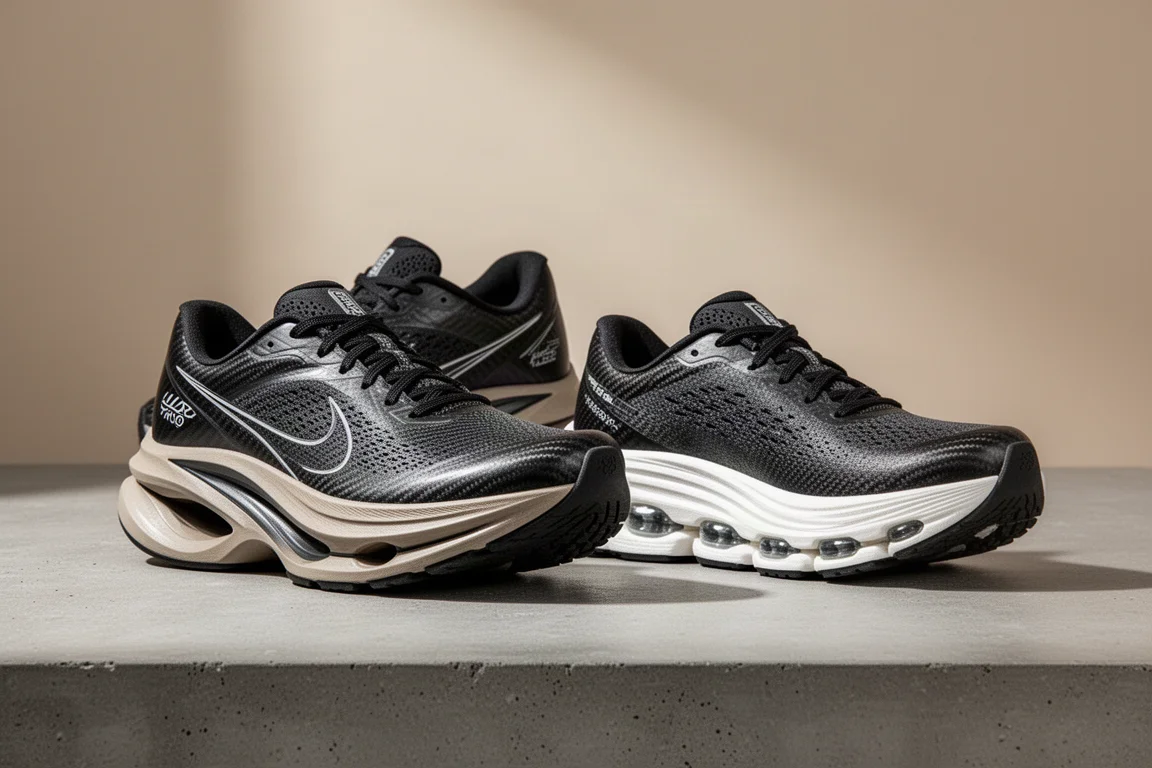
Introduction
The Puma Fast-R Nitro Elite and the Nike Alphafly Next% are two of the most closely matched marathon racers available right now. Both are high-stacked, carbon-plated super shoes, and the question worth asking is whether the Puma could genuinely be an Alphafly killer. After running in both, the honest answer might be yes.
Weight and Specs
Weight is where the two separate slightly. The Alphafly Next% comes in at 8.0 ounces in men’s 9.5, while the Puma Fast-R Nitro Elite measures 7.7 ounces in the same size, making it a touch lighter while keeping a similarly high stack. Both shoes use a heavily tuned carbon plate designed to load and release rather than simply prop you forward.
Across the spec sheet they are remarkably similar, and that carries over to the ride: out of all the super shoes tried so far, these two feel the most alike.
How Their Rides Compare
The Alphafly uses soft ZoomX foam in the heel with an exposed plate and a firmer air pod up front. You sink in, load the platform, and snap off the forefoot. The Fast-R delivers a very similar sensation, just through a different recipe.

The Puma pairs a firmer EVA heel with a nitrogen-infused PEBA midsole in the forefoot. The plate sits high in the heel and spoons down through the forefoot, with a decoupled midsole under the arch. That sharp bevel in the heel rocks you quickly onto the midfoot, and from there you drop onto the softer, bouncier front end. The firmer heel helps you land, roll forward, and load the plate so toe-off stays responsive.
Puma Fast-R Nitro Elite: A Firmer Heel, A Softer Forefoot
The dual-midsole setup feels unusual at first, but the payoff is a rolling transition that is smooth, fast through the heel, and explosive at the forefoot. The Nitro Elite foam is soft and bouncy, and there is enough of it to deliver real spring without feeling sluggish.
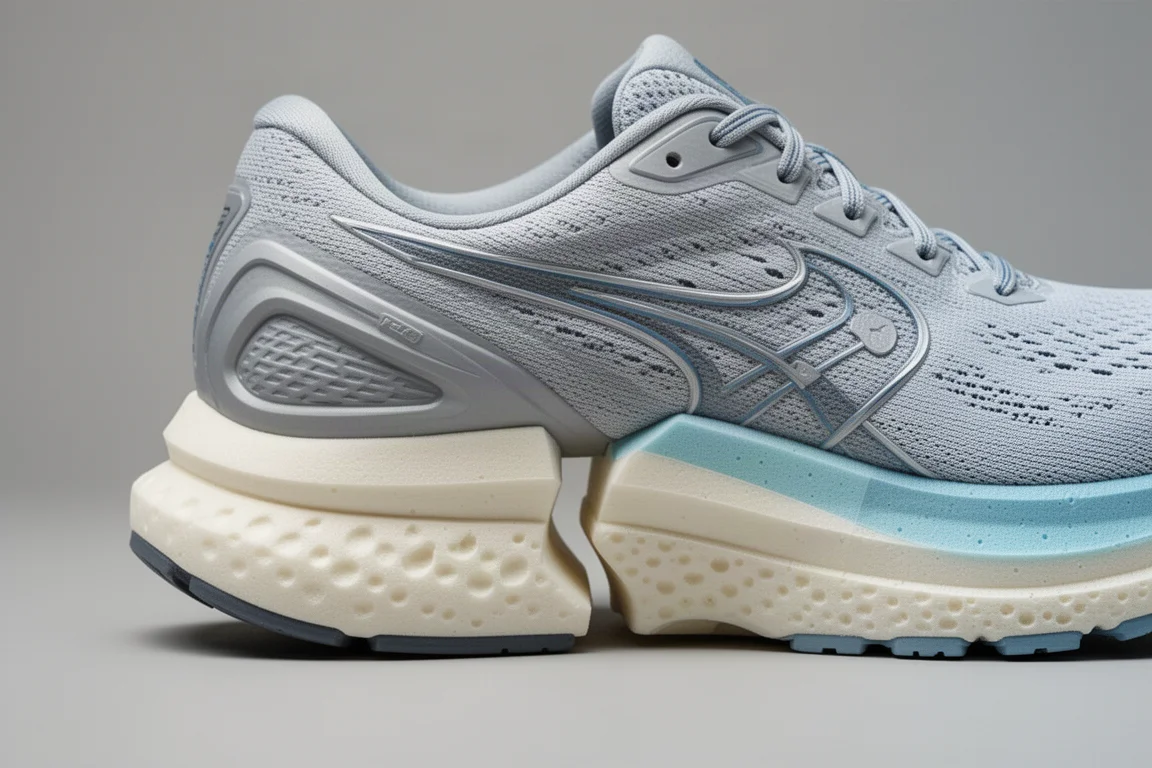
One caveat: if you have midfoot instabilities, the decoupled midsole can feel a little wonky. For neutral runners the geometry gets more fluid the faster you go, which makes it a strong pick for marathon and half marathon pace, with enough range to justify use down to 10K or 5K.
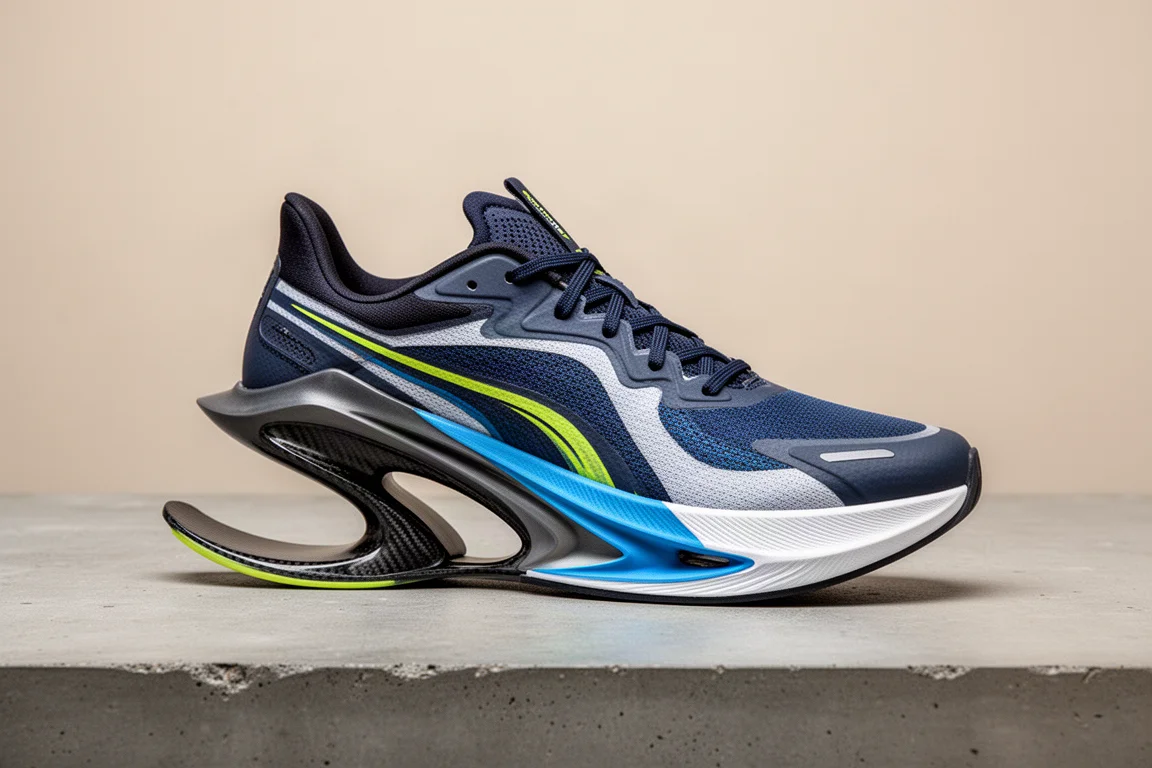
Nike Alphafly Next%: Soft Foam With A Snap
The Alphafly remains the benchmark. Its forefoot feels firmer than the Puma’s but pops immediately off the ground, and after around 115 miles it is still holding up well, which bodes well for durability across a training block.
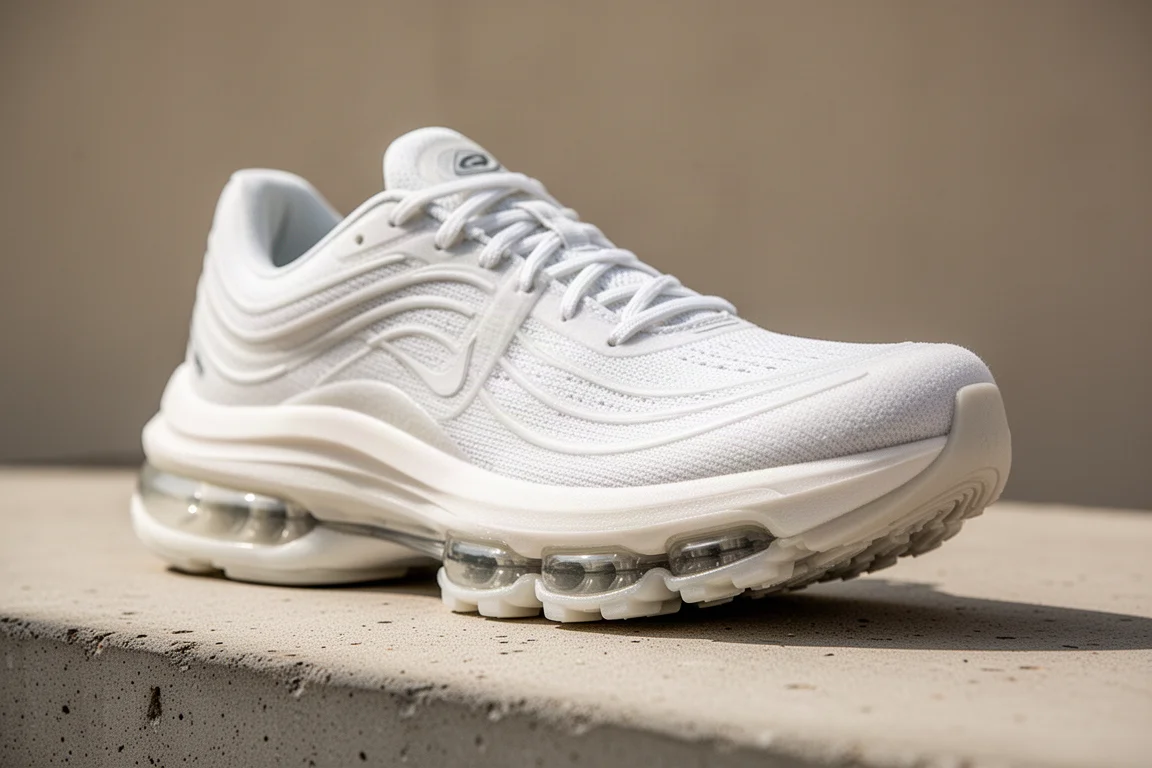
Like the Fast-R, it leans toward longer distances, with that land-load-snap forefoot sensation that defines the modern marathon racer.
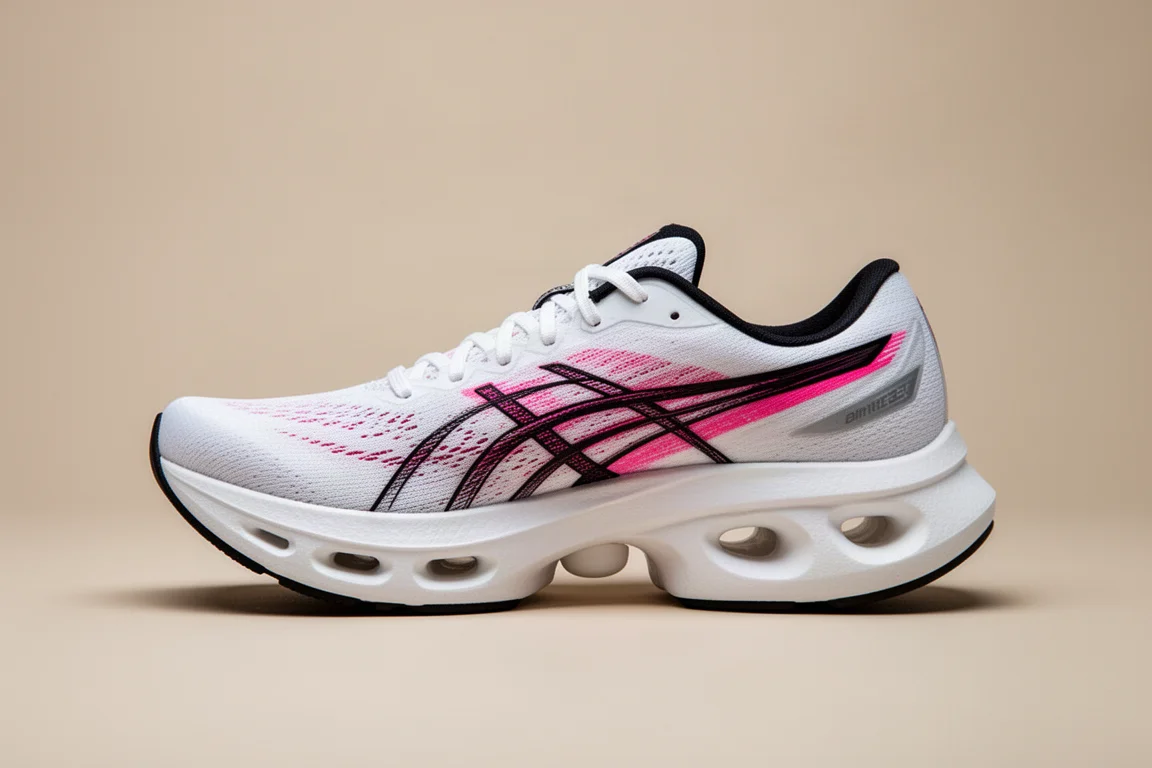
Overall Buying Advice
Both shoes are at their best at half marathon and marathon pace, and both can stretch down to 5K if you want a single race-day shoe. In a test session that included a 12K tempo with 3K and 1K intervals around 5:05 mile pace and floats near 5:40 pace, the Puma felt dialed in, though at slightly slower paces it started to feel like a lot of shoe.

Comfort-wise, the Puma worked slightly better for the tester’s foot, and with only about 15 miles logged so far, long-term durability is still an open question. The Alphafly has already proven it can hold its responsiveness over 115 miles. If you are choosing today, the Puma is the slightly lighter, smoother-riding option; if you want a proven track record, the Alphafly is the safer bet.
Conclusion
The Fast-R Nitro Elite is a genuinely serious rival to the Alphafly Next%: lighter, similarly stacked, and with a forefoot ride that is strikingly close. If your racing lives at marathon or half marathon distance and you want smooth, fast transitions, it may well be the Alphafly killer it is being talked up to be.
Further reading
Related Reviews

Running Shoes
Best Road-to-Trail Running Shoes: Three Versatile Options for Mixed Terrain
A practical guide to three road-to-trail running shoes that handle both pavement and mild trails, with clear strengths and trade-offs for different runner types.

Running Shoes
Best Running Shoes for Achilles Tendonitis: Three Options Explained
Three running shoes with different heel drops and support features designed to help reduce Achilles tendon pain during walking and running.

Running Shoes
Best Running Shoes for Women: Five Top Choices Ranked
A ranked guide to five women's running shoes, from versatile daily trainers to high-performance racing options, with real strengths and trade-offs for each.