Running Shoes
Puma Fast-R Nitro Elite vs Fast-R 2 Nitro Elite: Which Long-Distance Racer Fits You?
A head-to-head look at Puma's two long-distance racing shoes, covering stack height, foam changes, the extended plate, upper fit, and who each version suits best.
Introduction
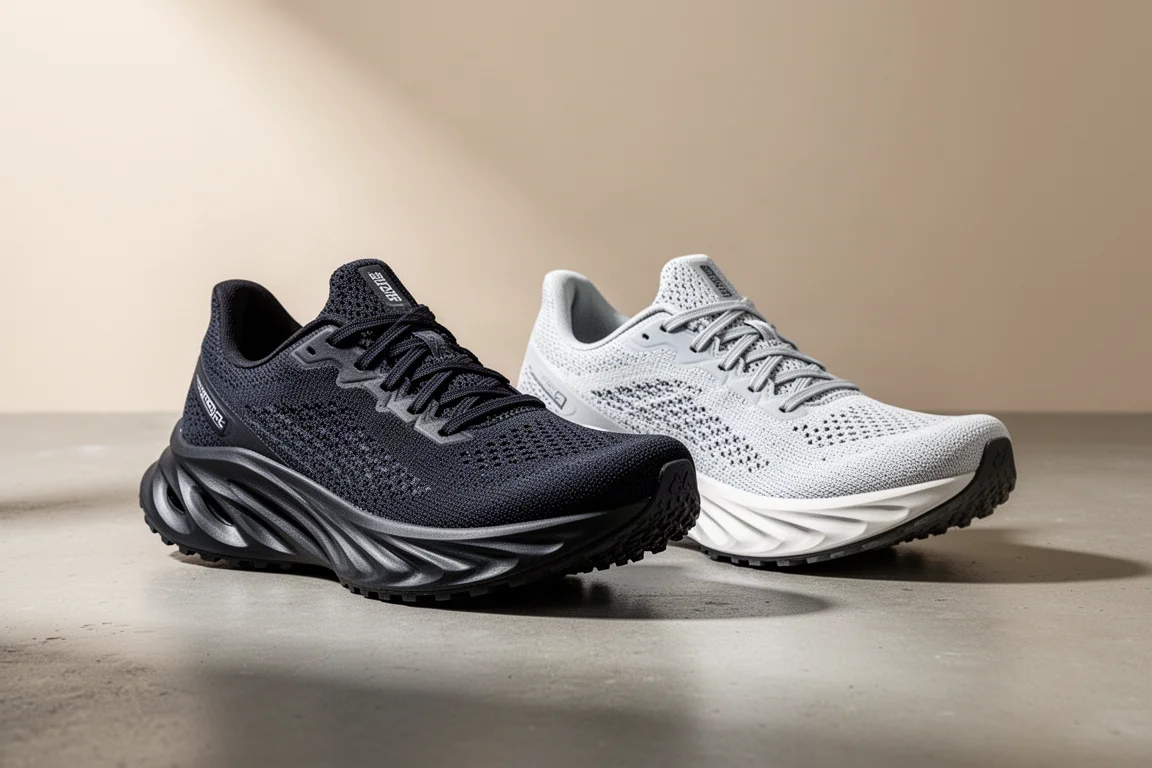
Puma’s Fast-R line was designed to be its long-distance racing shoe, but the first and second versions handle that job in noticeably different ways. The original Fast-R Nitro Elite arrived with geometry few brands were using, and the Fast-R 2 Nitro Elite built on it with a taller stack and a new foam setup while keeping the overall function surprisingly similar.
This comparison looks at how the two differ in stats, midsole construction, ride feel, plate design, and fit, so you can decide whether to upgrade or which one matches your running style.
Stats and First Impressions
The Fast-R Nitro Elite weighs 7.5 ounces for men’s size 9 and 6.1 ounces for women’s size 8. The Fast-R 2 Nitro Elite comes in heavier at 8.4 ounces for men’s size 9 and 7.4 ounces for women’s size 8, roughly an ounce more per shoe.
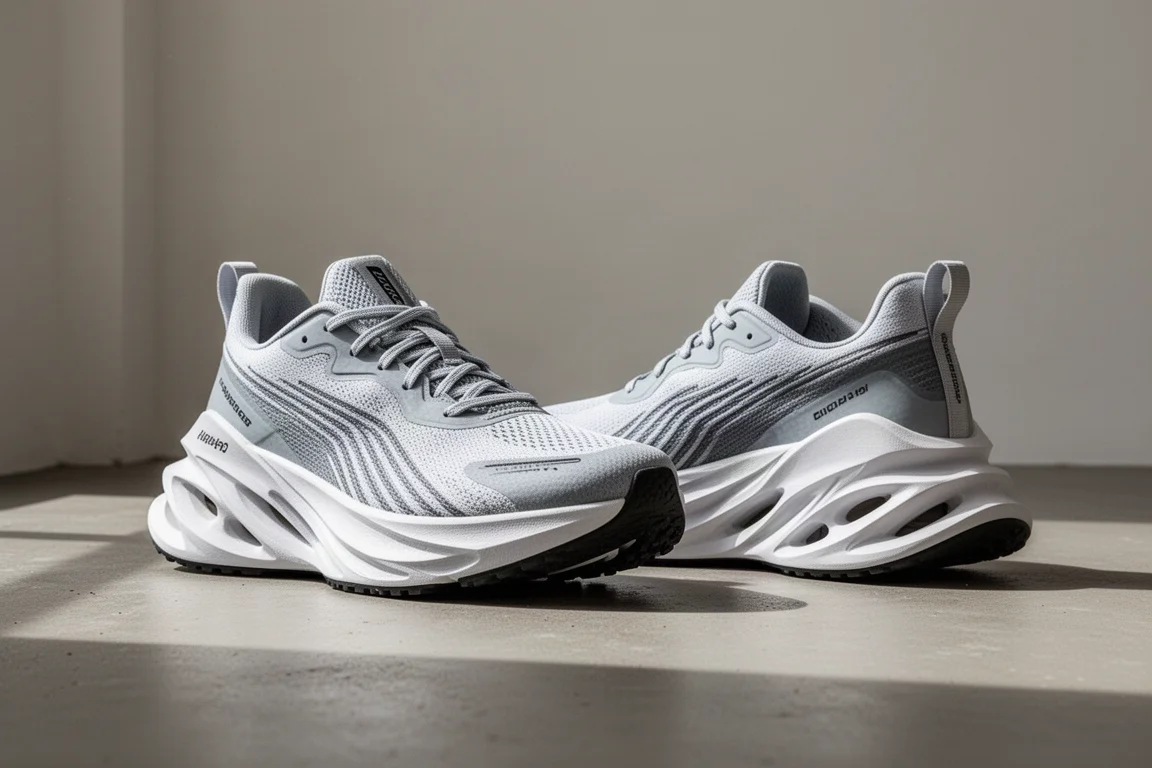
Stack height tells a similar story of growth. Version one sits at 35mm in the heel and 27mm in the forefoot for an 8mm drop. Version two raises that to 40mm heel and 32mm forefoot, keeping the same 8mm drop but adding a substantial amount of cushion underfoot. The weight difference is easy to notice while walking around, though it matters less once you start running because the newer foam is bouncier and the transition is smoother.
Midsole and Ride Differences
Although the two shoes look geometrically similar, the foams are quite different. The original uses EVA in the heel with a bio-based PWRBACK in the forefoot, which felt great for getting up on your toes. The catch was the heel: if you started landing further back, the ride could feel slappy and less comfortable over longer distances.
The second version introduces Nitro Elite, a new super-foam combination Puma has not fully detailed, now present in both the heel and midfoot. That makes heel landings much smoother and transitions far less awkward, with a good amount of bounce and forward roll.
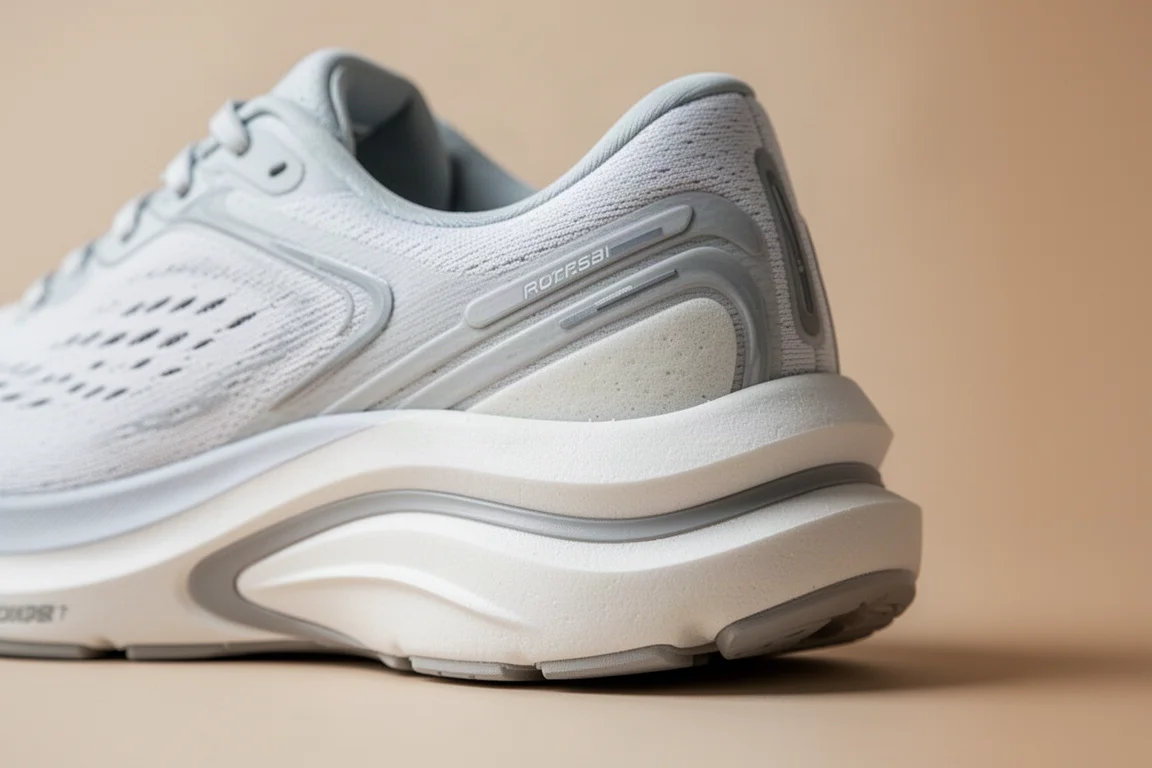
If you are a rearfoot striker, the Fast-R 2 will likely work much better for you. If you are a forefoot striker and never use your heel, the original may still appeal since it is lighter and the softer rear foam is less relevant to your stride.
The Extended Plate: Who Benefits
The other major change is the extended plate in version two, something the original does not have. Extending the plate increases the lever arm, which means you toe off later and put more work through your calves. For ankle-dominant runners who generate a lot of propulsion through the ankle and calf, this plays directly to their strengths and felt excellent during faster fartleks, hill sprints, and tempo efforts.
For runners whose calves fatigue at longer distances, or who like to shift to hip-driven propulsion when the ankle tires, it can feel like fighting the shoe late in a run. The reviewer’s own experience: calf soreness after tempo runs and longer efforts, with version one preferred beyond 10K. The second version was worth considering up to a half marathon, but not a full marathon, since the forward-shifted plate works best for shorter, faster running.
Upper, Fit, and Long-Run Comfort
Both shoes have fairly low-volume uppers. They are snug rather than narrow, sitting low across the foot, so high-volume feet may struggle, while normal or low-volume feet, even with a little extra width, should be fine. Getting version two on is harder, partly because the upper sits even lower and has had less time to break in.
One practical note: the second version rubbed through the ankle during testing, so longer socks are recommended. The heel counter is a little more present there too, felt as pressure on the heel bone rather than pain, though sensitive runners should try these on carefully before committing to a race-day purchase.
Stability also shifted slightly. Version one has mild sidewalls and a firmer heel that add a touch of stability in the heel and midfoot, while the softer heel of version two reduces that a little and can allow slightly more collapse. However, the forefoot of version two is a clear step up: it is much wider, with sidewalls and a plate that provides real forefoot guidance, making it the better choice if you need forefoot stability but neutral in the heel and midfoot.
Which One Should You Buy
If you are a rearfoot striker, need forefoot guidance, or want more cushion for faster tempo work, the Fast-R 2 Nitro Elite is the stronger choice. Its smoother heel transition and taller stack make it a candidate for efforts up to a half marathon.
If you are a forefoot striker who values low weight and a clean, natural toe-off for racing up to around 10K, the original Fast-R Nitro Elite still holds up well and avoids the extra calf workload of the extended plate. Neither is ideal for the marathon unless your mechanics suit the shoe, so trying both on before a big race purchase is worth the effort.
Conclusion
Puma’s two Fast-R racers end up functioning similarly in terms of race-day intent, but they reward different runners. Version two fixes the awkward heel landing and adds forefoot stability at the cost of weight and calf demand, while version one remains the lighter, cleaner toe-off option for forefoot strikers. Matching the shoe to your strike pattern and race distance is the deciding factor.
Product link
View more details for Puma Fast-R Nitro Elite
This product is mentioned in the review. Check the specifications, options, and compatibility before buying.
View more details for Puma Fast-R Nitro EliteFurther reading
Related Reviews

Running Shoes
Best Road-to-Trail Running Shoes: Three Versatile Options for Mixed Terrain
A practical guide to three road-to-trail running shoes that handle both pavement and mild trails, with clear strengths and trade-offs for different runner types.

Running Shoes
Best Running Shoes for Achilles Tendonitis: Three Options Explained
Three running shoes with different heel drops and support features designed to help reduce Achilles tendon pain during walking and running.

Running Shoes
Best Running Shoes for Women: Five Top Choices Ranked
A ranked guide to five women's running shoes, from versatile daily trainers to high-performance racing options, with real strengths and trade-offs for each.