Running Shoes
Puma Fast-R Nitro Elite 3 vs Nike Alphafly 3: Which Race Day Shoe Comes Out on Top?
A head-to-head look at two of the fastest marathon racing shoes available, covering weight, geometry, comfort, and which runners each shoe suits best.
Introduction
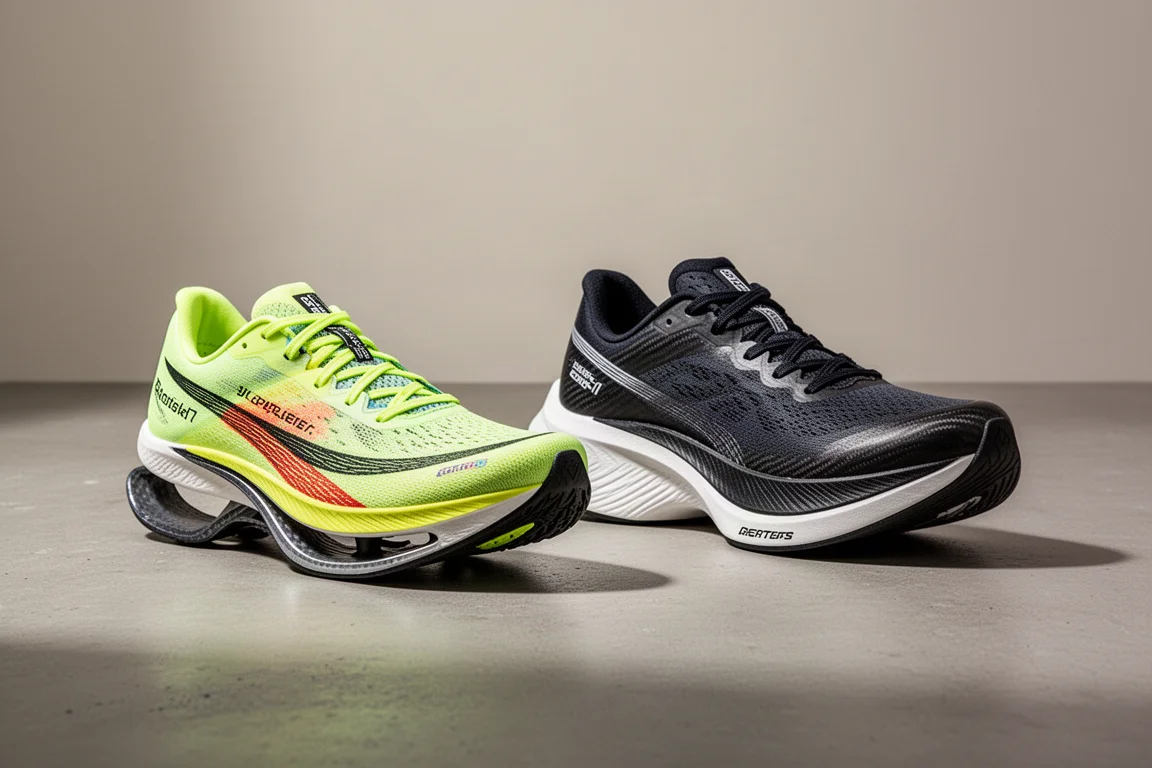
Few matchups in the marathon racing category are as interesting right now as the Puma Fast-R Nitro Elite 3 against the Nike Alphafly 3. One is the established benchmark, a shoe with genuine history attached to some of the greatest marathon performances ever recorded. The other is the newest release in the carbon racing scene, built around a highly aggressive geometry and one of the lightest builds on the market.
After running both back-to-back in a hard 4x2-mile workout, the differences are clear. Both shoes are extremely fast, but they take very different routes to speed: the Alphafly 3 leans on cushion and stability, while the Fast-R Nitro Elite 3 leans on weight savings and a plate geometry that forces you up onto the forefoot.
Evaluation Criteria
This comparison comes down to a handful of practical factors that matter for race day decisions:
- Weight: measured directly, in the same size, on the same scale
- Geometry and toe-off feel: how each shoe uses its signature four-foot elements to create propulsion
- Comfort: underfoot feel, midfoot support, and how the shoe behaves at marathon pace and slower
- Fit and upper: lockdown, toe box volume, and ease of getting the shoe on
- Top-end speed: which shoe makes it easier to hit faster paces at the same effort
Puma Fast-R Nitro Elite 3: The Aggressive New Challenger
The Fast-R Nitro Elite 3 is the new kid on the block, released roughly four weeks before this comparison and still trickling out in limited drops. Puma has followed the playbook of releasing small quantities, letting each drop sell out, and building hype before wider availability. Crucially, the shoe has backed it up: every release so far has been a high seller, which tends to only happen when a shoe is genuinely good.
The defining feature is the plate, which sits in an unusually aggressive position and juts out prominently at the front of the shoe. Combined with Puma’s Nitro foam and a carefully carved geometry, it forces a midfoot landing and pushes the legs into a faster cadence.
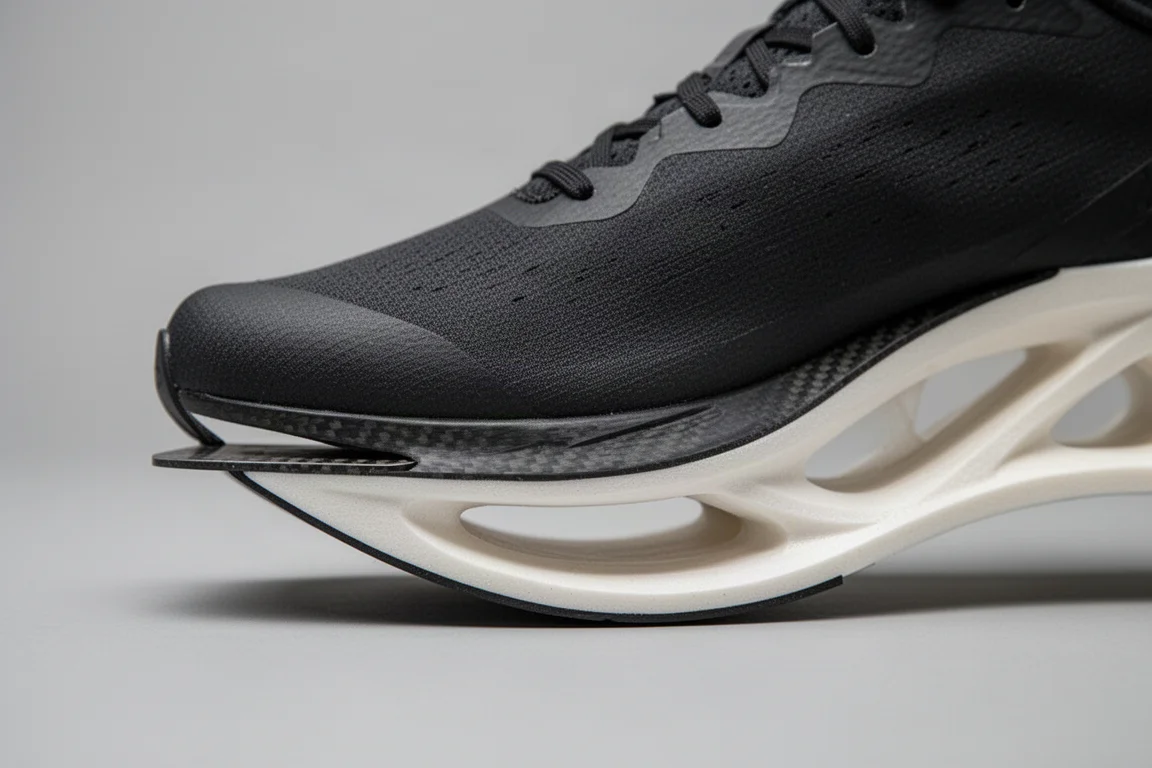
The trade-off is comfort. The foam is a slightly firmer compound rather than soft and squishy, and the plate position makes the ride feel stiff and demanding. The forefoot and midfoot are effectively disconnected, and at slower paces that disconnection is very noticeable, similar to a heel and forefoot that never quite roll smoothly from back to front. At faster paces, when mechanics change, the feeling largely disappears.
Nike Alphafly 3: The Established Benchmark
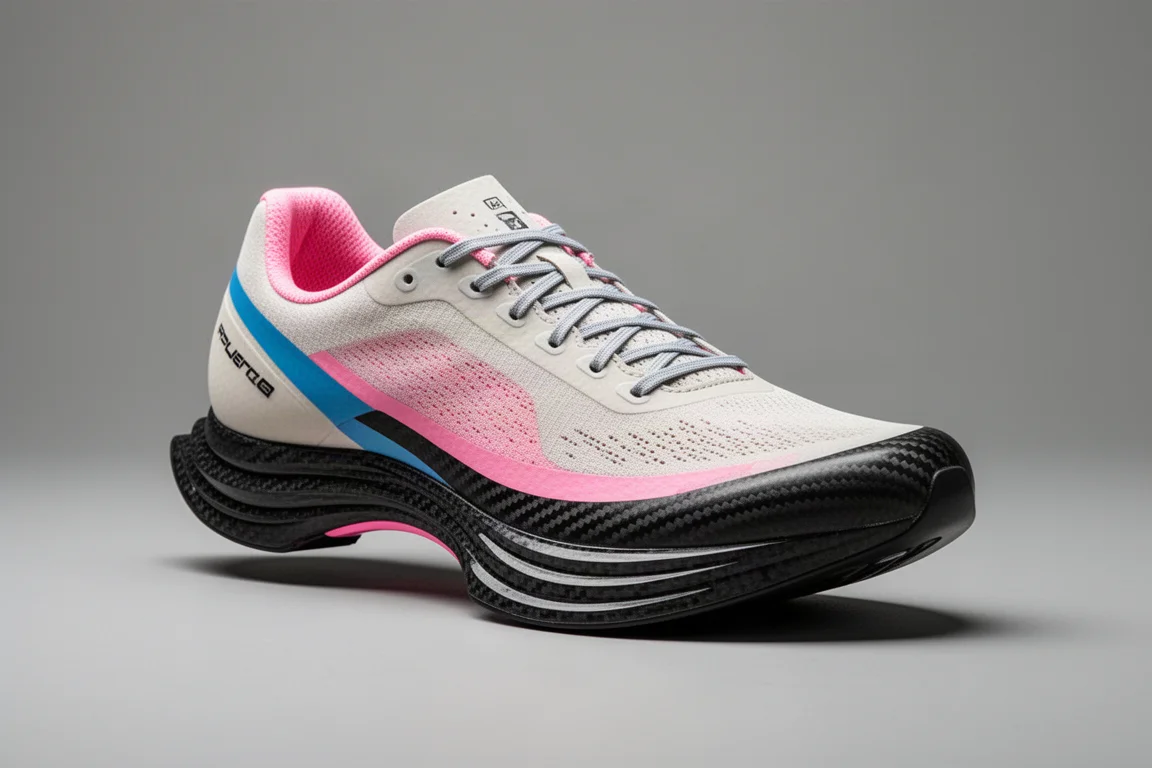
The Alphafly 3 is the shoe most people picture when they think of a modern marathon racer. It carries enormous emotional and historical weight: it has been used by Eliud Kipchoge, and by Kelvin Kiptum for his two-hour marathon run in Chicago. It sits at the center of the carbon racing conversation and has for years.
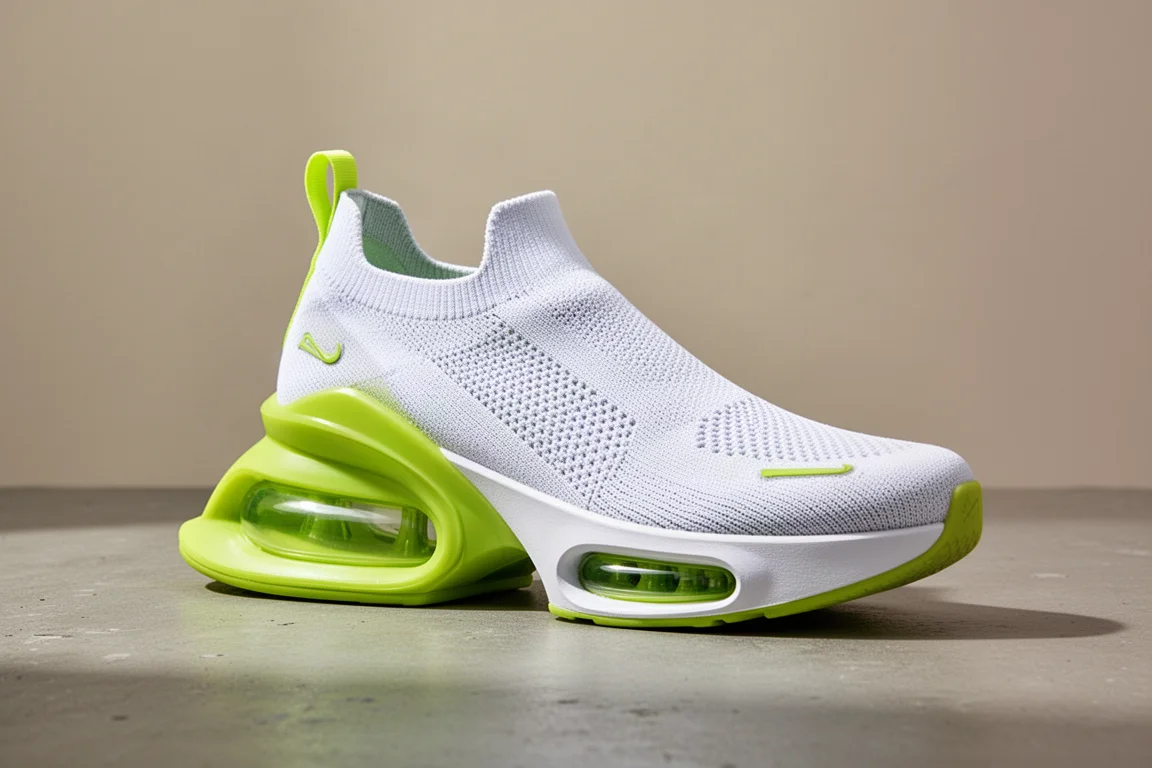
The Alphafly 3’s signature toe-off element is the visible Air Zoom pod in the forefoot, paired with an aggressive rocker geometry that is remarkably similar to the Fast-R’s at the front of the shoe. The difference is everything underneath: a broader base, more foam in the heel, and a much more substantial underfoot platform.
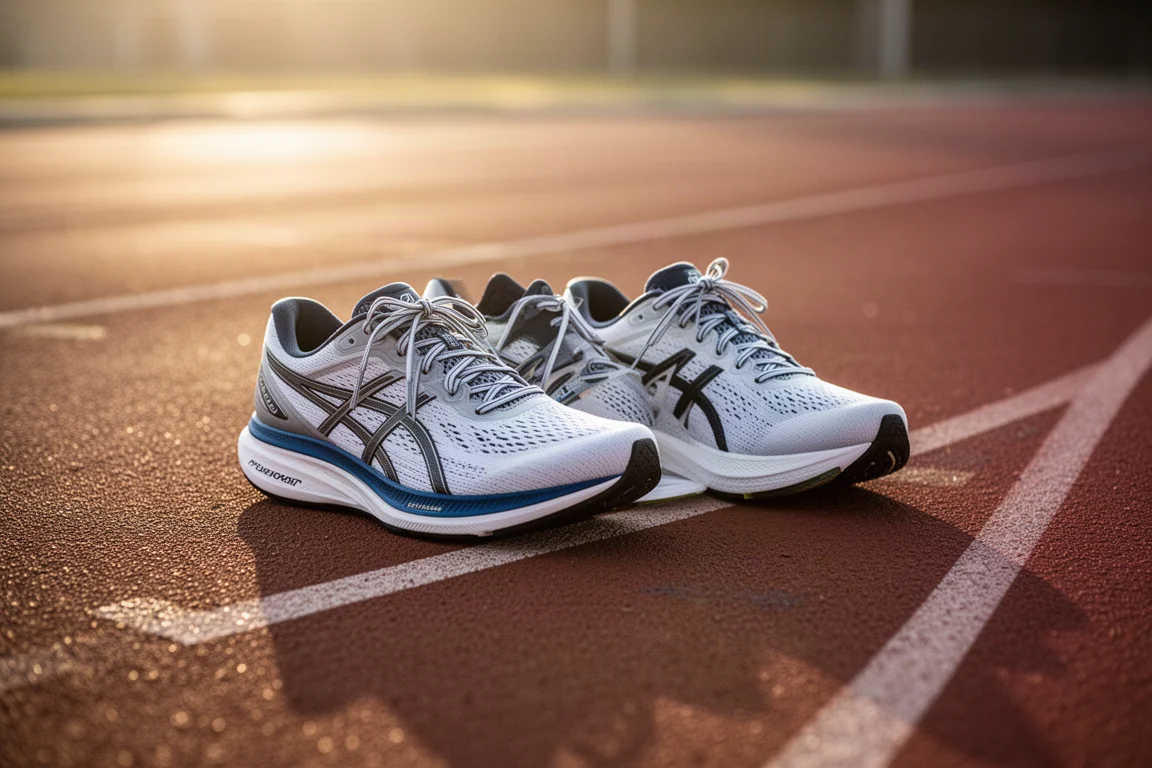
Nike also made real comfort improvements with this third version, widening the platform and refining the ride compared to earlier iterations. The upper delivers a sock-like fit that many testers consider the best in this matchup, with excellent midfoot lockdown and a secure feel. It is still a race shoe, and nobody would recommend it as a walking shoe, but compared side by side with the Fast-R, it feels like a normal shoe.
Weight and Foam: Where the Two Shoes Diverge
Weighing both on the same scale in a US men’s size 10.5 tells a big part of the story. The Fast-R Nitro Elite 3 came in at about 190 g, while the Alphafly 3 measured roughly 220 g. That is a meaningful gap, and much of it comes from how aggressively Puma has shaved foam to save weight.
The Fast-R has essentially no foam in the midfoot underneath the plate, creating a hollow, disconnected sensation underfoot. The Alphafly 3 also uses cutouts, but it keeps a lot of foam under the plate, so you never feel that same emptiness beneath your arch.

That hollow midfoot is the Fast-R’s biggest drawback. Some runners experience foot fatigue in shoes that cut out midfoot foam, because it feels like you are not landing on top of anything and the center of the foot is doing all the work. For heel strikers in particular, the Fast-R is not the most comfortable landing experience. The Alphafly, by contrast, offers noticeably better stability and cushioning underfoot, and it is clearly the more comfortable of the two to stand and walk in.
Fit is close. Both shoes fit true to size. The Puma has a slightly roomier, high-volume toe box and a lighter, thin, almost grocery-bag-like upper that takes more effort to get on. The Alphafly’s sock-fit midfoot is the more refined of the two uppers. Call the uppers roughly a tie, with a slight edge to the Alphafly.
On-Road Performance: Workout Testing Both Shoes
The real test came in a 4x2-mile workout at threshold pace on a hot, hilly route, with two reps in each shoe. The results were telling.
In the Alphafly 3, the shoe felt comparatively heavy and clunky once fatigue set in. Ground contact time felt longer at similar effort, and it was harder to snap off the ground and pop through the stride. It is not a slow shoe by any measure, but stacked directly against the Fast-R, the difference in turnover was obvious.
Switching back into the Fast-R Nitro Elite 3 for the final rep produced the standout result: the last two-mile rep came in around 5:19 to 5:20 pace, roughly 30 seconds per mile faster than the rep run in the Alphafly, at a similar or even greater level of fatigue. Part of that is the natural ability to dig deeper on a final rep, but a nearly full-minute difference over two miles is not purely mental. The lightweight build, the aggressive plate, and the quick roll-through all contribute.
That said, the Fast-R demands correct mechanics. You have to land up on the front of the shoe for it to work at all; if you land further back, it fights you. The Alphafly is capable of being more relaxed about it, which makes it the better tool for the full marathon distance and longer efforts. The Fast-R is clearly better suited to 5K pace and below, plus hard threshold sessions, where its aggression becomes an advantage rather than a burden.
One more practical note: the Fast-R’s stiffness and firmness make long-distance comfort a legitimate question. Three-hour-plus marathon runners have used it successfully, but anyone skeptical about running a full 26.2 miles in it is not being unreasonable.
Buying Advice: Which Shoe Should You Race In?
For pure top-end speed and short-to-mid distance racing, the Fast-R Nitro Elite 3 is the clear pick in this matchup. It is lighter, quicker to turn over, and rewards aggressive mechanics with genuinely faster splits. It is best for runners chasing PRs at 5K through half marathon pace, and for confident forefoot and midfoot runners who do not mind a firmer, more demanding ride.

For the full marathon, or for anyone who prioritizes comfort and a more forgiving platform, the Alphafly 3 remains an excellent choice. It is more substantial underfoot, easier to run relaxed, and better suited to the 2.5 to 3.5-hour marathon range where comfort over distance matters most.
If forced to crown one overall winner for speed, the Fast-R Nitro Elite 3 takes it, and the margin was not close. If your race is a full marathon and your priority shifts from pure speed to sustainable comfort, the Alphafly 3 is still firmly in the conversation.
Conclusion
The Alphafly 3 has been officially dethroned when it comes to top-end speed in this matchup, but dethroned is not the same as obsolete. The Nike Alphafly 3 remains one of the most complete marathon shoes available, with better cushioning, a more comfortable platform, and a pedigree few shoes can match. The Puma Fast-R Nitro Elite 3, however, is the faster tool for hard sessions and short-course racing, and it earns its hype. Pick based on your race distance and how aggressive your mechanics are, and either shoe will show up on race day.
Further reading
Related Reviews

Running Shoes
Best Road-to-Trail Running Shoes: Three Versatile Options for Mixed Terrain
A practical guide to three road-to-trail running shoes that handle both pavement and mild trails, with clear strengths and trade-offs for different runner types.

Running Shoes
Best Running Shoes for Achilles Tendonitis: Three Options Explained
Three running shoes with different heel drops and support features designed to help reduce Achilles tendon pain during walking and running.

Running Shoes
Best Running Shoes for Women: Five Top Choices Ranked
A ranked guide to five women's running shoes, from versatile daily trainers to high-performance racing options, with real strengths and trade-offs for each.