Running Shoes
Puma Fast-R Nitro Elite 3 vs Hoka Cielo X1 2.0: Two Race Day Heavy Hitters Compared
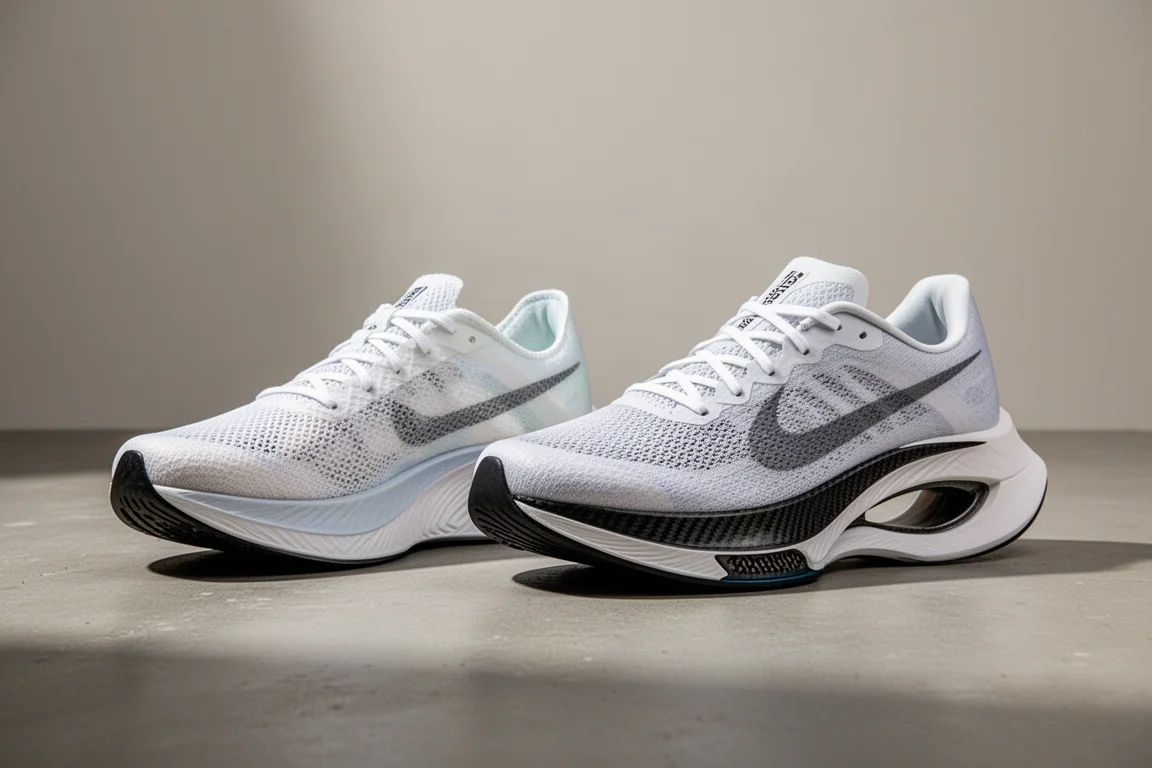
Two drastically updated super shoes go head to head: the featherweight, aggressive Puma Fast-R Nitro Elite 3 and the fun, bouncy, more accommodating Hoka Cielo X1 2.0.
Introduction
Both of these shoes sit firmly in the upper echelon of race day footwear, and both received drastic updates that make them far more race-ready than their predecessors. The Hoka Cielo X1 2.0 and the Puma Fast-R Nitro Elite 3 (which most people simply call the Fast-R 3) share a lot of DNA, but they cater to noticeably different kinds of runners.
The first Cielo X1 felt more like a really exciting, fun trainer, albeit one with a very particular kind of wallet attached. This newest version leans racy. Puma’s Fast-R 3, on the other hand, is now one of the lightest race shoes out there, and it shows in how it runs. Neither is a casual purchase, so it is worth understanding exactly where each one shines before committing.
Hoka Cielo X1 2.0: Bouncy, Fun and More Accommodating
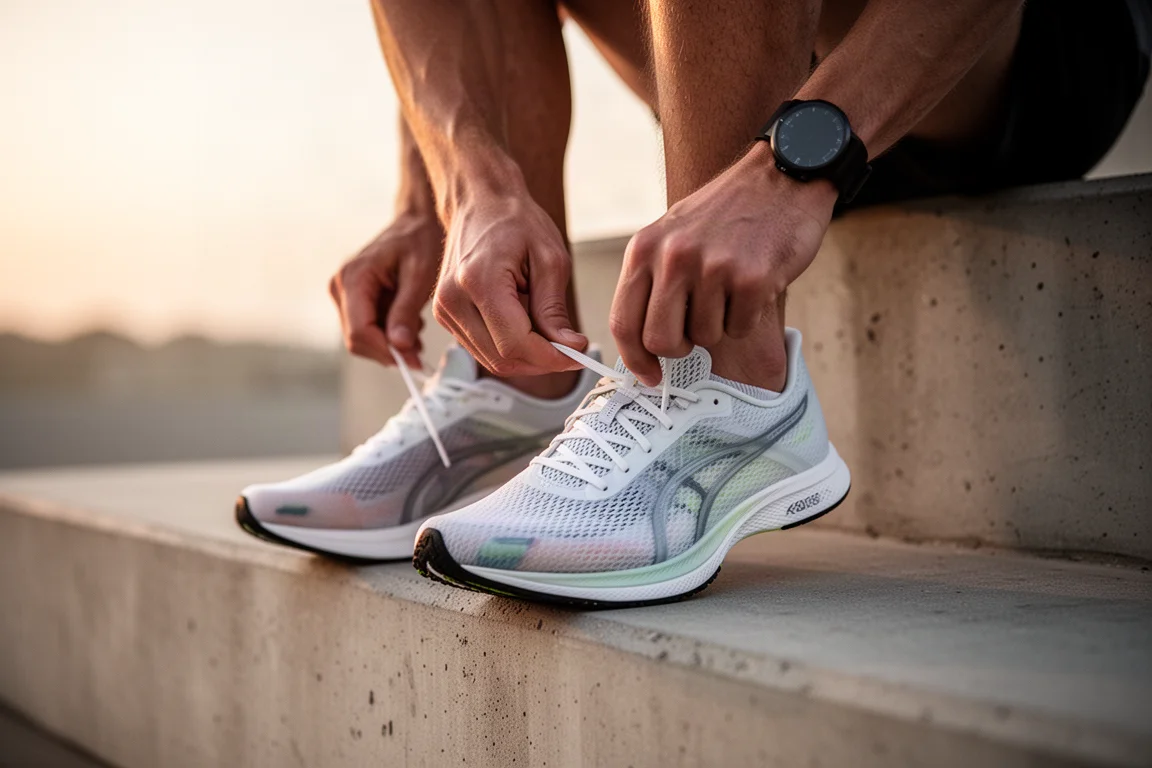
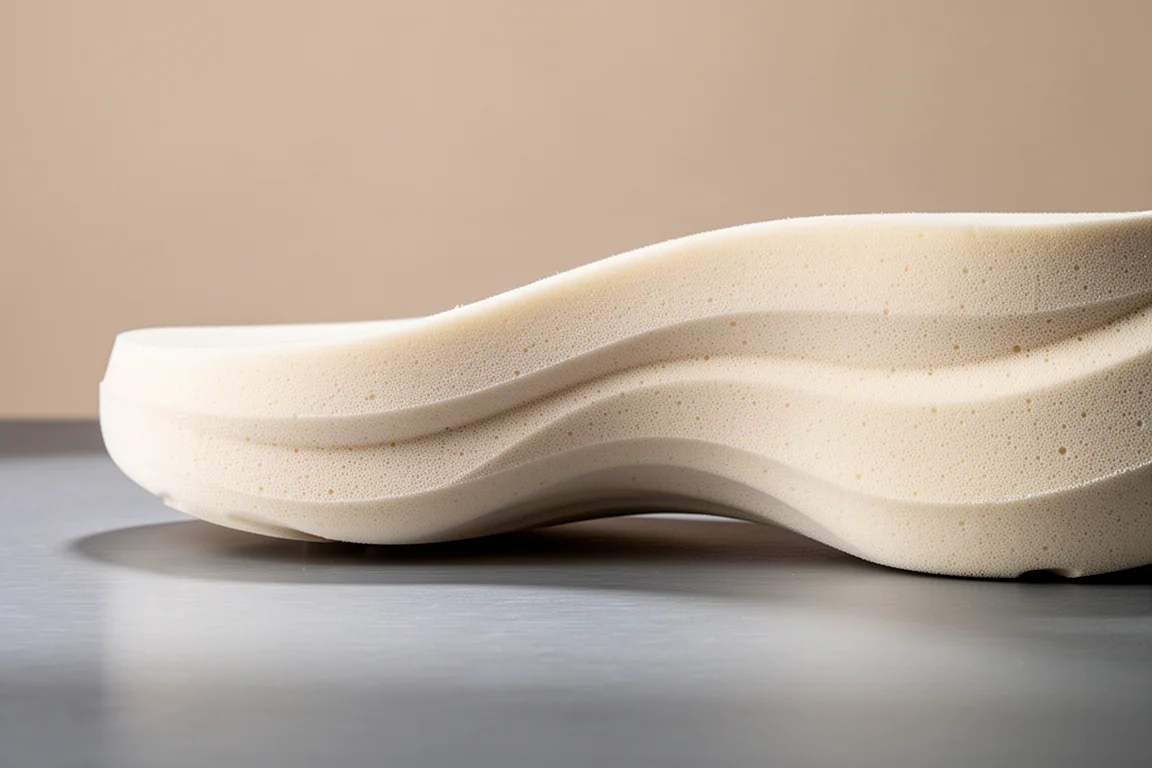
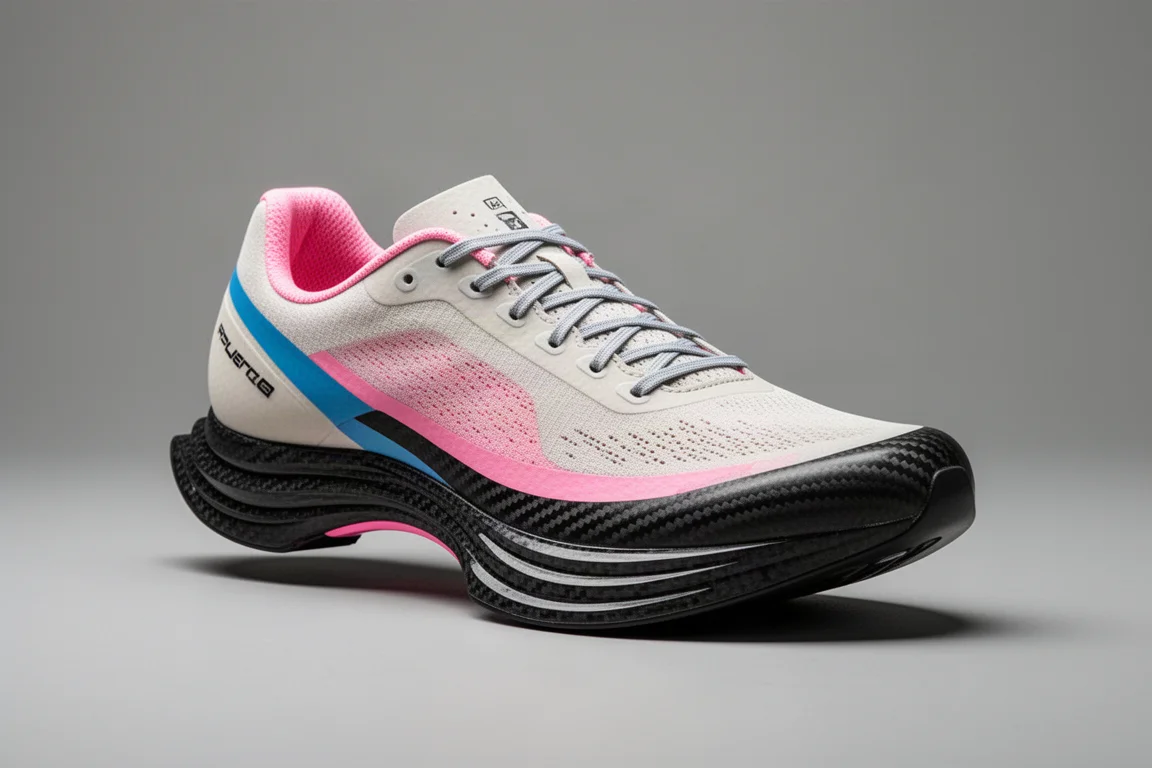
The Cielo X1 2.0 is built around two layers of PEBA foam with a 39/32/7 mm drop and a winged carbon fiber plate. Underfoot it feels bouncy and fun, rolling you along through your stride with a very exaggerated rocker. Once you start running, you are going to continue running at that pace.
Hoka lightened everything up for this version and updated the laces, which reviewers appreciated. The upper is light and breathable and feels pretty secure on the foot. It is still one of the most fun running shoes you can buy, and honestly one of the better shoes released this year.
A half marathon was run in this shoe during testing, and it held up well in the lab and out on the roads. If anything, the toe spring can be a slight concern for some runners over longer efforts, but the overall package is impressively versatile.
Puma Fast-R Nitro Elite 3: Featherweight and Aggressive
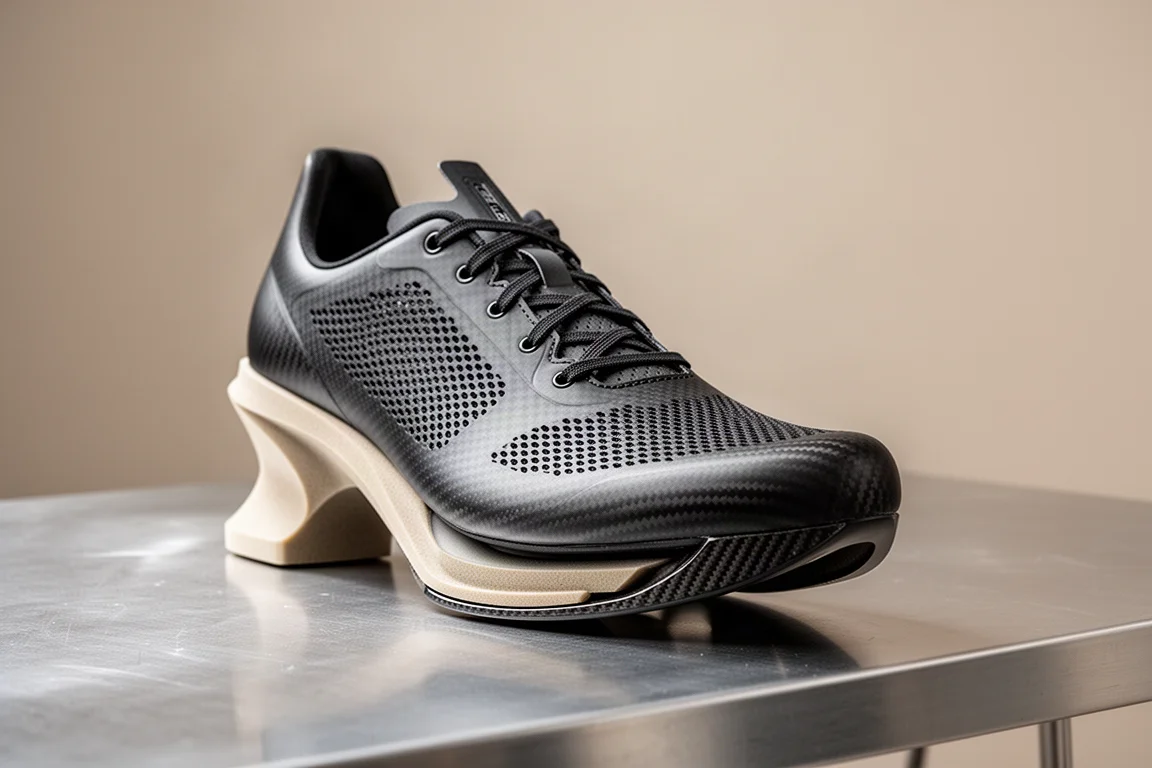
The Fast-R 3 shares similar properties but takes a different approach. It is noticeably lighter: a women’s size 7.5 comes in at 5.22 ounces, versus 6.5 ounces for the Hoka, thanks largely to a barely-there translucent mesh upper that still hugs the foot well.
The foam difference is where Puma stands apart. Instead of a PEBA-based midsole, it uses an aliphatic ETPU, a more durable type of super foam that is super light and super bouncy. The carbon fiber power plate carries over from the previous model, along with an extendable toe that sticks out from the front like a tongue. It gives a similar sensation to the rocker in the Hoka: once you start running fast, you stay in that gate.
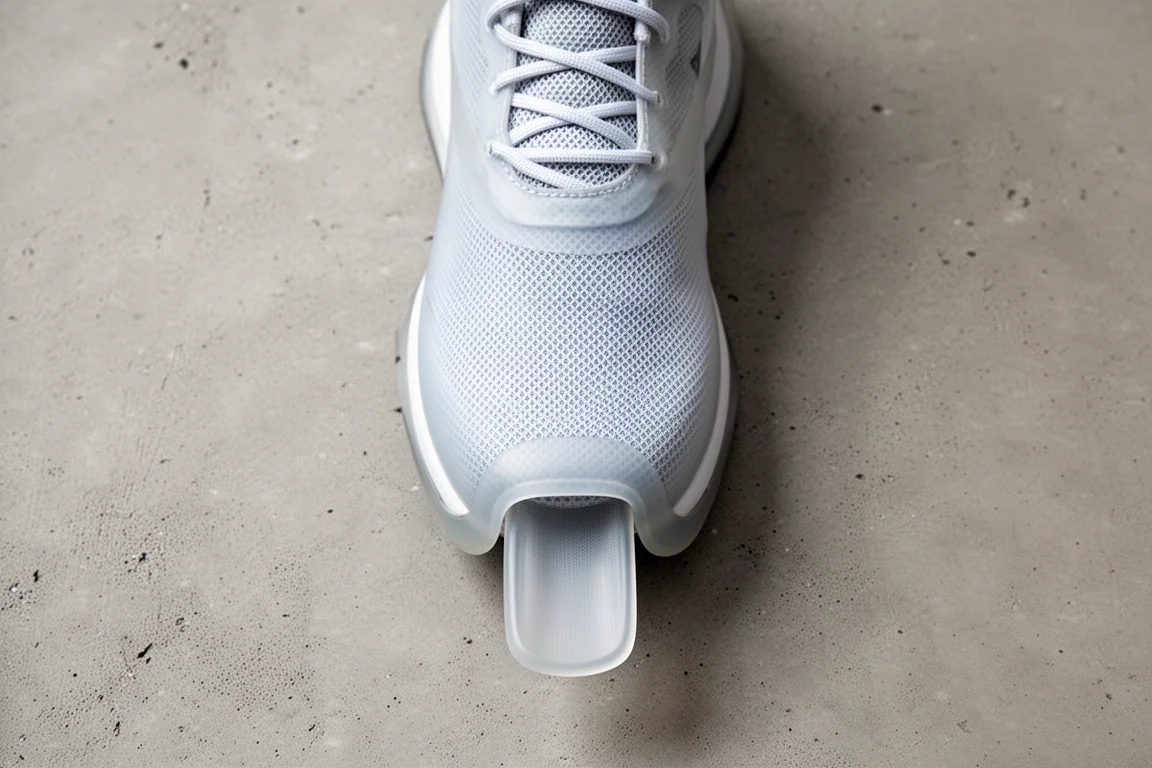
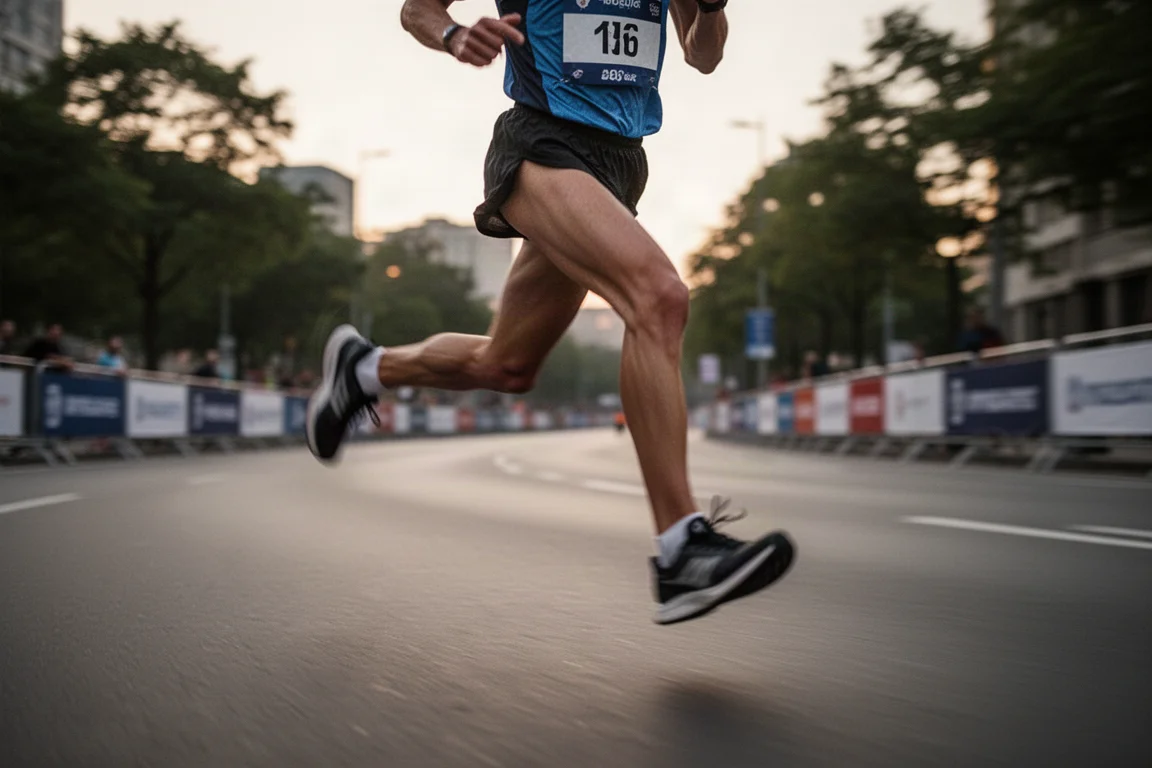
This shoe has been proven to work well. Athletes from Puma’s project ran extremely well in Boston and London, breaking PRs and posting fast times. The catch is the aggressive personality, and the equally aggressive price point at $300, which is top tier for a standard race day shoe.
Which One Should You Pick?
The distinction comes down to how you race. The Fast-R 3 is the advanced marathoner’s shoe. It is not as bouncy or comfortable, but it feels like a pure race day weapon, best suited to runners who plan to be out there for only a couple of hours at very fast paces. Not everyone will love it, but those who do will excel in it.
The Cielo X1 2.0, meanwhile, really can be used by anyone. It has more cushion underneath, a comfortable bouncy feel, and it retains some of its trainer spirit, so you can even use it for faster training paces. Because of the lighter weight now, it works for pretty much any distance.
One practical way to decide: for a half marathon, the Fast-R 3 gets the nod, while for a full marathon the Cielo X1 2.0 is the safer pick. If you run marathons around or over the 3:30 mark, the Hoka is especially worth favoring for that distance. The Hoka is the more structured, more accommodating race day shoe for more people, whereas the Puma is your golden gun on race day.
Conclusion
Both updates moved these shoes decisively toward the race day category, and both performed well in testing. Choose the Hoka Cielo X1 2.0 if you want a fun, cushioned, versatile racer that can handle any distance and even double as a fast trainer. Choose the Puma Fast-R Nitro Elite 3 if you are an advanced runner chasing PRs and want one of the lightest, most aggressive race shoes available, price and all.
Further reading
Related Reviews

Running Shoes
Best Road-to-Trail Running Shoes: Three Versatile Options for Mixed Terrain
A practical guide to three road-to-trail running shoes that handle both pavement and mild trails, with clear strengths and trade-offs for different runner types.

Running Shoes
Best Running Shoes for Achilles Tendonitis: Three Options Explained
Three running shoes with different heel drops and support features designed to help reduce Achilles tendon pain during walking and running.

Running Shoes
Best Running Shoes for Women: Five Top Choices Ranked
A ranked guide to five women's running shoes, from versatile daily trainers to high-performance racing options, with real strengths and trade-offs for each.