Running Shoes
Puma Fast-R Nitro Elite 3 vs Adidas Adizero Adios Pro 4: Carbon Race Shoe Face-Off
Two of the fastest carbon racers go head to head on stack, weight, fit, ride and race-day performance, with clear buying advice for marathon and shorter-distance runners.
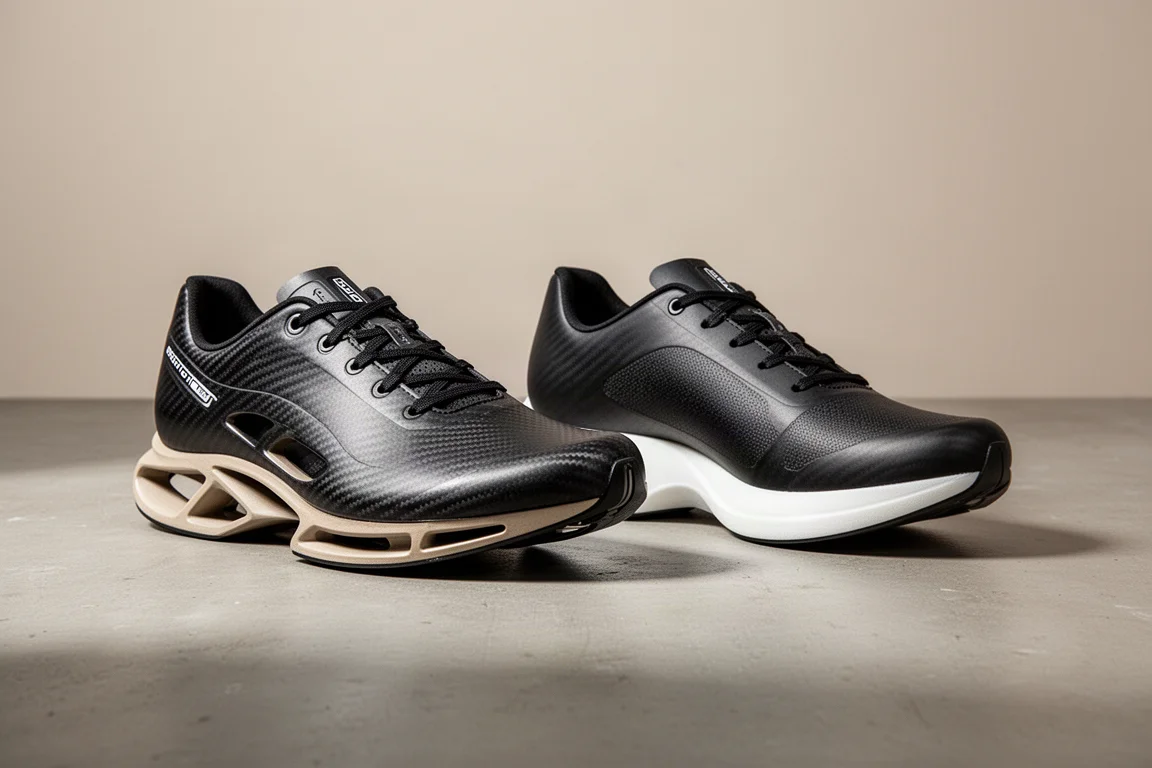
Introduction
Carbon race shoes do not get much more interesting than this pairing. The Puma Fast-R Nitro Elite 3 and the Adidas Adizero Adios Pro 4 have both been through major transformations from their previous generations, and both have been put through real marathon race tests to see which one delivers more for runners chasing personal bests.
Both are light, punchy and packed with modern carbon plate technology. Neither is a hugely natural shoe to run in, and both demand attention to form, but when you lock in they are both super lively and right up there with the best carbon race shoes for fast times on race day. The differences come down to fit, cushioning and how each shoe handles when you are not running at your absolute best.
Quick Details: Stacks, Weights and Prices
The Adizero Adios Pro 4 packs a 39mm heel and 33mm forefoot for a 6mm drop. The Fast-R Nitro Elite 3 lands at 40mm in the heel and 32mm in the forefoot for an 8mm drop. Both sit comfortably within legal stack limits for marathon racing.
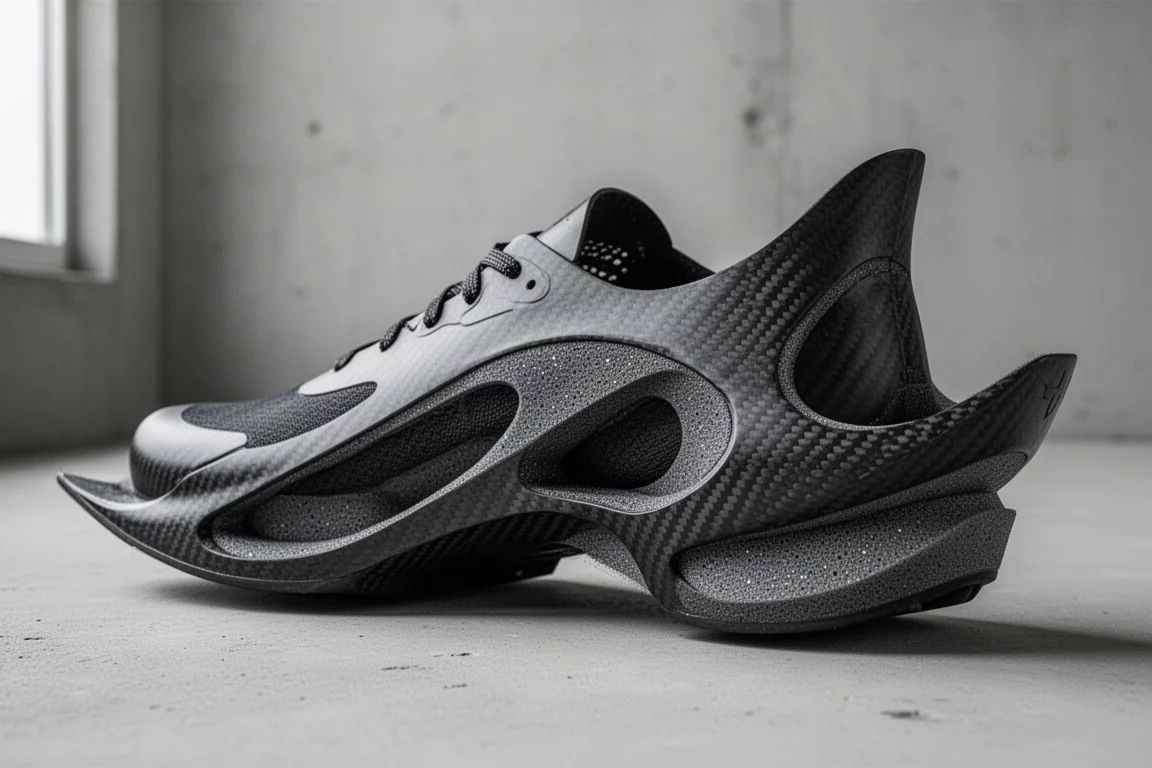
Weight is one of the big headlines for the Puma. In a UK men’s 8.5 test shoe, it weighs just 6.2 oz (175g), which is genuinely super light for a marathon racer. The Adios Pro 4 comes in at 202g (7.1 oz) in a UK men’s 8. On price, the Adidas launches at $250, while the Puma comes in at a notable premium in the US at $300, though the gap is less pronounced in the UK at £230.
Midsole and Plate Technology
Both midsoles have been significantly rebuilt from the previous generations. The Puma Fast-R Nitro Elite 3 sticks with a decoupled midsole using Puma’s supercritical Nitro Elite foam, with a restructured, reshaped carbon power plate in the middle. That plate uses seven layers of carbon laid down based on computer design to maximize benefit. Puma also used virtual prototyping to shave off any foam that was not doing a job in the shoe, which explains the wild, almost skeletal look. The familiar lip out front stays, providing extra leverage at the final point of toe off, along with the sweeping heel cutaway.
The Adios Pro 4 uses a new formula Lightstrike Pro foam tuned for a little extra softness over the Pro 3. The forefoot rocker has been moved back to boost efficiency, now positioned at 60% of the length of the shoe, matching the setup used in the Adios Pro Evo 1. Adidas also carries over the same Energy Rods 2.0 carbon architecture from the Adios Pro 3.
Uppers and Outsoles
Puma’s Ultraweave upper is light, highly breathable and incredibly minimal, yet feels durable, with a slightly coated, plastic-adjacent texture. The tongue is about as thin as they come, while the heel collar keeps some more traditional padding. The heel counter is reduced to one small section of plastic, which you can feel through the upper.
Adidas answers with a brand-new Lightlock upper, using locking bands that wrap the foot for a snug and secure fit, plus one-way stretch woven mesh. The design specifically targets the fit gripes some runners had with the Adios Pro 3. The tongue here has a bit more structure than the Puma’s, but Adidas sticks with minimal internal heel pads.
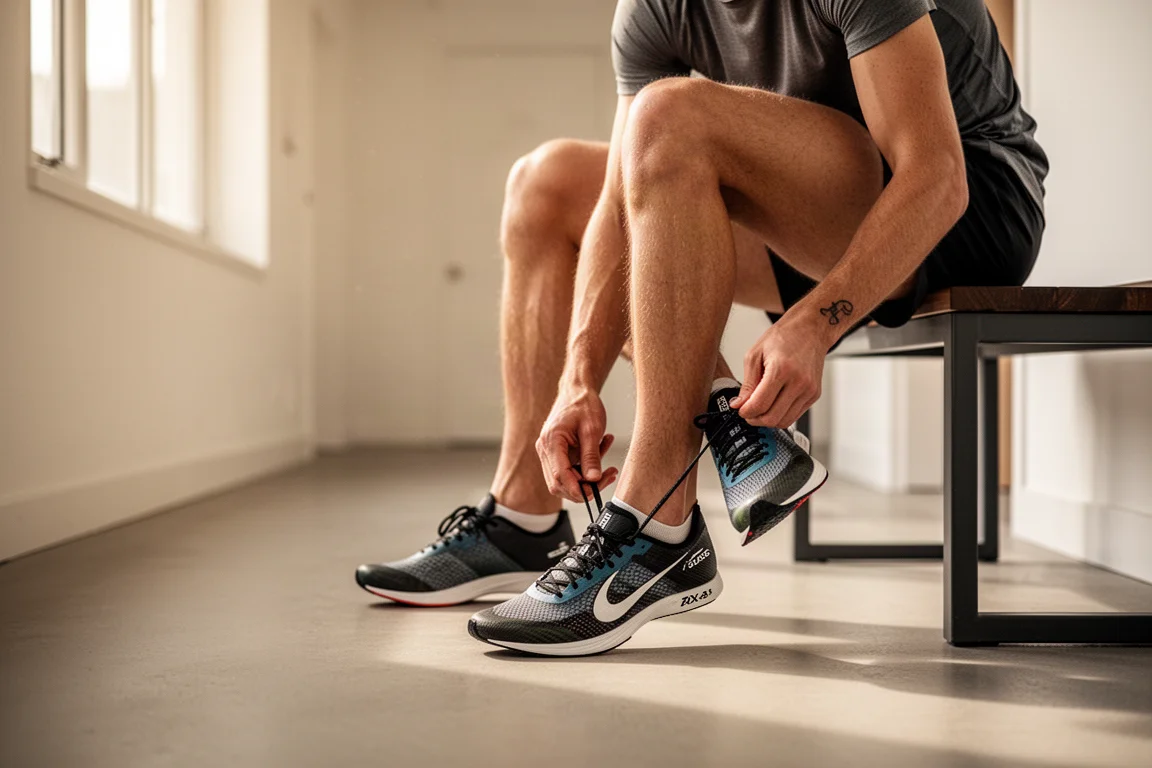
On outsoles, the Puma has a big pad of Puma Grip rubber in the forefoot and a couple of small pads in the key heel impact zones. The heel coverage looks on the small side and some wear showed up after a marathon test. The Adios Pro 4 has a more generous covering of Light Traction rubber with a strategic pad of Continental Grip on the key landing points for extra grip and durability, and the heel pads offer a better covering.
Fit and Sizing
Fit is where these two shoes diverge sharply, and it matters a lot. In testing, the Adios Pro 4 is much improved over the Pro 3, with better stitched-in tongues and modified lace eyelets that remove the pinching around the toe knuckles. Heel hold is reliable and midfoot lockdown is secure. However, the toe box narrows severely and the shoe comes up roughly a quarter size short, which caused bruised toenails deep into a solo marathon test. The practical advice is to go at least half a size up in the Adidas, and double-check you have enough room up front for longer events.
The Puma initially looks narrow, but it delivers a race-hugging, snug yet flexible fit with enough length in the toe box. Heel hold and midfoot security were spot on with no slipping or rubbing. It does come up a little long, though, so going half a size down may give the best fit. A useful rule if you are between two sizes: take the smaller one in the Puma and the larger one in the Adidas.
Ride and Handling
In a side-by-side test with one shoe on each foot, the Adios Pro 4 clearly feels like the bigger stack, with lots more cushion running from heel right through the forefoot. The foam compresses, locks in and then rebounds, giving a springy block that puts more between you and the road. The trade-off is that the geometry can try to govern your stride, and it needed to be steered back into position to get the most out of it.

The Puma feels far more sparse underfoot, and you can feel more of the ground coming up, especially in the forefoot. It is not a hugely natural shoe either, and foot placement takes concentration, but once learned it guides you in a smooth, straight line, with that long extended plate picking up and springing you into push off. When moving in good form, the Fast-R’s transition and toe-off projection edge out the Adidas.
Race Day Performance
Both shoes have been pushed hard, including the London Marathon in the Fast-R Nitro Elite 3 and a solo marathon test around London in the Adios Pro 4, plus plenty of hard training and slower running in both. The Fast-R proved it could carry its lab performance into real race conditions, delivering a half marathon PB in the first half and, crucially, still providing efficiency and lift during the tough final six miles when things got hard.

The Adidas is a lively, fun and propulsive carbon racer with a little more support and cushioning around the heel, and its sharp forefoot rocker helps turnover. It has big PB potential if the fit is right, but for runners moving at slower marathon paces, especially beyond four hours, the extra cushion of the Adios Pro 4 makes it the more accommodating choice. The Puma rewards high cadence and good form with an efficiency edge that makes it the pick for sub-3 marathon chasers.
Conclusion
On pure performance, the Puma Fast-R Nitro Elite 3 is the pick for races of nearly any distance: it is lighter, snappier and more energetic, especially at marathon pace effort or faster, and it held up through a full marathon even when the legs were struggling. The main caveats are the higher price, limited availability and the minimal feel that may not suit everyone.
The Adidas Adizero Adios Pro 4 is the more accommodating, softer and more protective option for runners who want more between themselves and the road, or who expect to be on their feet for longer. Just watch the toe box fit carefully. Whichever way you lean, both are excellent race day shoes that deliver exactly what a carbon racer should.
Product link
View more details for Puma Fast-R Nitro Elite 3
This product is mentioned in the review. Check the specifications, options, and compatibility before buying.
View more details for Puma Fast-R Nitro Elite 3Further reading
Related Reviews

Running Shoes
Best Road-to-Trail Running Shoes: Three Versatile Options for Mixed Terrain
A practical guide to three road-to-trail running shoes that handle both pavement and mild trails, with clear strengths and trade-offs for different runner types.

Running Shoes
Best Running Shoes for Achilles Tendonitis: Three Options Explained
Three running shoes with different heel drops and support features designed to help reduce Achilles tendon pain during walking and running.

Running Shoes
Best Running Shoes for Women: Five Top Choices Ranked
A ranked guide to five women's running shoes, from versatile daily trainers to high-performance racing options, with real strengths and trade-offs for each.